Should Wholesalers Stock Handled Tumbler Sleeves with Bag and Strap Combos?
Many wholesalers miss profitable opportunities by stocking basic tumbler accessories. Customers demand multi-functional solutions that solve real portability problems. The right product combination can transform your inventory performance.
Yes, wholesalers should stock handled tumbler sleeves1 with bag and strap combos. These bundled accessories offer higher profit margins and address three key consumer needs: secure grip, hands-free carrying, and transport protection. The market shows strong demand from B2B buyers seeking ready-to-sell packages.
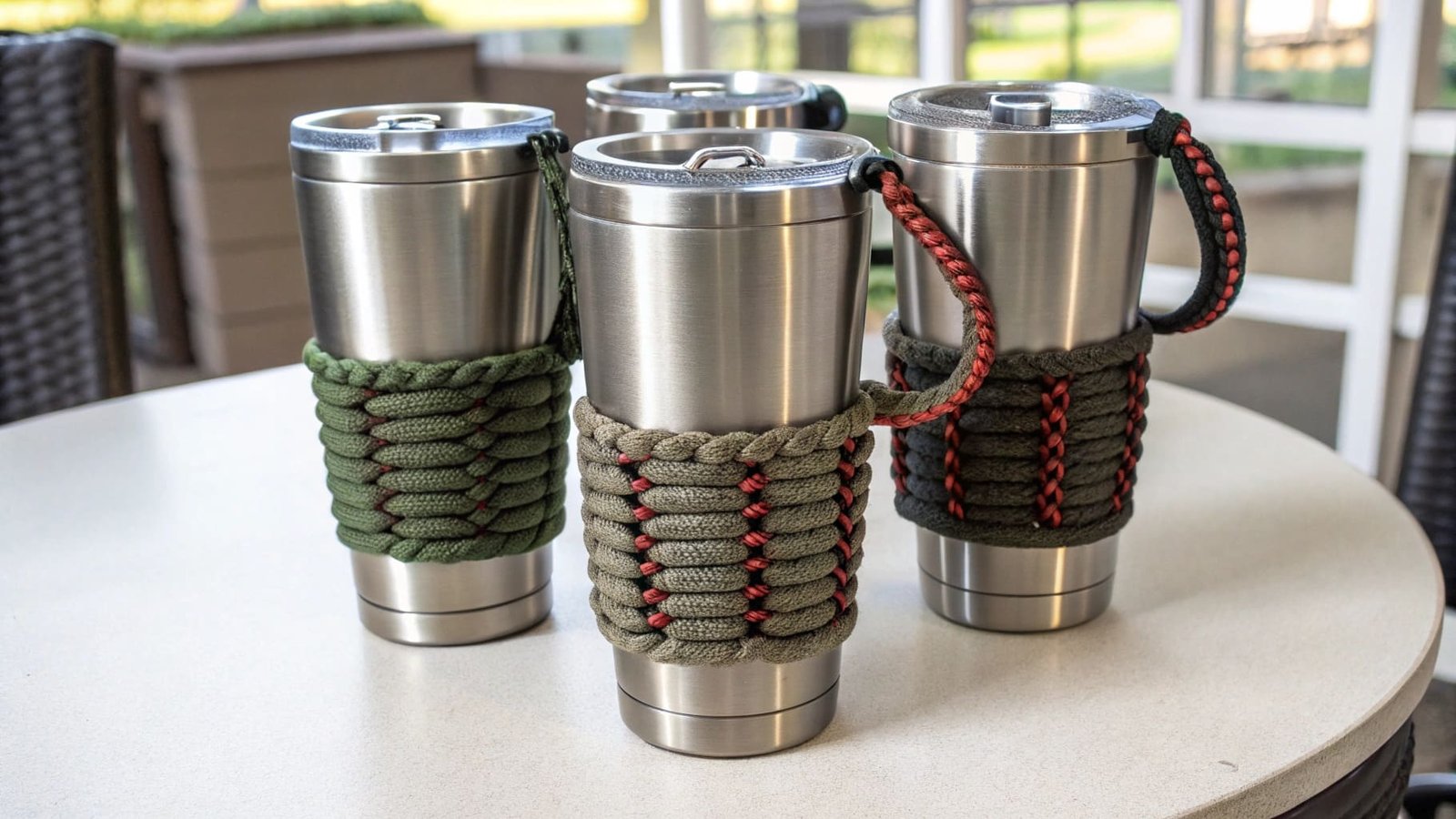
I learned this lesson at my first trade show in 2019. A Canadian buyer asked if I could bundle tumbler boots with carrying straps. I said no at the time. I lost that order. That mistake taught me to watch market trends more carefully. Now I see the demand clearly. Let me share what I discovered about this growing product category.
Can a Tumbler Have a Handle?
Customers struggle with hot beverages that burn their hands. Standard tumblers transfer heat directly to fingers. This problem creates safety concerns and discomfort during use.
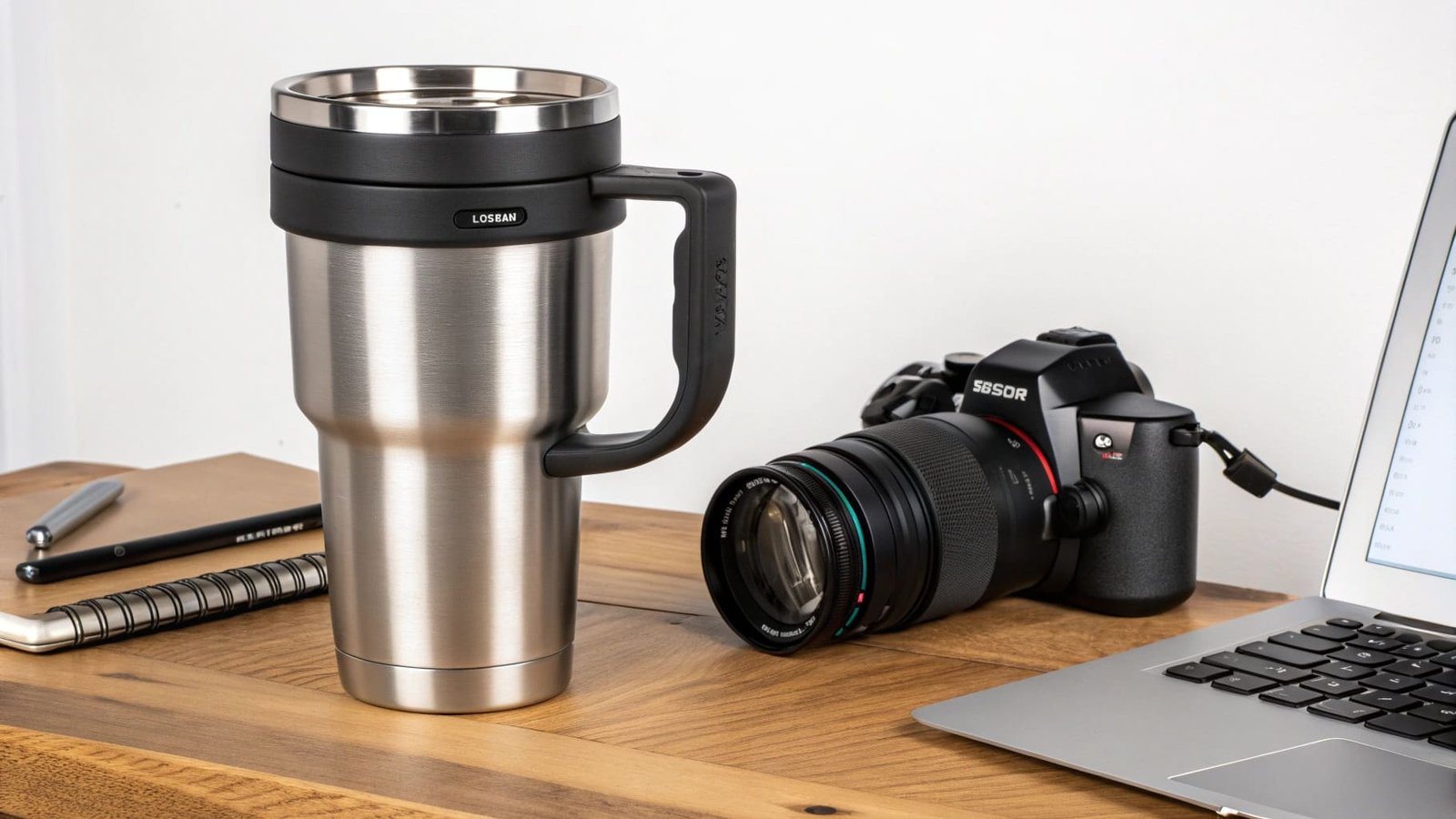
Yes, tumblers can have handles through various attachment methods. Silicone sleeves with integrated handles provide the most versatile solution. They slip onto existing tumblers and add ergonomic grip without requiring specialized tumbler designs.
Different Handle Attachment Methods
I stock three main types of tumbler handle solutions at silijoy. Each type serves different customer preferences.
| Handle Type | Installation | Best For | Key Advantage |
|---|---|---|---|
| Integrated Sleeve Handles | Slip-on design | Universal fit across tumbler sizes | No permanent modification needed |
| Clamp-on Handles | Adjustable clips | Customers who switch between tumblers | Easy removal and transfer |
| Built-in Tumbler Handles | Factory molded | OEM partnerships | Most secure attachment |
The integrated sleeve handle remains our best seller. Customers can transform any tumbler into a handled version. The silicone material provides heat insulation. Your hands stay cool even with boiling water inside. I tested this myself with 95-degree Celsius water. The outside temperature stayed below 40 degrees.
Material Quality Matters for Handle Durability
Food-grade silicone handles outlast cheaper alternatives by years. I source only platinum-cured silicone for our handle products. This material resists temperature extremes from minus 40 to plus 230 degrees Celsius. Some buyers ask about rubber handles. I always explain the difference. Rubber degrades faster and can develop odors. Silicone maintains its flexibility and grip quality through thousands of uses.
Mark once told me about a batch of handles that broke after two months. His supplier used recycled rubber mixed with low-grade silicone. His customers demanded refunds. The damage to his brand reputation cost more than the product itself. Quality testing prevents these disasters. I send samples to SGS for tensile strength verification before any large order.
What Is the Best Leak Proof Tumbler with Straw?
Leaked beverages ruin bags and damage electronics. Customers need reliable sealing systems that work during transport. Many tumbler designs fail basic leak tests under real-world conditions.
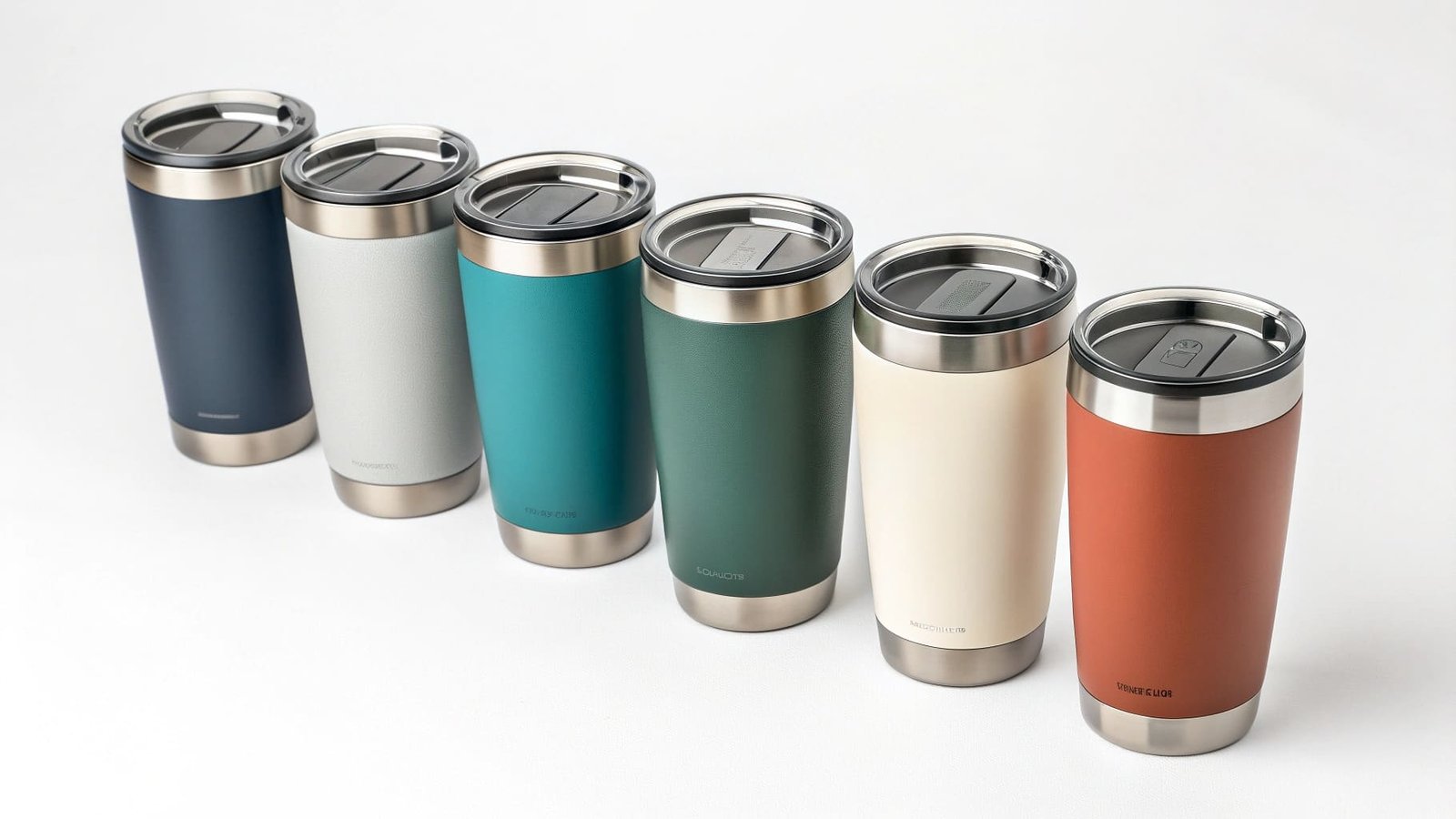
The best leak-proof tumbler2 with straw uses a three-point sealing system. This includes a silicone lid gasket, a sealed straw hole plug, and a secure flip-top closure. Premium designs incorporate food-grade silicone3 seals throughout all connection points.
Critical Components of Leak-Proof Systems
I spend considerable time explaining seal mechanics to buyers. The sealing system requires multiple barriers working together.
The lid gasket creates the primary seal. This ring sits between the tumbler rim and the lid. I manufacture these gaskets with 2mm thickness minimum. Thinner gaskets compress too much and lose sealing pressure. The material durometer matters equally. I use Shore A 50-60 hardness for optimal compression and recovery.
The straw hole presents the biggest challenge. Water escapes easily through this opening during movement. My solution uses a double-seal straw plug design. The plug fits tightly into the lid hole. The straw pushes through the center with friction fit. This creates two independent seal points.
Testing Standards You Should Require
I require leak testing on every batch before shipment. The test process involves several steps:
| Test Phase | Method | Pass Criteria | Duration |
|---|---|---|---|
| Static Seal Test | Fill completely, invert for 24 hours | Zero leakage | 24 hours |
| Dynamic Shake Test | Fill 80 percent, shake vigorously | Less than 3 drops | 2 minutes |
| Temperature Cycle | Freeze then heat to 80°C | Seal remains intact | 3 cycles |
| Drop Test | Fill completely, drop from 1 meter | No crack or leak | 5 drops |
Mark requires these test reports with every shipment now. He learned this requirement after a container of tumblers failed upon arrival. His team spent three days testing samples. Half the batch leaked. He had to discount heavily to move that inventory. Proper testing protects both of us.
Material Selection for Seal Longevity
The silicone grade determines how long seals maintain effectiveness. I use platinum-cured liquid silicone rubber for all seal components. This material costs 40 percent more than peroxide-cured alternatives. The investment pays off through extended product life.
Cheaper seals lose elasticity within six months. The gasket becomes brittle. Small cracks develop. Leaks start appearing. Customers blame the tumbler manufacturer. Your reputation suffers regardless of who supplied the seal.
Do Tumblers with Straws Prevent Spills?
Spilled drinks create mess and frustration during daily commutes. Parents worry about beverages spilling in car seats and school bags. The straw design significantly affects spill prevention effectiveness.
Tumblers with properly designed straws reduce spills significantly but do not eliminate them completely. The straw must include a valve mechanism or secure closure cap. Simply having a straw provides minimal spill protection during transport or tipping.
Straw Design Features That Actually Work
I manufacture several straw configurations for different use cases. The basic straight straw offers no spill protection. Liquid flows freely when the tumbler tips. I recommend valve-equipped straws for serious spill prevention.
The bite valve straw requires suction to release liquid. This design works perfectly for sports and outdoor use. The valve closes automatically when not in use. Even completely inverted, the tumbler will not leak. I source food-grade silicone valves from specialized manufacturers. Quality control matters enormously here. Valve failure leads to guaranteed spills.
Straw Hole Plug Integration
The most reliable spill prevention combines straws with separate hole plugs. This dual-component approach provides backup protection. When you finish drinking, you remove the straw completely. Then you insert a solid silicone plug into the hole. This creates a watertight seal similar to a bottle without any opening.
I started offering this solution after Mark's feedback. His customers carry tumblers in laptop bags. They need absolute confidence against leaks. The plug system provides that assurance. The small plug attaches to the tumbler lid with a tether. Users cannot lose it during daily use.
Real-World Performance Factors
Spill prevention depends heavily on user behavior and maintenance. I explain this to every buyer. The best sealing system fails if users do not close the lid properly. The straw must sit correctly in its hole. The lid must screw down or snap completely.
Regular cleaning maintains seal performance. Beverage residue builds up around seals over time. This buildup creates gaps where liquid can escape. I recommend customers clean all seal surfaces weekly with warm soapy water. This simple maintenance extends seal life significantly.
Temperature affects seal performance too. Hot liquids expand and create pressure inside the tumbler. This pressure forces liquid through any small gaps in the sealing system. I test all seal designs at 90 degrees Celsius minimum. Products that pass this test handle normal coffee and tea temperatures without issues.
Strap Attachment Points and Carrying Solutions
The handled sleeve design I manufacture includes reinforced strap attachment points. These loops allow users to add carrying straps or carabiners. The combination transforms a basic tumbler into a hands-free portable system. Commuters can hang the tumbler on backpack straps. Hikers can clip it to belt loops.
The strap attachment must support the full weight of a filled tumbler without stretching or tearing. I reinforce these points with double-layer silicone construction4. The attachment loops handle 5 kilograms of pull force safely. This exceeds the typical 1.5 kilogram weight of a full tumbler by a comfortable margin.
Conclusion
Handled tumbler sleeves with bag and strap combos represent a profitable inventory addition for wholesalers. These bundled accessories solve real customer problems while offering attractive margins and repeat purchase potential.
-
Explore the advantages of handled tumbler sleeves to enhance your product offerings and meet customer demands. ↩
-
Explore the essential features that ensure a tumbler is truly leak-proof for customer satisfaction. ↩
-
Understand the importance of using food-grade silicone for safety and durability in tumbler products. ↩
-
Understand the benefits of double-layer silicone construction for durability and strength. ↩