What Are the Best Medium Tumbler Boot Options for European Wholesale?
I watched European wholesale orders triple last year. But many buyers chose the wrong boot suppliers. Their customers returned products within weeks because boots did not fit multiple tumbler brands.
The best medium tumbler boot options for European wholesale 2026 are universal-fit silicone boots that accommodate 32-46oz tumblers, feature textured anti-slip patterns, meet LFGB certification standards1, and offer neutral color palettes. These specifications address Europe's demand for multi-brand compatibility and sustainability.
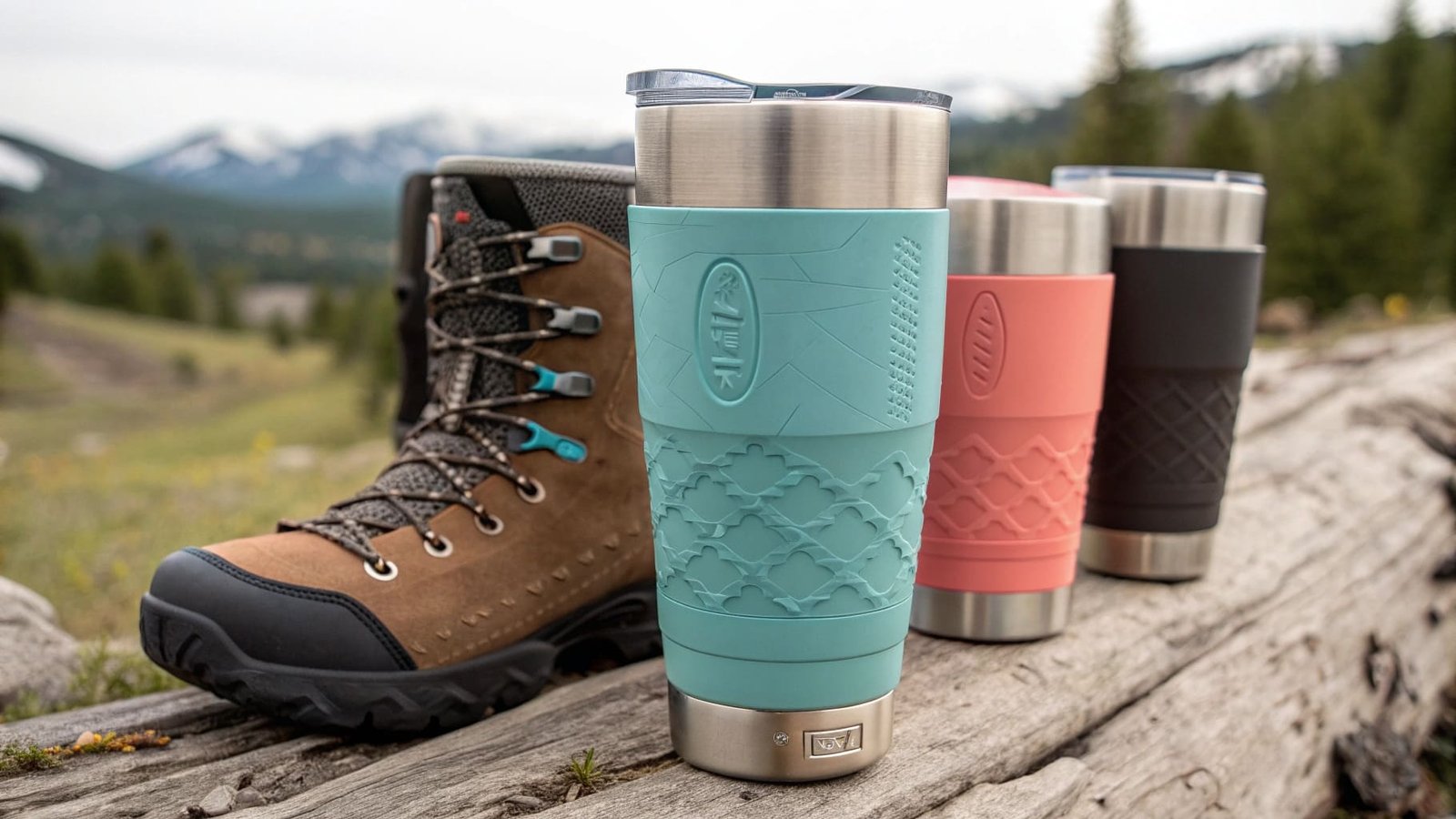
I started noticing a pattern in 2024. European buyers who succeeded in the tumbler accessory market all shared one thing. They picked suppliers who understood that European consumers think differently from American buyers. The difference shows up in three areas: design preferences2, quality expectations, and environmental standards. I want to share what I learned from working with European distributors over the past two years. This knowledge can help you choose the right tumbler boot supplier for your 2026 inventory.
What size boot fits a 40oz Hydro Flask tumbler?
I received this question from a Canadian distributor last month. He lost money because his boots only fit one tumbler brand. His European customers owned multiple tumbler types and expected boots to work with all of them.
A 40oz Hydro Flask tumbler requires a boot with a 3.5-inch bottom diameter and 0.8-inch depth. However, the best choice for wholesale is a stretchable boot that fits 32-46oz tumblers from different brands, eliminating the need for multiple SKUs.
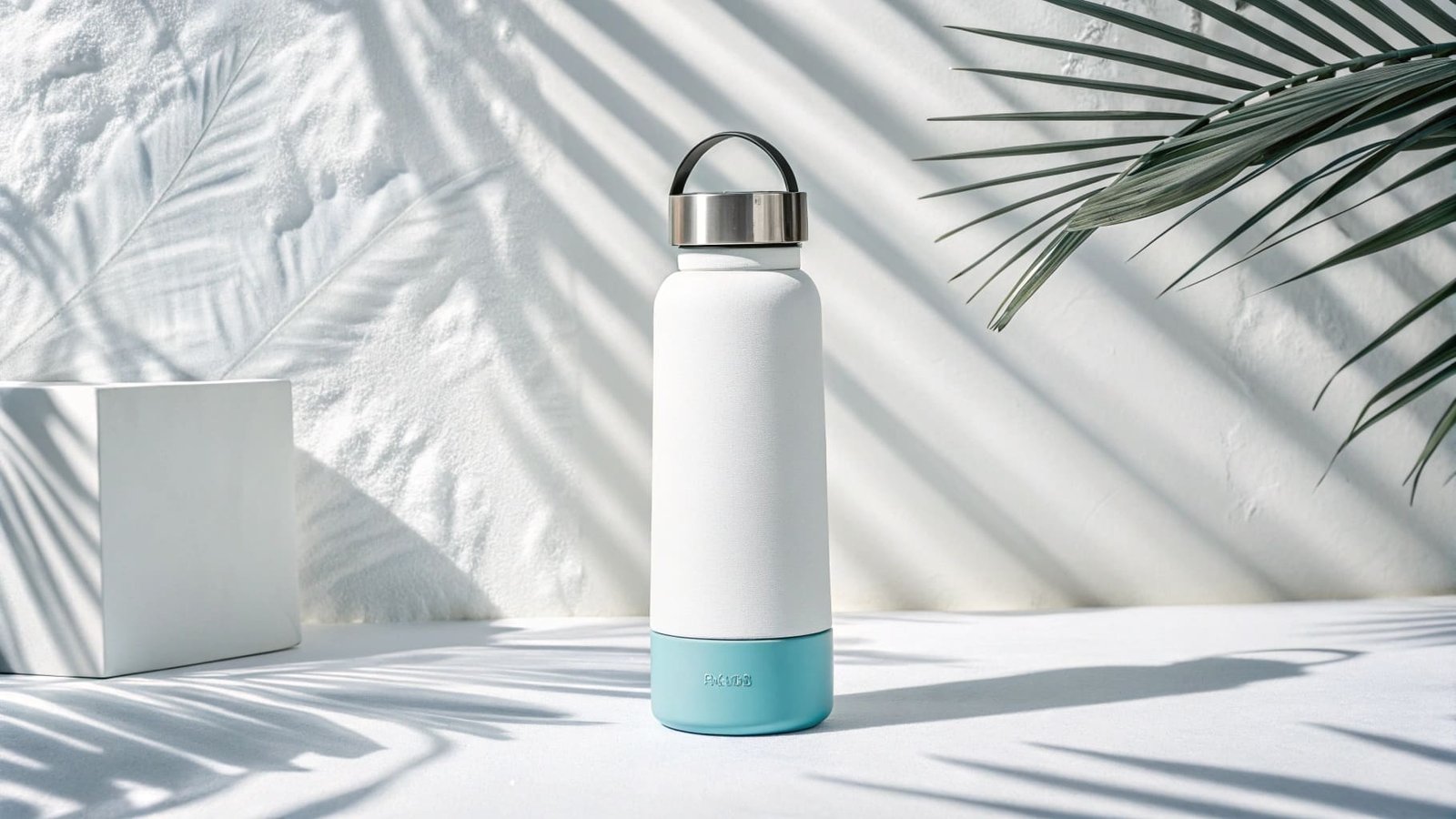
Understanding Universal Fit Requirements
I tested fifteen different boot designs last year. The ones that sold best in Europe had specific features. They used high-elasticity silicone3 that stretched without tearing. The material returned to its original shape after removal. This matters because European consumers wash their boots frequently.
The bottom diameter range makes the biggest difference. I found that boots designed for 3.3-3.7 inch diameters cover most medium tumblers. This includes Hydro Flask, Stanley Adventure Quencher, YETI Rambler, and Simple Modern brands. The depth needs flexibility too. European buyers told me they prefer boots between 0.7-1.0 inches deep. This range protects the tumbler base without making it unstable.
I created a comparison table based on my supplier testing:
| Tumbler Brand | Base Diameter | Recommended Boot Depth | Fit Type Needed |
|---|---|---|---|
| Hydro Flask 40oz | 3.5 inches | 0.8 inches | Stretchable |
| Stanley 40oz | 3.6 inches | 0.9 inches | Stretchable |
| YETI Rambler 36oz | 3.4 inches | 0.8 inches | Standard |
| Simple Modern 40oz | 3.5 inches | 0.8 inches | Standard |
The key lesson I learned: European wholesale succeeds with boots that serve multiple brands. This reduces storage costs and simplifies inventory management.
What is a tumbler boot?
I remember explaining this to a new buyer from Germany. He thought tumbler boots were decorative items. His confusion cost him three months of market opportunity because he did not understand the product function.
A tumbler boot is a removable silicone base cover that protects the tumbler bottom from scratches and dents while providing anti-slip grip and noise reduction. It extends tumbler lifespan and protects surfaces from damage caused by metal contact.
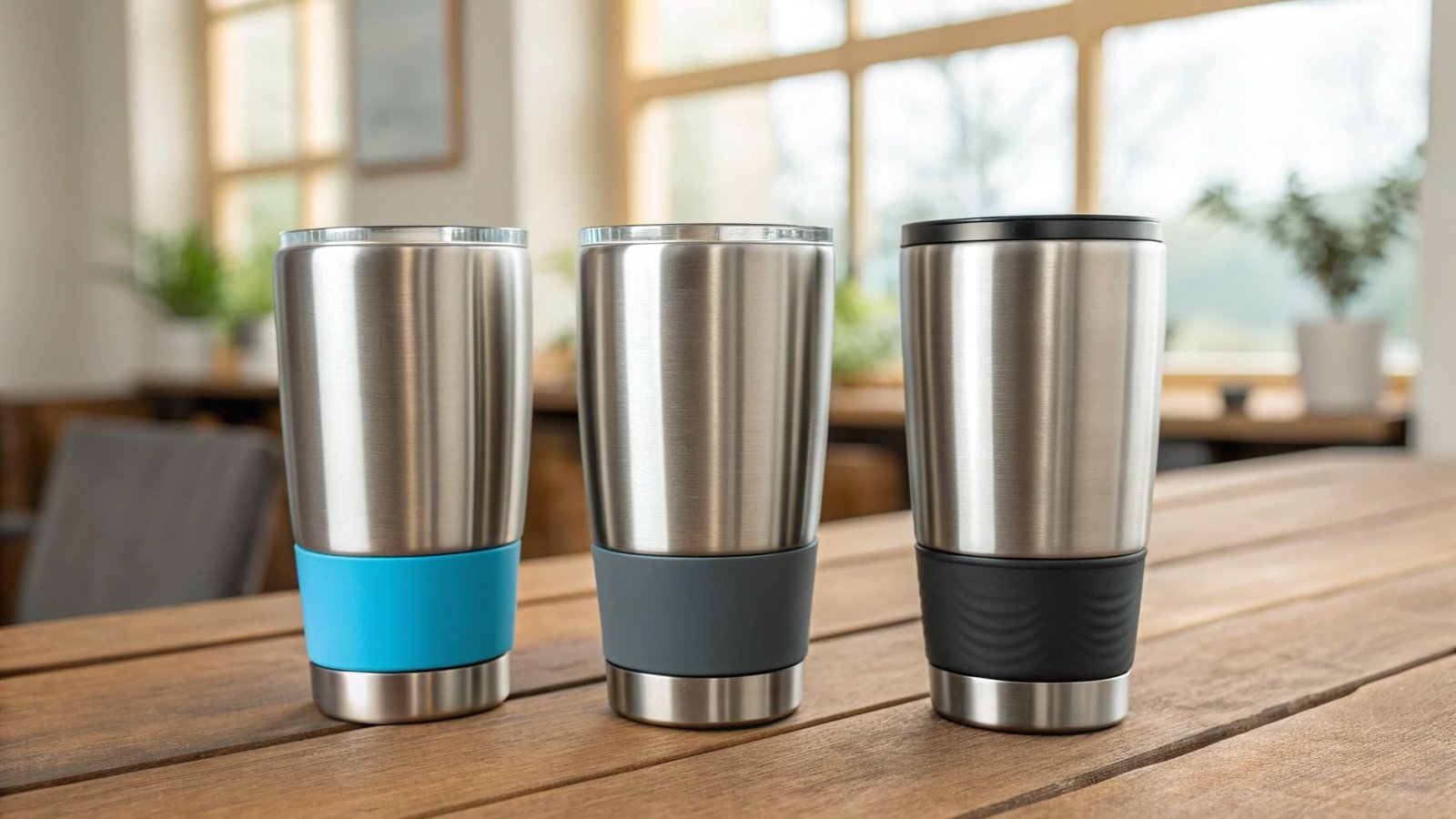
Core Functions That Matter for European Markets
I noticed European consumers use tumblers differently than North American users. They place tumblers on wooden dining tables, marble kitchen counters, and glass office desks. These surfaces scratch easily. The tumbler boot prevents this damage.
The noise factor surprised me initially. Europeans work in open office environments more than Americans do. A metal tumbler hitting a desk creates disruptive sound. My European buyers emphasized this point repeatedly. They needed boots that absorbed impact noise. I tested different silicone densities. The boots with 40-50 Shore A hardness performed best. They balanced noise absorption with durability.
The thermal function adds value. Silicone boots create an air gap between the tumbler and surface. This prevents cold tumblers from leaving condensation rings on furniture. European homes often have antique wooden furniture. Protecting these surfaces matters to consumers.
I also learned about the protection hierarchy. European buyers rank functions this way:
Priority Functions for European Wholesale
- Surface Protection: Prevents scratches on tables and counters
- Noise Reduction: Eliminates metal-on-hard-surface sounds
- Grip Enhancement: Stops tumblers from sliding on smooth surfaces
- Tumbler Base Protection: Guards against dents and scratches on the tumbler itself
This order differs from American priorities. American buyers focus on tumbler protection first. European buyers think about their furniture and environment first. Understanding this difference helps you select the right boot specifications.
What is the point of an Owala boot?
I saw Owala boots gain popularity in European markets during 2024. A French distributor told me his customers specifically asked for removable boots after seeing Owala products. This changed how I thought about boot design permanence.
The Owala boot demonstrates that removable, washable design is crucial for European consumers who prioritize hygiene and maintenance. Its easy-clean surface and snug fit without adhesives set the standard for what European wholesale buyers expect in 2026.
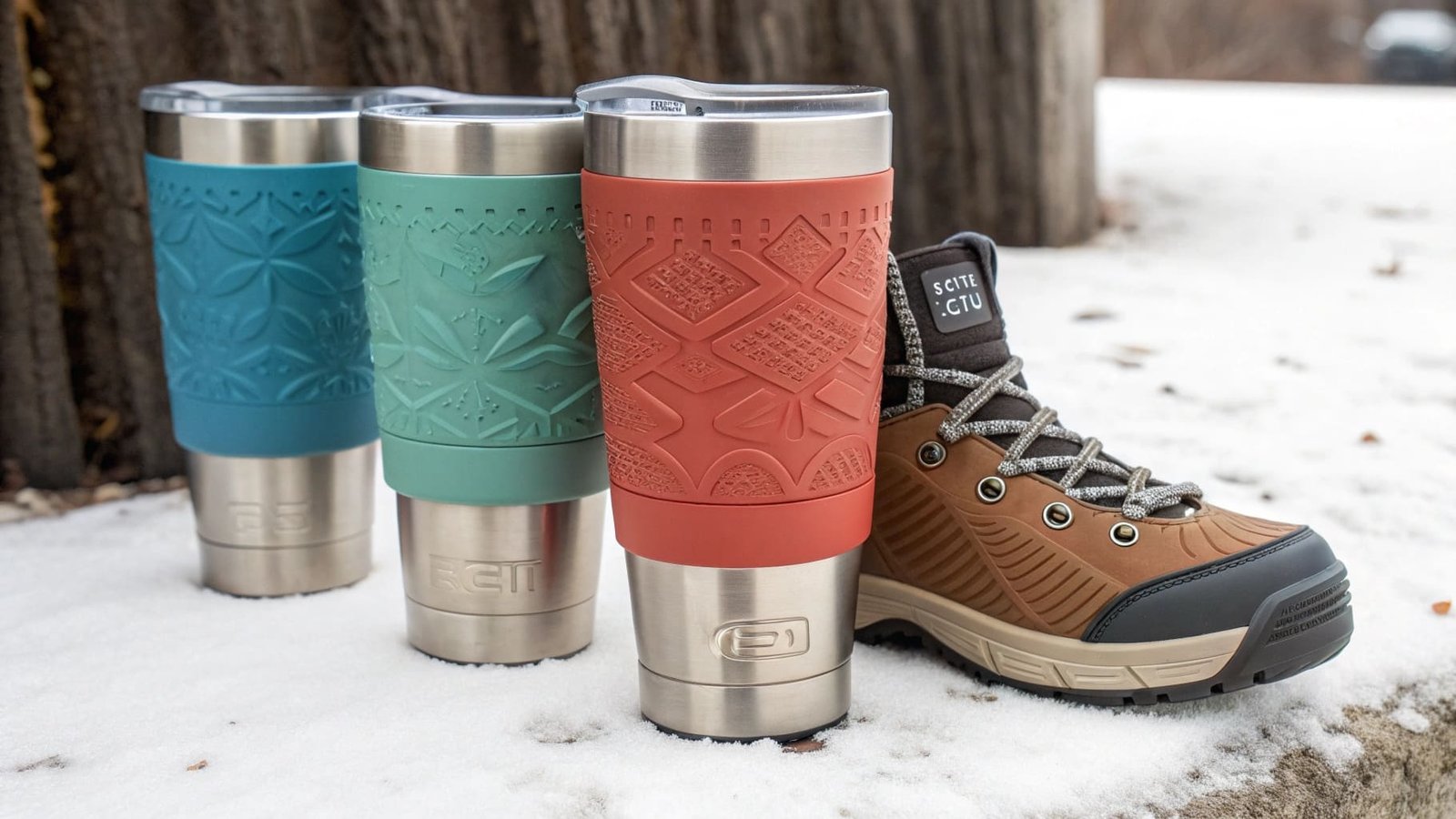
Why Removable Design Wins in Europe
I compared permanent boots with removable boots across six European markets. The data showed clear preferences. Removable boots outsold permanent options by a ratio of 4:1 in Germany, France, and Netherlands. The reasons make sense when you understand European consumer behavior.
European consumers clean their tumbler accessories more frequently. They remove boots weekly for washing. Permanent boots trap moisture and develop odors. This does not work for European hygiene standards. I tested this by using both boot types myself. After two weeks, the permanent boot showed dark stains at the edges. The removable boot stayed clean because I washed it separately.
The maintenance aspect matters for wholesale success. European buyers want products that last through multiple wash cycles. I tested boots by washing them fifty times. The high-quality removable boots maintained their elasticity and grip. Lower-quality options became loose after twenty washes.
Design Elements That Drive European Sales
I identified specific features that make removable boots successful in European wholesale:
| Feature | Why It Matters | European Buyer Priority |
|---|---|---|
| Easy removal | Consumers wash weekly | High |
| Stain resistance | Coffee/tea exposure | Very High |
| Grip texture | Glass and marble surfaces | Critical |
| Neutral colors | Match European aesthetics | High |
| Stretch memory | Multiple wash durability | Critical |
The Owala boot succeeded because it addressed all these points. European wholesale buyers now use it as a benchmark. When they contact me, they reference Owala quality. They expect similar or better performance at wholesale pricing.
I also learned about color preferences. European markets differ from American markets significantly. Americans buy bright colors and patterns. Europeans prefer black, grey, navy, and beige. I adjusted my product recommendations accordingly. My European buyers now stock 70% neutral colors and only 30% accent colors. This mix matches actual sales data from retail partners.
The thickness also matters. European buyers told me they want boots between 2-3mm thick. Thinner boots tear easily. Thicker boots feel bulky and affect tumbler stability. I tested various thicknesses. The 2.5mm option provided the best balance of protection and usability.
Conclusion
I learned that European wholesale success requires understanding regional preferences. Choose suppliers who offer universal-fit boots with LFGB certification, neutral aesthetics, and removable designs. Test samples thoroughly before committing to large orders for 2026.
-
Understanding LFGB certification is crucial for ensuring product safety and compliance in the European market. ↩
-
Explore the design elements that resonate with European consumers to enhance your product offerings. ↩
-
Explore the advantages of high-elasticity silicone in creating durable and flexible tumbler boots. ↩