What Are the Best Rectangular Weatherproof Gaskets for Bulk Electrical?
Last month, I watched a procurement officer reject an entire shipment because the gaskets failed testing. His electrical enclosures sat in the warehouse, and his team missed their installation deadline. This happens more than you think in bulk electrical projects.
The best rectangular weatherproof gaskets1 for bulk electrical use silicone material with precision die-cutting, NEMA ratings, and proven temperature resistance from negative forty to positive two hundred degrees Celsius. These gaskets prevent moisture ingress and maintain IP ratings throughout their service life.
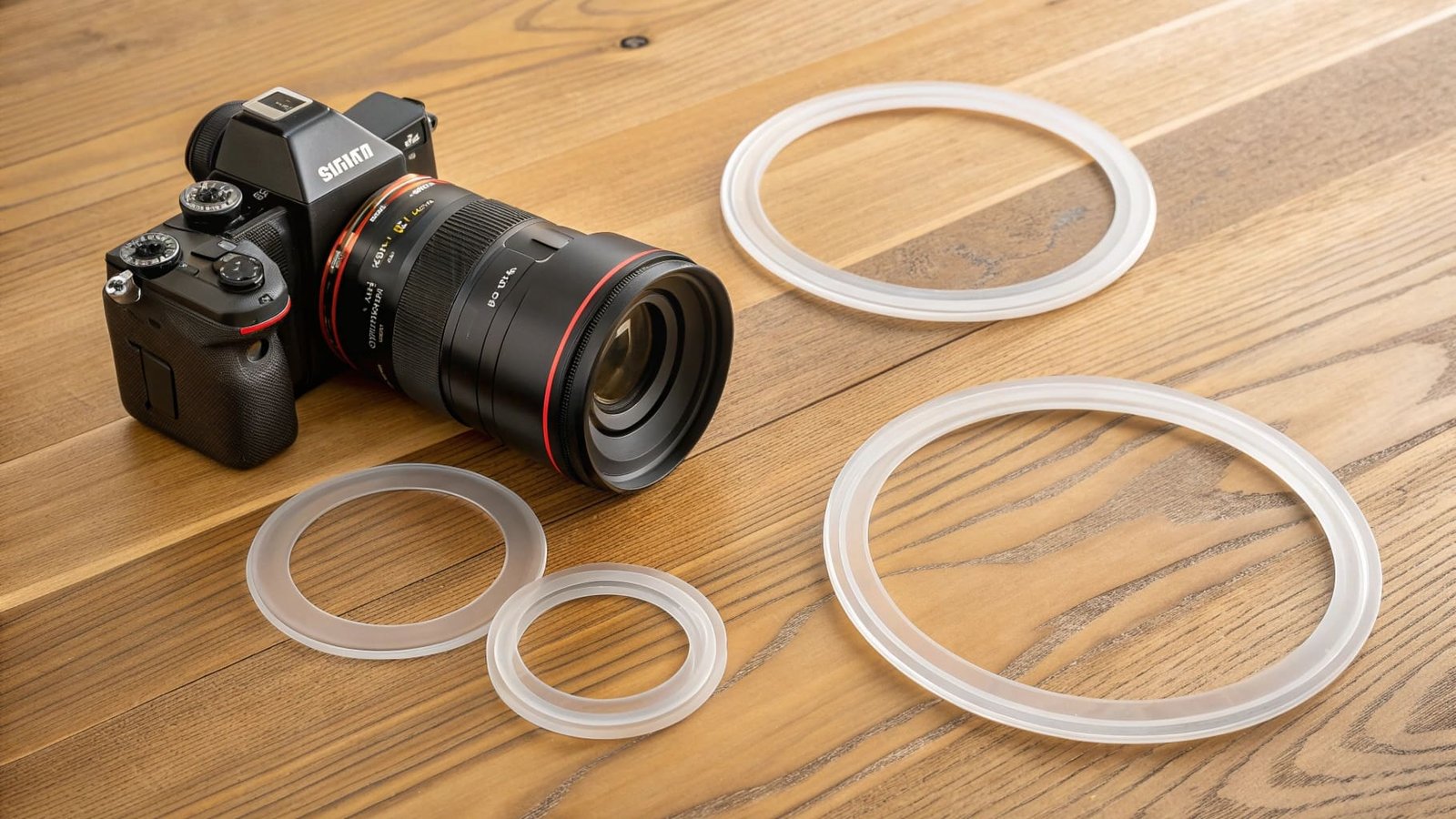
I have supplied gaskets to electrical distributors across North America for years. The buyers who succeed understand something simple. The gasket choice affects everything downstream. Equipment failures, callback costs, and project delays all trace back to this one component. Let me share what separates good gaskets from great ones in bulk electrical applications.
What is an electrical gasket?
You install electrical enclosures outdoors, and moisture finds every gap. Dust settles in connections. Contaminants destroy sensitive equipment. I have seen this pattern repeat across hundreds of installations.
An electrical gasket creates a barrier between enclosure components. It blocks moisture, dust, and contaminants from reaching sensitive equipment inside. The gasket maintains the IP rating and keeps the installation running in harsh conditions.
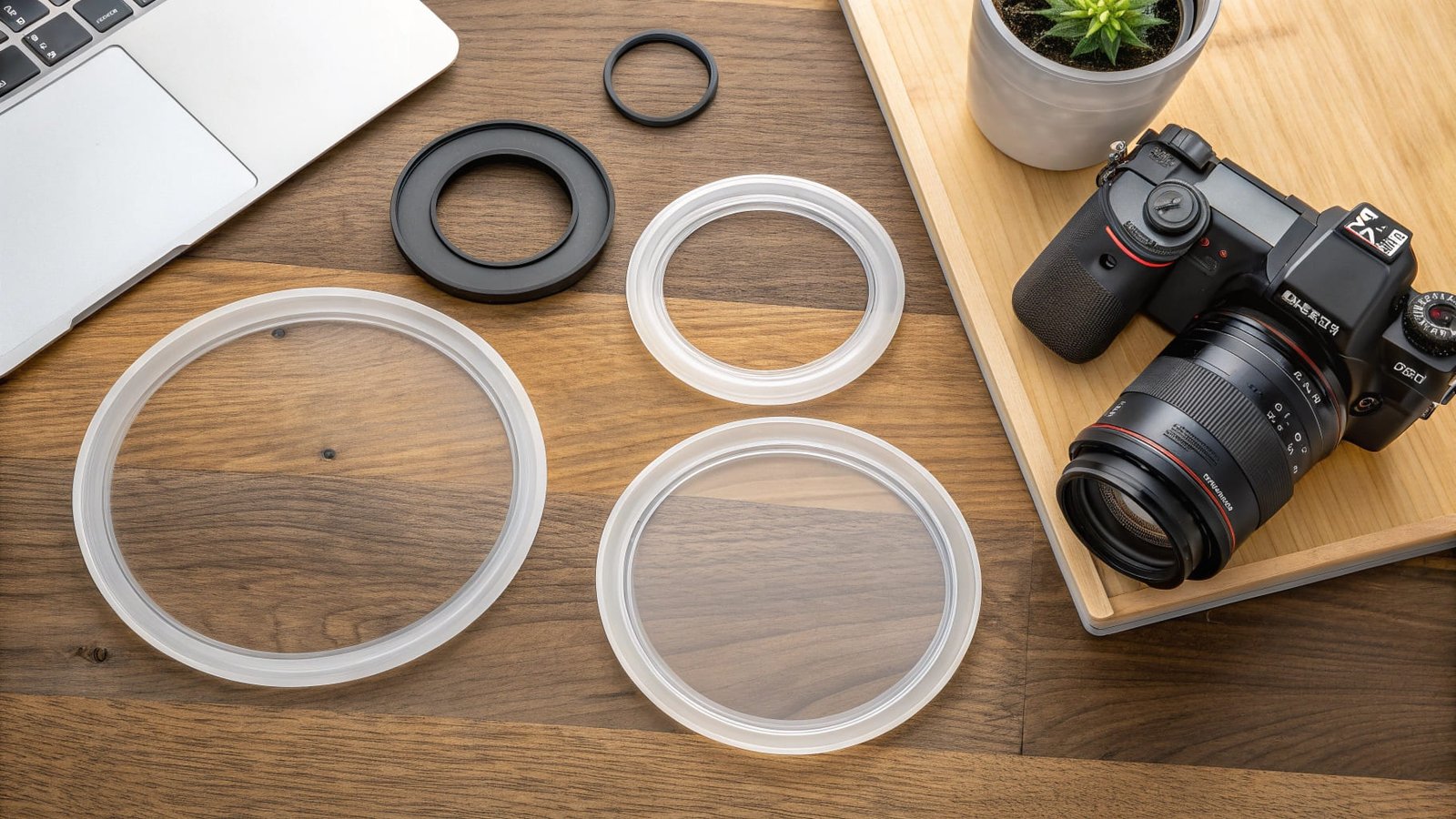
The Real Function Beyond Simple Sealing
I need to explain something that most technical specs skip. An electrical gasket does more than fill a gap. It maintains IP ratings that your customer promises to end users. It ensures regulatory compliance that keeps inspectors happy. It extends equipment lifespan in environments that destroy cheaper alternatives.
When I talk to B2B buyers like you, I focus on three properties that matter at scale. First, the gasket needs compression set resistance. This means it springs back after years of pressure. Second, it needs the right hardness level. Too soft and it tears. Too hard and it will not seal against imperfect surfaces. Third, it needs material compatibility2. The wrong gasket corrodes the housing.
Silicone gaskets have become my top recommendation for outdoor electrical work. They stay flexible when temperatures swing from freezing to scorching. They resist UV rays better than traditional rubber. They perform consistently whether you install them in an industrial plant or a commercial building.
Why Silicone Outperforms Traditional Materials
| Property | Silicone Gasket | Traditional Rubber | Cork |
|---|---|---|---|
| Temperature Range | -40°C to 200°C | -20°C to 80°C | -10°C to 60°C |
| UV Resistance | Excellent | Poor | Very Poor |
| Moisture Absorption | Minimal | Low | High |
| Service Life | 10+ years | 3-5 years | 1-2 years |
I remember a customer who switched from rubber to silicone. His callback rate dropped by seventy percent in the first year. The initial cost per gasket went up by thirty percent. His total cost went down because his crews stopped making emergency service calls.
What company makes the best gaskets?
Brand names sound good in marketing materials. They mean nothing when your shipment arrives and quality varies. I have seen famous brands deliver inconsistent products across bulk orders. This creates problems for buyers managing large installations.
The best gasket manufacturer demonstrates five critical capabilities. They provide material certifications, offer customization for non-standard sizes, maintain quality control across bulk orders, supply technical support3, and deliver reliably without delays.
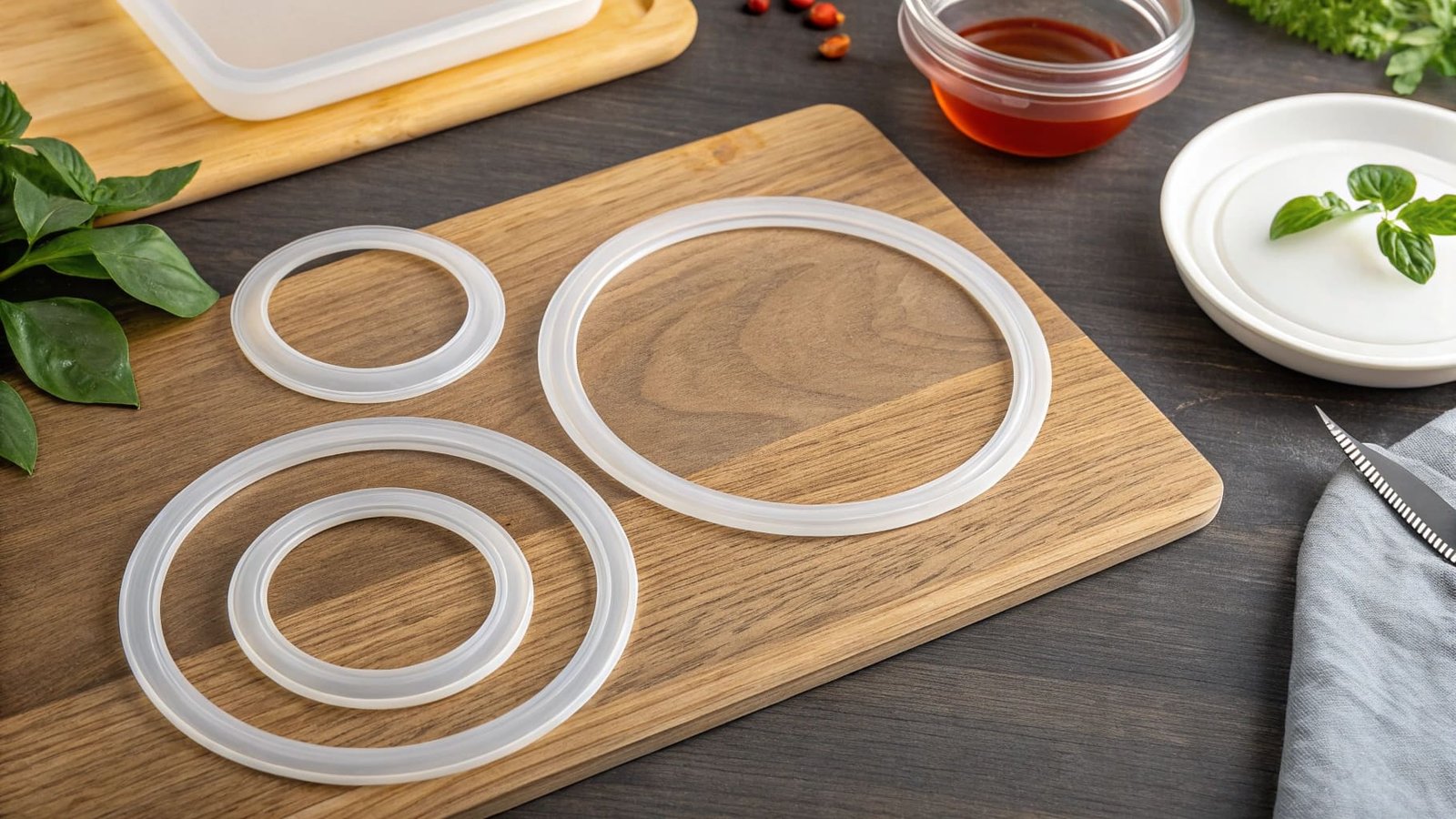
The Five Capabilities That Matter
I evaluate suppliers every day. The ones who succeed in bulk electrical markets share specific traits. They do not just make gaskets. They solve supply chain problems.
First capability is material certification. I provide ISO 9001 certification to my customers. I also give them material test reports. These reports show compression set data and temperature resistance numbers. You need these documents when your quality team asks questions.
Second capability is customization capacity. Rectangular weatherproof gaskets come in many sizes. Your electrical enclosures have specific dimensions. The supplier needs precision die-cutting services. They need multiple durometer options. I keep dies for common sizes and can create new ones for custom projects.
Third capability is consistent quality control. One good batch means nothing. You need every batch to meet specs. I test samples from each production run. My customers receive certificates of conformance with their shipments.
Fourth capability is technical support3. Your engineers sometimes need help with application questions. Can this gasket handle saltwater exposure? Will it work at high altitude? I have answered hundreds of these questions. The best suppliers employ people who understand electrical installations.
Fifth capability is supply chain reliability. I maintain inventory depth for common sizes. This supports large-scale installations without delays. When you place a bulk order, you need confidence that the gaskets arrive when promised.
Understanding Total Cost of Ownership
| Cost Factor | Premium Gasket | Budget Gasket |
|---|---|---|
| Initial Price per Unit | Higher | Lower |
| Service Life | 10+ years | 2-3 years |
| Callback Rate | Under 5% | Over 30% |
| Replacement Labor Cost | Rare | Frequent |
| Total Cost Over 10 Years | Lower | Significantly Higher |
I tell buyers to calculate beyond purchase price. Premium gaskets prevent callbacks. They stop equipment failures. They cost less over time than budget options requiring frequent replacement. This math changes how smart buyers make decisions.
Are cork or rubber gaskets better?
This question comes up in every bid discussion. Buyers compare materials trying to save money. I understand the pressure to reduce costs. But this comparison misses the real issue in weatherproof electrical applications.
Cork gaskets work for indoor applications with stable conditions. Rubber gaskets offer better moisture resistance than cork. Silicone rubber gaskets4 provide the optimal solution for bulk electrical weatherproofing because they combine sealing properties with exceptional environmental resistance.
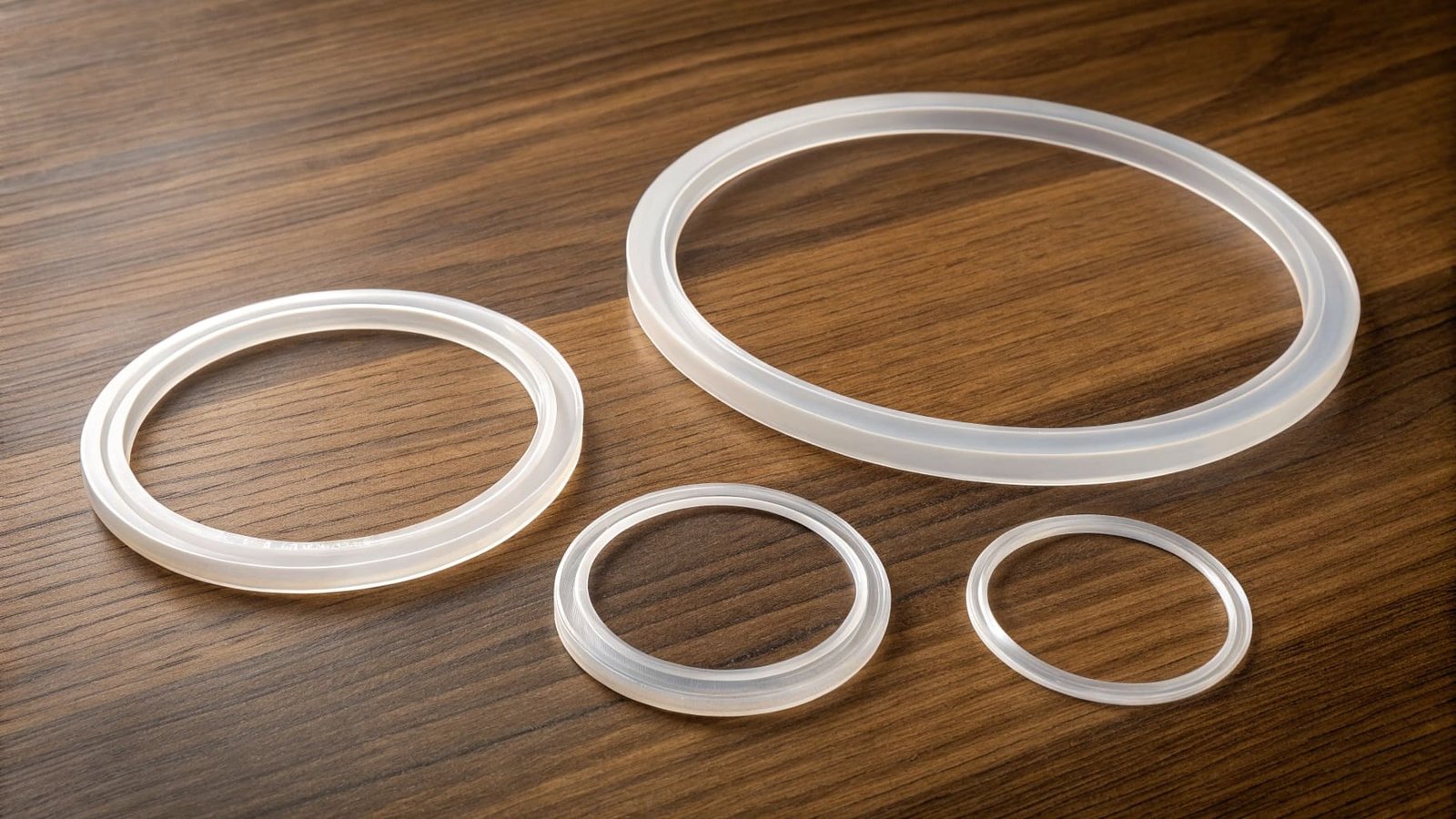
Material Performance Under Real Conditions
Cork gaskets fail in outdoor electrical enclosures. I have seen this happen repeatedly. Cork absorbs moisture. It swells. It degrades. The enclosure loses its IP rating within months. Your equipment gets wet. Your customer calls angry.
Traditional rubber compounds perform better than cork. They resist moisture better. But they have limits. Temperature swings make rubber brittle. UV exposure causes cracking. Ozone in urban environments degrades the material. The gasket fails after two or three years.
Silicone rubber gaskets solve these problems. They operate reliably from negative forty to positive two hundred degrees Celsius. I have installed these gaskets in Canadian winters and Arizona summers. They maintain elasticity throughout their service life. They resist ozone and UV degradation. They do not absorb water.
The Material Decision Impact on Operations
Let me share a story. I worked with a distributor who supplied electrical enclosures to a utility company. They used rubber gaskets to hit a price point. Within eighteen months, service calls skyrocketed. Crews drove hundreds of miles to replace failed gaskets. The labor cost alone exceeded the price difference between rubber and silicone by a factor of ten.
The distributor switched to silicone gaskets. Service calls dropped. Customer satisfaction improved. They won a larger contract the next year because their reliability record stood out.
Material Selection Framework
| Selection Criteria | Cork | Traditional Rubber | Silicone Rubber |
|---|---|---|---|
| Outdoor Weatherproofing | Not Suitable | Limited | Excellent |
| Temperature Cycling | Poor | Fair | Excellent |
| UV Resistance | Poor | Fair | Excellent |
| Moisture Resistance | Poor | Good | Excellent |
| Service Life in Electrical | Under 1 year | 2-3 years | 10+ years |
| Initial Cost | Lowest | Medium | Higher |
| Total Cost of Ownership | Highest | Medium | Lowest |
Material selection affects maintenance costs and system reliability. The initial price difference becomes insignificant when you calculate equipment downtime costs. Field service calls cost hundreds of dollars each. Premature gasket replacement means crews, trucks, and lost productivity.
I help buyers align material choice with installation environment. You need to consider expected service life. You need to understand total cost of ownership. The purchase price alone leads to poor decisions.
Conclusion
The best rectangular weatherproof gaskets combine silicone material, precision manufacturing, and supplier reliability. Choose based on environmental demands and total cost, not just initial price. Your bulk electrical projects deserve components that prevent failures rather than cause them.
-
Explore this link to discover top-rated gaskets that ensure moisture protection and durability for electrical installations. ↩
-
Discover how the right material compatibility can prevent corrosion and ensure gasket performance. ↩
-
Find out how technical support can assist in choosing the right gaskets for specific applications. ↩ ↩
-
Explore the pros and cons of rubber gaskets compared to silicone alternatives. ↩