What Are the Key Differences Between Rubber and Silicone Gasket Wholesale?
Last month, I lost a major client because I recommended rubber gaskets for their food processing line. The gaskets failed inspection. I learned my lesson the hard way.
Silicone gaskets handle extreme temperatures (-60°C to 230°C) and meet FDA standards. Rubber gaskets1 cost 30-50% less but fail above 100°C. Your choice depends on your application requirements, budget constraints, and industry compliance needs.
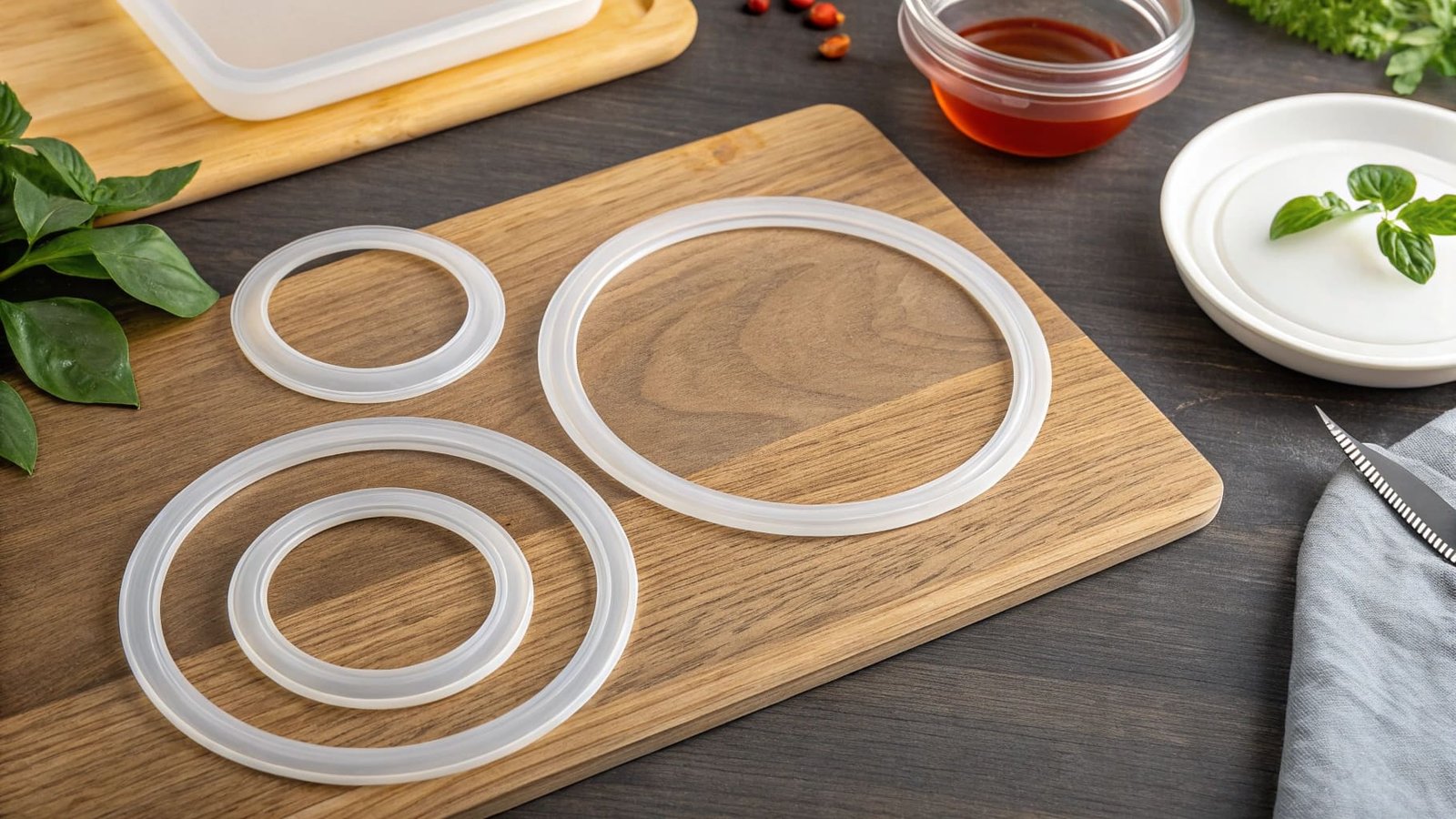
I've spent the last three years sourcing gaskets from suppliers across China and Vietnam. Most buyers I work with make the same mistake. They ask "which is better" instead of "which fits my needs." The answer changes everything about your wholesale purchasing strategy.
Are Silicone Gaskets Better Than Rubber?
You walk into a supplier's showroom. They push silicone gaskets hard. The sales pitch sounds convincing. But better for what exactly? This question keeps me up at night.
Silicone gaskets outperform rubber in temperature resistance and FDA compliance2. They maintain flexibility in extreme conditions. However, rubber gaskets offer superior tensile strength and better oil resistance. Neither material is universally better.
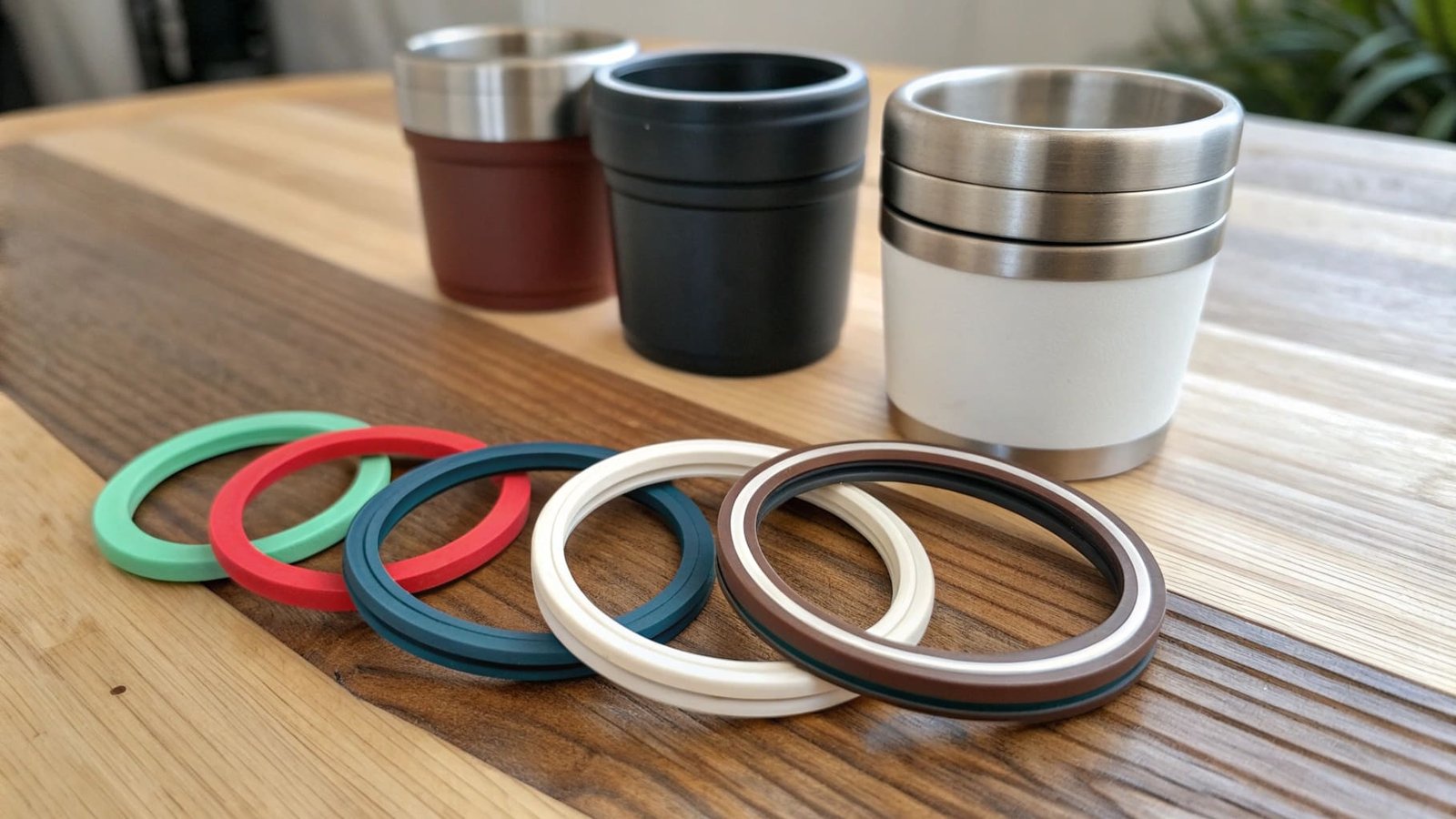
Performance Comparison by Application
I've tested both materials in real client scenarios. The results surprised me every time.
Silicone gaskets3 work best when you need consistent performance across temperature ranges. I've seen them maintain their seal at -40°C in Canadian winters and hold up in steam applications at 200°C. The material doesn't crack or become brittle like rubber does. This matters when your production line can't afford downtime.
Rubber gaskets win in different situations. My clients in the automotive aftermarket prefer them for engine compartments exposed to motor oil. The material handles petroleum products without swelling or degrading. Silicone would fail within weeks in the same environment.
Here's what I track when evaluating materials:
| Property | Silicone Gaskets | Rubber Gaskets |
|---|---|---|
| Temperature Range | -60°C to 230°C | -40°C to 100°C |
| Oil Resistance | Poor | Excellent |
| UV Resistance | Excellent | Poor to Fair |
| Cost per Unit | Higher (30-50% premium) | Lower |
| Tensile Strength | Lower (5-8 MPa) | Higher (10-25 MPa) |
| FDA Compliance | Yes | Varies by compound |
The wholesale pricing tells its own story. I pay $0.80 to $1.50 per silicone gasket depending on size. The same rubber gasket costs $0.50 to $0.90. Your profit margins shift dramatically based on this choice.
What Are the Disadvantages of Silicone Gaskets?
I recommended silicone gaskets to a new client last year. They installed them in a high-pressure hydraulic system. The gaskets tore within two weeks. The client was furious with me.
Silicone gaskets have lower tear resistance and poor petroleum oil compatibility. They cost significantly more than rubber alternatives. The material also requires careful installation due to its softer nature and reduced mechanical strength compared to many rubber compounds.
Critical Limitations You Need to Know
I've learned these disadvantages through expensive mistakes. Some cost me clients. Others cost me sleep.
The tensile strength issue hits first. Silicone typically ranges from 5 to 8 MPa. EPDM rubber reaches 10 to 15 MPa. Nitrile rubber pushes 15 to 25 MPa. This matters in high-pressure applications. I had a client using silicone gaskets in a pneumatic system at 150 PSI. The gaskets stretched and leaked. We switched to nitrile rubber. The problem disappeared.
Chemical compatibility creates real problems. Silicone performs poorly against petroleum oils, gasoline, and most hydrocarbon solvents. The material swells and loses its sealing properties. I've seen silicone gaskets expand by 30% when exposed to motor oil for just 72 hours. This makes them unsuitable for most automotive fluid applications.
The cost factor affects your bottom line directly. I source silicone gaskets at wholesale prices 30% to 50% higher than comparable rubber gaskets. Your retail markup needs to account for this. Some buyers can't absorb the difference. Their customers won't pay the premium. They choose rubber by default.
Installation challenges surprise many buyers. Silicone's softness makes it prone to damage during assembly. I've had warehouse teams accidentally tear silicone gaskets with standard installation tools. We had to retrain the entire crew on gentle handling procedures. This added hidden costs to the project.
What Is the Difference Between Rubber and Silicone?
I stood in a factory last month explaining materials to a frustrated buyer. He couldn't understand why his "rubber" gaskets were failing. They weren't actually rubber at all. They were silicone.
Rubber is natural or synthetic polymer from petroleum or latex sources. Silicone is synthetic polymer made from silicon, oxygen, and other elements. Rubber offers better mechanical strength and oil resistance. Silicone provides superior temperature stability and biocompatibility for food and medical applications.
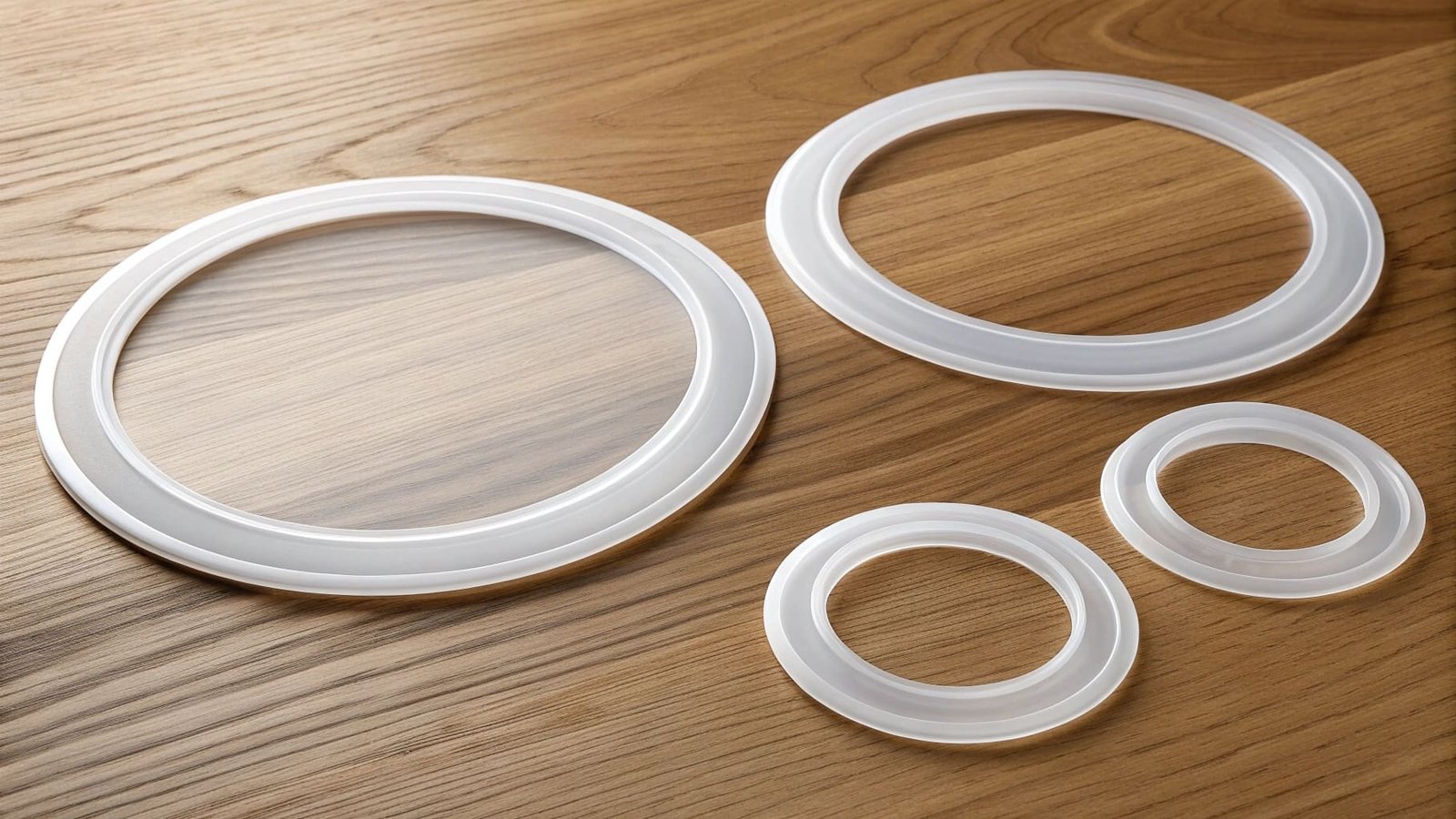
Chemical Structure and Manufacturing
The molecular difference changes everything about how these materials perform. I need to understand this to source correctly.
Rubber comes from two main sources. Natural rubber derives from latex harvested from rubber trees. Synthetic rubbers like EPDM, nitrile, and neoprene come from petroleum-based chemicals. The carbon-carbon bonds in rubber's molecular chain create strong mechanical properties. This gives rubber its excellent tensile strength and tear resistance.
Silicone has a completely different backbone. The molecular chain alternates between silicon and oxygen atoms. This creates a more flexible, stable structure. The silicon-oxygen bonds resist temperature extremes better than carbon-carbon bonds. This explains why silicone maintains flexibility at -60°C while rubber becomes rigid.
Manufacturing processes differ significantly:
| Aspect | Rubber Production | Silicone Production |
|---|---|---|
| Raw Material | Latex or petroleum compounds | Silica, methyl chloride |
| Processing Temperature | 140°C to 180°C | 150°C to 200°C |
| Curing Method | Sulfur vulcanization | Platinum or peroxide cure |
| Production Speed | Faster | Slower |
| Quality Control Needs | Standard | More stringent |
I've visited factories making both materials. Rubber production runs faster. The curing time is shorter. This makes rubber gaskets cheaper to manufacture in volume. Silicone requires more careful temperature control and longer curing cycles. These factors drive up your wholesale costs.
The physical properties split along predictable lines. Rubber feels firmer. It has higher durometer ratings typically ranging from 40 to 90 Shore A. Silicone usually measures 20 to 70 Shore A. You can compress silicone more easily. This affects how the gaskets perform under clamp load.
Chemical resistance patterns differ completely. I keep a reference chart for this. Rubber compounds resist petroleum products, mineral oils, and most hydrocarbons effectively. Silicone resists acids, bases, and oxidizing chemicals better. Neither material handles everything well. You must match the material to your specific chemical environment.
Regulatory compliance creates another division. Silicone easily meets FDA requirements for food contact. The material doesn't leach harmful substances. Most rubber compounds need special formulations to achieve FDA compliance. This adds cost and complexity. If you're sourcing for food processing or pharmaceutical applications, silicone becomes the default choice despite higher prices.
Conclusion
I choose materials based on application requirements now, not supplier recommendations. Silicone suits temperature extremes and FDA compliance. Rubber handles oil exposure and high-pressure environments. Match your wholesale gasket choice to your actual operating conditions and profit margins.
-
Learn about the benefits of rubber gaskets, particularly their oil resistance and tensile strength, to understand their applications better. ↩
-
Discover the importance of FDA compliance for gaskets in food processing and medical applications to ensure safety and quality. ↩
-
Explore the advantages of silicone gaskets, especially in extreme temperatures and FDA compliance, to make informed purchasing decisions. ↩