What Are the Lead Times for Custom PVC and Silicone Zipper Pulls?
You have a product launch deadline approaching. Your designer just finalized the zipper pull design. Now you are panicking because you do not know how long production will take.
Standard custom zipper pulls1 with existing molds need 7-15 days for production. Fully custom projects requiring new tooling take 25-35 days. Silicone pulls need 2-3 extra days compared to PVC because of the vulcanization curing process.
I have seen buyers miss their entire sales season because they did not understand these timelines. Last year, a Canadian distributor contacted me in early November for holiday orders. He thought everything could ship in two weeks. I had to explain the reality. He ended up losing that quarter's revenue. This happens more often than you would think.
How to Size a Replacement Zipper Pull?
Your customer returned a batch of jackets. The zipper pulls you ordered look great but they do not fit. You measured the wrong dimensions and now you have 5000 useless pieces.
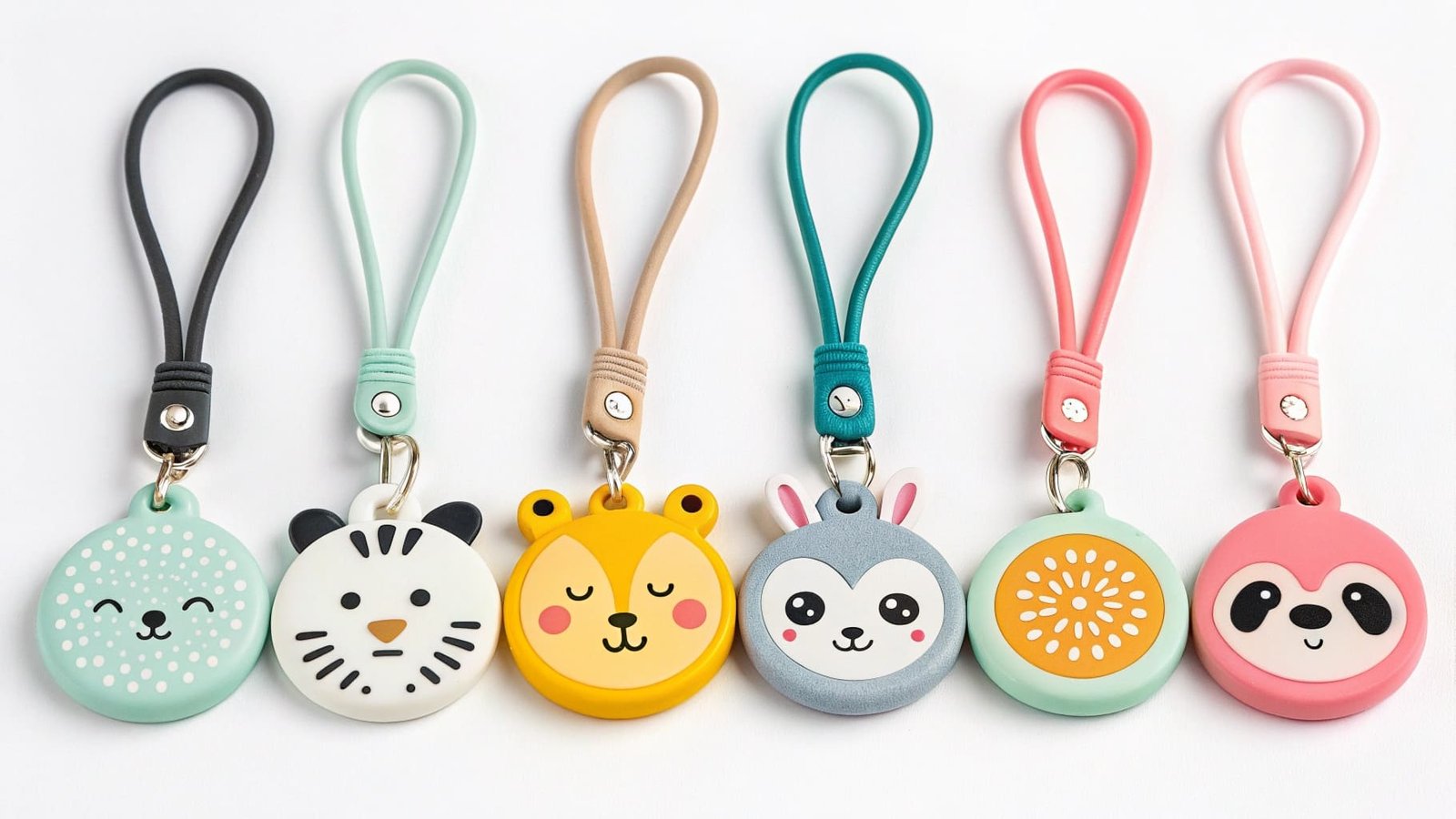
You need three measurements for proper sizing: attachment loop diameter (3-5mm for garments, 6-8mm for luggage), pull body dimensions, and total length. Match these to your zipper tape gauge using compatibility charts from your supplier.
Understanding the Three Critical Measurements
The attachment loop diameter matters most. I measure this first when buyers send me samples. Many new buyers focus on the visual design. They forget that the loop must slide onto the zipper slider without forcing. Garment zippers use smaller loops. Luggage and heavy-duty bags need larger ones.
| Product Type | Loop Diameter | Typical Pull Length | Common Zipper Gauge |
|---|---|---|---|
| Clothing | 3-5mm | 30-50mm | #3, #5 |
| Bags | 5-7mm | 40-70mm | #5, #8 |
| Luggage | 6-8mm | 50-90mm | #8, #10 |
| Outdoor Gear | 5-8mm | 40-80mm | #5, #8, #10 |
Pull body dimensions affect grip comfort. I learned this from a mistake years ago. A buyer wanted thin, minimalist pulls. They looked modern and clean. But users could not grip them with gloves on. The product failed in the market.
Total length creates the dangling effect. Longer pulls work better for frequently used zippers. Shorter ones suit aesthetic applications where the pull stays tucked away. I recommend testing samples on actual products before ordering thousands of pieces.
Is Silicone Lubricant Good for Zippers?
Your waterproof jacket zippers stopped working smoothly. Someone told you to use silicone spray. Now you have sticky residue everywhere and the problem got worse.
Silicone lubricants work well for metal and plastic zippers but create residue on waterproof zippers with PU coatings. Silicone zipper pulls have natural lubricity built in. They reduce friction without additional treatment.
Material Compatibility and Lubrication Properties
I test all my silicone pulls for Shore A hardness. The range sits between 40-60A. This provides durability while keeping operation smooth. Too soft means the pull wears out fast. Too hard means it scratches the zipper tape.
The natural lubricity comes from the molecular structure of silicone. The material has a low coefficient of friction. This means surfaces slide past each other easily. You do not need to add anything extra. I have seen buyers try to "improve" the performance with spray lubricants. They end up attracting dust and dirt.
Waterproof zippers need special attention. The PU coating reacts badly with petroleum-based and silicone-based lubricants. The coating can degrade or become sticky. I learned this from a camping gear manufacturer. He returned a batch because his maintenance instructions included silicone spray. The spray damaged his waterproof zippers.
For silicone zipper pulls specifically, proper manufacturing matters more than lubrication. If the curing process is incomplete, the material stays tacky. This feels like it needs lubricant but the problem is production quality2. I cure all my silicone products for the full recommended time. No shortcuts.
How to Tell if a Zipper Pull Is High Quality?
You received samples from three suppliers. They all look similar. You chose the cheapest option. Six months later, your customers are complaining about broken pulls and color changes.
Quality zipper pulls show four characteristics: consistent material with no color variation or porosity, attachment strength above 15kg in pull force testing, dimensional accuracy within 0.2mm tolerance, and proper curing with no tackiness on silicone.
The Four-Point Quality Inspection Method
Material consistency tells you about production control. I check every batch for color matching. Porosity indicates improper mixing or air bubbles in the mold. These weak points lead to premature failure. You can spot porosity by looking closely at the surface. Quality pulls have uniform, smooth surfaces.
Attachment strength testing requires equipment. I pull test random samples from each production run. The loop-to-body connection should withstand at least 15kg of force. Most clothing applications only need 5-8kg. But the safety margin prevents warranty claims. I saw a luggage brand face lawsuits because their pulls broke during normal use.
Dimensional accuracy affects fit and function. I use digital calipers for measurements. Good manufacturers maintain 0.2mm tolerance. This ensures consistent assembly on your production line. Loose tolerances mean some pulls fit perfectly while others are too tight or too loose.
Proper curing applies mainly to silicone products. Touch the surface of the pull. It should feel dry and smooth. Any tackiness means incomplete curing. The material will attract dust and degrade faster. I extend curing time in humid weather because moisture affects the vulcanization process.
Compliance Documentation
European buyers ask me for REACH compliance and phthalate-free certifications. These matter especially for children's products. The regulations keep changing. I update my certifications annually. Some buyers only check this after receiving customer complaints. That creates expensive problems.
Many suppliers claim compliance but cannot provide proper documentation. I keep test reports from accredited laboratories. The reports show specific phthalate compounds tested. Generic statements about "eco-friendly" or "safe" mean nothing without data.
Conclusion
Lead times for custom zipper pulls depend on mold requirements and material choice. Proper sizing prevents compatibility issues. Quality assessment protects your brand reputation and ensures regulatory compliance.