What Are the Minimum Order Quantities for Custom Rubber Zipper Pulls?
You need custom zipper pulls for your product line. But the supplier tells you the minimum order is 2,000 pieces. You feel stuck. Is this normal?
Most manufacturers set MOQs between 500 to 3,000 pieces per design. This happens because custom molds1 cost money. Production setup takes time. These factors push suppliers to require larger orders to stay profitable.
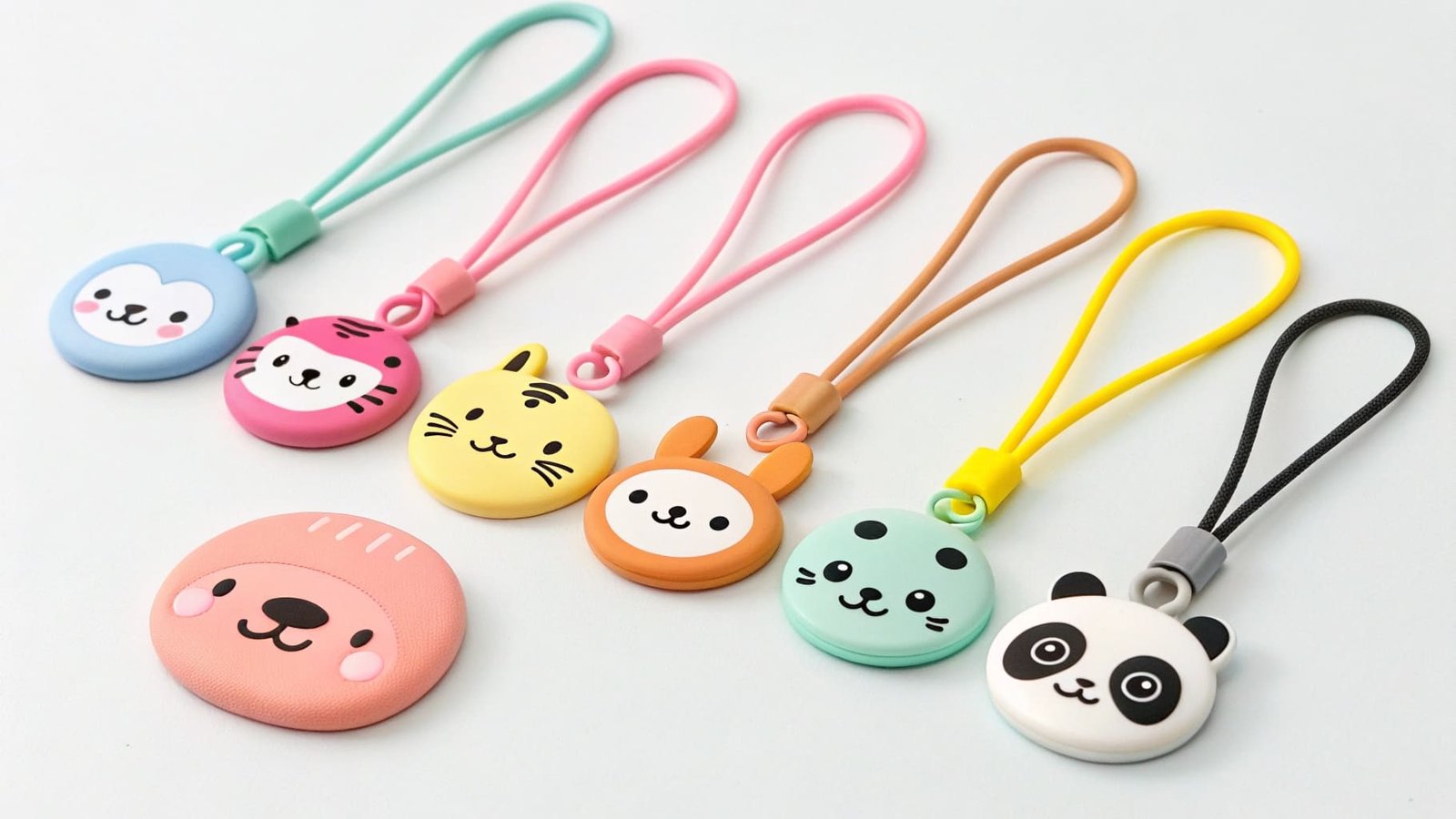
I work with buyers like you every day at silijoy. I see the same concern repeatedly. You want to test the market with smaller quantities. But custom manufacturing does not work that way. The economics are clear. A custom mold costs $200 to $800. This is just the beginning. Production setup adds more costs. Material waste during testing runs adds even more. Small orders cannot absorb these fixed costs. Let me break down what you need to know.
How to make custom zipper pulls?
You want a unique zipper pull for your brand. The process seems complicated. Where do you even start?
The custom manufacturing process2 has five main steps. First comes design finalization. Then mold tooling begins. After that, material selection happens. Production runs follow. Finally, quality inspection3 completes the cycle.
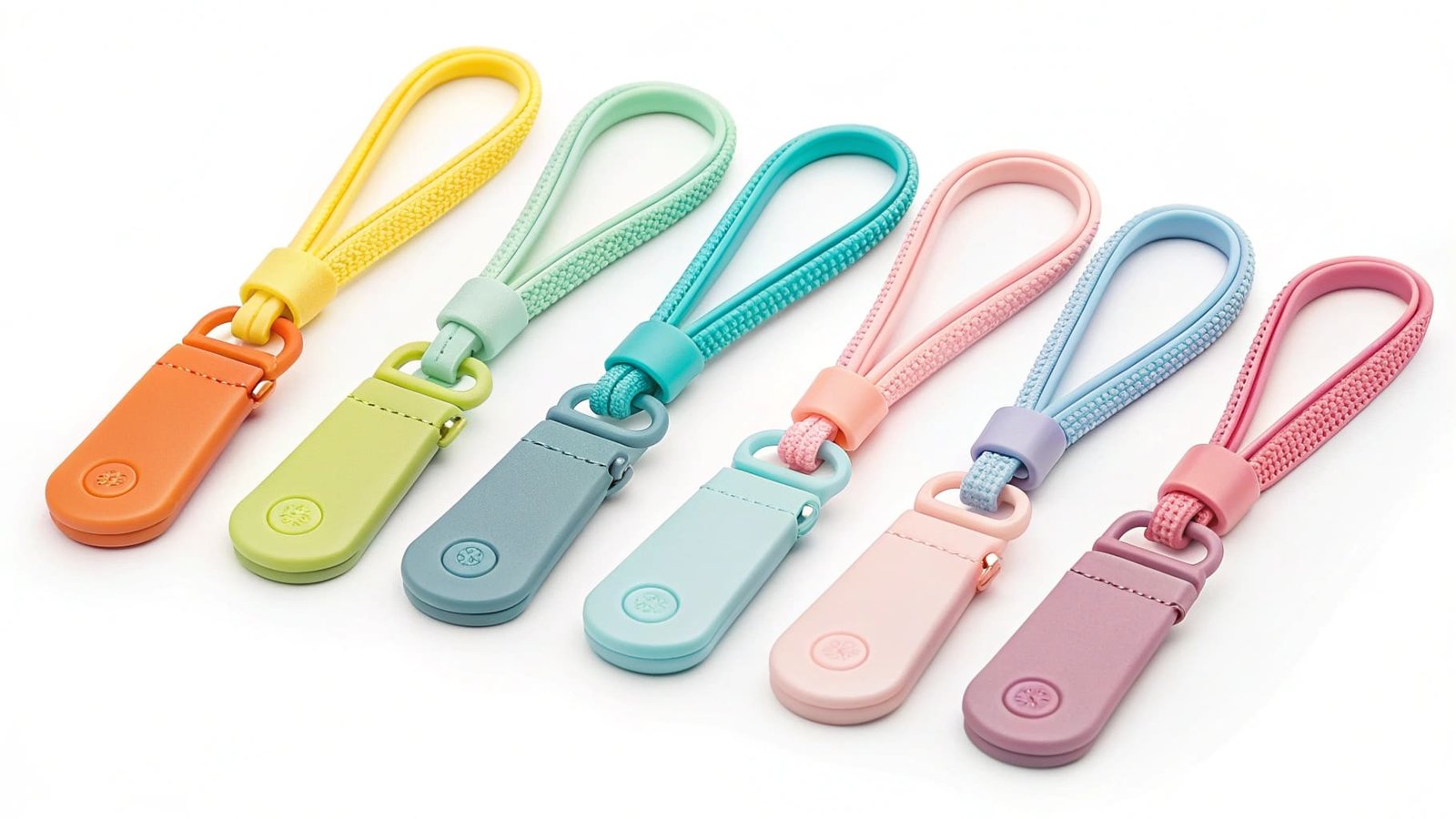
The Complete Manufacturing Process
I guide buyers through this process monthly. The design phase is critical. You send me your concept. I review it for manufacturability. Many designs look good on paper. They fail in production. Sharp corners wear molds faster. Undercuts make demolding impossible. Thin sections tear easily.
Mold tooling takes 15 to 25 days. My factory uses aluminum molds for most projects. Steel molds work better for orders over 50,000 pieces. The mold cost depends on complexity. A simple round pull costs $200. A multi-part design with logos and textures costs $800.
Material selection matters more than buyers think. Standard silicone works for most applications. Food-grade silicone costs 20% more. It passes FDA testing4. Some buyers need UV-resistant materials. These cost another 15% more. I always recommend discussing your actual use case. This prevents costly material changes later.
| Production Stage | Timeline | Key Consideration |
|---|---|---|
| Design Review | 2-3 days | Manufacturability check |
| Mold Creation | 15-25 days | Aluminum vs steel choice |
| Sample Production | 3-5 days | Color and fit approval |
| Bulk Production | 10-20 days | Volume dependent |
| Quality Check | 2-3 days | Standards compliance |
Production runs start after sample approval. My team produces 3 to 5 samples first. You check the size. You verify the color. You test the fit on your zippers. Only then does bulk production begin. This step prevents waste. It saves money for both of us.
Can you buy just a zipper pull?
Your prototype needs one zipper pull. The supplier says 1,000 minimum. This feels wrong. Why cannot you buy just one?
Single zipper pulls are available from distributors and retail suppliers. But custom manufacturing requires larger volumes. The mold cost makes single-unit production impossible.
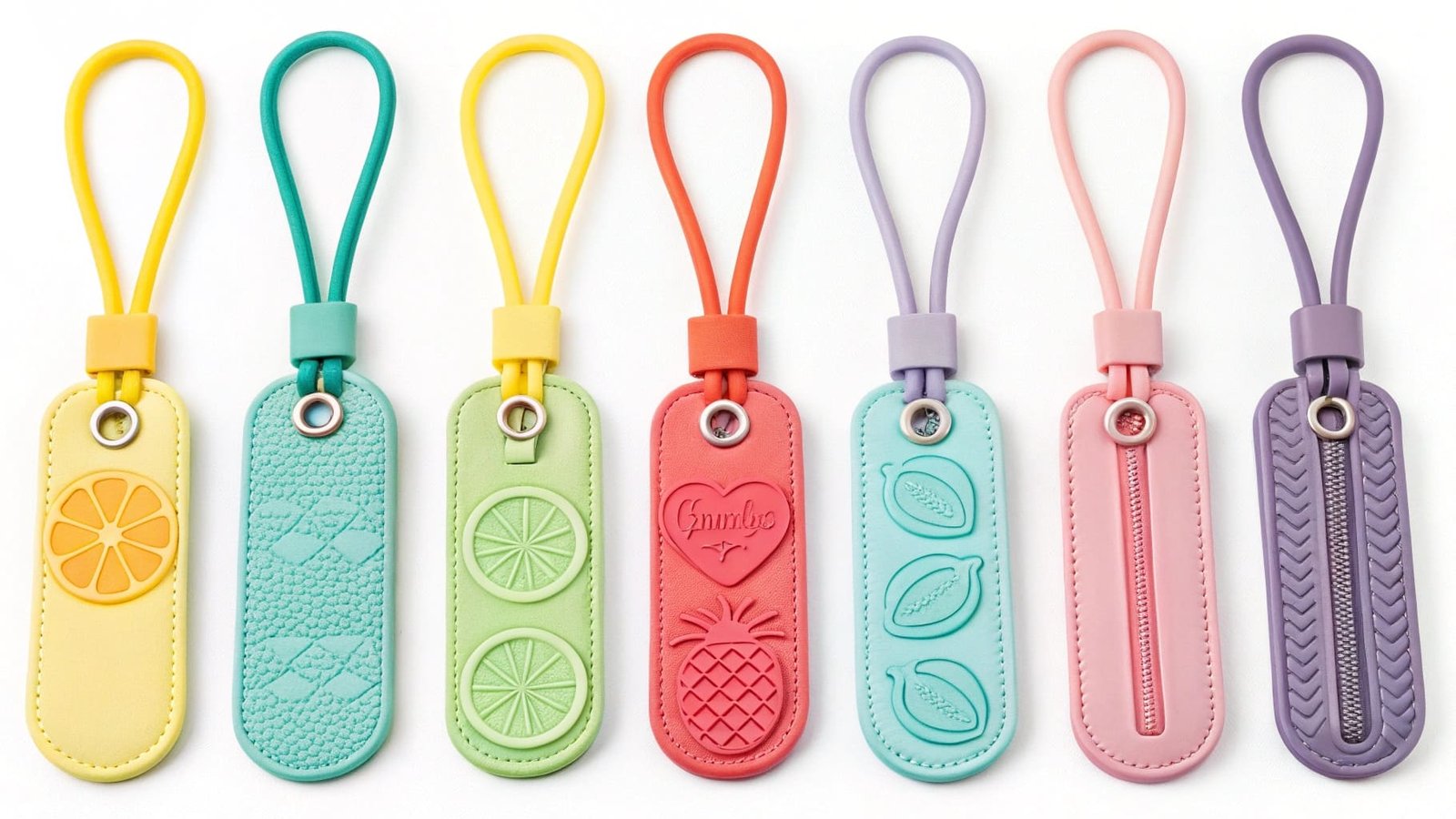
Understanding Distribution Channels
The market has two separate channels. Retail channels sell individual pieces. Wholesale channels sell in bulk. Custom manufacturing sits in a third category. It requires even larger commitments.
I sell to businesses only. My customers order hundreds or thousands. They rebrand the products. They add their packaging. They sell to their end users. This business model needs volume to work.
Retail suppliers buy from manufacturers. They stock inventory. They sell single units at markup. A zipper pull that costs me $0.30 to make sells for $2 to $5 retail. This markup covers their inventory costs. It covers their storage. It covers their smaller order handling.
Some buyers try to start small. They buy retail units for their prototype. They test the market. Then they come to me for production. This approach makes sense. But I see buyers make mistakes here. They design around a retail zipper pull. Then they find the size differs slightly in custom production. The mold dimensions vary. The material feels different. Their product no longer fits right.
I recommend a different approach. Request samples from custom manufacturers first. Most of us provide samples at cost. You pay $50 to $100 for a few pieces. These match your future production exactly. You avoid compatibility issues later.
How to figure out zipper pull size?
The zipper pull looks too small. Or maybe too big. How do you know the right size before ordering 2,000 pieces?
Standard zipper pulls range from 15mm to 50mm in length. The attachment loop diameter runs from 4mm to 8mm. These dimensions must match your zipper slider opening.
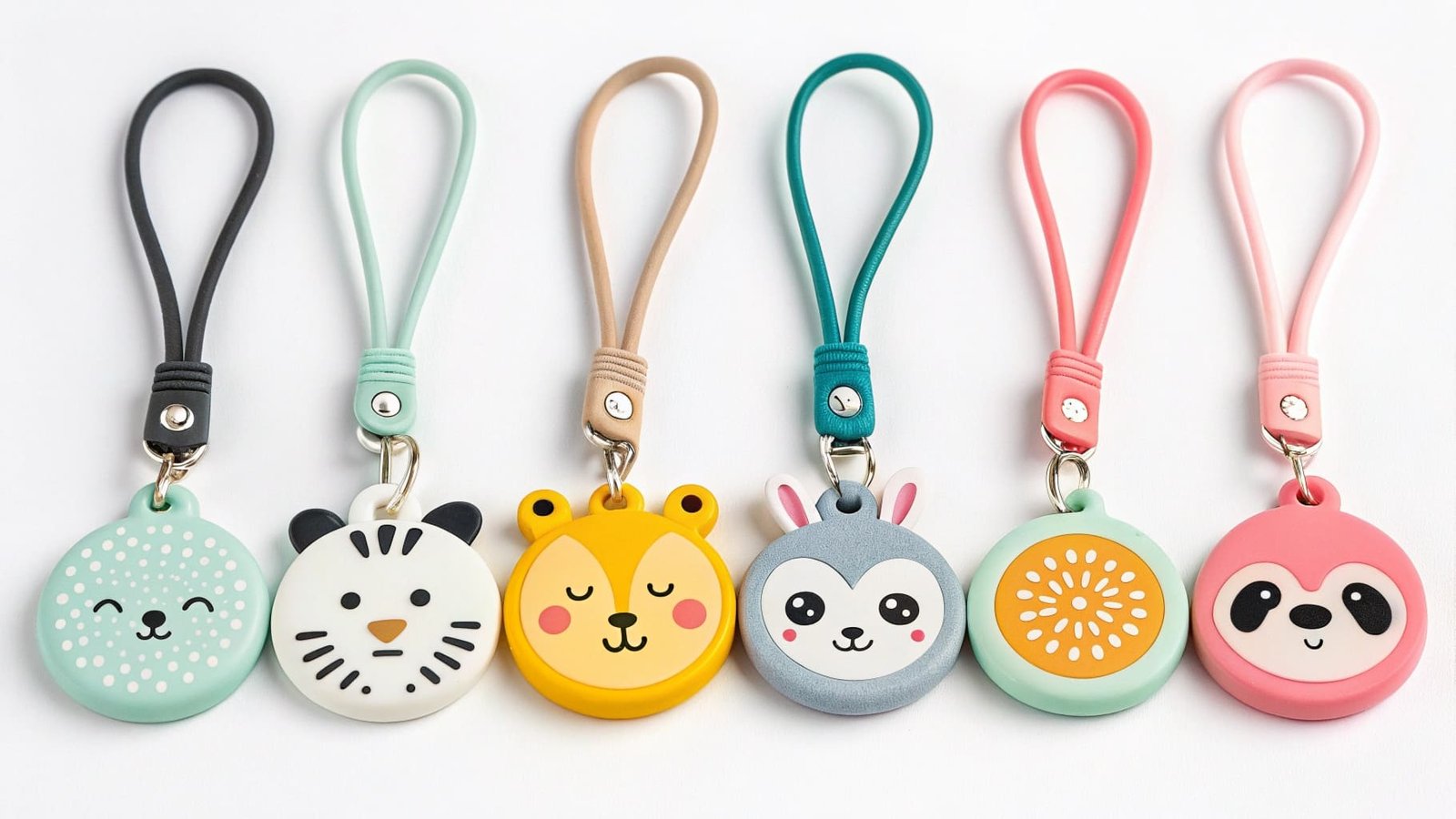
Critical Dimensions to Specify
I receive incomplete specifications weekly. Buyers tell me they want a "medium" zipper pull. This means nothing in manufacturing. I need exact numbers. I need tolerances. I need technical drawings.
The attachment loop is the most critical dimension. Measure your zipper slider opening. Add 1mm clearance. This gives you the minimum inside diameter. The loop thickness matters too. Too thin and it breaks. Too thick and it does not fit through the slider hole.
Overall length affects user experience. Longer pulls give better grip. They work well for gloves or cold weather use. Shorter pulls look cleaner. They work for garments where aesthetics matter more. I typically recommend 25mm to 35mm for most applications.
Width and thickness determine grip comfort. A pull that is 15mm wide feels thin. It works for light zippers. A pull that is 25mm wide gives solid grip. It suits jackets and bags. Thickness should stay between 3mm and 6mm. Thinner pulls feel cheap. Thicker pulls feel bulky.
| Dimension | Standard Range | Impact on Use |
|---|---|---|
| Length | 15-50mm | Grip ease and aesthetics |
| Loop ID | 4-8mm | Zipper compatibility |
| Width | 10-25mm | Grip comfort |
| Thickness | 3-6mm | Durability and feel |
My process requires detailed drawings. I use these to create the mold. A tolerance of ±0.2mm is standard. Tighter tolerances cost more. They slow production. Most applications do not need them.
Smart buyers send me their zipper sliders. I test fit different sizes. We confirm the best dimensions together. This costs nothing extra. It prevents expensive mistakes. One buyer ignored this step last year. They ordered 5,000 pulls. The loop was 0.5mm too thick. The pulls did not fit. They paid for a new mold. They waited another month. This mistake cost them their peak season.
I always make a test sample with your actual zipper. You should do the same. Request this from any supplier. A good manufacturer does this automatically. A bad one skips this step to save time.
Conclusion
Custom zipper pulls need minimum orders of 500 to 3,000 pieces. This number covers mold costs and makes production viable. Plan your inventory carefully. Specify exact dimensions. Test samples before bulk production.
-
Custom molds are a significant investment; knowing their impact helps in budgeting. ↩
-
Learn about the custom manufacturing process to streamline your production and avoid costly mistakes. ↩
-
Quality inspection ensures your products meet standards, preventing costly returns and rework. ↩
-
Understanding FDA testing ensures your products meet safety standards, especially for food-grade items. ↩