What Are the MOQ Requirements for 32oz Straw Tumbler Gasket Set Orders?
I meet buyers every week who ask about minimum order quantities. This confusion costs them time and delays their product launches. Understanding MOQ requirements helps you plan better and negotiate smarter with suppliers.
Most suppliers set MOQs between 1,000 to 5,000 gasket sets for 32oz tumblers. This range exists because silicone molding1 needs dedicated tooling and specific batch sizes to stay cost-efficient. Established suppliers with existing molds can sometimes offer lower MOQs for standard designs.
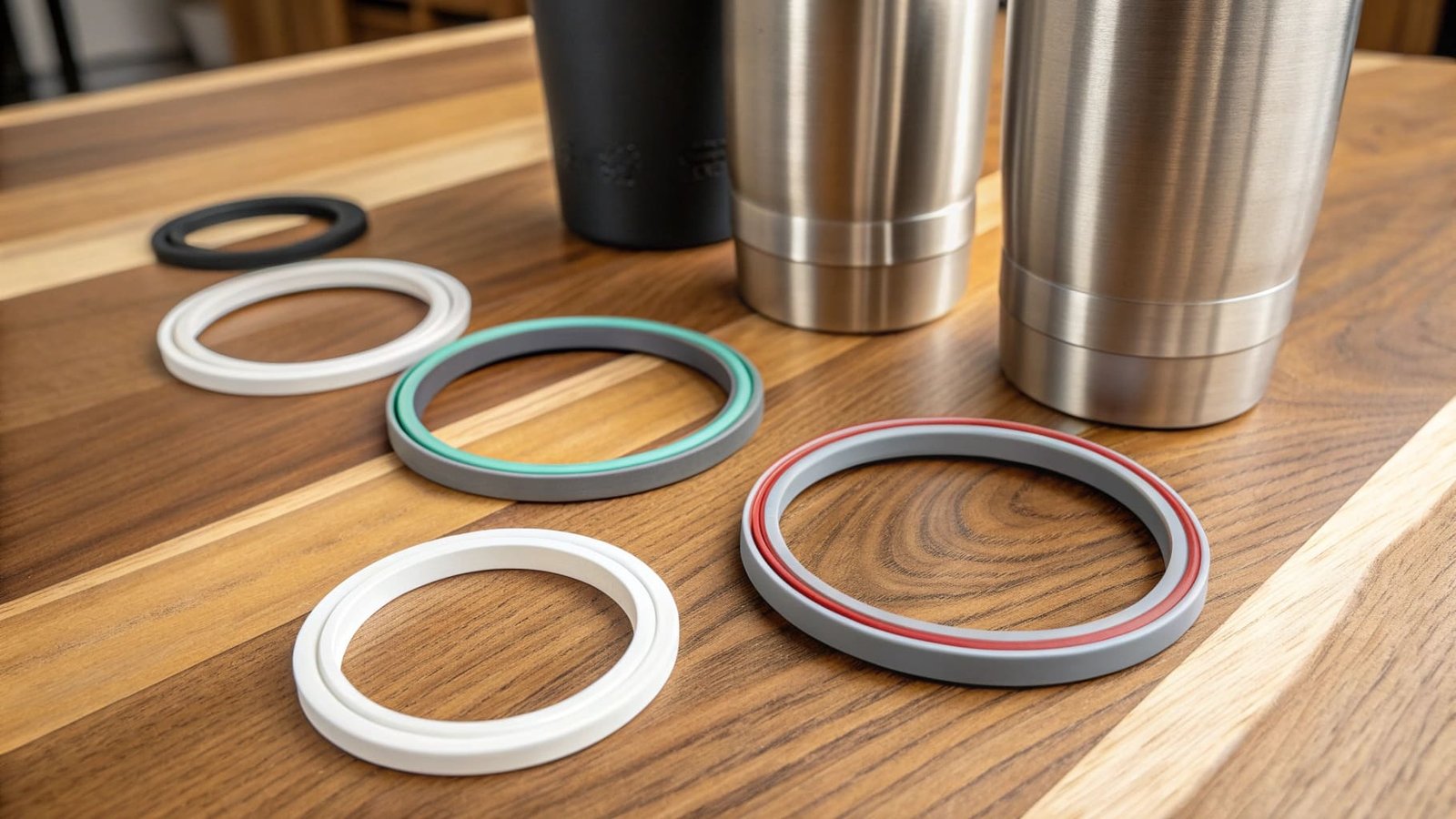
The MOQ question matters more than you think. I have seen buyers lose entire seasons because they did not understand how these numbers work. Let me walk you through what drives these requirements and how you can work with them.
What is a full gasket set?
You probably want to know what pieces come in a complete set. Many buyers order the wrong components and face delays when their tumblers leak during testing. Getting the full picture upfront saves you from costly mistakes.
A full gasket set for 32oz tumblers includes three parts: the lid seal gasket2, straw grommet, and base cushion ring. Each component serves a specific function to prevent leaks and protect surfaces during daily use.
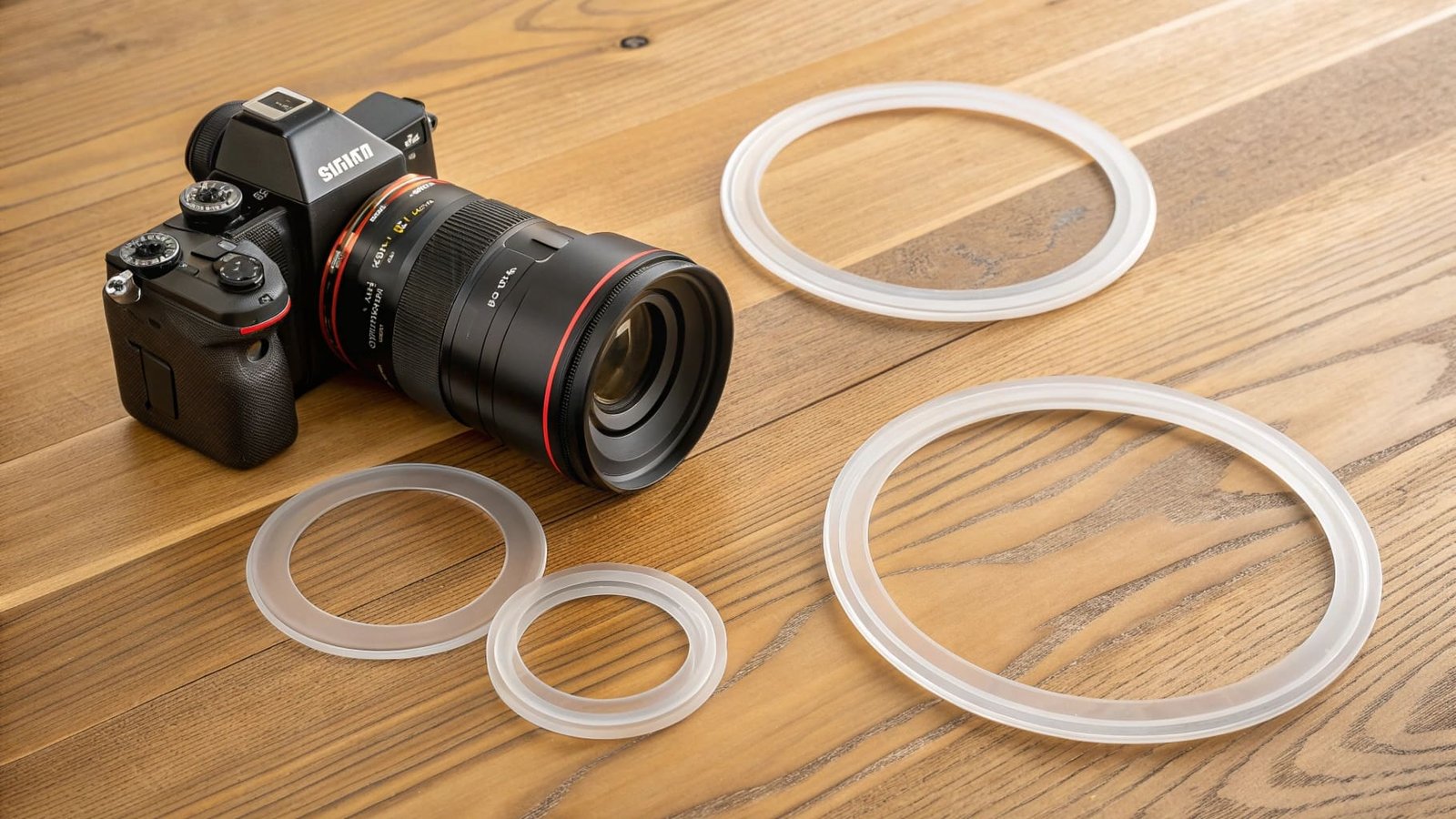
I manufacture these sets daily at my facility in China. The lid seal gasket sits between the tumbler body and the lid. It creates the primary barrier against spills. This piece typically measures around 3mm in thickness and uses Shore A 40-50 durometer silicone for the right balance of flexibility and strength.
The straw grommet fits into the lid opening where the straw passes through. This small but critical piece prevents liquid from escaping around the straw. We make these with tighter tolerances than other components because even a 0.5mm variance can cause leaks.
The base cushion ring protects surfaces from scratches and reduces noise when users set down their tumblers. This component also improves grip on smooth surfaces. I have watched buyers skip this piece to save costs, then face customer complaints about table damage.
Here is how the three components compare:
| Component | Primary Function | Typical Thickness | Durometer Range |
|---|---|---|---|
| Lid Seal Gasket | Prevents liquid leaks at lid joint | 2-4mm | Shore A 40-50 |
| Straw Grommet | Seals around straw opening | 1-2mm | Shore A 30-40 |
| Base Cushion Ring | Protects surfaces and adds grip | 3-5mm | Shore A 50-60 |
How big is a 32oz tumbler?
You need exact dimensions to understand why MOQs exist at certain levels. Size directly affects tooling costs3 and material usage. This knowledge helps you negotiate better terms with suppliers like me.
A 32oz tumbler holds approximately 946ml of liquid. The typical height ranges from 8 to 9 inches, with a diameter of 3 to 3.5 inches at the widest point. These dimensions create specific gasket size requirements.
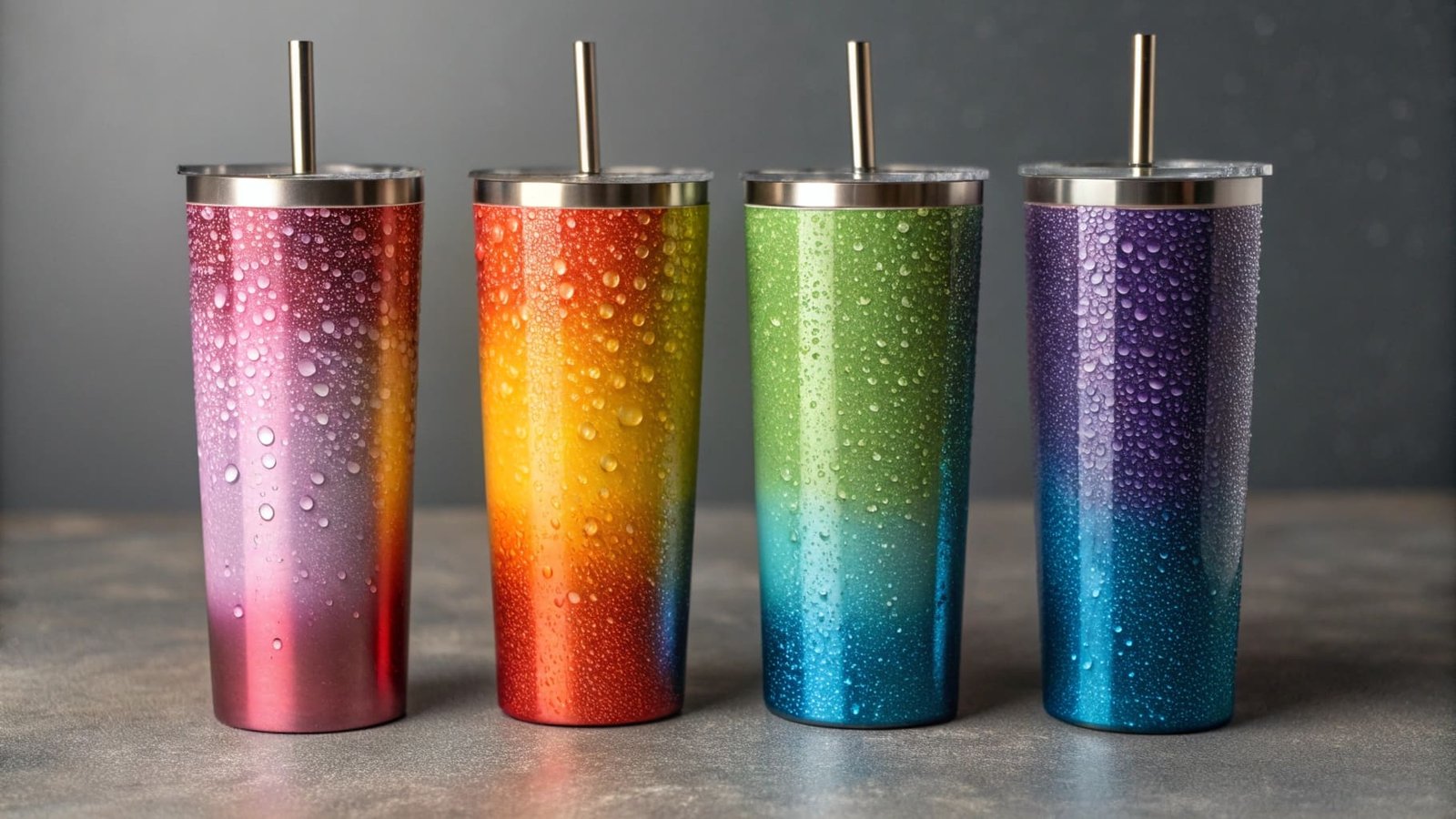
I work with these measurements every day in my factory. The 32oz size has become incredibly popular in North American and European markets. People want all-day hydration without constant refills. This market demand pushed suppliers to develop standardized tooling for this capacity.
The physical dimensions matter because they determine gasket circumferences and material volume. A lid seal gasket for a 32oz tumbler4 typically has an outer diameter of around 90-95mm and an inner diameter of 80-85mm. This size difference from smaller tumblers means we cannot simply scale down existing molds.
Manufacturing these specific sizes requires dedicated injection molds. Each mold costs between 2,000 to 5,000 USD depending on complexity and cavity count. I spread this tooling investment across production runs. Smaller orders mean higher per-unit costs because the tooling expense divides among fewer pieces.
The base cushion ring for 32oz tumblers usually measures 70-75mm in diameter. This larger footprint uses more raw material per piece compared to smaller tumbler sizes. Silicone suppliers sell material in minimum batch quantities. I need to order at least 500kg per batch to get reasonable pricing. This material minimum directly influences my MOQ requirements5.
Production efficiency also drives MOQ decisions. My molding machines run most efficiently with continuous production cycles. Setting up for a small batch of 200 sets takes nearly the same time as setting up for 2,000 sets. The machine needs cleaning, mold installation, temperature calibration, and test shots regardless of final quantity.
What are the three types of gaskets?
You might wonder why gasket types matter for MOQ discussions. Different gasket styles need different manufacturing approaches. This variation affects how suppliers structure their minimum order requirements.
The three main gasket types are compression seals, O-rings, and flat washers. Compression seals squeeze between two surfaces, O-rings fit into grooves, and flat washers sit on flat surfaces to distribute pressure evenly.
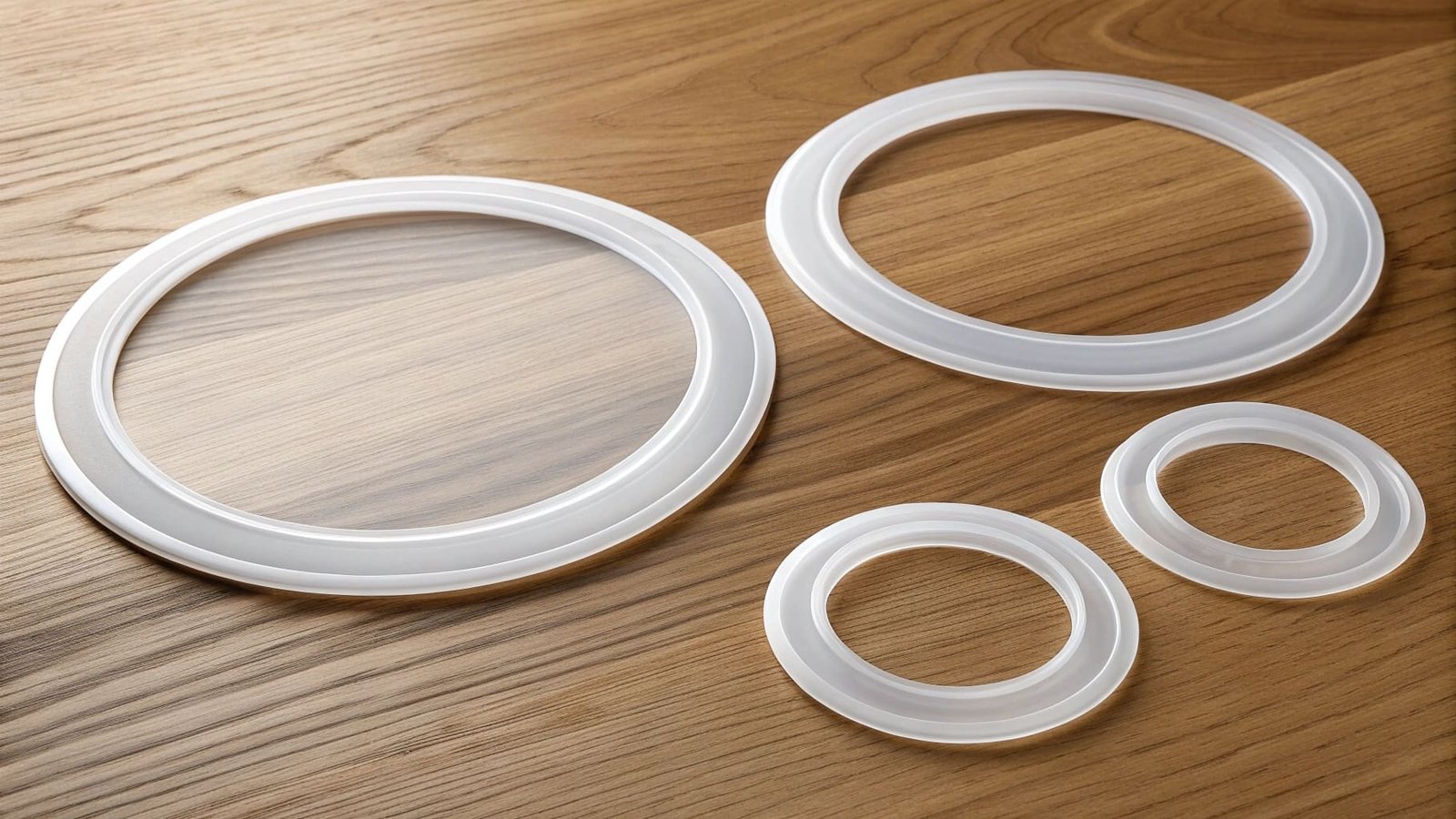
I manufacture all three types at my facility. Each requires specific tooling and quality control processes. Let me break down what makes them different and why this affects your orders.
Compression seals work by squeezing between the tumbler body and lid. When you tighten the lid, the seal compresses and fills any gaps. We make these with slightly softer silicone, usually Shore A 40-50. The molding process needs precise control over material flow to avoid thin spots that could leak. I run compression tests on every batch to verify seal performance under typical use pressure.
O-rings fit into circular grooves machined into the tumbler components. These rings create a seal through radial compression rather than axial squeezing. The dimensions need extreme precision. I maintain tolerances within 0.1mm for O-ring cross-sections. Even small variations prevent proper seating in the groove. This precision requirement means higher scrap rates during production, which pushes MOQs higher.
Flat washers spread load across a broader area. For tumbler gasket sets, we use flat washers mainly as base cushions. These need consistent thickness throughout. I check thickness at multiple points during production. Variations beyond 0.2mm affect how the tumbler sits on surfaces.
Here is a comparison of manufacturing requirements:
| Gasket Type | Molding Complexity | Tolerance Requirements | Scrap Rate | Impact on MOQ |
|---|---|---|---|---|
| Compression Seals | Medium | ±0.3mm | 3-5% | Standard MOQ |
| O-Rings | High | ±0.1mm | 5-8% | Higher MOQ |
| Flat Washers | Low | ±0.2mm | 2-3% | Lower MOQ |
I have noticed that buyers who understand these manufacturing realities negotiate more effectively. You can often get better MOQ terms by accepting standard specifications rather than requesting custom dimensions. I keep inventory of common O-ring sizes and standard compression seals, which allows me to offer lower MOQs for these items.
The durometer selection also affects MOQ. Shore A 40 silicone is my most common stock material. If you request Shore A 30 or Shore A 60, I need to order a special batch from my material supplier. This special order adds cost and increases the minimum quantity I can accept.
Color choices matter too. I always have black and clear silicone in stock. These colors let me run smaller production batches. Custom colors require minimum material orders of 100kg, which translates to thousands of gasket sets. Many buyers start with standard colors for initial orders, then add custom colors6 once volumes increase.
Conclusion
MOQ requirements for 32oz tumbler gasket sets typically range from 1,000 to 5,000 sets. Understanding the components, sizes, and manufacturing requirements helps you negotiate better terms and plan your inventory more effectively.
-
Gain insights into the silicone molding process to better understand production costs. ↩
-
Discover the importance of the lid seal gasket in preventing leaks in tumblers. ↩
-
Explore how tooling costs influence MOQ and overall production expenses. ↩
-
Get precise measurements to help you understand product specifications better. ↩
-
Explore this to learn how MOQ affects your purchasing strategy and supplier relationships. ↩
-
Understand the cost and MOQ implications of selecting custom colors. ↩