What Are the MOQ Terms for Bulk Mason Jar Straw Hole Lid Manufacturing?
Many buyers struggle to understand MOQ requirements when ordering mason jar straw hole lids. This confusion leads to budget surprises and delayed orders. Knowing the key factors helps you plan better.
Most manufacturers set MOQ between 1,000 to 5,000 units for custom silicone mason jar straw hole lids1. The exact number depends on your customization level, color choices, and design complexity. Standard designs usually have lower MOQs than custom molds.
I have worked with hundreds of buyers who initially felt overwhelmed by MOQ terms. The good news is that you can significantly reduce your initial investment by making smart choices about materials, sizes, and design specifications. Let me walk you through the critical factors that determine MOQ requirements.
What material are mason jar lids made of?
You want durable lids that customers will love. But choosing the wrong material means wasted money and unhappy clients. The material you select directly impacts your MOQ and production costs.
Traditional mason jar lids use tinplated steel or stainless steel. Modern silicone lids offer better flexibility and safety. Food-grade silicone has become the preferred material for straw hole applications because it seals better and lasts longer.
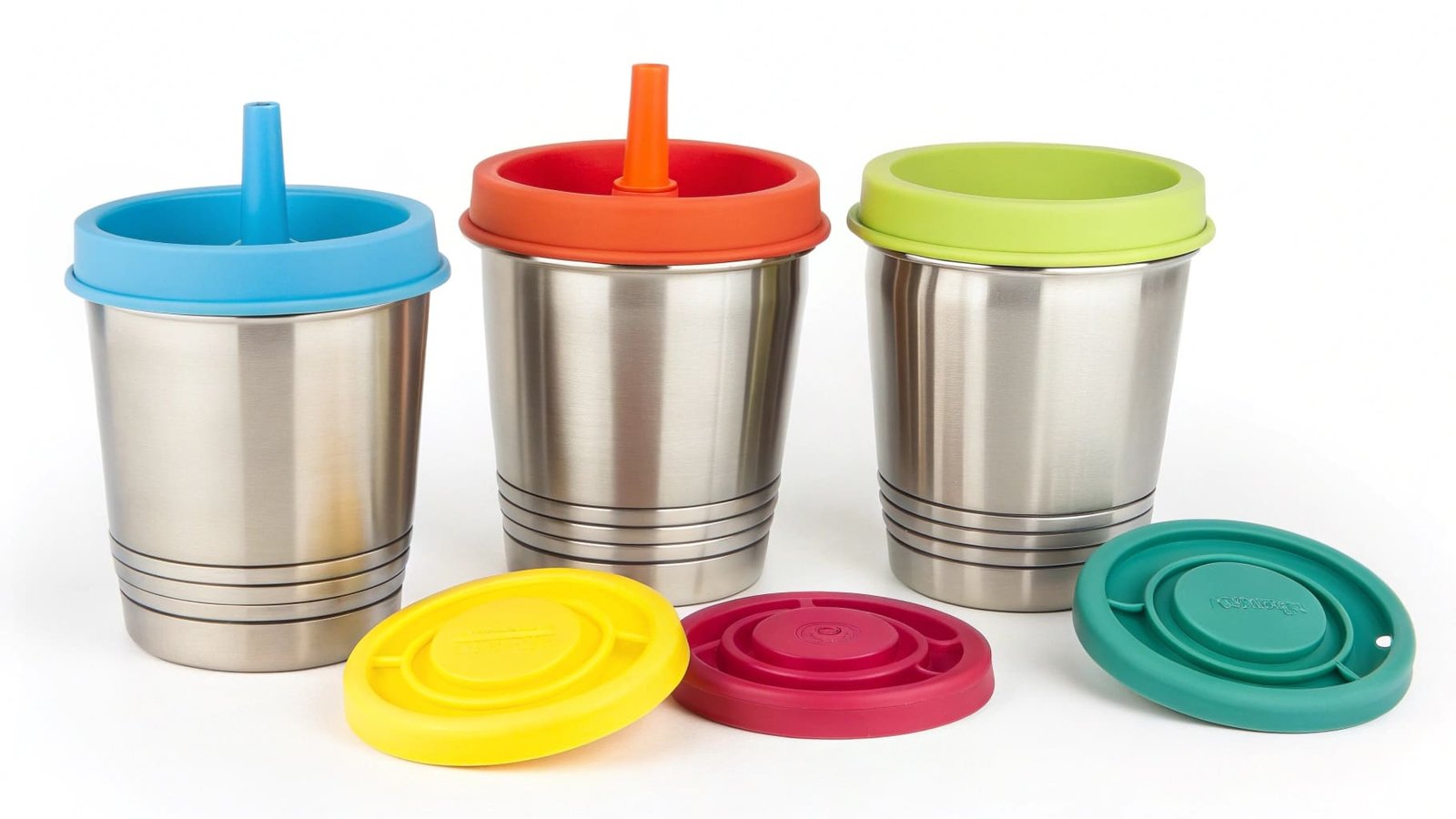
I started manufacturing silicone mason jar lids five years ago when a Canadian buyer asked me about alternatives to metal lids. He explained that his customers complained about rust and difficulty cleaning metal lids. I suggested food-grade silicone2 and we ran a test batch. The results changed my business direction completely.
Silicone lids solve multiple problems at once. They provide excellent sealing around straw openings. They never rust or corrode. Customers can throw them in the dishwasher without worry. The material remains flexible even in freezer temperatures. These advantages make silicone the top choice for B2B buyers targeting North American markets.
The MOQ for silicone lids differs from metal lids because of tooling requirements. I need to create a specific mold for each design. This mold costs between $800 to $2,000 depending on complexity. I must distribute this cost across your order volume. A standard single-hole design with simple features requires a basic mold. Complex designs with multiple openings or valve systems need more expensive tooling. Most buyers find that ordering 3,000 units gives them a good balance between unit cost and inventory investment.
| Material Type | Advantages | Typical MOQ | Tooling Cost |
|---|---|---|---|
| Tinplated Steel | Low cost, familiar | 5,000-10,000 | $500-$1,000 |
| Stainless Steel | Durable, rust-resistant | 3,000-5,000 | $1,200-$2,000 |
| Food-Grade Silicone | Flexible, dishwasher-safe, no rust | 1,000-3,000 | $800-$2,000 |
What are common jar lid sizes?
You need lids that fit the jars your customers already own. Wrong sizes mean returns and damaged reputation. Understanding standard measurements saves you from costly mistakes.
Mason jar lids come in two standard sizes. Regular mouth measures 70mm or 2.75 inches. Wide mouth measures 86mm or 3.38 inches. Most manufacturers produce lids compatible with Ball, Kerr, and Golden Harvest jars.
I remember a buyer from Texas who ordered 5,000 wide-mouth lids without checking his target market. He discovered later that most of his retail partners sold regular-mouth jars. We had to start over with a new order. This mistake cost him three months and additional tooling fees. I learned to ask buyers detailed questions about their target market before production starts.
The sizing decision affects your MOQ in important ways. If you order both sizes simultaneously, I can often reduce the total MOQ requirement. The reason is simple - I can schedule both molds in the same production run and share setup costs. Some buyers order multi-fit designs that work with both regular and wide mouth jars. These universal lids use a flexible rim that adapts to different diameters.
You should also consider the straw hole diameter when planning your order. Standard straw hole sizes range from 8mm to 12mm. Smaller holes suit regular drinking straws. Larger holes accommodate bubble tea straws or smoothie straws. I keep molds for the most common hole sizes in stock. This means faster production and sometimes lower MOQ for standard specifications.
Your lid thickness matters too. Thinner lids (2-3mm) cost less but may not seal as well. Thicker lids (4-5mm) provide better sealing and durability. I recommend 3.5mm thickness for most applications. This gives you good sealing performance without excessive material costs.
| Size Type | Diameter | Common Use | Compatibility |
|---|---|---|---|
| Regular Mouth | 70mm (2.75") | Standard canning, drinking | Ball, Kerr regular jars |
| Wide Mouth | 86mm (3.38") | Smoothies, thick drinks | Ball, Kerr wide mouth jars |
| Universal Fit | Flexible 70-86mm | Multi-purpose | Most standard mason jars |
Do mason jar lids have lead?
You worry about product safety and legal compliance. Lead contamination can destroy your business reputation overnight. Knowing the truth about lead content protects your brand and customers.
Quality silicone lids are naturally lead-free. Some imported metal lids may contain lead in coatings or solder. Food-grade silicone material eliminates lead risk completely because the base material composition excludes lead compounds.
Last year, a buyer contacted me in panic. His competitor got hit with a product recall because their metal lids contained lead above FDA limits. The competitor bought cheap lids from an unknown factory without proper testing. They lost their entire inventory and faced legal action from retailers. This buyer wanted to ensure his silicone lids were truly lead-free before his next big order.
I provide third-party testing reports3 with every production batch. These reports come from certified labs like SGS or Intertek. The tests check for lead, cadmium, and other heavy metals. I also maintain FDA approval4 for food contact and LFGB compliance for European markets. These certifications cost money but they protect both of us from liability issues.
The testing requirement affects MOQ calculations because I include testing costs in the unit price. For orders below 2,000 units, the testing cost per unit becomes significant. Larger orders spread these costs more efficiently. I recommend buyers plan for at least 3,000 units if they want the most competitive pricing including all compliance documentation.
Some buyers ask about lead testing for metal lids they source elsewhere. I always tell them the same thing - never skip testing regardless of supplier promises. Request actual lab reports, not just certificates. Verify the testing lab is accredited and independent. Check that the report matches your actual product specifications including color and material grade.
You should also understand that lead-free certification extends beyond the lid material. The printing ink, if you add custom branding, must also be lead-free. The packaging materials should meet safety standards too. I work with approved ink suppliers who provide lead-free food-grade options. This comprehensive approach ensures your entire product meets safety requirements.
| Safety Concern | Risk Level | Testing Method | Compliance Standard |
|---|---|---|---|
| Lead in silicone | Very Low | ICP-MS lab test | FDA, LFGB |
| Lead in metal lids | Medium to High | XRF screening + lab test | FDA, Prop 65 |
| Lead in printing ink | Low to Medium | Migration test | FDA food contact rules |
| Heavy metals (cadmium, etc.) | Low | ICP-MS lab test | FDA, EU regulations |
Conclusion
MOQ terms depend on material choice, size specifications, and compliance requirements. Smart buyers reduce costs by ordering standard designs and planning larger volumes. Always verify safety certifications before finalizing your order.
-
Explore the advantages of silicone lids, including flexibility and safety for your customers. ↩
-
Find out why food-grade silicone is the top choice for safety and durability. ↩
-
Learn about the importance of third-party testing for ensuring product safety. ↩
-
Explore the significance of FDA approval in ensuring compliance and safety. ↩