What Are the Most Durable Silicone Rubber Gasket Materials for Bulk Orders?
You placed a massive gasket order last year. Three months later, your clients complained about failures. Now you need materials that actually last.
For bulk orders, High Consistency Rubber (HCR) silicone and fluorosilicone (FVMQ) are the most durable options. HCR handles temperatures up to 200°C continuously. FVMQ resists fuels and oils but costs 40-60% more than standard silicone.
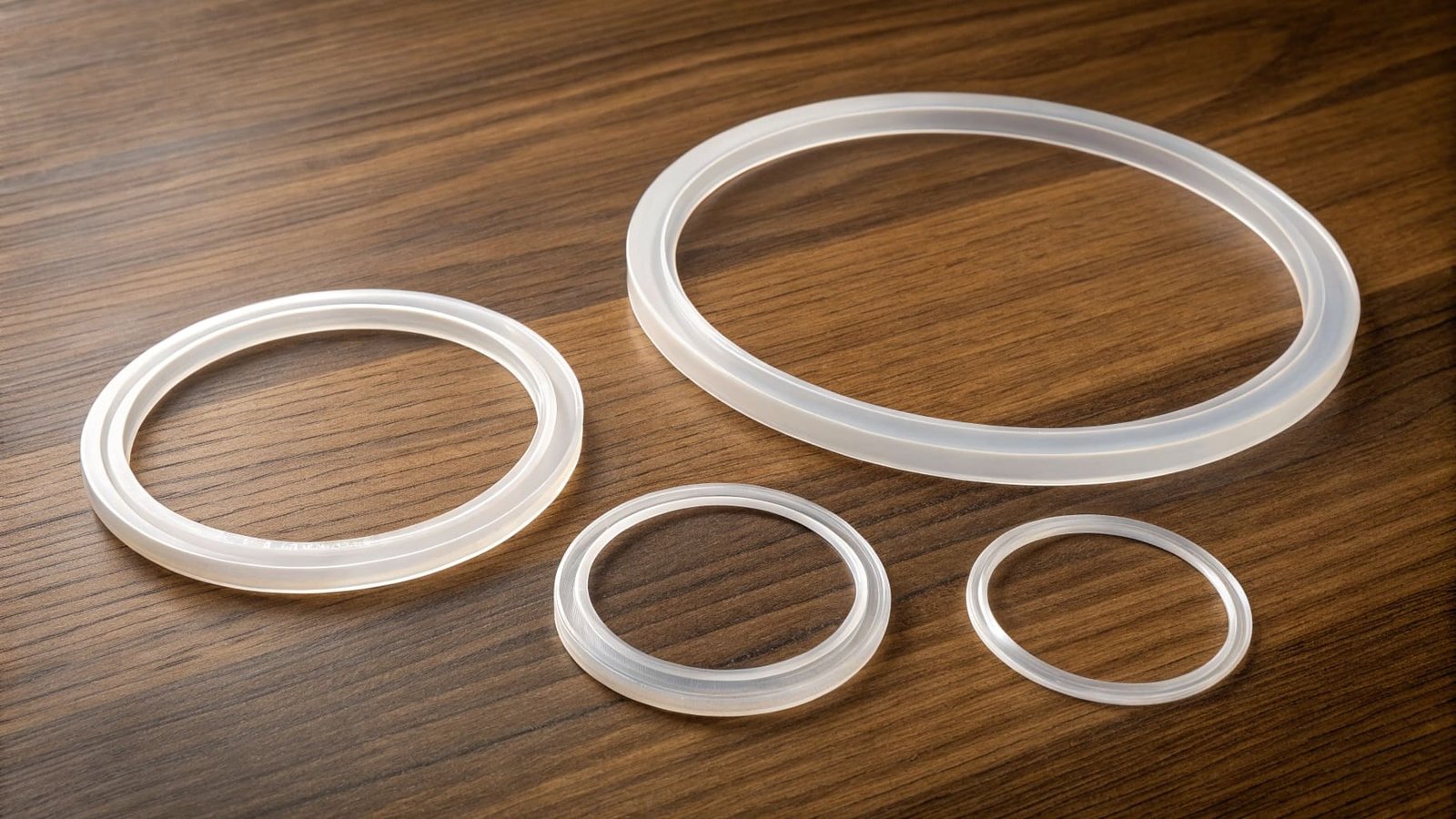
I learned this lesson the hard way five years ago. A Canadian distributor ordered 50,000 gaskets from us. He wanted the cheapest option. I suggested upgrading to HCR silicone. He declined. Six months later, he called me. His automotive clients returned half the inventory. The gaskets failed in engine compartments. We remade the entire order in HCR. He paid double in the end. Let me help you avoid this mistake.
What is the best silicone for gaskets?
Your gasket choice determines whether you get repeat orders or angry phone calls. Pick the wrong type and you waste months fixing complaints.
High Consistency Rubber (HCR) silicone is best for most gasket applications. It offers excellent compression set resistance, maintains flexibility from -60°C to 230°C, and costs less than specialty grades while delivering reliable performance.
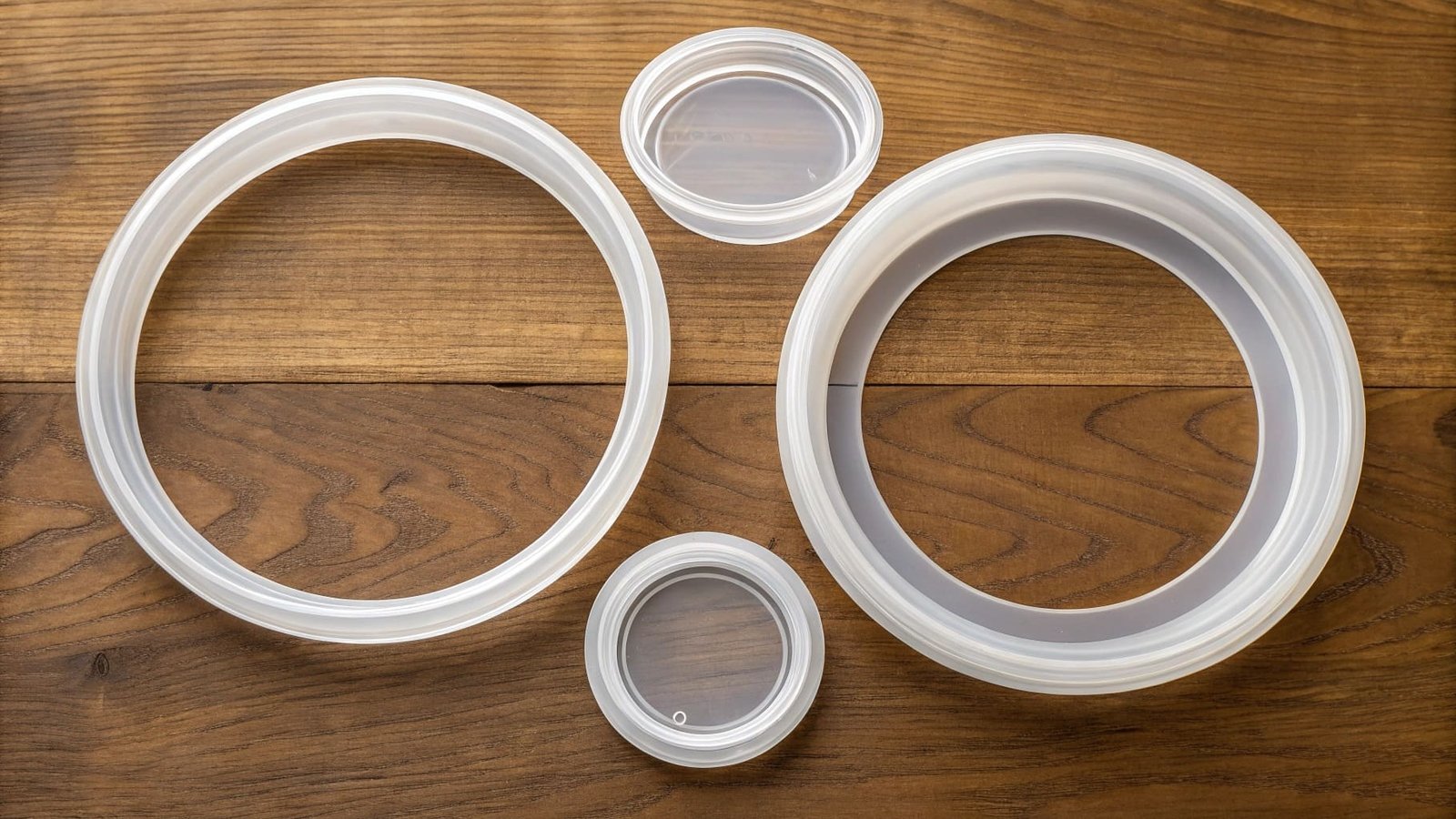
Breaking Down Your Silicone Options
I work with three main silicone types in my factory. Each serves different purposes. You need to match the material to your actual use case.
HCR vs. LSR: Understanding the Real Difference
HCR silicone uses solid rubber in sheet form. We process it through compression molding. LSR comes as liquid that we inject into molds. The processing method changes the final properties.
| Property | HCR Silicone | LSR Silicone |
|---|---|---|
| Temperature Range | -60°C to 230°C | -55°C to 200°C |
| Compression Set (22h @ 175°C) | 8-15% | 12-20% |
| Tear Strength | 20-35 kN/m | 15-25 kN/m |
| Production Cost | Lower for large runs | Higher tooling cost |
| Min Order Quantity | 1,000 pieces | 5,000 pieces |
I recommend HCR for bulk gasket orders1 above 5,000 pieces. The tooling costs less. The material performs better under constant compression. My Canadian clients prefer HCR for automotive and industrial applications.
When to Consider Fluorosilicone (FVMQ)
You need FVMQ when fuel or oil contact is constant. I had a client making fuel pump gaskets. Standard silicone swelled 30% in diesel. We switched to FVMQ. The swelling dropped to 5%. The gaskets lasted three times longer.
FVMQ handles aggressive chemicals. But you pay 40-60% more. Your bulk order cost jumps from $0.15 to $0.25 per gasket. Calculate whether your application justifies this premium. For food service or medical use, stick with standard HCR. For automotive fuel systems, FVMQ is essential.
What is more durable, rubber or silicone?
You hear conflicting advice about rubber versus silicone. Sales reps push their preferred material. You need facts, not sales pitches.
Silicone outlasts traditional rubber in high-temperature environments by 2-3 times. Natural rubber tears less easily and resists abrasion better. The right choice depends on your operating temperature and mechanical stress levels.
Comparing Real-World Performance
I test materials every week in my lab. The results often surprise people. Neither material wins in all categories. You need to match the material to your stress factors.
Temperature Performance: Where Silicone Dominates
Natural rubber breaks down above 80°C. I tested this with oven gaskets. After 1,000 hours at 100°C, natural rubber lost 40% of its flexibility. Silicone barely changed. Silicone maintains properties across extreme temperature swings. This matters for industrial applications.
Mechanical Strength: Where Rubber Fights Back
Natural rubber has higher tensile strength. It resists tearing better under mechanical stress. I had a client making conveyor belt seals. He insisted on silicone. The gaskets tore within weeks. We switched to nitrile rubber2. The problem stopped.
Here is how they compare in critical properties:
| Performance Factor | Natural Rubber | Silicone Rubber |
|---|---|---|
| Continuous Use Temp | 70°C max | 200°C continuous |
| Tear Strength | 50-80 kN/m | 20-35 kN/m |
| Abrasion Resistance | Excellent | Fair |
| UV Resistance | Poor | Excellent |
| Ozone Resistance | Poor | Excellent |
| Service Life (outdoor) | 2-3 years | 10-15 years |
Cost Analysis for Bulk Orders
Silicone costs more upfront. A 50,000-piece gasket order costs $7,500 in silicone versus $4,500 in natural rubber. But silicone lasts 2-3 times longer. Your replacement costs drop. Your warranty claims decrease. I calculate total cost over the gasket lifetime. Silicone wins for high-temperature applications. Natural rubber wins for room-temperature mechanical seals.
What are the disadvantages of silicone rubber?
Every material has limits. Silicone solves many problems. But it creates others. You need to understand the tradeoffs before placing bulk orders.
Silicone rubber has three main disadvantages: low tensile strength compared to other elastomers, poor resistance to steam and concentrated chemicals, and higher material cost. It also tears easily under mechanical stress and swells in acidic environments.
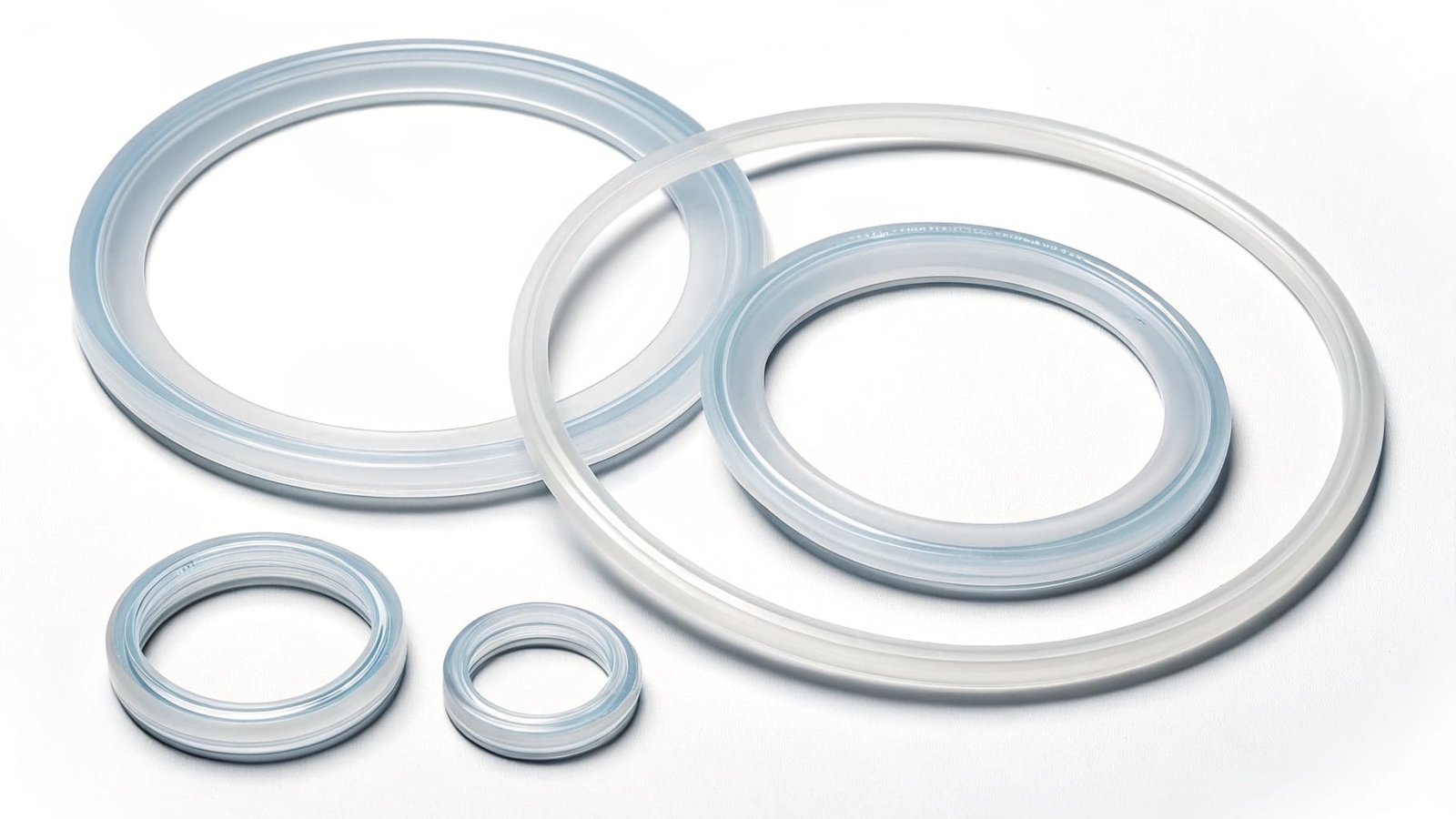
Critical Limitations You Must Know
I had a client lose $15,000 on a failed order. He ignored silicone's limitations. His application exposed gaskets to steam above 120°C. The gaskets degraded in three months. We should have used EPDM rubber instead. Let me break down the real limitations.
Pressure and Mechanical Stress
Silicone fails in high-pressure applications. The tensile strength ranges from 6-9 MPa for standard grades. Compare this to nitrile rubber at 10-25 MPa. I tested silicone gaskets at 12 bar pressure. They extruded within days. We specify silicone only for applications below 10 bar continuous pressure.
The tear resistance is another weak point. Silicone tears if you have sharp edges or mechanical rubbing. I had a client making door seals. The metal edges cut through silicone gaskets. We added a tear stop design to the gasket profile. This solved the issue but added 20% to the production cost.
Chemical Resistance Gaps
Silicone handles most chemicals well. But it fails badly with specific substances. Concentrated acids and alkalis cause swelling. Steam above 120°C degrades silicone faster than you expect. I tested this in our factory. Silicone gaskets in steam applications lasted only 6 months. The same gaskets in dry heat lasted 5 years.
Here are the chemicals that damage silicone:
| Chemical Type | Effect on Silicone | Safe Alternative |
|---|---|---|
| Concentrated Acids (>10%) | Severe swelling | Fluorosilicone |
| Strong Alkalis | Surface degradation | EPDM |
| Superheated Steam | Rapid hardening | EPDM or Viton |
| Ketones | Swelling 15-25% | Nitrile rubber |
| Aromatic Fuels | Moderate swelling | Fluorosilicone |
Cost Implications for Bulk Orders
Silicone costs 60-100% more than natural rubber. Your 100,000-piece order jumps from $12,000 to $20,000. You need to justify this cost difference. I help clients calculate the payback period. If your gaskets last twice as long, you break even in the second replacement cycle.
The minimum order quantity3 also affects your total cost. HCR silicone works well for orders above 5,000 pieces. Below this, the tooling cost per piece makes it expensive. I had a startup order 2,000 gaskets. The per-piece cost was $0.85. The same gasket at 10,000 pieces dropped to $0.35. Plan your order quantity carefully.
Conclusion
Choose HCR silicone for most bulk gasket orders above 5,000 pieces. Upgrade to fluorosilicone only when fuel or oil contact is constant. Match your material choice to actual operating conditions, not theoretical requirements.