What Are the Shipping Considerations for Bulk Neoprene Tumbler Sleeve Orders?
I learned the hard way that shipping bulk neoprene sleeves is nothing like shipping regular drinkware. One delayed container cost my client their entire summer season sales.
When shipping bulk neoprene tumbler sleeves, you need to focus on four critical areas: proper moisture control with desiccants, volumetric weight calculations for freight costs, compressed packaging to maximize container space, and timing shipments 60-90 days before peak seasons.
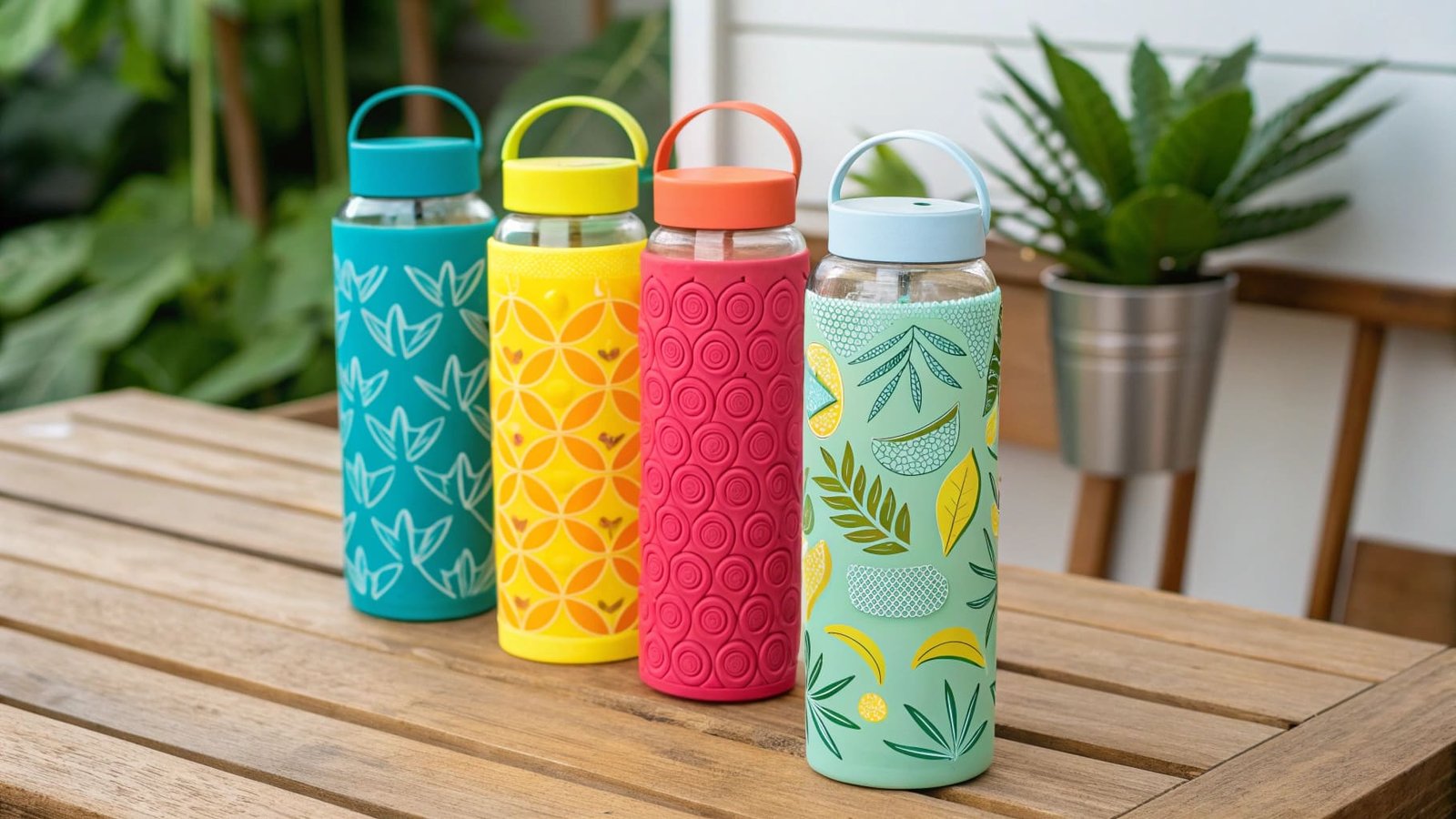
I remember my first bulk order back in 2015. The buyer ordered 30,000 neoprene sleeves and wanted them shipped by air. I spent two hours explaining why sea freight made more sense. The neoprene products take up more space than weight. Air freight would have cost them three times more. They listened. We saved them over $8,000 in shipping costs alone.
What Does a Neoprene Sleeve Do?
Many B2B buyers focus only on pricing. They forget to explain the product value to their end customers. This creates confusion in the supply chain.
A neoprene sleeve provides thermal insulation1 for beverages and offers a comfortable, non-slip grip. It protects hands from extreme temperatures while keeping drinks hot or cold longer. The material also prevents condensation rings on furniture.
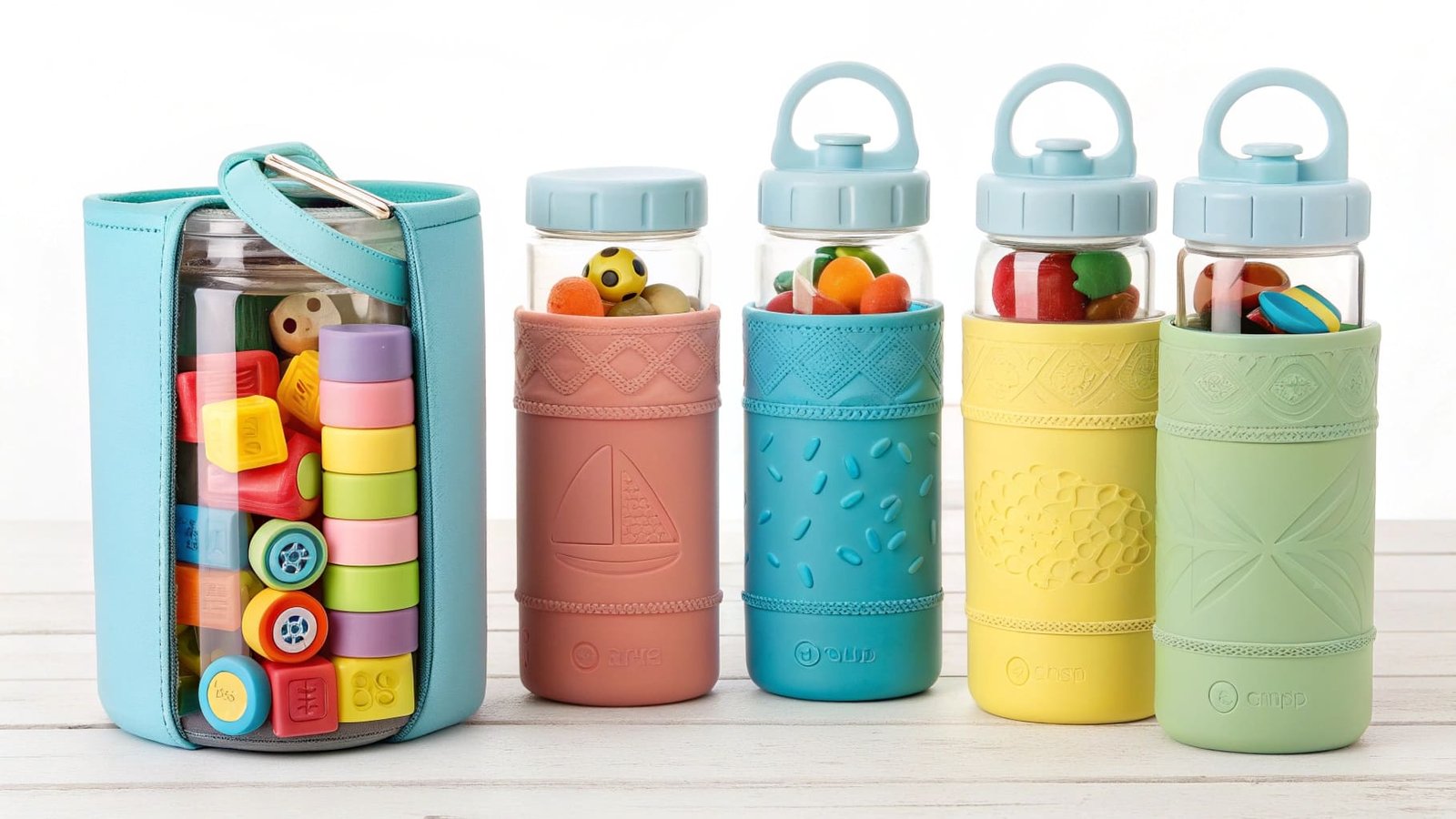
I sell neoprene sleeves to distributors across North America. The most common question I get is about the actual function. Some buyers think it is just decoration. They miss the technical benefits completely.
Neoprene is a synthetic rubber. It was originally developed for industrial use. The closed-cell foam structure traps air bubbles. These bubbles create an insulation barrier. Heat transfer slows down significantly. Your hot coffee stays hot for 30-40% longer. Your iced drink stays cold and your hand stays dry.
The material has another advantage. It compresses when you squeeze it. It returns to original shape when you release pressure. This property makes it perfect for different cup sizes. One sleeve fits multiple tumbler dimensions. I have tested this with our products. A sleeve designed for a 20oz tumbler works fine on 18oz and 22oz cups.
Here is what neoprene sleeves actually do:
| Function | Benefit | Impact on User |
|---|---|---|
| Thermal Insulation | Reduces heat transfer by 35-45% | Beverages maintain temperature longer |
| Grip Enhancement | Non-slip texture surface | Prevents accidental drops |
| Condensation Control | Absorbs moisture from cup exterior | No water rings on surfaces |
| Hand Protection | Barrier between hand and extreme temps | Comfortable holding experience |
| Cushioning | Shock absorption on impact | Protects tumbler from minor damage |
What Is the Sleeve Around a Coffee Cup Called?
Industry terminology confuses many new buyers. They search for different terms online. This makes communication with suppliers difficult and wastes time.
The sleeve around a coffee cup is called a cup sleeve2, drink insulator, beverage holder, or tumbler sleeve. In B2B circles, neoprene sleeve and can cooler are also common terms depending on the target market.
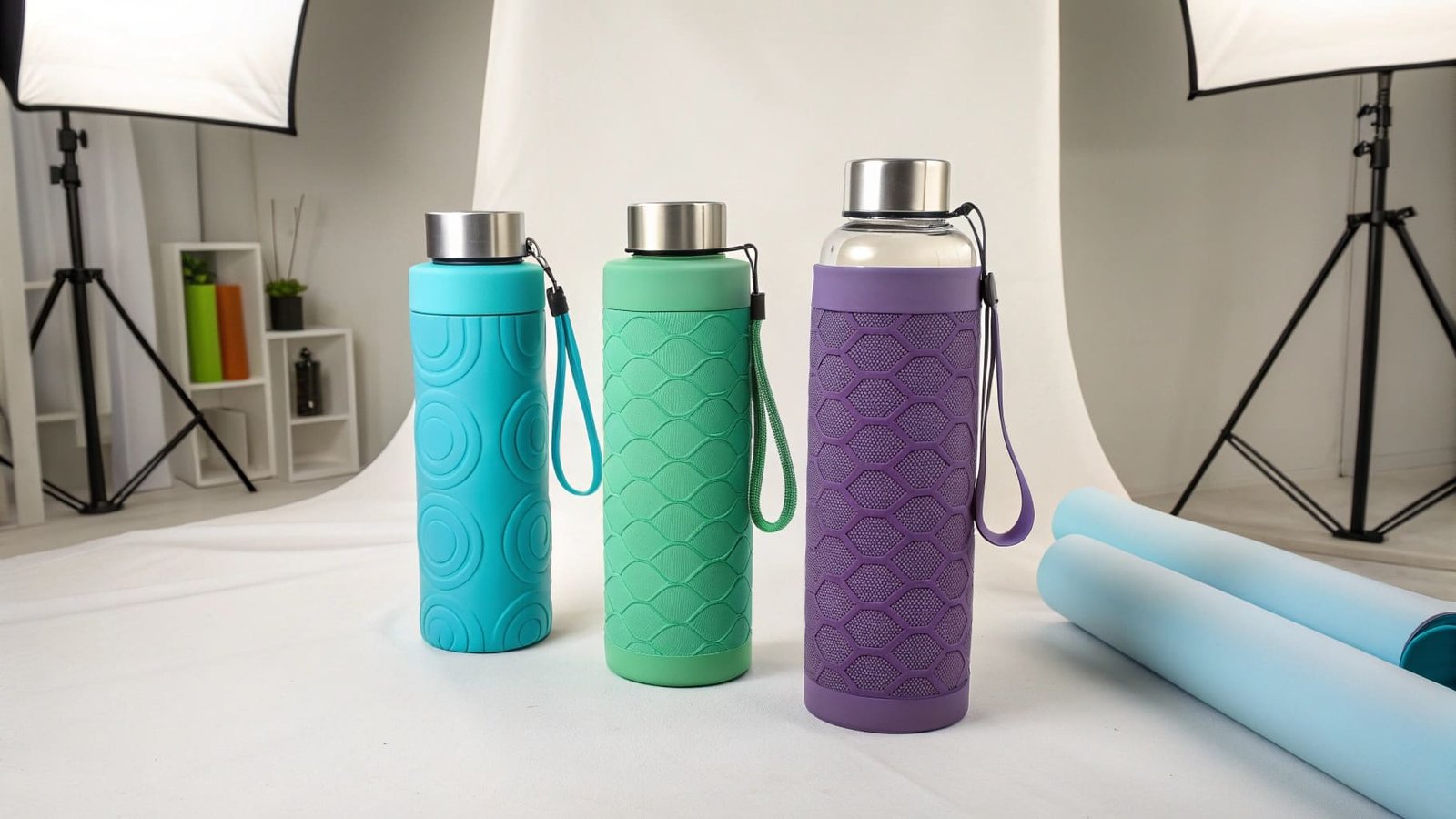
Last month, a buyer from Toronto contacted me. He kept asking about "coffee cup jackets." I had no idea what he meant at first. After ten minutes of back and forth emails, I realized he wanted neoprene tumbler sleeves. Different regions use different names.
The terminology matters for your business. If you sell to promotional product distributors, they usually say "can coolers" or "drink insulators." If you target coffee shops and cafes, they prefer "cup sleeves." Corporate buyers often use "beverage holders" in their purchase orders.
I have seen this create real problems. One buyer ordered "cup sleeves" from three suppliers. Two suppliers sent neoprene sleeves. One supplier sent cardboard sleeves like Starbucks uses. The buyer was furious. The cardboard sleeves cost 90% less. The supplier thought they were helping by offering a cheaper option.
You need to be specific in your communication. When you contact suppliers, use multiple terms. Say "neoprene tumbler sleeves" and include product images. This removes confusion completely. I always ask new buyers to send reference photos. We confirm the exact product before discussing pricing or shipping.
Here are the common terms by industry:
| Industry Segment | Preferred Term | Alternative Terms |
|---|---|---|
| Promotional Products | Can Cooler | Drink Insulator, Koozie |
| Coffee Shops | Cup Sleeve | Coffee Sleeve, Tumbler Wrap |
| Corporate Gifting | Beverage Holder | Drink Sleeve, Tumbler Sleeve |
| Drinkware Brands | Tumbler Sleeve | Protective Sleeve, Insulated Sleeve |
| General Retail | Neoprene Sleeve | Cup Jacket, Drink Holder |
How to Measure Cup Sleeve?
Wrong measurements create expensive problems. I have seen buyers order 10,000 sleeves that did not fit their tumblers. Returns from China are nearly impossible for custom products.
Measure the tumbler circumference at the widest point, typically the rim. Then measure the height from base to top. Account for 10-15% stretch tolerance in neoprene. Add these measurements to your purchase order specifications.
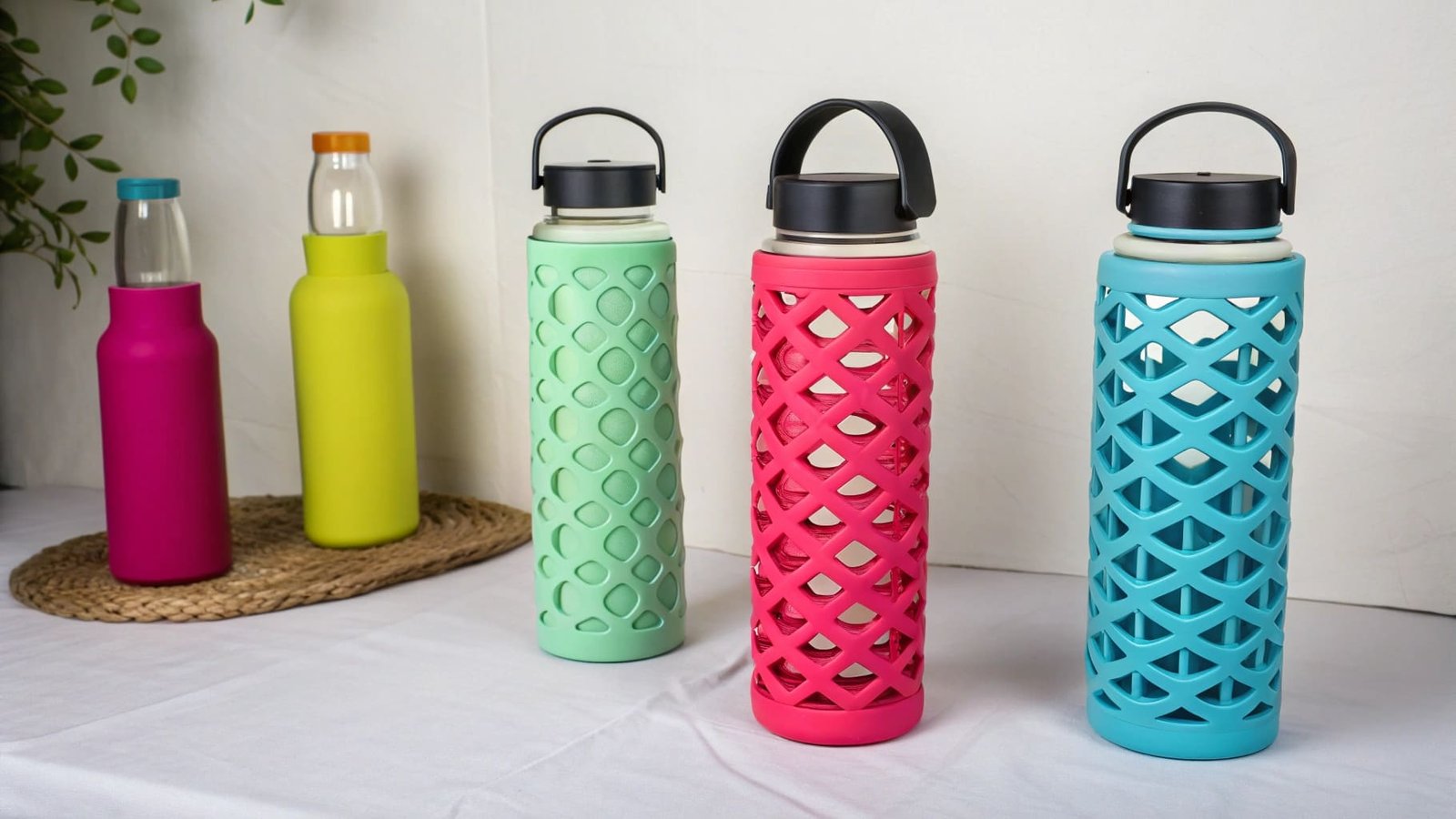
I had a buyer from Vancouver last year. She ordered sleeves for her custom tumblers. She measured the tumbler at the base instead of the rim. The base was narrower. When the sleeves arrived, they were too loose at the top. The sleeves kept sliding off. She lost $3,000 on that order.
The correct measurement process takes five minutes. You need a flexible measuring tape. Wrap it around the cup at the widest point. This is usually at the top rim. Write down this circumference measurement. Do not pull the tape tight. Keep it snug but not stretched.
Next, measure the vertical height. Place the tumbler on a flat surface. Measure from the bottom to the top rim. If your tumbler has a tapered shape, measure at three points: top diameter, middle diameter, and bottom diameter. Send all three measurements to your supplier.
Neoprene stretches. This is important. A sleeve with 8 inches circumference can stretch to 9.2 inches. This means one size fits a range of tumblers. You can reduce your SKU count. Less inventory complexity saves money. But you cannot stretch neoprene beyond 15%. The material loses its grip. It becomes loose and slides around.
I always tell buyers to measure three sample tumblers. Sometimes manufacturing tolerances vary. One tumbler might be 3 inches diameter. Another from the same batch might be 3.1 inches. Taking the average gives you the most accurate specification.
Here is my measurement checklist:
| Measurement Point | How to Measure | Why It Matters |
|---|---|---|
| Top Circumference | Wrap tape around rim, snug not tight | Determines sleeve opening size |
| Bottom Circumference | Measure around base | Confirms taper angle |
| Height | Base to rim, vertical only | Sets sleeve length |
| Middle Circumference | Wrap tape at center point | Checks for dramatic taper |
| Stretch Test | Pull sample 15% wider | Verifies size flexibility range |
I also recommend ordering samples first. Send your actual tumbler to the supplier. They make a sample sleeve. You test the fit before placing bulk orders. This costs $50-100 but saves thousands in potential returns.
What Are the Key Shipping Logistics for Bulk Orders?
Shipping logistics destroy profit margins when you get them wrong. I have seen buyers pay more for shipping than the actual product cost. This happens with poor planning.
The key shipping considerations include moisture-proof packaging with desiccants, volumetric weight calculations favoring sea freight, compressed packing to maximize container capacity, and scheduling 60-90 days before peak demand to avoid surcharges and stockouts.
Two years ago, a buyer ordered 50,000 sleeves for Christmas season. He placed the order in October. I told him this was too late. He did not listen. The container arrived on December 28th. His entire season was over. He sold maybe 2,000 units. The rest sat in his warehouse until the next year.
Moisture control comes first. Neoprene absorbs water. In a sealed container crossing the ocean, condensation builds up. The temperature changes from port to port. Your sleeves arrive with mildew spots. They smell bad. Customers return them immediately. You need silica gel packets in every carton. Add moisture barrier bags for extra protection.
Volumetric weight matters more than actual weight for neoprene. A carton of 1,000 sleeves might weigh only 15kg. But the box dimensions are 60cm x 40cm x 50cm. Airlines calculate shipping cost by volume. The volumetric weight comes out to 48kg. You pay for 48kg, not 15kg. Sea freight charges by container space, not by weight. For orders over 5,000 units, sea freight costs 60-70% less.
Container capacity requires smart planning. Neoprene compresses. If you just stack regular cartons, you waste 40% of container space. I work with our factory to compress and nest the sleeves during packing. We fit 75,000 sleeves in a 20-foot container. Standard packing only fits 45,000 units. That is 67% more product per container.
Timing is everything in this business. Summer is peak season for drinkware. Everyone orders in April and May. Shipping rates double. Container space becomes scarce. Smart buyers place orders in January or February. The products arrive in April, ready for summer rush. Same logic applies to Q4 holiday season. Order in July or August for October arrival.
Here is my shipping cost comparison:
| Order Quantity | Air Freight Cost | Sea Freight Cost | Transit Time Air | Transit Time Sea | Recommended Method |
|---|---|---|---|---|---|
| 1,000 units | $800-1,200 | $200-300 | 5-7 days | 25-35 days | Air for urgency |
| 5,000 units | $3,500-4,500 | $400-600 | 5-7 days | 25-35 days | Sea preferred |
| 10,000 units | $7,000-9,000 | $600-900 | 5-7 days | 25-35 days | Sea only |
| 30,000 units | $21,000-27,000 | $1,200-1,800 | 5-7 days | 25-35 days | Sea only |
I also recommend buyers consider partial shipments for large orders. Split 30,000 units into two containers. Ship the first one 90 days before your season. Ship the second one 60 days out. This reduces your warehouse costs. You only stock inventory as you need it. If market demand shifts, you can adjust the second shipment.
Conclusion
Successful bulk neoprene sleeve procurement requires understanding product specifications and shipping logistics. Plan 60-90 days ahead, use proper moisture protection, and choose sea freight for cost efficiency.