What Are the Top Coffee Cup Accessories B2B Buyers Should Stock?
Your shelves might be full of coffee cups, but your customers keep asking for something more. They want protection for their hands, lids that actually seal, and ways to keep their drinks hot during long commutes. I see this pattern every day in my conversations with importers.
B2B buyers should stock silicone sleeves, spill-proof lids1, reusable straws, and base protectors in 2026. These accessories solve real problems for end users. They add value to standard drinkware purchases. Smart buyers bundle these items with mugs to increase order values and customer satisfaction.
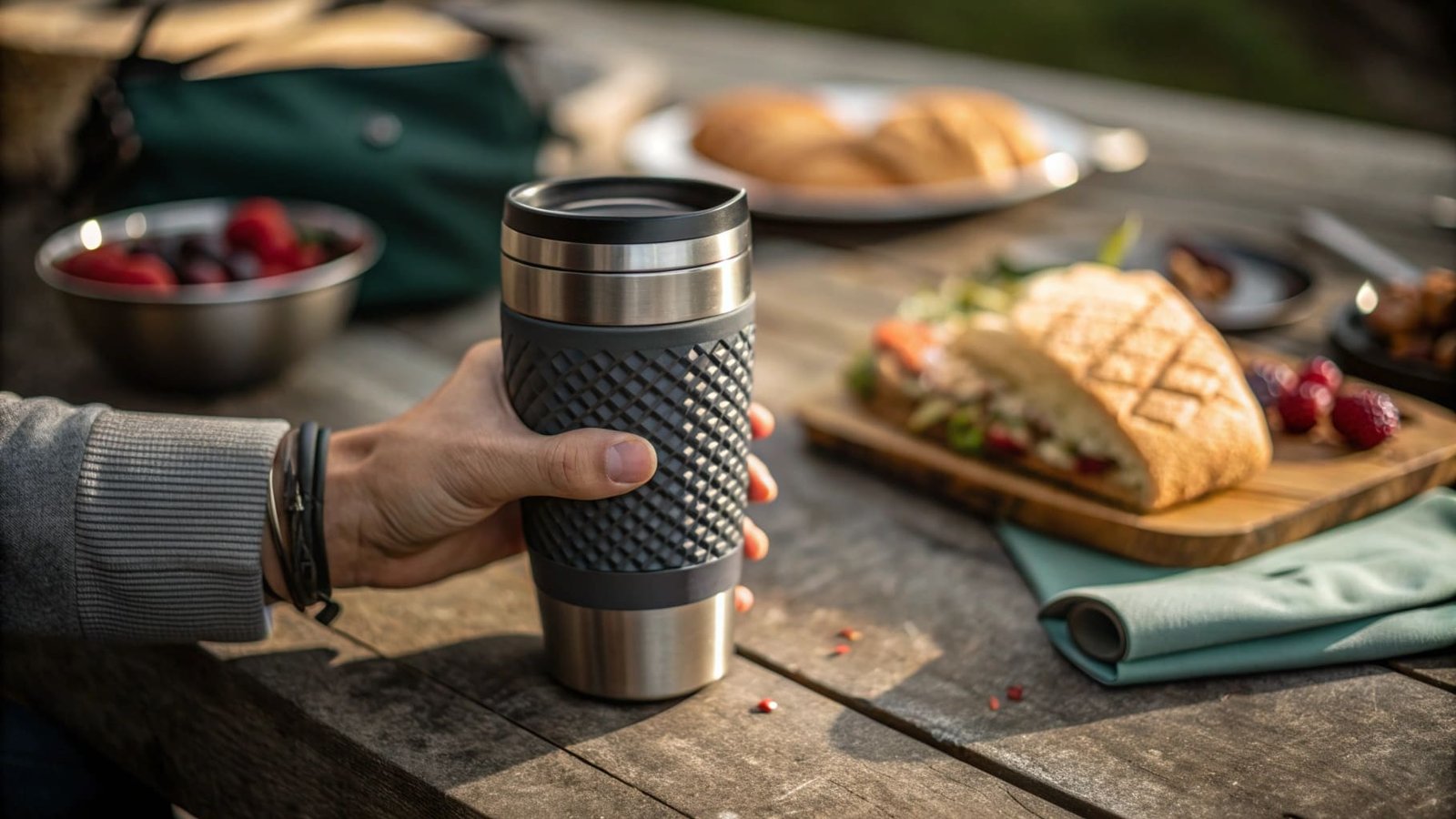
I learned this lesson three years ago when a Canadian buyer called me frustrated. He sold thousands of stainless steel tumblers but kept getting complaints. The cups were too hot to hold. They tipped over easily in cars. He needed solutions fast.
Is There a Market for Coffee Mugs?
Walk into any office and count the coffee cups on desks. You will find at least one per person. But the market shifted. People now buy complete drinking systems, not just basic mugs.
The global coffee mug market exceeded $2.5 billion in 2024 and continues growing. Consumers replace their drinkware every 18 months on average. Corporate gifting accounts for 35% of B2B purchases. This creates steady demand for quality accessories.
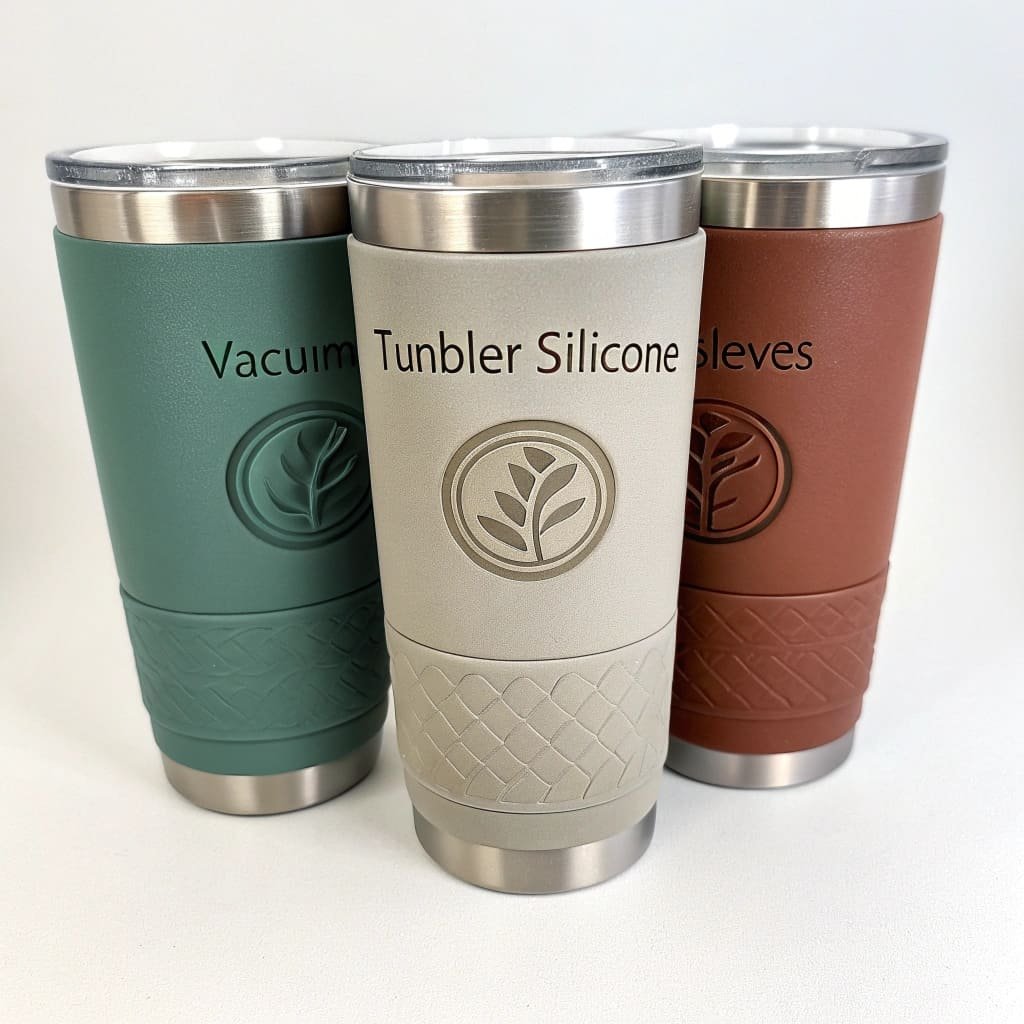
I track industry data because my business depends on understanding buyer behavior. The numbers tell a clear story. Coffee culture expanded beyond morning routines. People carry premium drinkware2 to gyms, hiking trails, and business meetings. This shift created opportunities for accessory sales.
The market breaks down into several buyer segments. Corporate procurement teams order branded merchandise for employees and clients. Promotional product distributors need inventory that travels well and impresses recipients. Retail buyers want items that solve complaints and reduce returns. Each segment values accessories differently, but all recognize that basic mugs no longer meet customer expectations.
I work with buyers who serve these markets. They tell me their customers ask specific questions. Can I wash this in the dishwasher? Will it fit my car cup holder? Does it leak when I throw it in my bag? Standard mugs answer maybe one of these questions. Mugs with proper accessories answer all three.
Market Demand by Product Category
| Product Type | Market Share | Growth Rate | Primary Buyers |
|---|---|---|---|
| Stainless Steel Tumblers | 42% | 8% annually | Corporate, Retail |
| Ceramic Mugs | 28% | 2% annually | Corporate Gifts |
| Glass Drinkware | 15% | 5% annually | Premium Retail |
| Travel Systems | 15% | 12% annually | All Segments |
The data shows where smart money goes. Travel systems grow fastest because they include accessories. Buyers pay premium prices for complete solutions. I see this in my order patterns. Customers who buy silicone sleeves3 with their tumblers reorder faster and place larger orders.
What Material Mug Keeps Coffee Hot the Longest?
Your morning coffee turns cold by your second meeting. You paid good money for that cup. This frustrates end users and leads to negative reviews for sellers.
Double-wall stainless steel vacuum-insulated mugs4 maintain heat longest, typically 6 to 12 hours. The vacuum between walls stops heat transfer. Quality construction matters more than brand names. Poor welds or thin walls reduce performance significantly.
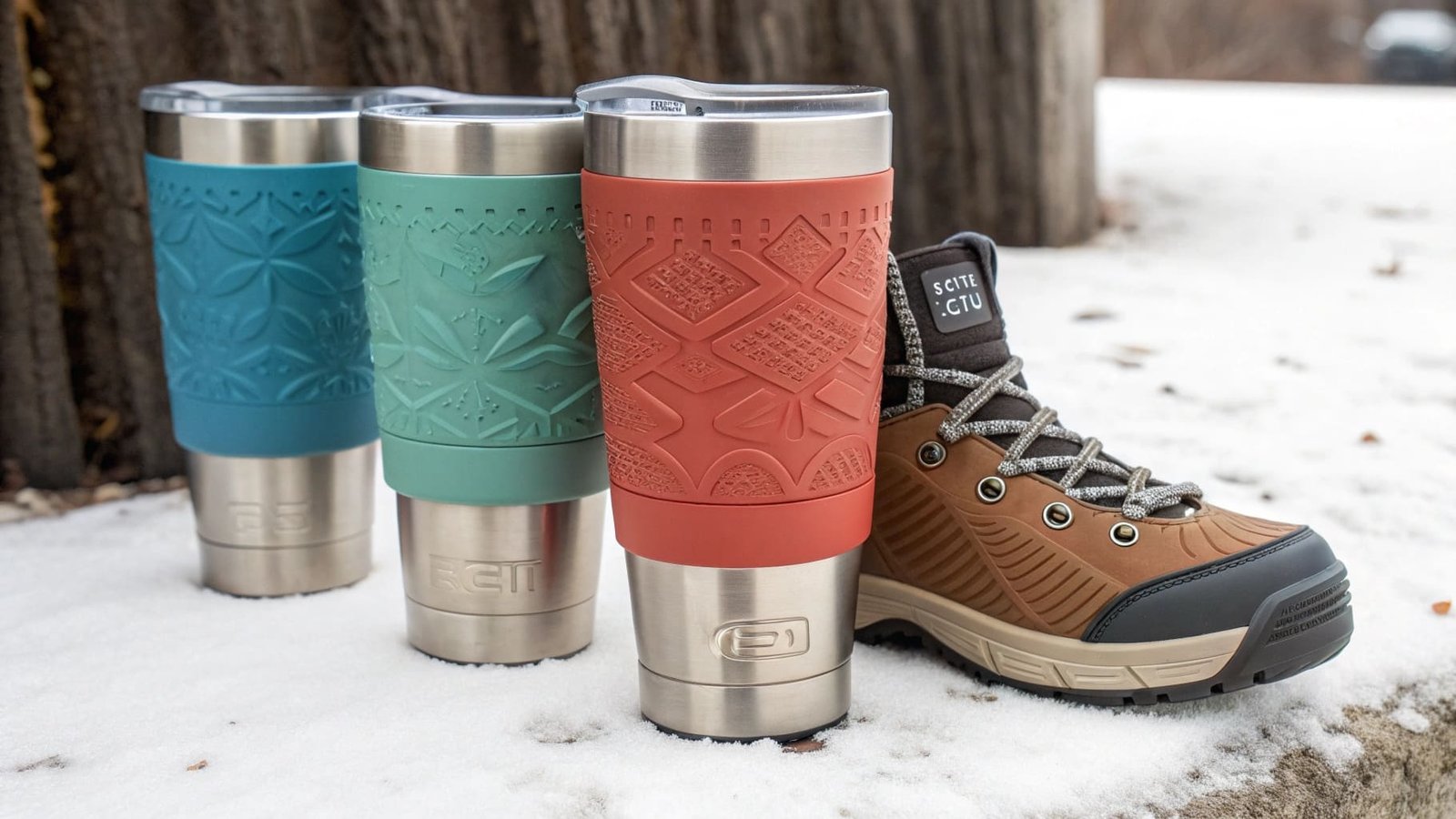
I test samples from different suppliers before adding them to my catalog. The differences shock many buyers. Two cups that look identical can perform completely differently. I fill them with 200-degree water and measure temperature loss every hour. The best stainless steel mugs lose only 20 degrees in the first hour. Poor quality mugs lose 40 degrees or more.
But material alone does not guarantee performance. I learned this from Mark, a buyer in Canada who imports tumblers from my factory. He ordered premium stainless steel cups but customers still complained about heat loss. We investigated together and found the problem. His cups had excellent wall construction but came with cheap plastic lids. Heat escaped through the lid faster than through the walls.
The solution changed his business. We replaced his standard lids with silicone ones that sealed properly. Temperature retention improved by 30%. Customer complaints dropped to almost zero. He now orders silicone lids automatically with every tumbler purchase.
Three factors determine real-world heat retention. First is the vacuum quality between walls. Second is lid seal effectiveness. Third is external insulation from sleeves or boots. Most buyers focus only on the first factor. Smart buyers optimize all three. I recommend stainless steel bodies paired with silicone sealing lids and protective sleeves. This combination outperforms any single material solution.
What Is the Best Cup to Keep My Coffee Hot?
You need coffee hot for your entire workday. Basic cups fail you by 10 AM. Your customers deserve better solutions than constant microwave trips.
The best system combines stainless steel vacuum walls with silicone accessories. The steel provides core insulation. Silicone lids prevent heat escape. Protective sleeves add an outer barrier. This three-layer approach beats any single-material cup.
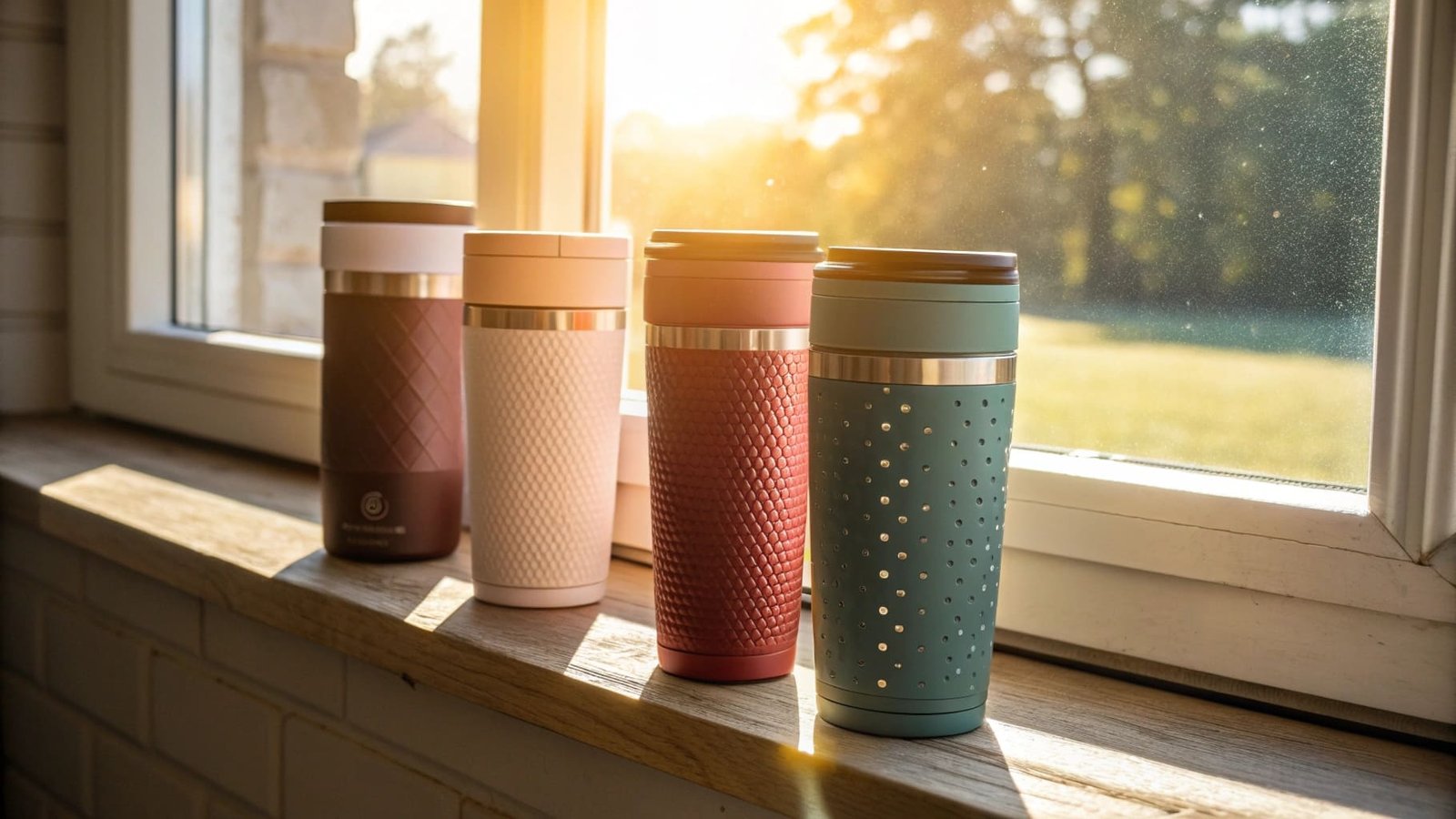
My company silijoy specializes in these silicone accessories. I talk with hundreds of importers each year. They share the same story. Their customers want maximum heat retention without burning their hands or dealing with leaks. Standard cups cannot deliver all these benefits.
I recommend a complete system approach for B2B buyers. Start with quality stainless steel tumblers that have proven vacuum performance. Add custom-fit silicone sleeves that provide grip and thermal protection. Include spill-proof silicone lids with reliable seal mechanisms. Offer silicone straws for customers who prefer them. This bundle solves multiple problems at once.
The economics work in your favor. Accessories cost a fraction of cup prices but add substantial perceived value. A $12 tumbler with a $2 sleeve and $1.50 lid sells for $20 to $22 at retail. Your margin improves because accessories carry higher markup percentages. Customers feel they got a complete solution instead of a basic product.
I work with Mark on his inventory strategy. He now stocks three accessory options for every tumbler style. Standard fit sleeve in neutral colors. Premium sleeve with custom branding. Spill-proof lid system with straw compatibility. His customers choose packages based on their use case. Office workers want simple sleeves. Active outdoor users pick the full system. This flexibility increased his average order value by 40%.
Complete Hot Coffee System Components
| Component | Function | Material | Temperature Benefit |
|---|---|---|---|
| Vacuum Walls | Core insulation | Stainless Steel | 6-8 hours retention |
| Sealing Lid | Prevents heat escape | Food-grade Silicone | +2-3 hours retention |
| Protective Sleeve | External barrier | Silicone | +1-2 hours retention |
| Base Protector | Prevents cold transfer | Silicone | Maintains bottom heat |
The table shows how each component contributes. Buyers who understand this can educate their customers effectively. I provide similar breakdowns in my product catalogs. Sales teams use these specs to explain value instead of competing only on price.
Quality matters more than ever in 2026. End users research products before buying. They read reviews and compare specifications. B2B buyers need inventory that meets these informed expectations. Cheap accessories hurt your brand reputation faster than they save money. I manufacture our silicone products to FDA and LFGB standards because international buyers need compliance proof.
My advice for buyers preparing 2026 inventory comes from tracking market trends and customer feedback. Stock accessories that solve specific problems. Silicone sleeves prevent burns and add branding space. Spill-proof lids protect car interiors and laptop bags. Tumbler boots stop condensation rings on furniture. Each accessory addresses a complaint your customers hear regularly.
The coffee culture shift creates opportunity for prepared buyers. People invest in quality drinkware because they use it daily. They want products that work properly and last multiple years. Accessories extend product life and improve user experience. This drives repeat purchases and positive word-of-mouth marketing.
I see successful buyers follow a pattern. They start with small accessory orders to test their market. They bundle items with existing cup inventory. They track which combinations sell best. Then they scale orders based on real data. This approach minimizes risk while capturing market opportunity.
Conclusion
Stock silicone accessories alongside your coffee cups to meet 2026 buyer expectations and increase profit margins through complete drinking solutions.
-
Learn about the advantages of spill-proof lids in preventing leaks and spills. ↩
-
Discover what makes drinkware premium and how it influences consumer choices. ↩
-
Explore how silicone sleeves enhance grip and thermal protection for coffee cups. ↩
-
Explore the technology behind vacuum insulation and its impact on drink temperature. ↩