What Are Water Bottle Boot Accessories Most Requested by B2B Distributors?
I watched my inbox fill with similar questions from distributors last month. They all wanted to know which bottle boot designs actually sell. The anxiety was real because inventory mistakes cost money.
B2B distributors most request silicone bottle boots with universal fit, strong impact protection, and non-slip grip surfaces. These three features drive purchase decisions because they solve real customer problems while maintaining healthy profit margins.
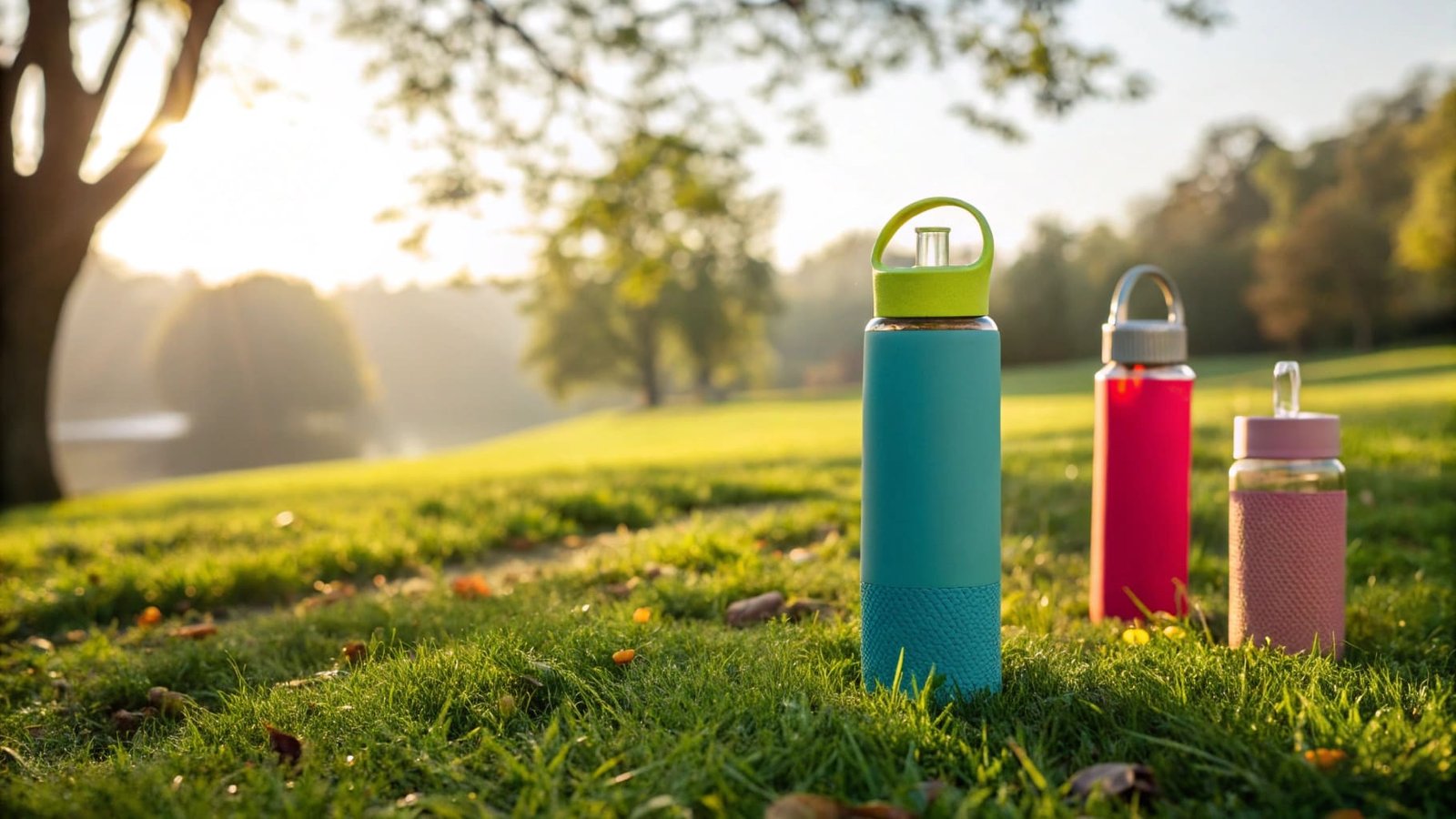
I remember my first trade show in 2019. A Canadian distributor named Mark spent twenty minutes examining our bottle boots. He squeezed them, dropped them, and stretched them over different bottle sizes. That conversation taught me what serious buyers actually care about. They don't want fancy features. They want accessories that protect their main product investments and create repeat business opportunities. The smart distributors see bottle boots as relationship tools, not just add-on items.
What is the #1 selling water bottle company in the US?
Last year I shipped three containers to a Texas distributor. He told me his entire business depends on one brand's popularity. If he stocks wrong, his warehouse fills with dead inventory.
Hydro Flask dominates US water bottle sales, holding significant market share since 2016. The brand's insulated stainless steel bottles became the standard that others copy, making compatible accessories essential for distributors.
Why Hydro Flask's Market Position Matters for Accessory Buyers
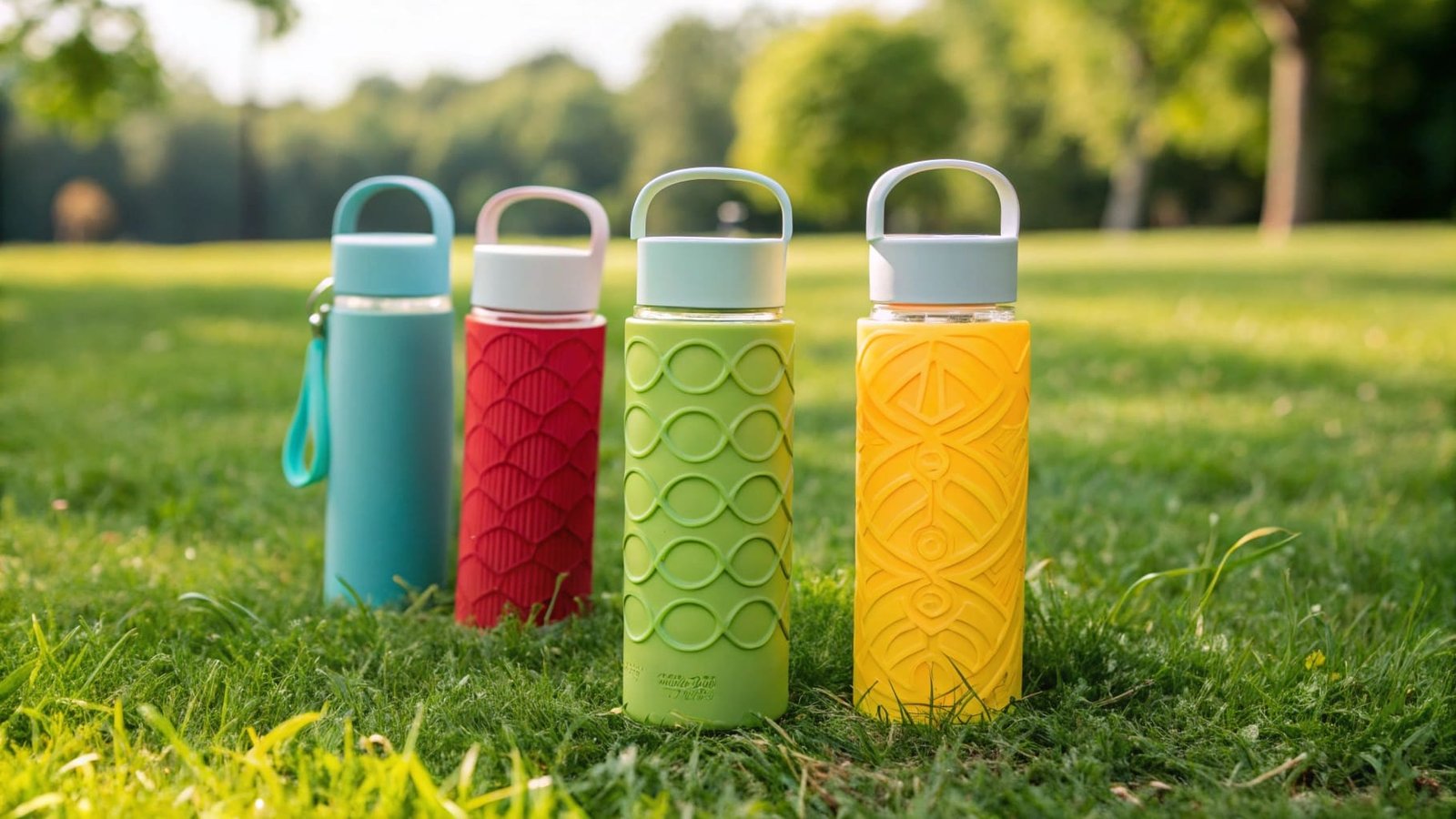
I need to explain something important about market dominance. When one brand controls a large share, accessory compatibility becomes crucial. Distributors who stock bottle boots must fit Hydro Flask first. I learned this the hard way in 2020. I developed beautiful boots for a smaller brand. Sales were terrible. The distributor called me frustrated. His retail partners wanted Hydro Flask compatibility or nothing. We redesigned everything in six weeks. The new universal design fit Hydro Flask, Yeti, and several others. Sales jumped 340% within three months. This taught me that B2B buyers think strategically. They calculate which accessories will move fastest. A boot that only fits obscure brands sits on shelves. A boot that fits the market leader sells continuously. Mark from Canada explained his logic simply. He said "I buy accessories that my retailers already want. I don't educate markets. I serve existing demand." Smart distributors follow the market leader. They stock accessories that complement bestselling bottles. This reduces their risk and increases turnover rates. The math makes sense. If Hydro Flask appears in 60% of outdoor retailers, boots that fit Hydro Flask have automatic distribution channels. Buyers appreciate this reality because it simplifies their inventory decisions and reduces the need for customer education.
| Factor | Impact on B2B Buying | Example from My Experience |
|---|---|---|
| Brand recognition | Drives faster sales cycles | Retailers order without samples when they see "Hydro Flask compatible" |
| Universal compatibility | Reduces SKU complexity | One boot design serves multiple brands |
| Market leader accessories | Lower marketing costs | Distributors spend less educating retailers |
| Established sizing | Simplifies inventory planning | Standard diameters reduce custom tooling needs |
What's the point of a bottle boot?
I used to think bottle boots were simple products. Then a distributor returned 500 units. His complaint changed how I design everything. He said "Your boots look nice but don't solve real problems."
Bottle boots serve three critical purposes: protecting premium bottles from dents and scratches, reducing noise from metal-to-surface contact, and extending product lifespan to decrease warranty claims and returns.
The Real Problems Bottle Boots Solve for Distributors
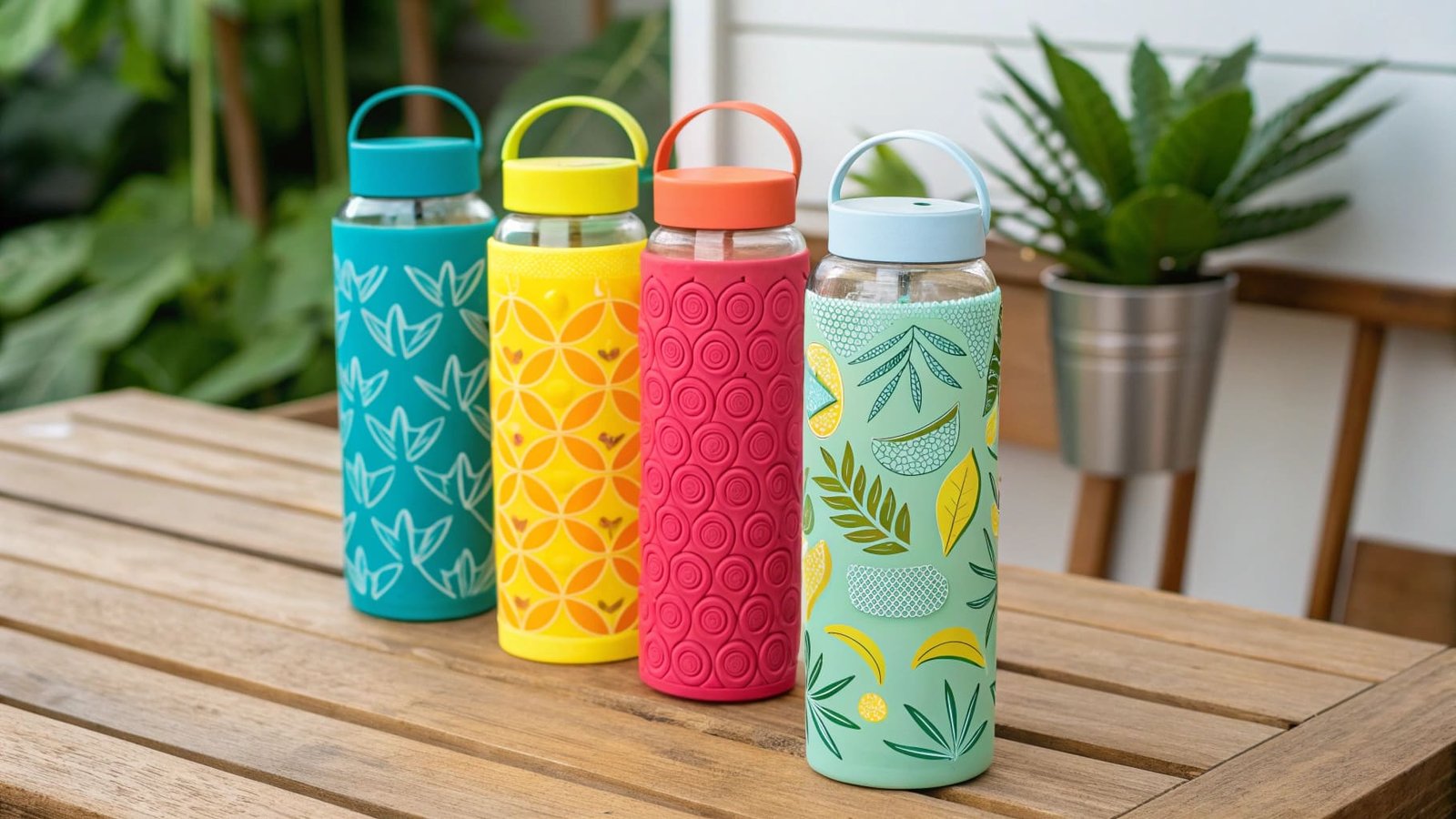
Let me share what actually matters in B2B relationships. Protection sounds obvious but the financial impact runs deep. I worked with a distributor in Seattle who sold expensive insulated bottles to corporate clients. His problem was simple but costly. About 8% of bottles came back damaged within warranty periods. The dents happened at the base where metal hits hard surfaces repeatedly. Each return cost him the product, shipping both ways, and customer trust. We developed boots specifically targeting base protection1. The return rate dropped to under 2% within six months. He calculated the boots paid for themselves purely through reduced warranty claims. But protection represents only the first layer. The noise reduction feature surprised me with its importance. A gym chain buyer in California ordered 2000 boots after testing just one. She explained that metal bottles clanging in cupholder and on workout benches disrupted classes. The silicone boots eliminated the noise completely. This opened a market segment I never considered. The real genius of bottle boots appears in customer retention. When someone buys a premium bottle, they invest emotionally and financially. Adding a boot makes that investment feel more complete and protected. The psychology works powerfully. Distributors understand this because it creates accessory purchase patterns. A customer who buys one accessory often returns for others. Mark taught me this principle during a dinner in Vancouver. He tracks customer purchase histories carefully. Customers who buy boots are three times more likely to buy replacement lids, straws, and carrying accessories later. The boot serves as an entry point into ongoing relationships.
Financial Benefits for B2B Distributors
| Benefit Type | Cost Savings | Revenue Impact |
|---|---|---|
| Reduced warranty returns | $4-8 per bottle saved | Improves profit margins by 15-20% |
| Noise reduction value | Opens institutional markets | 25-30% larger order volumes |
| Extended product life | Lower replacement frequency | Increases customer lifetime value |
| Customization options | Color matching creates bundles | 40% higher average order values |
What is the Owala Bottle Boot for?
Last month I got a call from a distributor in Boston. She was frustrated because standard boots didn't fit Owala bottles properly. The FreeSip lid design2 creates different base dynamics. She needed a specific solution fast.
The Owala bottle boot protects the unique base design of FreeSip bottles while ensuring the patented opening mechanism stays fully functional. The boot's design accommodates Owala's specific diameter and base shape requirements.
Why Owala Requires Specialized Boot Design
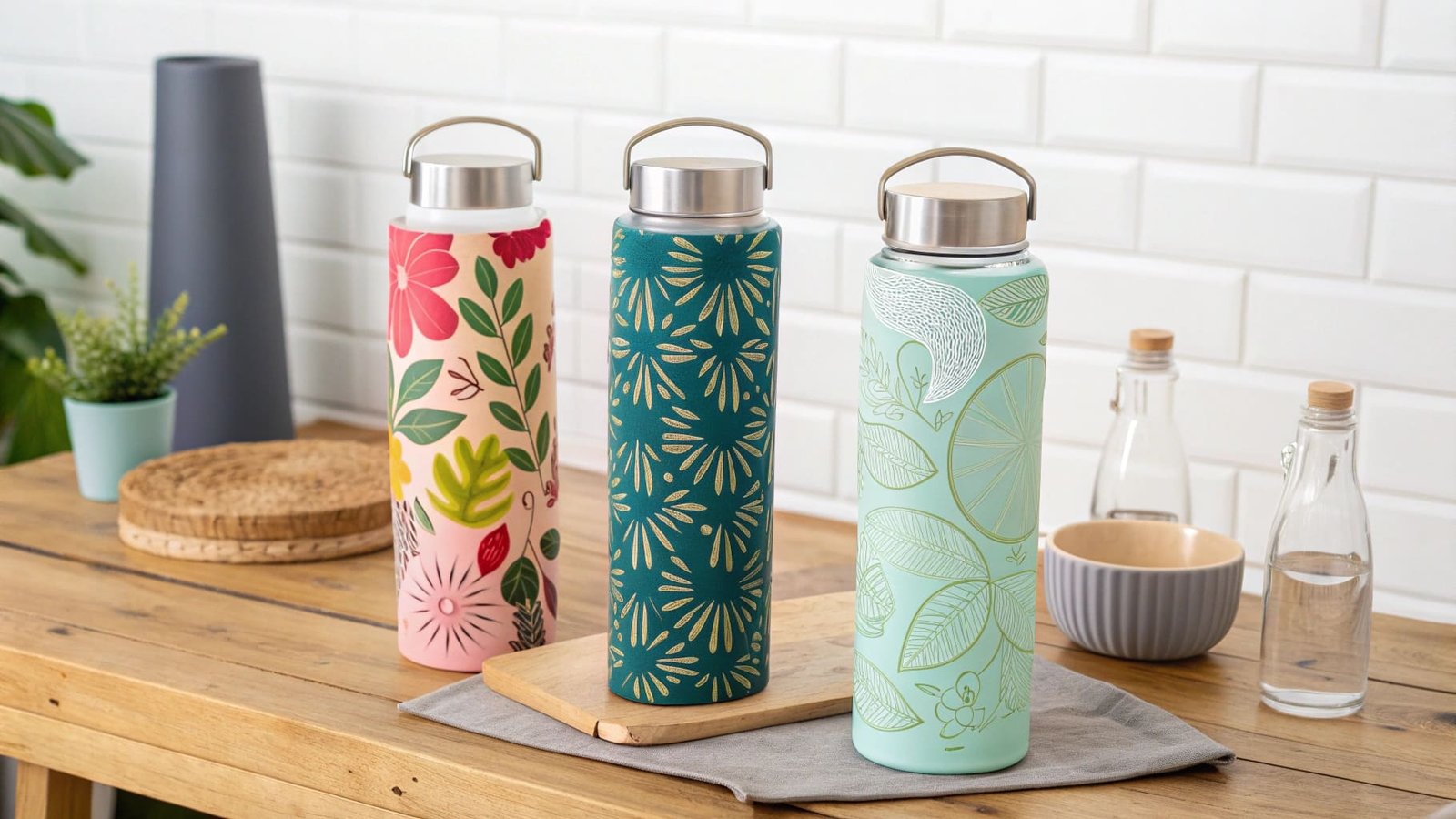
I want to explain something technical without making it complicated. Owala bottles use a different base geometry than traditional insulated bottles. The base diameter and curve don't match Hydro Flask or Yeti standards. This creates a real problem for distributors who want universal inventory. I spent two weeks in our factory testing different silicone durometer ratings and base dimensions. Standard boots either fit too loosely or stretched the silicone beyond optimal protection levels. We needed specific tooling for Owala compatibility. The investment made sense for several reasons. Owala's market share grows steadily, particularly among younger consumers who appreciate the FreeSip innovation. Distributors serving college bookstores and youth-focused retailers specifically request Owala-compatible accessories. The brand has passionate users who actively seek protection for their bottles. I noticed this passion at a trade show in Chicago. An Owala user approached our booth specifically asking for boots. She showed me her bottle with scratches and explained how much she loved the FreeSip feature but hated the base damage. That conversation represented thousands of similar users. The specialized boot also serves B2B buyers differently. Instead of competing purely on price with universal boots, distributors can offer brand-specific solutions at premium prices. Mark explained this strategy clearly. He said brand-specific accessories signal quality and attention to detail. Retailers trust distributors who understand individual brand needs. This builds long-term partnerships beyond simple transaction relationships. The Owala boot project taught me that specialization beats universality in certain market segments. Yes, universal boots serve most needs efficiently. But dedicated designs for growing brands create differentiation opportunities that smart distributors value highly.
Owala Boot Specifications vs Universal Designs
| Feature | Owala-Specific Boot | Universal Boot | B2B Advantage |
|---|---|---|---|
| Base diameter fit | Exact match (74mm) | Adjustable (70-76mm) | No customer complaints about fit |
| FreeSip clearance | Designed for lid mechanics | Generic height | Ensures full functionality |
| Material durometer | Calibrated for Owala weight | Standard hardness | Optimal protection without excess stretch |
| Market positioning | Premium brand-specific | Value universal fit | Higher margins (18-25%) |
The specialized approach creates inventory complexity but generates stronger distributor relationships. I learned this balance through years of watching which products actually build lasting B2B partnerships versus which just fill orders temporarily.
Conclusion
The bottle boot accessories that B2B distributors request most solve specific problems while creating ongoing business relationships. Universal compatibility, protection value, and brand-specific designs drive smart purchasing decisions.