What Certifications Are Required for Silicone Cup Covers in North American Markets?
You just received a shipment of silicone cup covers. Your customs broker calls with bad news. The products lack proper FDA documentation. Your inventory sits in a warehouse, unsellable.
For North American markets, silicone cup covers need FDA 21 CFR 177.2600 compliance documentation. This includes Certificates of Compliance and third-party lab test reports1. LFGB certification holds no legal value in the US or Canada.
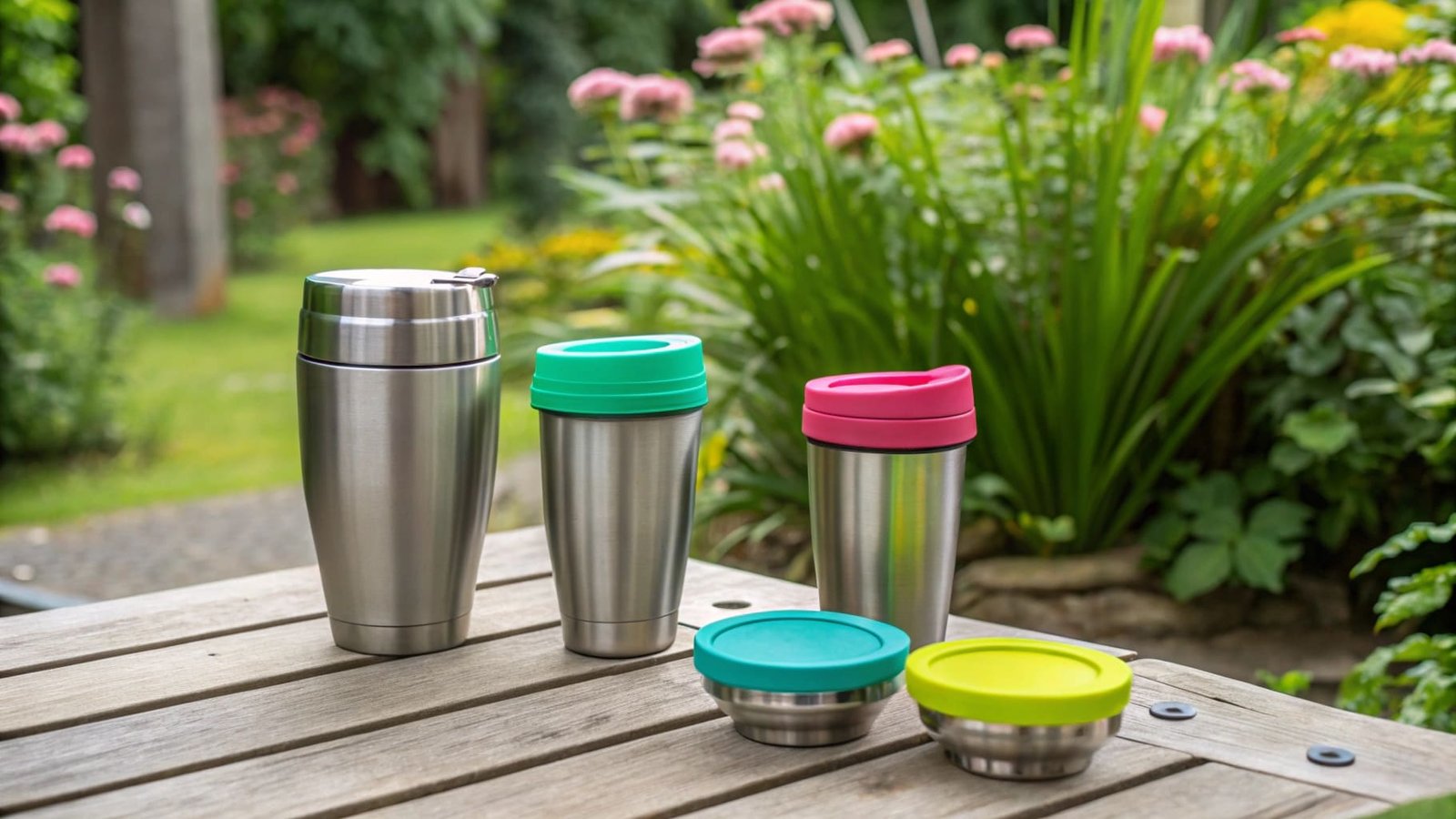
I learned this lesson the hard way during my first year in the silicone business. A Canadian buyer ordered 5,000 silicone tumbler boots. He provided me with what he called "all necessary certifications." I shipped the goods without double-checking. Two weeks later, he faced customs delays because the paperwork was incomplete. That experience taught me to dig deeper into certification requirements. Now I make sure every buyer knows exactly what documentation they need before placing orders.
What is LFGB certified silicone?
You see "LFGB certified" on supplier websites. It sounds impressive. But you wonder if this certification matters for your North American customers.
LFGB is a German food safety regulation. It tests silicone materials for chemical migration limits. The certification proves products meet European food contact standards but has zero legal standing in North America.
Understanding LFGB Standards
LFGB stands for Lebensmittel- und Futtermittelgesetzbuch. This German law regulates food contact materials across the European Union. The testing process examines whether harmful substances migrate from silicone into food or beverages.
Many Chinese suppliers promote LFGB certification because European buyers request it. The tests measure specific chemical compounds. These include volatile organic compounds and heavy metals. The lab simulates food contact conditions using different temperatures and contact times.
| Test Parameter | Purpose | North American Relevance |
|---|---|---|
| Migration limits | Measures chemical transfer | Not recognized by FDA |
| Heavy metal content | Detects toxic elements | FDA has separate standards |
| Volatile compounds | Identifies harmful vapors | Different testing methods required |
| Temperature resistance | Tests material stability | Similar concerns but different protocols |
I once had a buyer from Toronto who insisted on LFGB certification. He believed this would satisfy Canadian regulations. I explained that Canadian authorities follow FDA guidelines for food contact materials. He needed FDA compliance documentation instead. We spent two weeks getting the correct paperwork. The delay cost him valuable time during his peak season. This situation happens more often than you might think. Many buyers confuse European standards with North American requirements.
Is silicone cup safe for health?
Your customers ask if silicone cups pose health risks. You need a clear answer to address their concerns and protect your brand reputation.
Food-grade silicone cup covers are safe when properly manufactured. Quality silicone does not leach BPA or phthalates. The material remains stable across temperature ranges from -40°C to 230°C without degrading.
The Science Behind Silicone Safety
Silicone is a synthetic polymer made from silicon, oxygen, carbon, and hydrogen. The molecular structure creates a stable material that resists chemical reactions. This stability makes silicone ideal for food contact applications.
The safety of silicone cups depends on two critical factors. First, the base material must be food-grade silicone2. Second, the curing process must use appropriate methods. Platinum-cured silicone offers superior purity compared to peroxide-cured alternatives.
| Curing Method | Safety Level | Cost | Recommended Use |
|---|---|---|---|
| Platinum-cured | Highest purity | Premium | Food contact products |
| Peroxide-cured | Lower purity | Budget-friendly | Non-food applications |
| Addition-cured | Medium purity | Moderate | General purpose items |
Platinum-cured silicone uses platinum as a catalyst. This process leaves no harmful residues in the final product. The material maintains its properties even after repeated use and washing. Peroxide-cured silicone uses organic peroxides as catalysts. Small amounts of peroxide residues can remain in the finished product.
I test every batch of silicone products we manufacture. Last month, a startup founder from Seattle wanted to cut costs. He asked if peroxide-cured silicone would work for his tumbler boots. I showed him the test results comparing both methods. The platinum-cured samples showed zero detectable residues. The peroxide-cured samples had trace amounts of volatile compounds. He chose platinum-cured material. His customers now rave about the product quality.
The health safety of silicone cups also depends on proper manufacturing conditions. Clean room environments prevent contamination. Temperature control during curing ensures complete polymerization. Quality suppliers maintain strict production protocols. These measures guarantee the final product meets safety standards.
Is all silicone FDA approved?
You assume all silicone products carry FDA approval. This common misconception can lead to serious compliance issues and rejected shipments.
The FDA does not pre-approve materials. Manufacturers must ensure their silicone formulations meet FDA 21 CFR 177.2600 requirements. Buyers need to request Certificates of Compliance and third-party lab test reports as proof.
The FDA Compliance Process
FDA compliance works differently than most buyers expect. The FDA publishes regulations that define acceptable materials and additives. Manufacturers must formulate their products to meet these specifications. No government agency stamps approval on individual products before they enter the market.
FDA 21 CFR 177.2600 specifically covers silicone rubber articles intended for repeated food contact. This regulation lists permitted ingredients and sets limits on extractable substances. Manufacturers must demonstrate compliance through proper testing.
| Documentation Type | What It Proves | Who Issues It |
|---|---|---|
| Certificate of Compliance | Material meets FDA regulations | Manufacturer |
| Third-party lab report | Independent test results | Accredited laboratory |
| Material Safety Data Sheet | Chemical composition | Raw material supplier |
| Migration test results | Safety under use conditions | Testing laboratory |
A Certificate of Compliance is a written statement from the manufacturer. This document declares that all ingredients come from FDA-approved sources. The certificate should reference specific FDA regulations. It must include batch numbers and production dates.
Third-party lab reports provide independent verification. Accredited laboratories test silicone samples for extractable substances. These tests simulate real-world conditions. The samples undergo exposure to various food simulants at different temperatures. The lab measures what substances migrate from the silicone.
I work with several testing laboratories across China and the United States. One of my Canadian customers needed urgent documentation for a customs inspection. His previous supplier had provided a generic certificate. The customs officer rejected it because it lacked specific test data. We rushed samples to our partner lab. Within 48 hours, we had complete migration test reports. The shipment cleared customs. My customer learned that generic certificates rarely satisfy regulatory requirements.
The confusion about FDA approval stems from misleading marketing. Some suppliers claim their products are "FDA approved" to sound more legitimate. This language creates false confidence. Smart buyers dig deeper. They ask specific questions about testing methods and ingredient sources.
You must verify that your supplier uses only FDA-listed additives in their silicone formulation. The raw material suppliers should provide their own compliance documentation. This paper trail proves every component meets regulatory standards. Without this documentation, you cannot confirm true FDA compliance.
Many buyers also overlook the importance of regular testing. Compliance is not a one-time achievement. Manufacturers should conduct periodic testing to ensure consistency. Formula changes, new raw material suppliers, or production process modifications all require retesting. Ask your supplier how frequently they update their compliance documentation.
Conclusion
FDA 21 CFR 177.2600 compliance protects your business in North American markets. Request proper documentation, verify curing methods, and partner with transparent suppliers who prioritize testing and quality assurance.