What Makes Silicone Bite Valves Ideal for OEM Hydration System Projects?
I've spent years working with OEM partners who struggle to find reliable hydration components. Many face delayed shipments, quality inconsistencies, and suppliers who don't understand technical requirements. These problems cost you money and damage your brand reputation.
Silicone bite valves offer self-sealing technology and temperature resistance that plastic alternatives cannot match. They work through pressure-activated mechanisms that eliminate manual operations, making them perfect for hands-free drinking during sports activities.
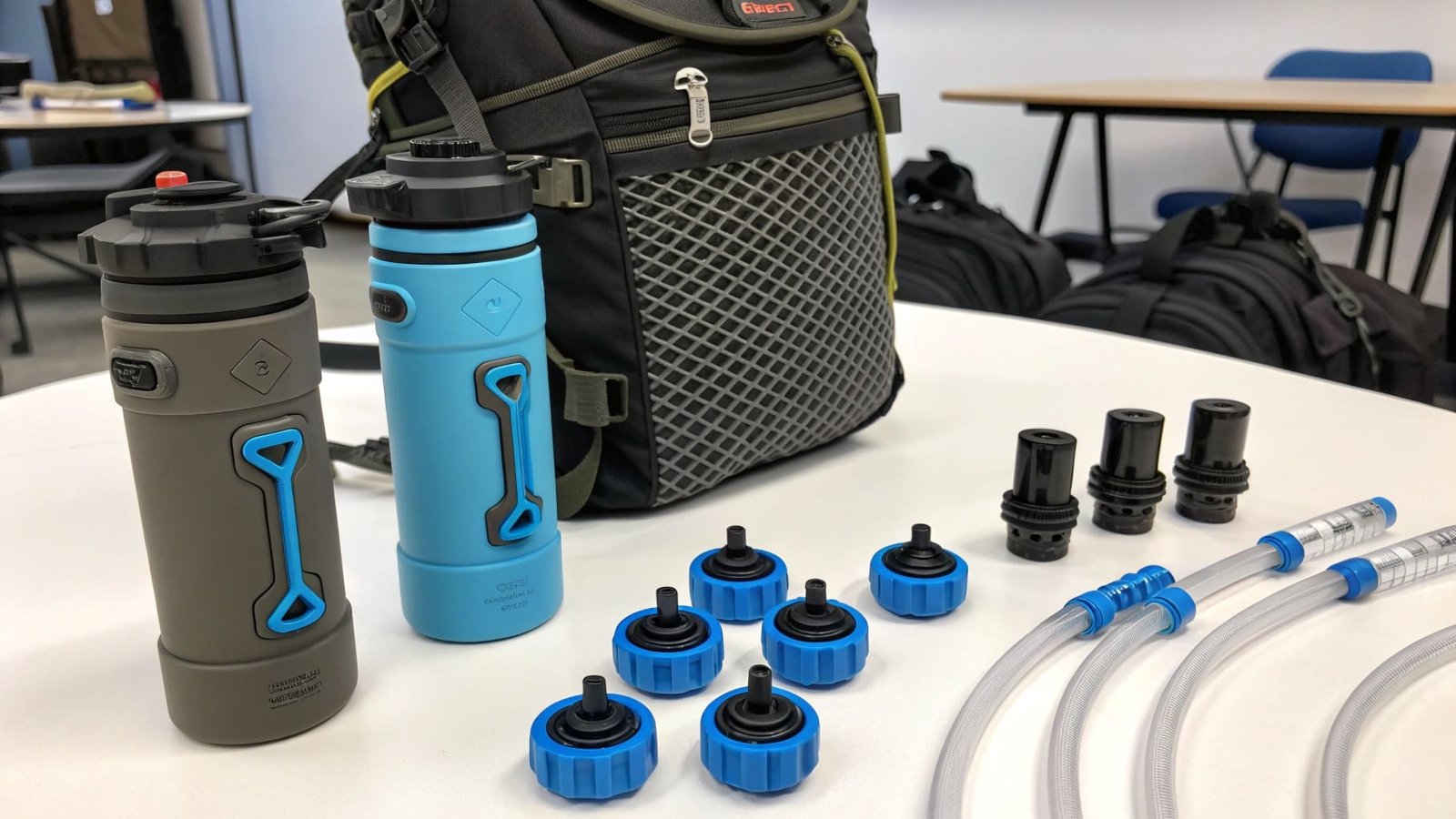
I've watched countless OEM projects fail because buyers chose the wrong valve type or worked with suppliers who couldn't deliver consistent quality. This article breaks down everything you need to know about silicone bite valves for your hydration system projects. I'll answer the questions that matter most to your procurement decisions.
How Does a Bite Valve Work?
I remember my first conversation with a Canadian distributor who asked me this exact question. He needed to understand the mechanics before committing to a large order. The confusion cost him weeks of delayed product launches.
A bite valve operates through pressure-activated silicone slits that open when users bite down and automatically seal when released. This self-closing mechanism prevents leaks without requiring manual valve operation during activities.
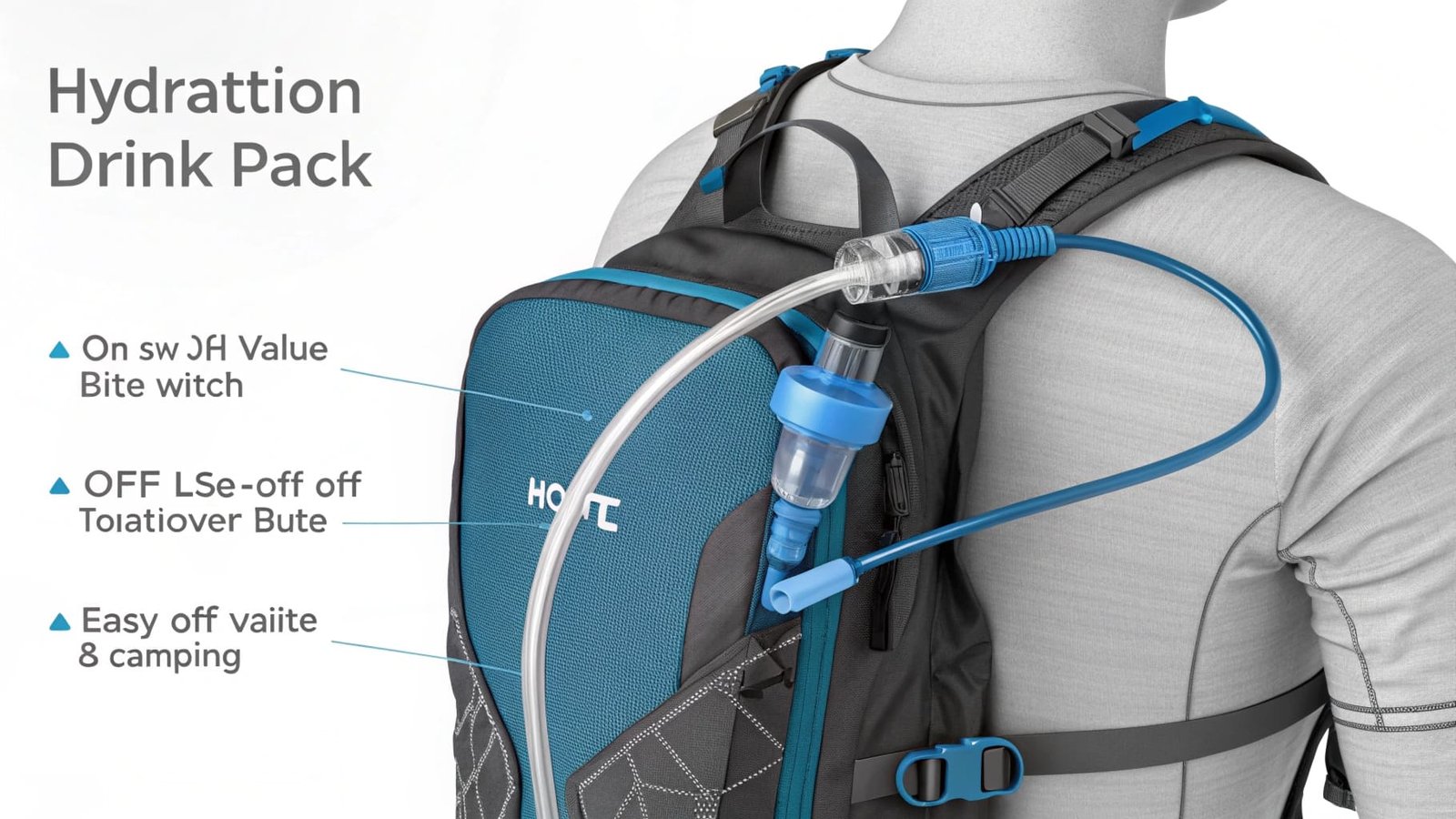
The design is simpler than most people think. When you bite the soft silicone mouthpiece, you compress the material around a precision-cut slit. This compression forces the slit to open, creating a channel for water flow. The moment you release pressure, the medical-grade silicone1's natural elasticity pulls the slit closed again.
I always explain to my clients that material selection makes the difference here. Plastic valves lose flexibility in cold weather. Silicone maintains its performance from negative temperatures to extreme heat. This matters when your customers use hydration packs for winter skiing or desert hiking.
The slit geometry is where manufacturing expertise comes in. Too wide, and the valve leaks. Too narrow, and users struggle to get adequate flow. I conduct flow rate testing for every new design to balance these factors. We measure milliliters per second at different bite pressures to ensure consistent performance.
Medical-grade silicone also resists bacterial growth better than other materials. This extends product lifespan and reduces customer complaints about mold or odors. For OEM projects targeting premium markets, this becomes a key selling point.
The durometer reading of your silicone determines bite comfort. I use shore A ratings between 40 and 60 for most applications. Lower numbers feel softer but may not seal as reliably. Higher numbers seal better but can be uncomfortable for extended use. I help my clients choose based on their target customer profile.
What Is the Difference Between Source Storm Valve and Helix Valve?
I worked with a startup founder last year who couldn't decide between these two valve types. He worried that choosing wrong would hurt his market positioning. The decision paralysis delayed his product launch by three months.
Storm valves use straight-slit design with dust covers at lower price points, while Helix valves feature twisted internal channels for higher flow rates at premium costs. Each serves different market segments and price strategies.
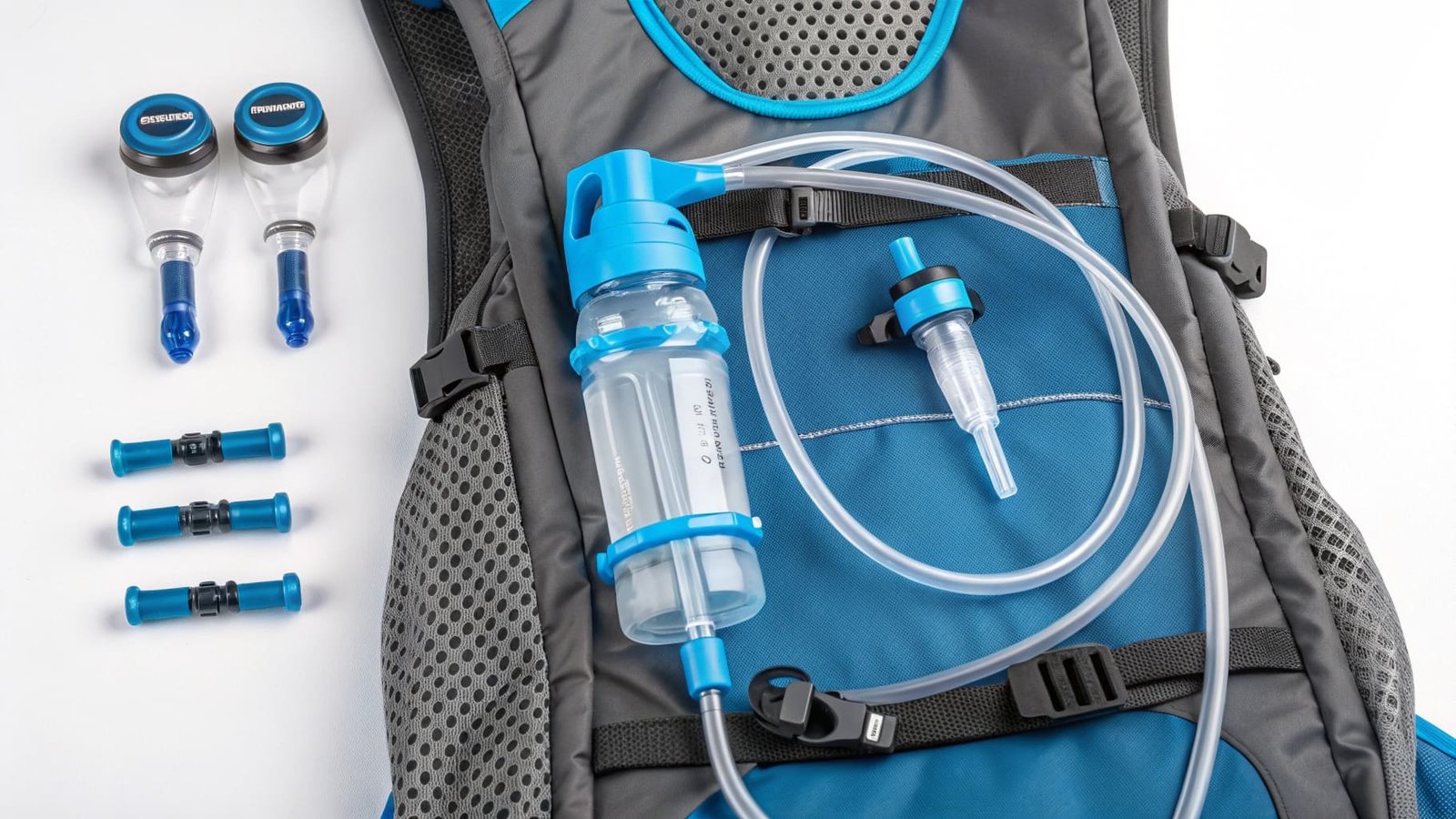
Storm valves represent the industry standard for reliable performance. The straight slit cuts through the silicone in a simple line. A protective dust cap keeps dirt and debris out when not in use. This design works well for casual hikers, weekend campers, and budget-conscious consumers.
I recommend Storm valves for entry-level product lines. The manufacturing process is straightforward. Molding costs are lower. Quality control is easier. You can offer competitive pricing while maintaining healthy profit margins. Many of my clients start with Storm valves to establish market presence before expanding to premium options.
Helix valves change the game for performance-focused customers. The internal channel spirals through the valve body, creating turbulent flow that actually increases water delivery. Users get more water with less sucking effort. This matters to endurance athletes, military personnel, and anyone who needs quick hydration during intense activities.
The manufacturing complexity of Helix valves is significantly higher. The spiral geometry requires multi-cavity molds with precise tolerances. I need to run more extensive testing to verify consistent flow performance across production batches. These factors increase your unit costs by approximately thirty to forty percent compared to Storm valves.
I help my OEM partners develop product line strategies using both valve types. Your budget line uses Storm valves to compete on price. Your premium line uses Helix valves to justify higher retail prices. This approach maximizes market coverage while optimizing production efficiency through shared tube systems and bladder components.
Consider your target customer's actual needs. A casual day hiker won't pay extra for Helix performance they don't need. But a ultramarathon runner absolutely will. I've seen brands fail by over-engineering products for markets that prioritize cost over features.
How to Use a Water Bladder with a Bite Valve?
A procurement officer from Europe once told me his biggest warranty cost came from customer misuse, not product defects. He spent thousands replacing valves that customers damaged through improper handling. Clear usage instructions could have prevented most of these claims.
Users fill the bladder, prime the tube by squeezing water through, position the valve at mouth level, bite gently while sucking, and clean after each use by flushing and air drying.
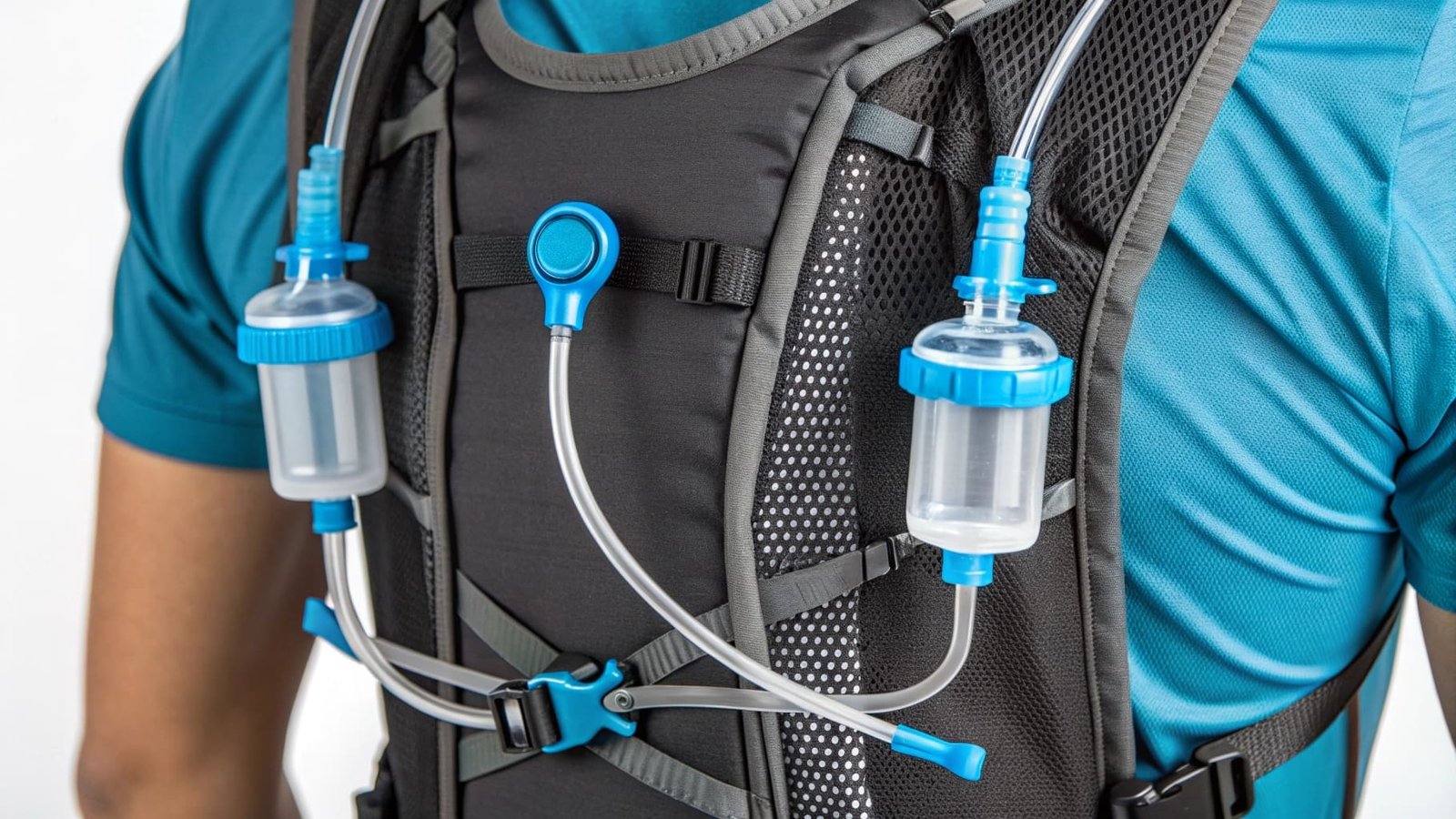
I always stress proper setup to my clients' end users. Fill the bladder three-quarters full, not completely. This prevents overflow when you insert the cap. Squeeze the tube from the bottom up to push water through and eliminate air pockets. Air in the line makes drinking difficult and creates a gurgling sound that many users find annoying.
The valve position matters more than people realize. I recommend securing the tube along the shoulder strap so the valve hangs near your collarbone when standing. This height provides natural water flow without requiring excessive suction. If the valve dangles too low, you create a vacuum effect that makes drinking harder.
The biting technique is where most damage occurs. Users think they need to bite hard. They don't. A gentle squeeze of the silicone between your teeth is enough. Hard biting can tear the slit or deform the valve body permanently. I suggest testing this before your first real use so you understand the proper pressure.
Cleaning prevents the most common complaint I hear: mold growth in the valve. After every use, disconnect the tube and flush clean water through both directions. Leave the dust cap open and hang the system to air dry. Moisture trapped in closed valves creates perfect conditions for bacterial growth. This ruins the silicone and creates health risks.
For my OEM partners, I recommend including visual instruction cards in your packaging. A simple diagram showing fill level, tube positioning, and bite technique prevents most user errors. QR codes linking to video tutorials cost almost nothing but dramatically reduce your support calls and warranty claims.
Winter storage requires special attention in cold-climate markets. Water trapped in valves can freeze and crack the silicone. I tell users to completely drain and dry their systems before storing them during off-seasons. This one tip extends product life significantly.
Replacement valve availability creates aftermarket opportunities. I help my clients set up distribution channels for spare parts. Customers who can easily buy replacement valves stay loyal to your brand instead of buying complete new systems from competitors. This generates recurring revenue while building customer relationships.
The initial learning curve for bite valves is short. Most users adapt within the first few uses. But those first uses determine whether they become brand advocates or leave negative reviews online. Proper education makes the difference.
Conclusion
Silicone bite valves combine reliable self-sealing technology with material durability that OEM partners need for successful hydration system projects. Choose valve types matching your market positioning and provide clear usage guidelines to customers.
-
Find out why medical-grade silicone is preferred for hydration systems due to its durability and safety. ↩