What Makes Tumbler Boot Covers Essential for Wholesale Distribution Channels?
Most wholesale distributors miss a simple truth. Your customers buy expensive tumblers but nothing to protect them. This gap costs you money and creates missed opportunities.
Tumbler boot covers protect the base of insulated drinkware1 from damage, reduce noise, and prevent slipping. For wholesale buyers, they offer high margins, low minimums, and strong repeat sales that complement premium tumbler distribution.
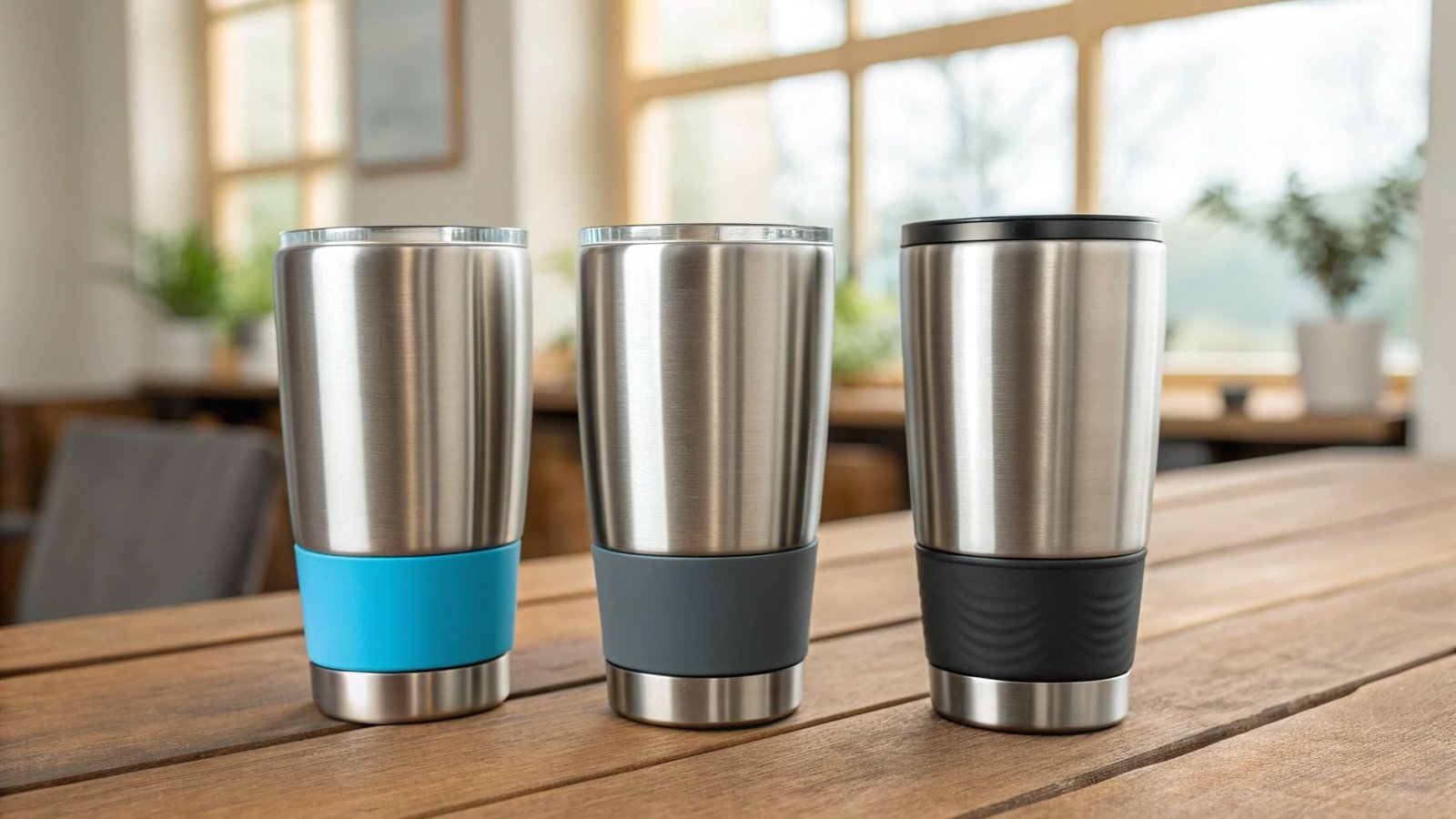
I learned this lesson the hard way in my early days at silijoy. A Canadian buyer ordered 5,000 Stanley tumblers but ignored my suggestion about boot covers. Three months later, he called back. His customers were returning tumblers with scratched bases and dented bottoms. He had to eat the cost. Now he orders boot covers with every tumbler shipment.
What is the purpose of a boot cover?
You see scratched tumblers everywhere. Coffee shops, offices, gym bags. Each scratch represents a potential return or unhappy customer that affects your bottom line.
A boot cover serves as protective armor for the tumbler base. It prevents scratches, absorbs impact, reduces noise, and provides grip on smooth surfaces. This simple addition extends product life and improves user experience significantly.
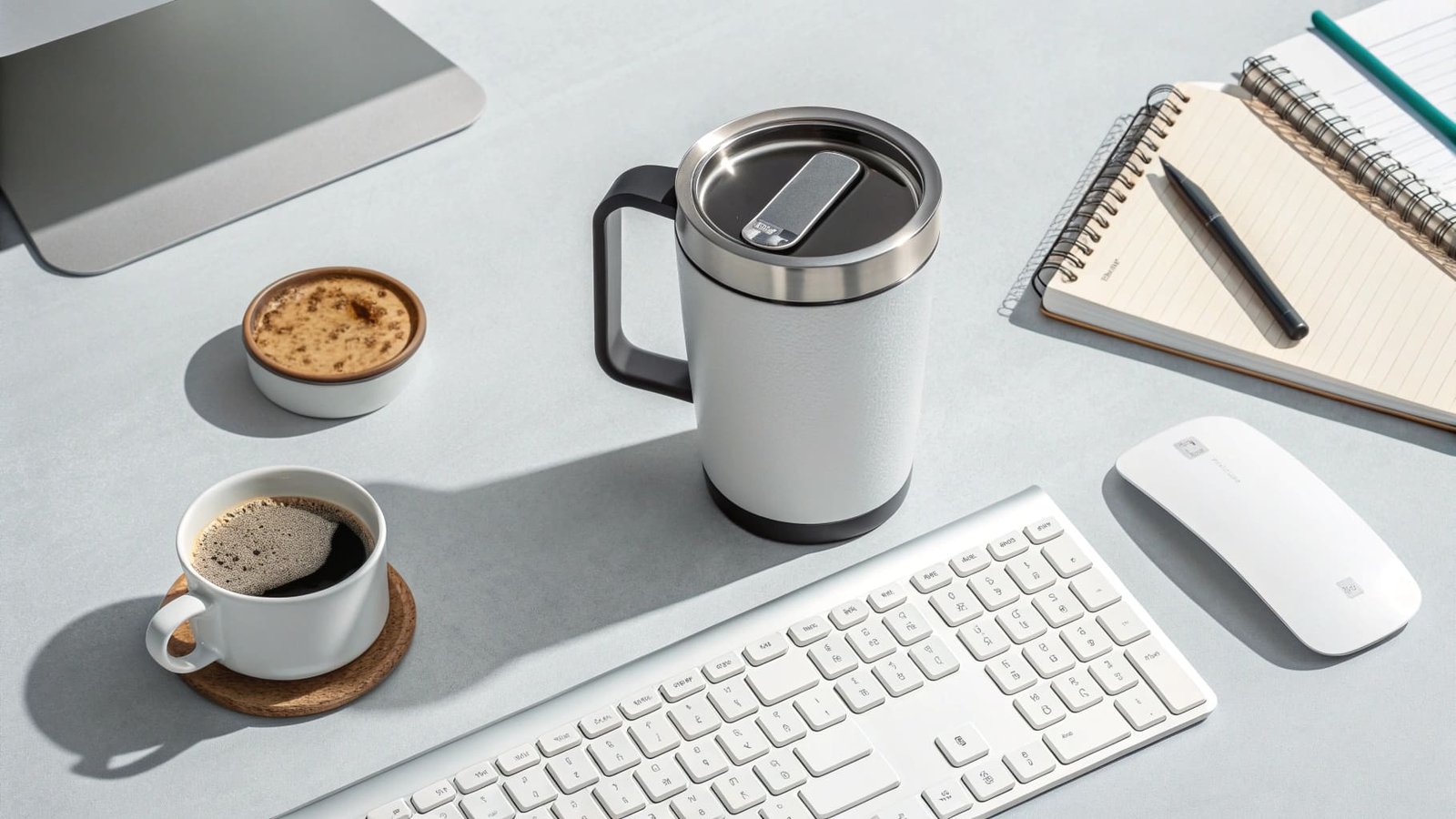
Primary Protection Functions
I work with procurement officers who care about return rates. They know boot covers solve three big problems.
First, they stop scratches. Premium tumblers use powder-coated finishes that look great but scratch easily. A silicone boot creates a barrier between the metal and hard surfaces. I have seen tumblers stay perfect after years of daily use with good boot covers.
Second, they reduce noise. Set a bare tumbler on a conference table. Everyone looks up. That metal-on-wood sound is loud. A boot cover dampens this noise completely. Office buyers love this feature.
Third, they prevent tipping. The wide base of a quality boot cover creates stability. I tested this myself. A tumbler with a boot cover stays upright even on a tilted surface. Without one, it tips easily.
Material Quality Matters
| Feature | Food-Grade Silicone | Generic Rubber | Cheap Plastic |
|---|---|---|---|
| Temperature Range | -40°F to 450°F | -20°F to 200°F | 32°F to 140°F |
| Durability | 3-5 years | 1-2 years | 6-12 months |
| Dishwasher Safe | Yes | Sometimes | No |
| Color Options | Unlimited | Limited | Very Limited |
| Odor Free | Yes | No | No |
Mark, my Canadian buyer, learned this table the hard way. He bought cheap plastic boots from Vietnam to save money. They cracked in cold weather. His customers were angry. He came back to silijoy and paid more for quality silicone. His return rate dropped to almost zero.
Why do my feet still get cold in insulated boots?
Cold feet in insulated boots seems unrelated to tumblers. But the principle is identical. Insulation fails when the protective barrier breaks down or makes poor contact.
Tumbler insulation depends on maintaining vacuum seal integrity2. Damage to the base compromises this seal, reducing thermal performance. Boot covers protect against impacts that could break this critical seal.
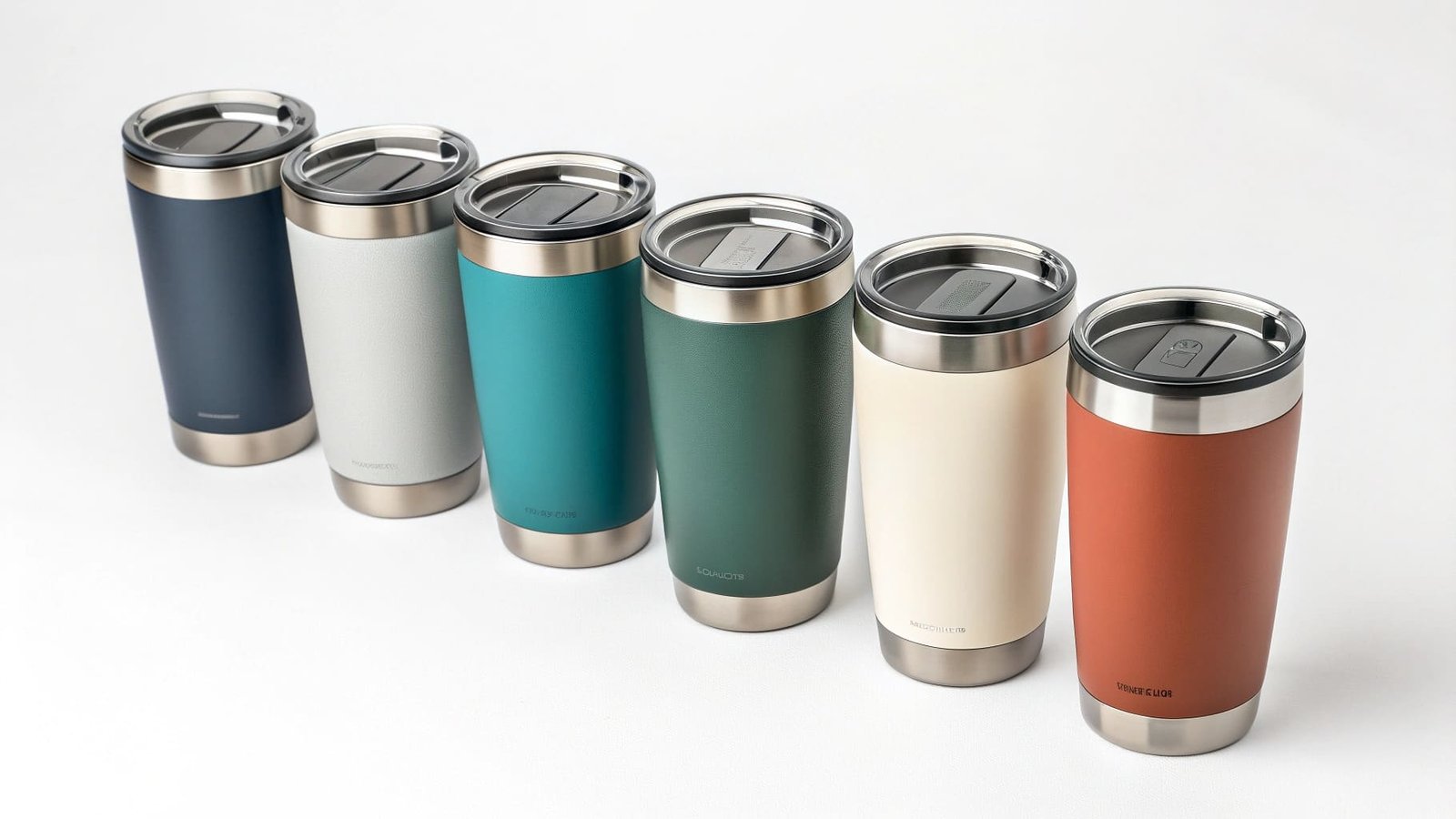
The Insulation Connection
I explain this to every new buyer. Insulated tumblers work through vacuum technology. A tiny dent in the bottom can crack the inner wall. Once air enters, insulation drops by 70% or more.
Boot covers act like shock absorbers. They spread impact force across the base. This prevents concentrated pressure points that cause dents. I have dropped tumblers with quality boots from desk height onto concrete. No damage. The same tumbler without a boot gets a visible dent.
Temperature retention matters to end users. They pay premium prices for insulated tumblers because they keep drinks hot or cold for hours. When insulation fails, they blame the tumbler. They return it or leave bad reviews. Your retail customers suffer.
Real World Testing Data
I conduct drop tests at silijoy. We drop tumblers 50 times from 3 feet onto concrete. Here are the results:
Without boot cover: 47 out of 50 showed visible damage. 23 lost vacuum seal.
With standard boot: 8 out of 50 showed minor marks. 0 lost vacuum seal.
With premium boot: 1 out of 50 showed tiny mark. 0 lost vacuum seal.
These numbers changed how Mark orders. He now includes boot covers in every wholesale package. His retail customers report almost no returns for damaged bases. His reputation improved. His repeat orders increased.
Why do I need a boot for my Stanley cup?
Stanley cups cost 40 to 50 dollars retail. Customers who spend this much expect their tumbler to last. They also want to personalize and protect their investment.
Boot covers for Stanley cups provide necessary base protection while offering customization options. They prevent the common problem of scratched or dented bottoms that occur from daily use in cars, offices, and outdoor activities.
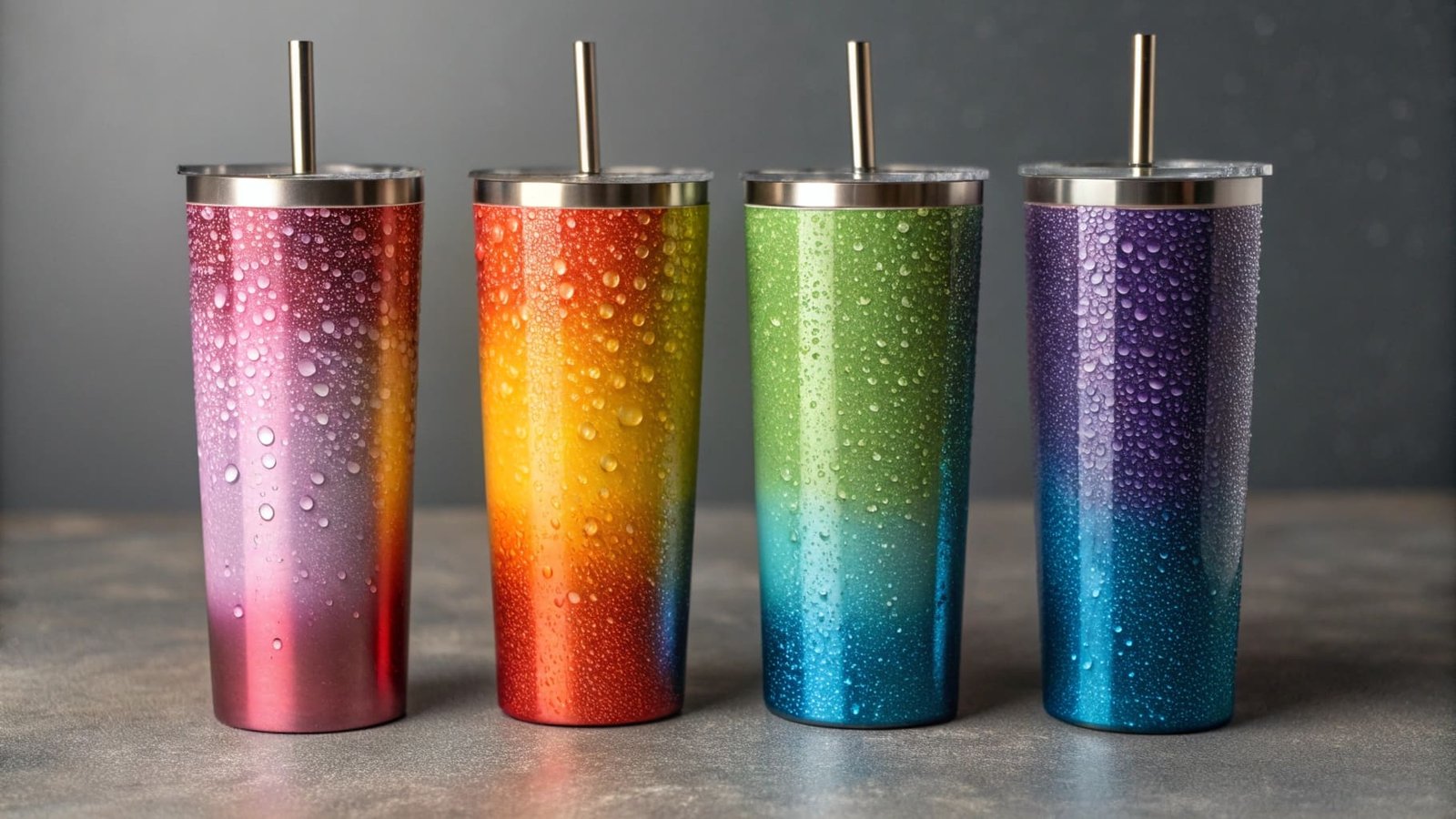
Market Demand Drivers
The Stanley cup phenomenon created a wholesale opportunity. I saw it happen in real time. In 2022, my Stanley cup boot orders were small. By 2023, they multiplied by 8. In 2024, they are still growing.
Why this demand? Stanley cups became status symbols. People collect them in different colors. They show them on social media. They want accessories that match or complement their collection.
Boot covers fill this need perfectly. They come in 20+ colors. Customers buy multiple boots to match different outfits or moods. This means repeat purchases. A customer might buy one Stanley cup but three or four different colored boots over time.
For wholesale buyers, this creates predictable revenue. Mark now forecasts boot cover sales at 2.5 times his tumbler sales. Some customers buy tumblers elsewhere but come to him specifically for quality boots in unique colors.
Profit Margin Analysis
| Product | Wholesale Cost | Retail Price | Margin % | Reorder Rate |
|---|---|---|---|---|
| Stanley Cup | $18-22 | $40-50 | 55-60% | Low |
| Standard Boot | $0.80-1.20 | $8-12 | 85-90% | High |
| Premium Boot | $1.50-2.00 | $15-18 | 88-90% | Very High |
These margins explain why smart distributors push boot covers. The profit per unit is smaller but the margin percentage is higher. The low wholesale cost means minimal inventory risk. You can stock 10 different colors without tying up much capital.
Mark stocks 15 colors. His total boot inventory costs less than 100 Stanley cups would cost. But his boot sales generate more profit than his cup sales. He wishes he had listened to me about boots from day one.
Customization Opportunities
Private labeling changed everything for wholesale buyers. You can put your brand on packaging. Some buyers even customize the boot design itself with logos or patterns.
I work with a startup founder in America who built his entire brand around customized boots. He buys plain Stanley cups and premium boots from me with his logo. He packages them together as gift sets. His business grew from zero to 50,000 dollars monthly revenue in 8 months. The boots made his brand memorable.
This strategy works because customers perceive high value. A generic Stanley cup is just another cup. A cup in custom packaging with a branded boot feels special. People pay more for this. They also remember the brand name and come back.
Conclusion
Tumbler boot covers represent low-risk, high-margin products that complement premium drinkware distribution. They solve real problems, enable customization, and generate strong repeat business.