What Packaging Options Work Best for Wholesale Tumbler Bottom Protector Orders?
I watched a client lose $3,000 worth of silicone tumbler boots because their packaging failed during transit. The boxes arrived crushed. The products were deformed.
For wholesale tumbler bottom protector orders, double-walled corrugated boxes with inner compartments work best. Individual poly bags prevent adhesion. Bulk packaging reduces costs while maintaining protection during overseas shipping.
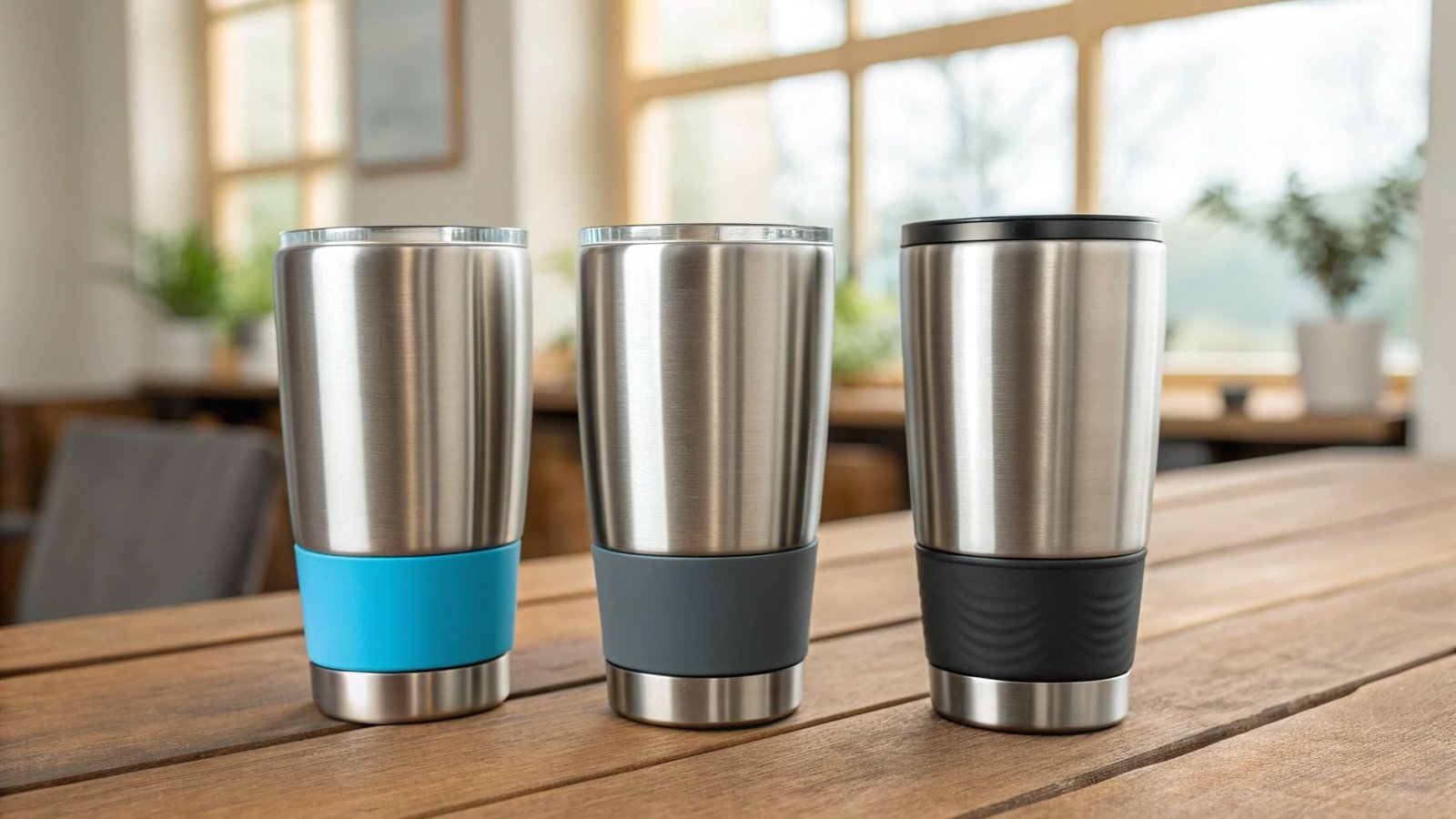
I learned this lesson the hard way. My early shipments to Canada had packaging issues. Mark, one of my long-term clients, called me after his first order arrived with compressed products. We redesigned everything. Now his orders arrive perfectly. This experience taught me what actually works in real shipping conditions.
What Types of Packaging Designs Are Most Effective in Protecting Fragile Items?
Silicone products seem durable. But they deform under pressure. I have seen this destroy entire shipments before products reach customers.
Multi-layer packaging provides the best protection for fragile silicone items. Inner poly bags1 prevent dust and moisture. Outer corrugated boxes resist compression. Foam inserts absorb shock during handling.
The Three-Layer Protection System
I use a system that has never failed in five years of exports. The first layer is individual poly bags. Each tumbler boot goes into its own bag. This prevents silicone from sticking together during hot weather transit.
The second layer is compartmentalized inner boxes2. I divide each master carton into sections. Each section holds 20-30 pieces. The dividers are 3mm corrugated cardboard. They stop products from shifting during transport.
The third layer is the master carton itself. I only use double-walled boxes now. The ECT rating must be 32 or higher for overseas shipment. Single-walled boxes collapse under stacking pressure in container shipping.
| Layer | Material | Function | Cost Impact |
|---|---|---|---|
| Inner | Poly bags (0.05mm) | Prevents adhesion | +$0.02/unit |
| Middle | Corrugated dividers | Stops shifting | +$0.15/box |
| Outer | Double-walled carton | Resists compression | +$0.80/box |
I test every packaging design before full production. We do drop tests from 1.5 meters. We stack boxes six high with weight on top. These tests show weak points before shipping starts.
How to Package Custom Tumblers?
Custom tumblers need special attention. I package them differently than standard products. The printing and customization make them more valuable to clients.
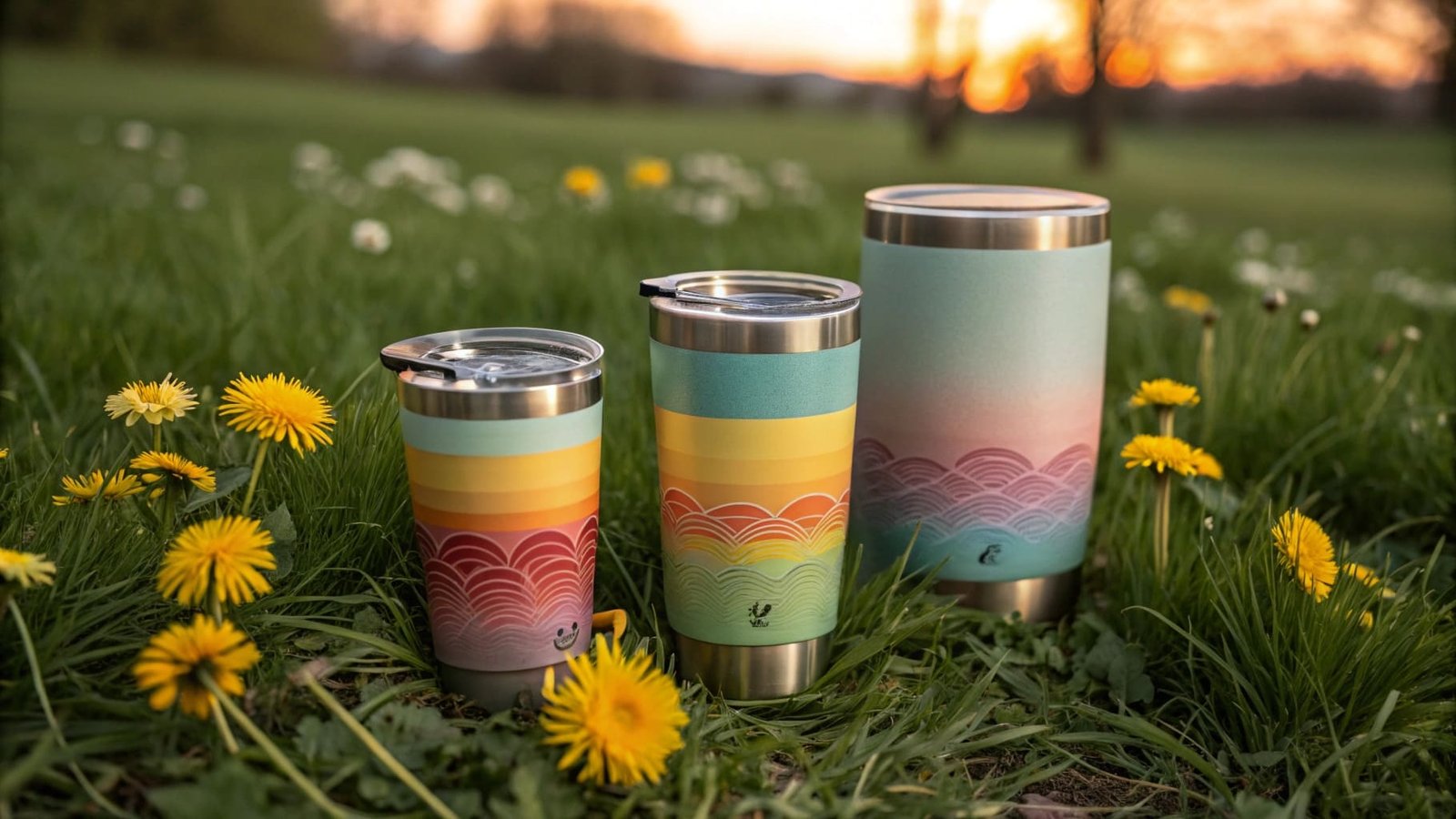
Custom tumblers require individual wrapping with cushioned corners. Foam inserts protect printed surfaces. Clear labeling ensures proper handling. Retail-ready packaging saves buyers redistribution time and cost.
Retail-Ready vs Bulk Packaging
I offer two packaging approaches for custom orders. The choice depends on the buyer's business model. Mark purchases retail-ready packaging because he rebrands and sells directly. Other clients want bulk packaging to reduce costs.
Retail-ready packaging includes cardboard headers. Each tumbler boot hangs on a hook. The header shows the product name and barcode. This packaging goes straight to retail shelves. It costs $0.40 more per unit than bulk packaging.
Bulk packaging uses larger poly bags with multiple units. A master carton holds 200-300 pieces. The buyer repackages them after arrival. This approach cuts packaging costs by 60%. But it adds labor costs at the destination.
Protecting Printed Surfaces
Custom printing needs extra protection. I wrap each printed piece in tissue paper first. Then it goes into the poly bag. The tissue prevents ink transfer and scratching. This extra step costs only $0.03 per unit.
I also use corner protectors for premium orders. These small foam pieces sit at stress points. They prevent deformation where the tumbler boot curves. The investment pays off in reduced damage claims.
Labeling for Custom Orders
Clear labeling prevents warehouse mistakes. Each master carton gets three labels. The first label shows the SKU and product code. The second label displays the custom design name or number. The third label has handling instructions in English and Chinese.
I learned to add photos to labels after a mix-up in 2021. A client ordered three different custom designs. The warehouse staff confused similar SKUs. Now I print small product images on every label. Mistakes dropped to zero.
Which Type of Packaging Is Best for Protecting Products During Overseas Shipment?
International shipping creates harsh conditions. Temperature changes cause condensation. Rough handling damages weak packaging. I ship to over 30 countries now. Each route has different challenges.
Export-grade double-walled corrugated boxes provide optimal protection for overseas shipping. Anti-moisture desiccant packs prevent condensation damage. Corner protectors maintain box integrity. Proper strapping ensures stability during container transit.
Climate Zone Considerations
Shipping routes cross different climate zones. A container from China to Canada goes through tropical and arctic conditions. Temperature swings create moisture inside sealed containers. I add desiccant packs to every shipment now.
The desiccant requirement varies by destination. Europe shipments need 50g packs per master carton. North American shipments need 100g packs because transit time is longer. Southeast Asian shipments need the most protection due to year-round humidity.
I use silica gel desiccants exclusively. Clay-based alternatives are cheaper but less effective. The cost difference is $0.15 per carton. But silica gel absorbs three times more moisture. The investment prevents product returns.
Container Loading Strategy
How you load containers matters as much as packaging design. I learned this from a logistics partner in Shenzhen. Bottom layers need the strongest boxes. Top layers can use lighter packaging.
| Position | Box Strength | Stacking Height | Risk Level |
|---|---|---|---|
| Bottom 2 layers | ECT-44 | 6+ boxes | Highest compression |
| Middle 2 layers | ECT-32 | 4-6 boxes | Medium compression |
| Top 2 layers | ECT-26 | 1-3 boxes | Minimal compression |
I also insist on corner protectors for FCL shipments. These cardboard or plastic pieces sit at pallet edges. They prevent strapping from crushing boxes. The cost is $8-12 per pallet. But they prevent thousands in damage claims.
Testing Before Shipment
I never ship new packaging designs without testing. My warehouse has a testing station. We simulate shipping conditions there. Drop tests show if boxes break open. Compression tests show if products deform.
The standard drop test is from 1.5 meters onto concrete. I do this test five times per box. Each drop uses a different angle. If any corner splits open, the design fails.
Compression testing uses stacked weights. I place 250kg on top of each box for 24 hours. This simulates the bottom layer of a container. The box should show no visible deformation. The products inside should maintain their shape.
Conclusion
The right packaging protects your investment during transit. It balances cost and protection. Test everything before full shipment. Your customers will notice the difference.