What Rubber Bottom Options Exist for Bulk 20oz Tumbler Production Orders?
I made a costly mistake last year. I recommended traditional rubber bottoms to a Canadian client. His entire batch failed during sublimation. The adhesive melted at 380°F. He lost $12,000 in one production run.
For bulk 20oz tumbler orders, you have three main silicone bottom options: standard flat bases at 2mm thickness, anti-slip textured designs at 3mm, and noise-reducing cushioned variants at 4mm. Food-grade silicone rated to 450°F prevents heat-related failures during sublimation processes.
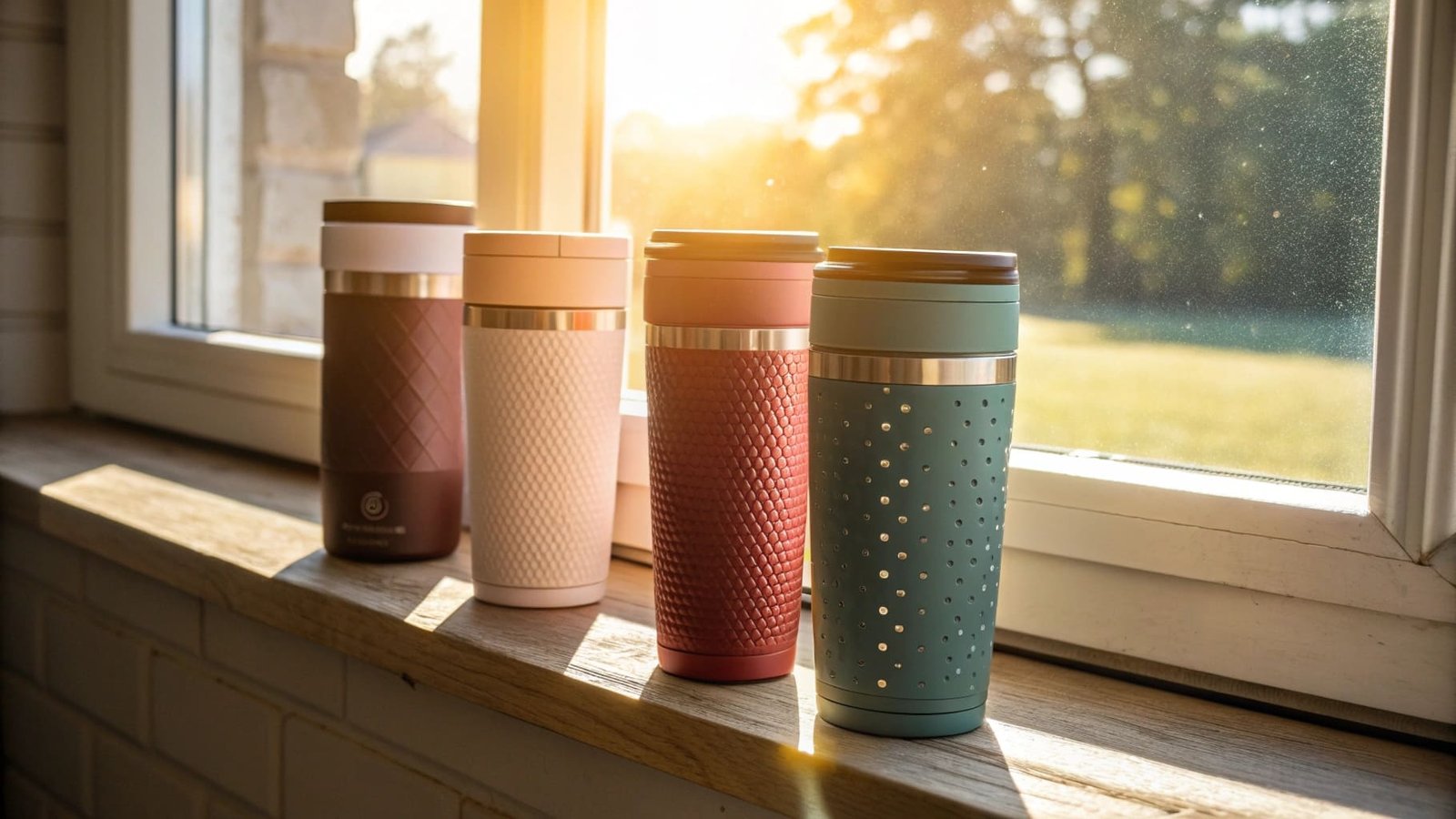
I learned this lesson the hard way. Now I only work with heat-resistant silicone1 bottoms. The right choice saves you money and protects your reputation. Let me share what I discovered about each option and how they affect your entire production chain.
What size wrap for a 20oz tumbler?
Your wrap size determines print quality. I once watched a buyer waste 300 wraps because he ordered the wrong dimensions. The designs came out blurry and stretched. His customers rejected the entire order.
A 20oz tumbler requires a 9.3 x 8.25 inch sublimation wrap. This size ensures full coverage without overlap. The wrap must fit snugly around the tumbler body for even heat transfer during pressing.
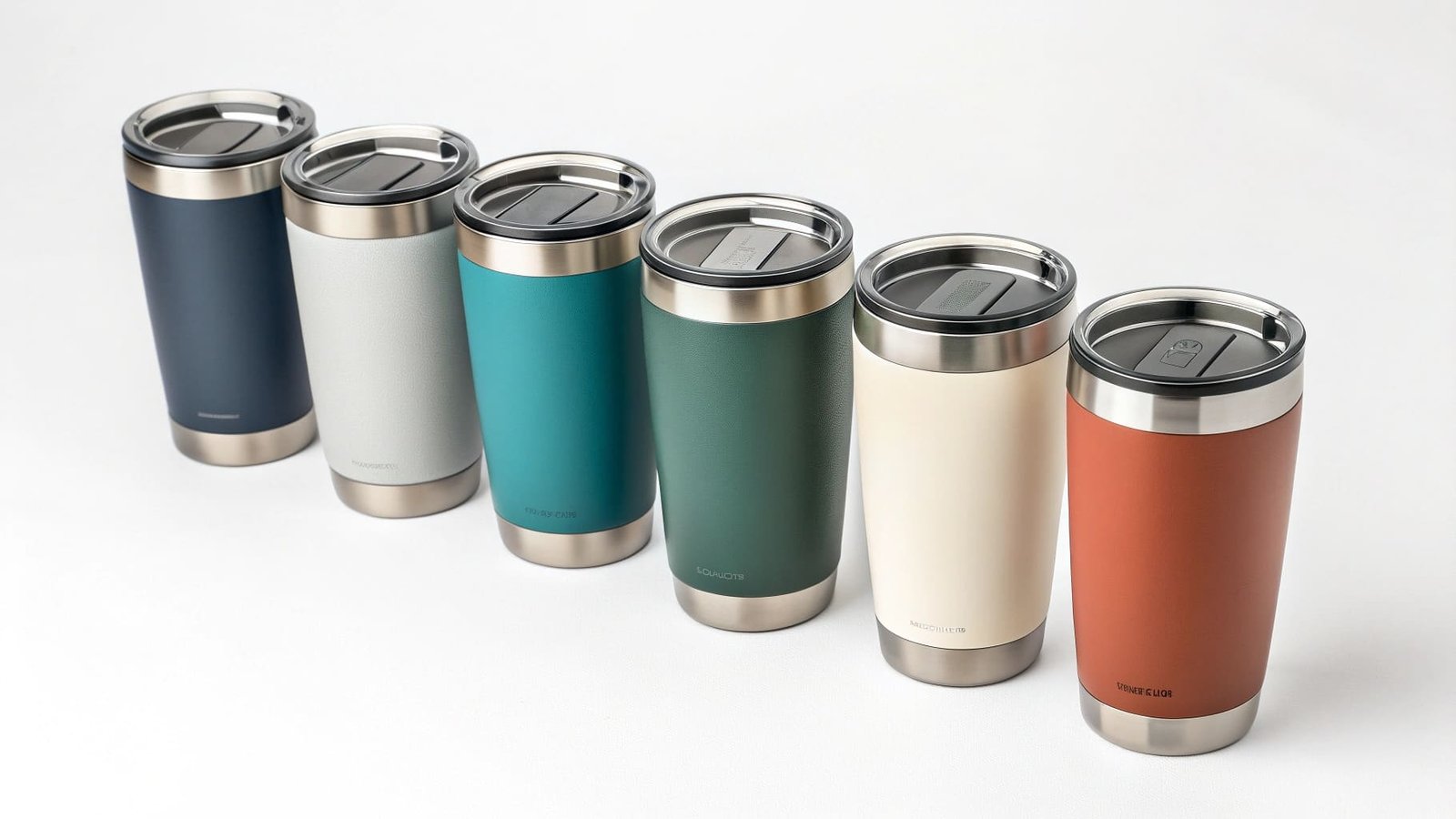
The wrap size connects directly to your rubber bottom choice. I work with buyers who forget this connection. They order wraps first. Then they add thick rubber bottoms. The bottom edge of their wrap no longer aligns properly.
Here is what you need to know. Standard silicone bottoms add 2mm to your tumbler base. This changes how your wrap sits on the heat press. Thicker cushioned bottoms at 4mm create even more gap. Your wrap might not reach the bottom edge completely.
I recommend this approach. Decide on your rubber bottom thickness2 first. Then order wraps that account for this added height. Most suppliers cut wraps to exact specifications. You can request an extra 0.2 inches in length for thicker bottoms. This small adjustment prevents gaps in your final print.
| Rubber Bottom Type | Thickness | Recommended Wrap Adjustment |
|---|---|---|
| Standard Flat | 2mm | Standard 9.3 x 8.25" |
| Anti-Slip Textured | 3mm | Add 0.1" length |
| Cushioned Noise-Reducing | 4mm | Add 0.2" length |
What is the time and temperature for a 20oz sublimation tumbler?
Temperature control makes or breaks your production run. I have seen buyers set their press to 420°F. Their silicone bottoms warped within seconds. The adhesive failed. Bottoms fell off before the tumblers even cooled down.
Set your heat press between 360-400°F for 60-90 seconds. The exact temperature depends on your tumbler coating type. Polyester-coated tumblers need 360°F for 60 seconds. Powder-coated versions require 400°F for 90 seconds for proper ink transfer.
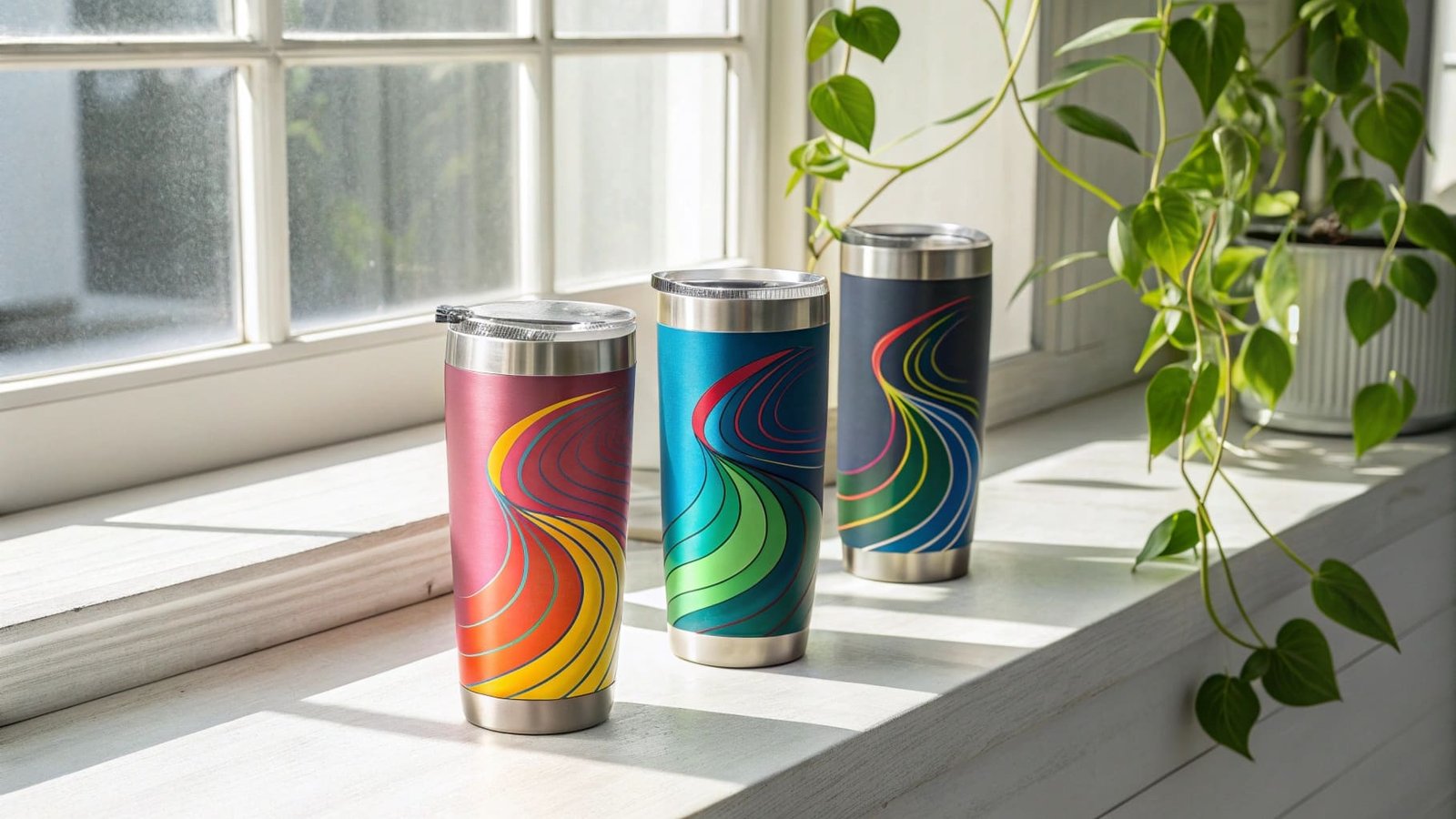
Your rubber bottom must survive this heat. This is why I stopped offering traditional rubber options. Regular rubber melts at 350°F. Even high-quality rubber starts degrading at 380°F. Food-grade silicone handles temperatures up to 450°F without any damage.
I test every silicone bottom batch at my facility. I run samples through three heat cycles at 400°F. Good silicone maintains its shape and adhesion. Poor quality silicone shows bubbling or color changes. I reject any batch that fails this test.
The adhesive matters just as much as the silicone. Standard adhesives fail at high temperatures. I use heat-resistant adhesive rated to 500°F. This creates a safety margin. Your silicone bottoms stay attached even during extended press times or temperature spikes.
Consider your production volume too. High-volume runs generate more heat in your workspace. Your press might run hotter than the dial shows. I recommend using an infrared thermometer. Check your actual surface temperature. Adjust your settings based on real measurements, not just dial positions.
| Press Temperature | Time | Suitable Bottom Type | Adhesive Rating Needed |
|---|---|---|---|
| 360°F | 60 sec | All silicone types | 450°F minimum |
| 380°F | 75 sec | Standard, Anti-slip | 475°F minimum |
| 400°F | 90 sec | All types | 500°F required |
What size box do I need for a 20oz tumbler?
Packaging costs surprise many buyers. Last month, a startup founder ordered 1,000 units. He calculated shipping based on standard boxes. Then he added thick rubber bottoms. His boxes no longer fit. He paid 28% more in shipping than budgeted.
A 20oz tumbler with a standard 2mm silicone bottom fits in a 4x4x9 inch box. Thicker cushioned bottoms at 4mm require a 4.5x4.5x9 inch box. This half-inch difference affects shipping costs significantly for bulk orders over 500 units.
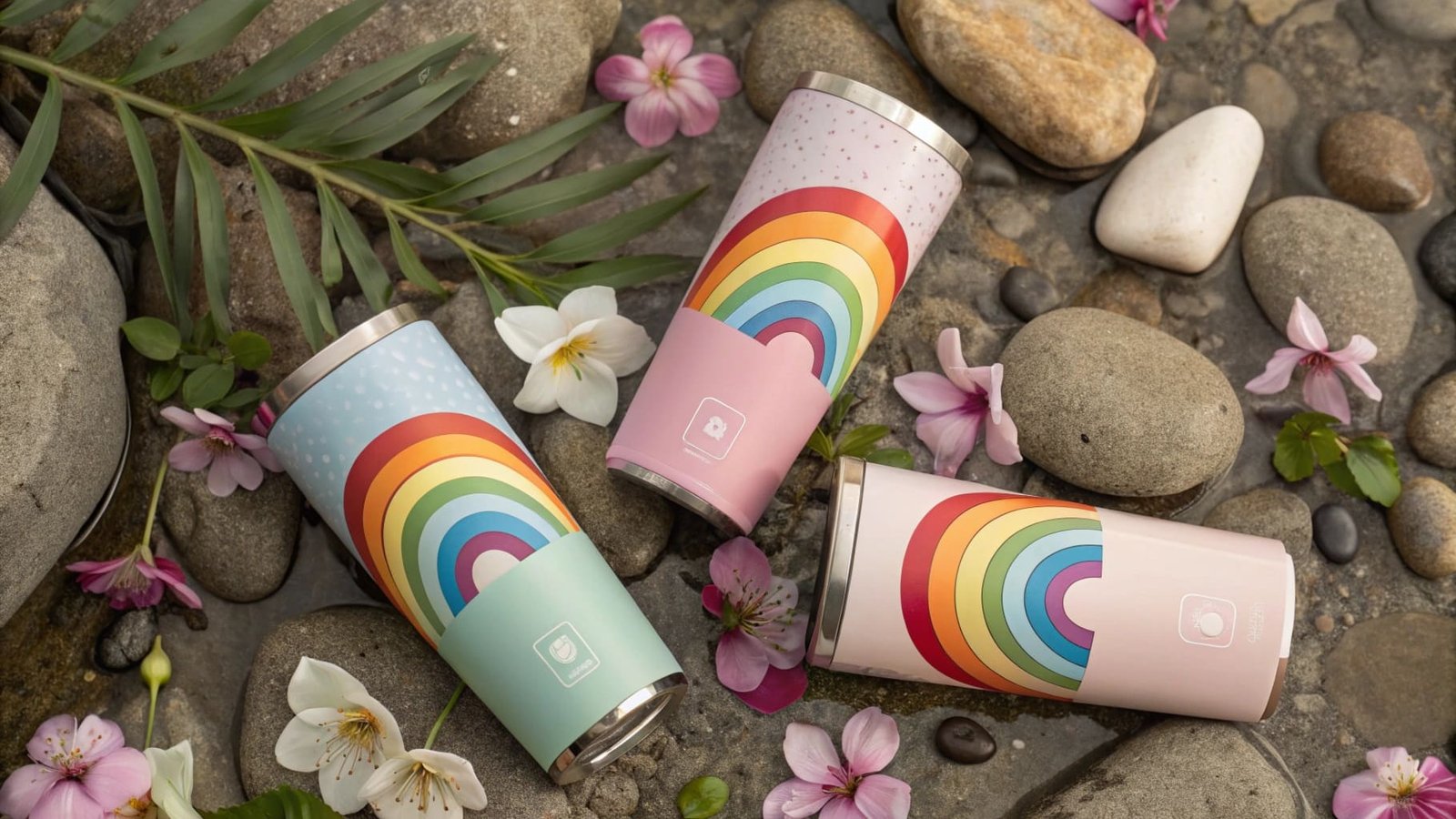
Box size directly impacts your bottom line. I calculate this for every client. A standard 4x4x9 box weighs 2.1 ounces empty. You fit 12 units per master carton. The larger 4.5x4.5x9 box weighs 2.8 ounces. You only fit 10 units per master carton.
Your shipping costs increase in two ways. First, each individual box weighs more. Second, you need more master cartons for the same order quantity. For a 1,000-unit order, standard boxes require 84 master cartons. Larger boxes need 100 master cartons. That is 16 additional cartons to ship and store.
I help buyers optimize this decision. Sometimes a thicker rubber bottom adds more value than it costs. Noise-reducing cushioned bottoms retail for $2-3 more per unit. Your shipping cost only increases by $0.15 per unit. You gain $1.85 in additional profit. Other times, standard flat bottoms make more sense. Your market might not pay premium prices for extra cushioning.
Here is my process. I ask buyers about their target retail price. Then I calculate total landed cost for each rubber bottom option. This includes production, rubber bottoms, packaging, and shipping. The option with the best profit margin wins. Sometimes that is the cheapest rubber bottom. Sometimes it is the most expensive one.
Storage matters too. Larger boxes take up more warehouse space. A 20-foot container fits 2,400 units in standard boxes. The same container only holds 2,000 units in larger boxes. You lose 400 units of capacity. For buyers with limited storage, this changes order frequency and minimum order quantities.
I now discuss rubber bottoms and packaging together with my clients. We decide on both specifications before production starts. This prevents the surprises I described earlier. Your entire supply chain stays efficient from factory to final customer.
Conclusion
Choose silicone bottoms rated to 450°F for bulk 20oz tumbler orders. Match your wrap size and box dimensions to your bottom thickness. This prevents production failures and controls shipping costs effectively.