Where Can B2B Buyers Find FDA-Approved Silicone Microwave Bowl Covers?
You need silicone microwave bowl covers for your business, but finding FDA-approved suppliers feels overwhelming. One wrong choice could risk your brand reputation. I understand this pressure because I face it daily.
B2B buyers can find FDA-approved silicone microwave bowl covers through verified manufacturers in China, trade shows, and Google searches. Always request complete FDA documentation, LFGB certificates, and third-party test reports1 before placing orders.
I run silijoy, a silicone products manufacturer in China. Over the years, I have worked with buyers like Mark from Canada who need certified products but struggle to verify supplier claims. Let me walk you through the exact process I recommend to my clients.
Are silicone bowl covers microwave safe?
You place a bowl cover in the microwave, and suddenly you smell something strange. Your customer complains about melting or warping. Now you face returns and lost trust. This happens when suppliers cut corners on material quality.
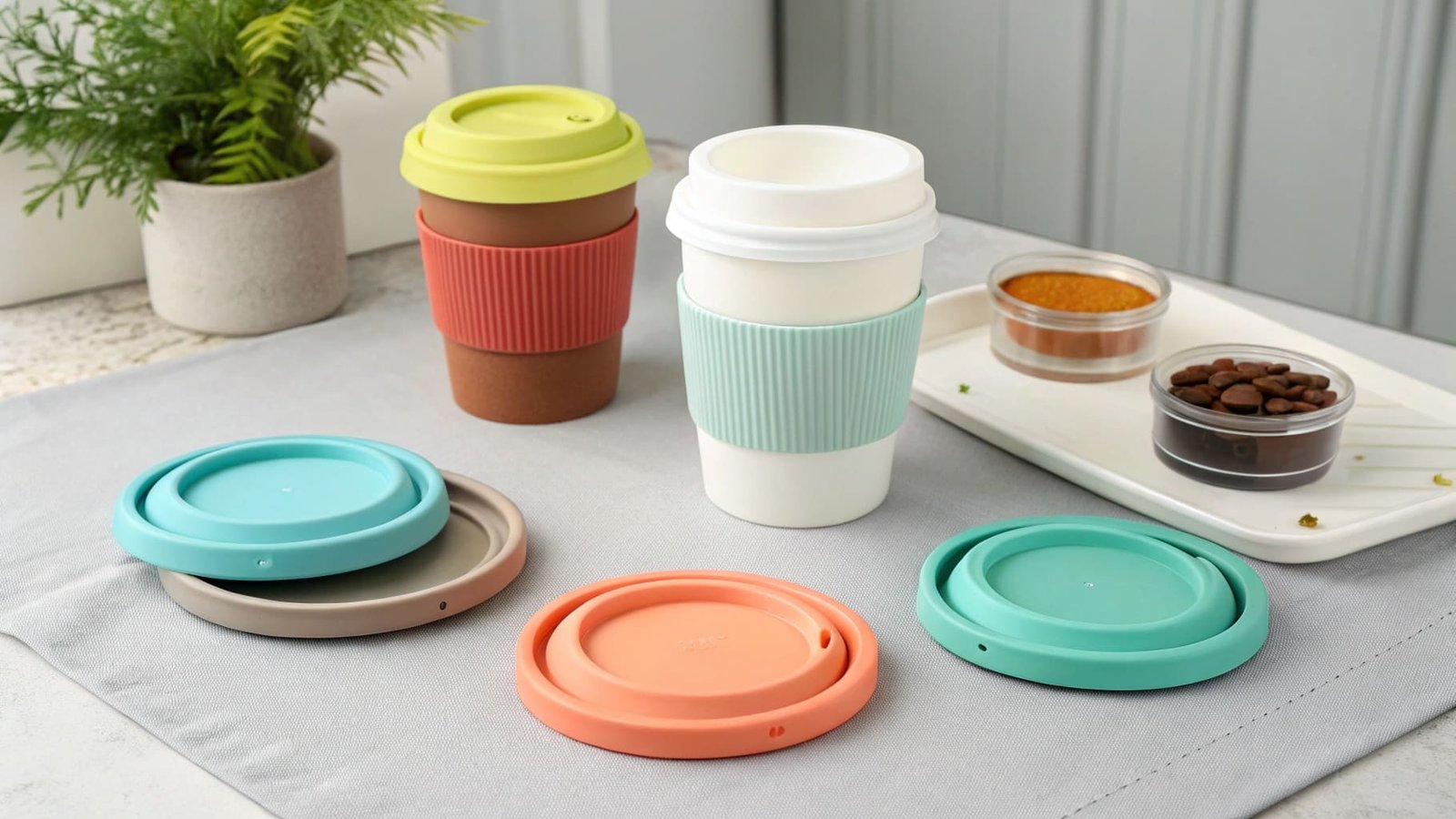
High-quality silicone bowl covers are microwave safe when made from food-grade silicone2 that withstands temperatures from negative forty degrees Fahrenheit to four hundred fifty degrees Fahrenheit. The material must be platinum-cured or medical-grade to prevent odor release during heating.
Understanding Silicone Safety Standards
I test every batch of silicone bowl covers we produce. The material matters more than most buyers realize. Food-grade silicone differs significantly from industrial-grade alternatives that some factories use to reduce costs.
FDA-approved silicone contains no fillers or additives that migrate into food during heating. When you heat inferior silicone in a microwave, chemical compounds can leach into food. This creates health risks for end users and liability issues for your brand.
Platinum-cured silicone costs more than peroxide-cured options. But the investment pays off. Platinum-cured material maintains stability through hundreds of microwave cycles without degrading. Peroxide-cured silicone breaks down faster and may release unpleasant odors after repeated use.
| Silicone Type | Temperature Range | Lifespan | Odor Risk |
|---|---|---|---|
| Platinum-cured | -40°F to 450°F | 5+ years | None |
| Peroxide-cured | -20°F to 400°F | 2-3 years | Moderate |
| Industrial-grade | 0°F to 300°F | 1 year | High |
I recommend asking suppliers for material specification sheets. These documents reveal the curing method and temperature tolerance. If a supplier hesitates to provide this information, that raises a red flag.
What is the safest microwave cover to use?
Your customers want convenience without compromising their health. Plastic wrap melts. Rigid lids trap too much steam. Paper towels get soggy and create waste. Finding the right balance seems impossible until you understand what truly matters.
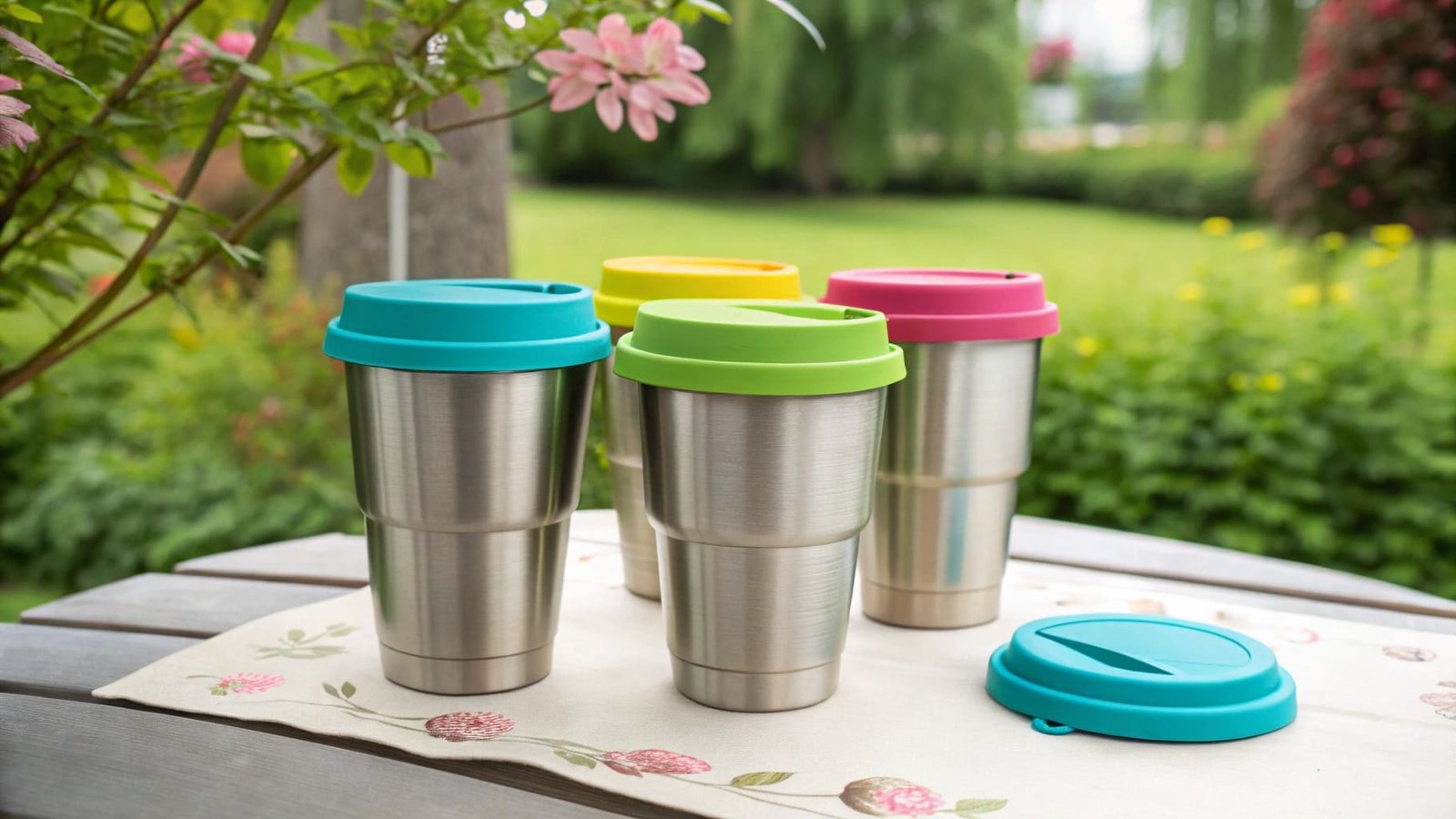
The safest microwave cover combines certified food-grade silicone with proper venting design. Look for covers featuring steam release holes, flexible rims for airtight sealing, and transparency for monitoring food without removal.
Key Safety Features to Verify
I work with procurement officers who initially focus only on price. Then they receive customer complaints about covers that pop off during heating or trap excessive moisture. These issues stem from poor design, not just material quality.
Proper venting prevents pressure buildup that causes spills. The best covers incorporate small perforations or raised vents that release steam gradually. This keeps food moist while preventing explosive splatter incidents that frustrate end users.
Flexible rim design matters equally. A quality silicone cover stretches to fit multiple bowl sizes while creating an airtight seal. This versatility increases product value for retailers who want one SKU that serves various customer needs.
Transparency helps users monitor cooking progress. Clear or semi-transparent silicone allows visual checks without removing the cover and releasing heat. This small feature significantly improves user experience and reduces energy waste from repeated door opening.
| Safety Feature | Purpose | Impact on User |
|---|---|---|
| Steam vents | Pressure release | Prevents spills |
| Flexible rim | Airtight seal | Maintains moisture |
| Transparency | Visual monitoring | Improves convenience |
| Heat resistance | Withstands high temps | Extends product life |
I include certification details with every shipment to help buyers educate their customers. When your end users understand why your product costs more than bargain alternatives, they appreciate the value and become loyal repeat customers.
How do you choose the right microwave cover?
You find ten suppliers offering similar products at different prices. Each claims FDA approval and premium quality. How do you separate legitimate manufacturers from those making empty promises? I see buyers make costly mistakes by focusing on the wrong factors.
Choose microwave covers by verifying complete certification documentation, testing supplier communication responsiveness, evaluating customization capabilities, and confirming quality control processes3 through third-party audits or factory visits.
My Supplier Selection Framework
I developed this framework after watching buyers struggle with unreliable suppliers. Mark once told me about a supplier who disappeared after receiving his deposit. Another buyer received products that failed safety testing at the destination port. These disasters are avoidable with proper due diligence.
Start with certification verification. Request original FDA compliance certificates, not just photocopies. Ask for LFGB certificates4 if you target European markets. Demand BPA-free test reports with batch numbers matching your production run. Legitimate manufacturers maintain organized documentation systems and provide these materials quickly.
Test communication patterns before committing. Send detailed technical questions about material specifications, production timelines, and customization limitations. Quality manufacturers respond with specific answers backed by technical data. Vague responses or constant delays signal operational problems you want to avoid.
Evaluate customization capabilities that align with your brand needs. Can the supplier match your Pantone colors exactly? Do they offer logo imprinting methods suitable for your design? Will they create samples with your specifications before mass production? These capabilities separate professional operations from basic trading companies.
Confirm quality control through independent verification. Request third-party audit reports from organizations like SGS or Bureau Veritas. Ask about inspection procedures at different production stages. The best suppliers welcome factory visits and maintain transparent operations because they take pride in their standards.
Consider logistics expertise as part of supplier selection. Shipping delays cost sales opportunities, especially during peak seasons. I work with buyers to optimize container loading, manage customs documentation, and coordinate delivery timing. This comprehensive service approach prevents the headaches that come with inexperienced exporters.
| Evaluation Criteria | Red Flags | Green Flags |
|---|---|---|
| Certifications | Photocopies only | Original documents with batch numbers |
| Communication | Vague responses | Detailed technical answers |
| Customization | Limited options | Full color matching and logo options |
| Quality Control | No audit reports | Third-party verified processes |
| Logistics | Unknown shipping times | Transparent timeline management |
I encourage buyers to start with smaller test orders. This approach limits risk while proving supplier reliability. If a manufacturer resists small initial orders, they probably prioritize volume over building long-term partnerships.
Payment terms reveal supplier confidence. I offer flexible arrangements to established clients because I trust our product quality. Suppliers demanding full payment upfront before production often lack the financial stability or quality assurance that protects your investment.
The right supplier becomes a strategic partner, not just a vendor. When you find a manufacturer who understands your market requirements, communicates proactively, and delivers consistent quality, you build a competitive advantage that price-shopping competitors cannot match. This partnership approach transforms procurement from a transactional headache into a strategic asset for your business growth.
Conclusion
Finding FDA-approved silicone microwave bowl covers requires verifying certifications, testing supplier reliability, and evaluating long-term partnership potential. I help buyers navigate these challenges daily at silijoy.
-
Find out how to obtain credible third-party test reports to validate product safety and quality. ↩
-
This link explains the significance of food-grade silicone in ensuring safety for food contact. ↩
-
Learn about essential quality control processes that ensure product reliability and safety. ↩
-
Understanding LFGB certificates is crucial for compliance in European markets; this link provides detailed insights. ↩