Where Can B2B Buyers Source Hydration System Replacement Hoses in Volume?
Finding reliable suppliers for hydration system replacement hoses can be frustrating when you need thousands of units. Quality varies wildly, and shipping delays can kill your entire sales season.
You can source hydration system replacement hoses in volume from specialized silicone manufacturers in China, Taiwan, and the United States. I recommend working with ISO-certified suppliers who offer FDA-compliant materials1 and maintain consistent production standards for bulk orders.
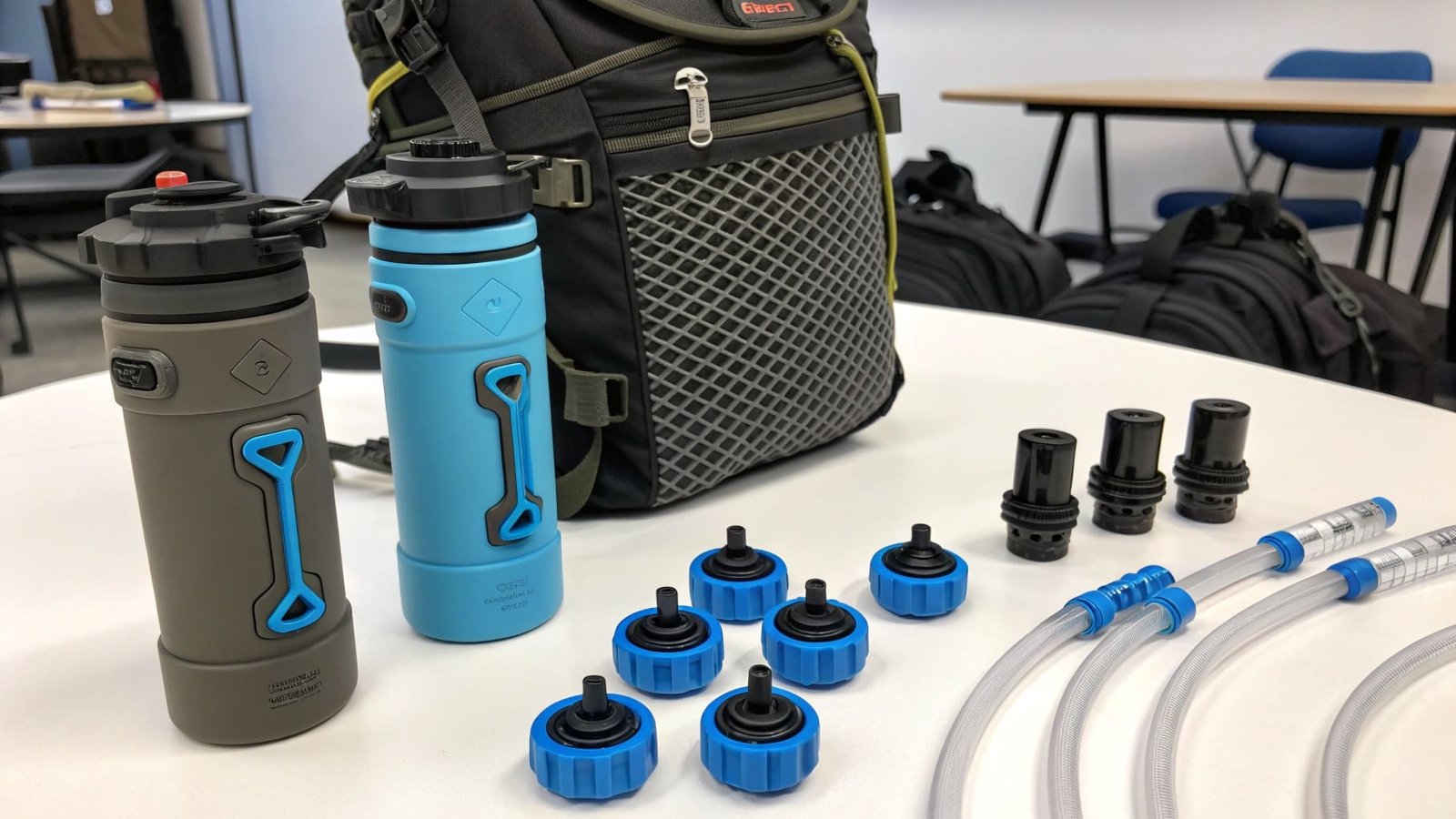
I've been in the silicone products business for years, and I've seen too many buyers make costly mistakes when sourcing hydration components. The right supplier can make or break your profit margins.
Who Makes the Best Hydration Bladder?
You want bladders that won't leak after three months. Your customers will blame you, not the manufacturer, when products fail.
The best hydration bladder makers are those who balance consistent quality with scalable production. Look for manufacturers holding ISO 9001 certification and FDA compliance for food-grade materials.
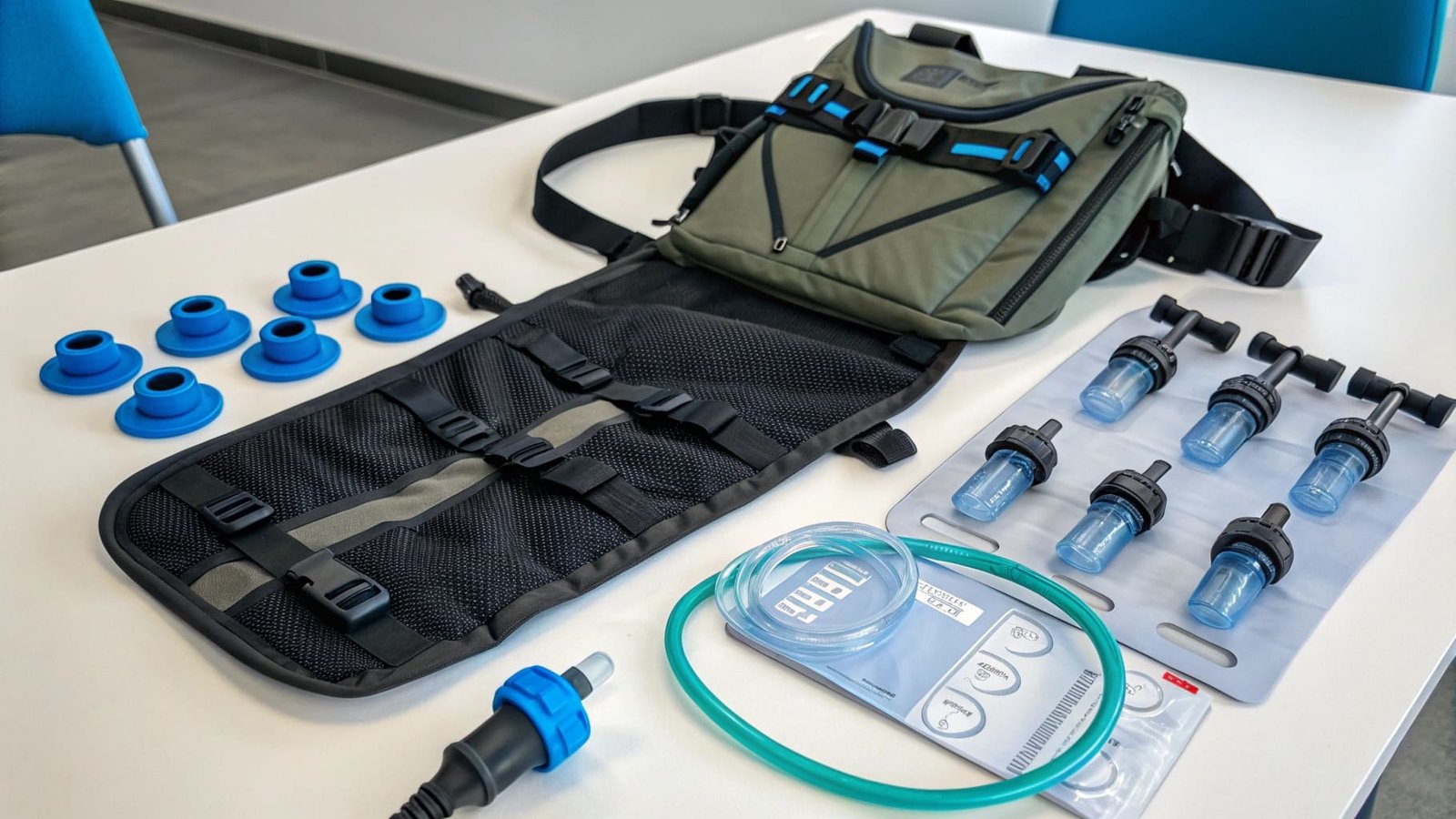
Understanding Quality Standards in Hydration Bladder Manufacturing
I always tell my clients to forget about brand names and focus on certifications. The market has changed. Many top-performing bladders come from manufacturers you've never heard of.
Medical-grade silicone has become the standard for replacement hoses. This material matters because it resists bacterial growth and maintains flexibility in extreme temperatures. I've tested samples from dozens of factories, and the difference is clear.
You need to verify three things before placing bulk orders. First, check if the supplier can provide third-party testing reports2. Second, confirm they use BPA-free materials3 throughout the production line. Third, ask for samples from their current production batch, not their best samples from six months ago.
Here's what separates good manufacturers from great ones:
| Quality Factor | Good Manufacturer | Great Manufacturer |
|---|---|---|
| Certification | Basic FDA compliance | ISO 9001 + FDA + third-party testing |
| Production consistency | Varies between batches | Standardized quality control |
| Customization | Limited options | Full specification control |
| Minimum order quantity | Fixed requirements | Flexible based on your needs |
| Lead time transparency | Vague estimates | Documented timelines with tracking |
I've worked with buyers who ordered 10,000 units based on one sample. The entire shipment arrived with different specifications. This happens when suppliers don't maintain batch consistency. You need written guarantees that match your sample approvals.
Does the Military Use Hydration Bladders?
Military adoption proves a product can handle real-world stress. If something works for soldiers in combat zones, it will work for your customers.
U.S. and NATO forces extensively use hydration bladders with silicone hoses. This military adoption has elevated quality standards across the entire industry, creating stricter requirements for durability and material safety.
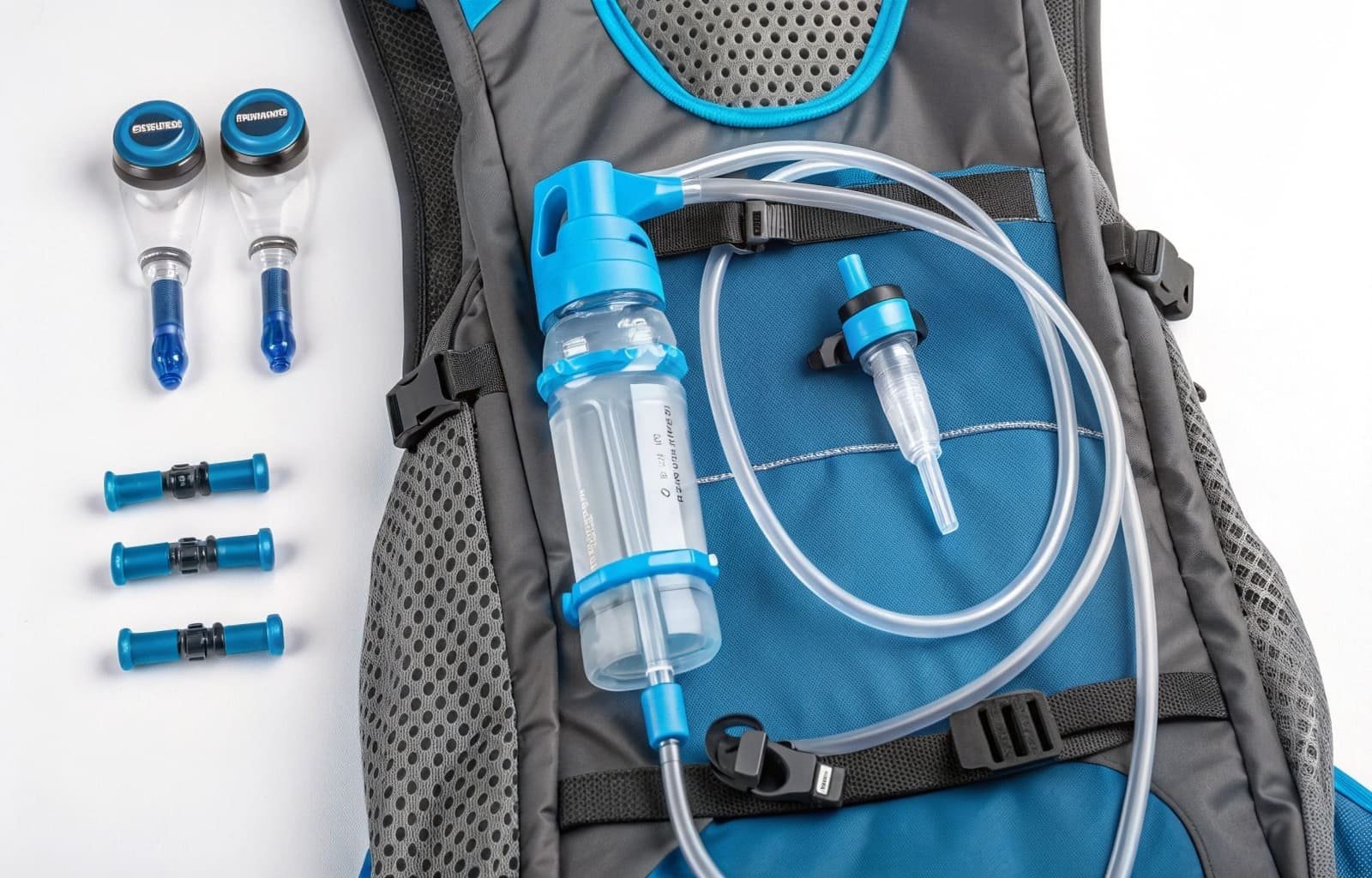
How Military Standards Impact B2B Sourcing
Military contracts changed everything in this industry. I remember when basic plastic tubes were common. Now everyone wants military-grade components.
The military requires hydration systems that function in temperatures from minus 20 to 120 degrees Fahrenheit. These systems must resist punctures, remain flexible after years of use, and pass rigorous safety testing. These same standards now benefit civilian markets.
Military specifications created a benchmark for B2B buyers. When you source replacement hoses, you can reference military standards even for civilian applications. This gives you a clear quality target.
I recommend asking suppliers about their military contract experience. Even if they don't directly supply military buyers, understanding these specifications helps them meet your requirements. Many Chinese manufacturers who never touched military contracts still adopted these standards because Western buyers demanded them.
The trickle-down effect works in your favor. Military-grade materials became cheaper as production scaled up. You can now get components that meet military durability standards at civilian prices. This wasn't possible ten years ago.
Are Hydration Bladders Worth It?
Your customers want convenience without compromising quality. They won't pay premium prices for products that break after light use.
Hydration bladders are worth it for B2B buyers because they create recurring revenue through replacement parts. End-users increasingly prefer replacing worn components rather than buying entirely new systems, making replacement hoses a profitable aftermarket segment.
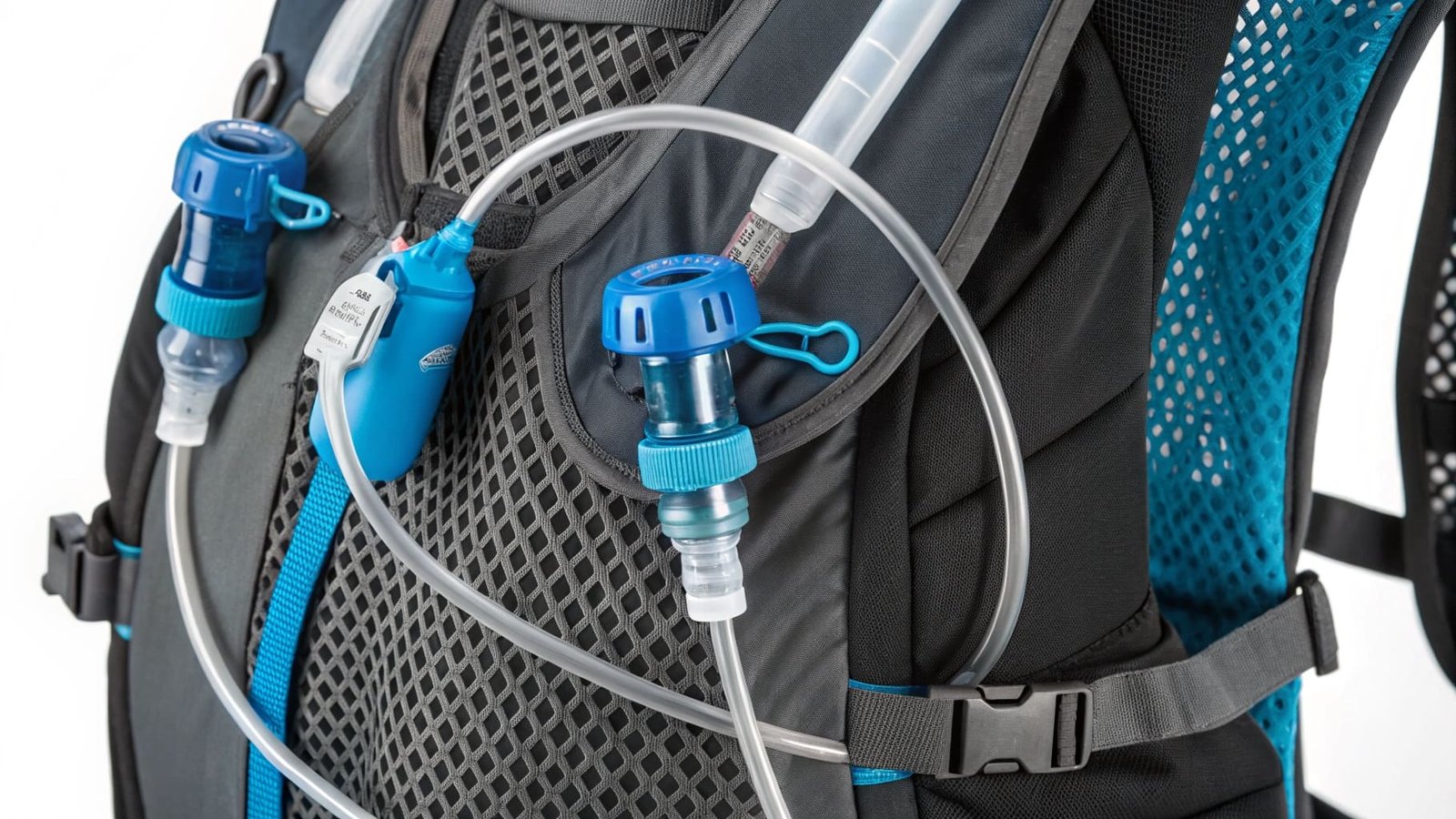
Calculating the B2B Value Proposition
I see the numbers every day. Replacement parts generate higher margins than complete systems. The math works in your favor when you understand the market.
One of my clients switched from selling complete hydration packs to focusing on replacement components. His profit margin jumped from 15 percent to 35 percent. The same customers kept coming back for hoses, bite valves, and connectors.
The value extends across multiple sectors. Outdoor retailers need reliable inventory for warranty replacements. Corporate wellness programs bulk-order hydration systems and need ongoing component supply. Emergency preparedness distributors require consistent access to replacement parts. Military contractors must maintain equipment over years of service.
Here's what makes this market sustainable:
| Market Segment | Average Order Size | Reorder Frequency | Key Requirements |
|---|---|---|---|
| Outdoor retail | 500-2,000 units | Quarterly | Quick turnaround, standard specs |
| Corporate wellness | 1,000-5,000 units | Bi-annually | Custom branding options |
| Military contractors | 5,000-50,000 units | Annually | Strict compliance, documentation |
| Emergency preparedness | 2,000-10,000 units | As needed | Long shelf life, bulk packaging |
You need suppliers who understand these different requirements. I work with buyers who serve multiple segments. They can't use the same specifications for military contractors and corporate wellness programs. Your supplier must offer customization without minimum order quantities that price you out of smaller segments.
Volume sourcing requires thinking beyond unit price. Consider lead times during your peak season. Factor in the cost of quality issues that damage your reputation. Calculate the value of having backup suppliers when your primary source faces production delays.
The replacement hose market grows as more consumers adopt hydration systems. Each system represents future replacement sales. I've tracked this trend for five years, and the growth remains consistent. People who invest in quality hydration systems maintain them rather than replacing the entire unit.
Your sourcing strategy should include relationship building with manufacturers who can scale with your business. I started with orders of 1,000 units. Now some clients order 100,000 units per quarter. The manufacturers who succeeded were those who could maintain quality at both scales.
Conclusion
Smart B2B buyers source hydration system replacement hoses from certified manufacturers offering flexible minimums, proven quality standards, and transparent production timelines that protect your business reputation.
-
Understand the significance of FDA compliance in ensuring safety and quality for hydration products. ↩
-
Find out how third-party testing can validate the quality and safety of hydration components. ↩
-
Explore the health implications of BPA and why choosing BPA-free materials is essential for hydration products. ↩