Where Can OEM Manufacturers Find Reliable Source Water Bladder Replacement Parts?
You ordered 10,000 water bladders. Three months later, your customers flood you with complaints about leaking bite valves. You need replacement parts fast. But where do you find them?
The best source for water bladder replacement parts is directly from specialized silicone component manufacturers in Asia, particularly China, Taiwan, and Vietnam. These regions house suppliers with FDA/LFGB certifications1, in-house mold capabilities, and modular component systems that ensure perfect compatibility with your existing products.
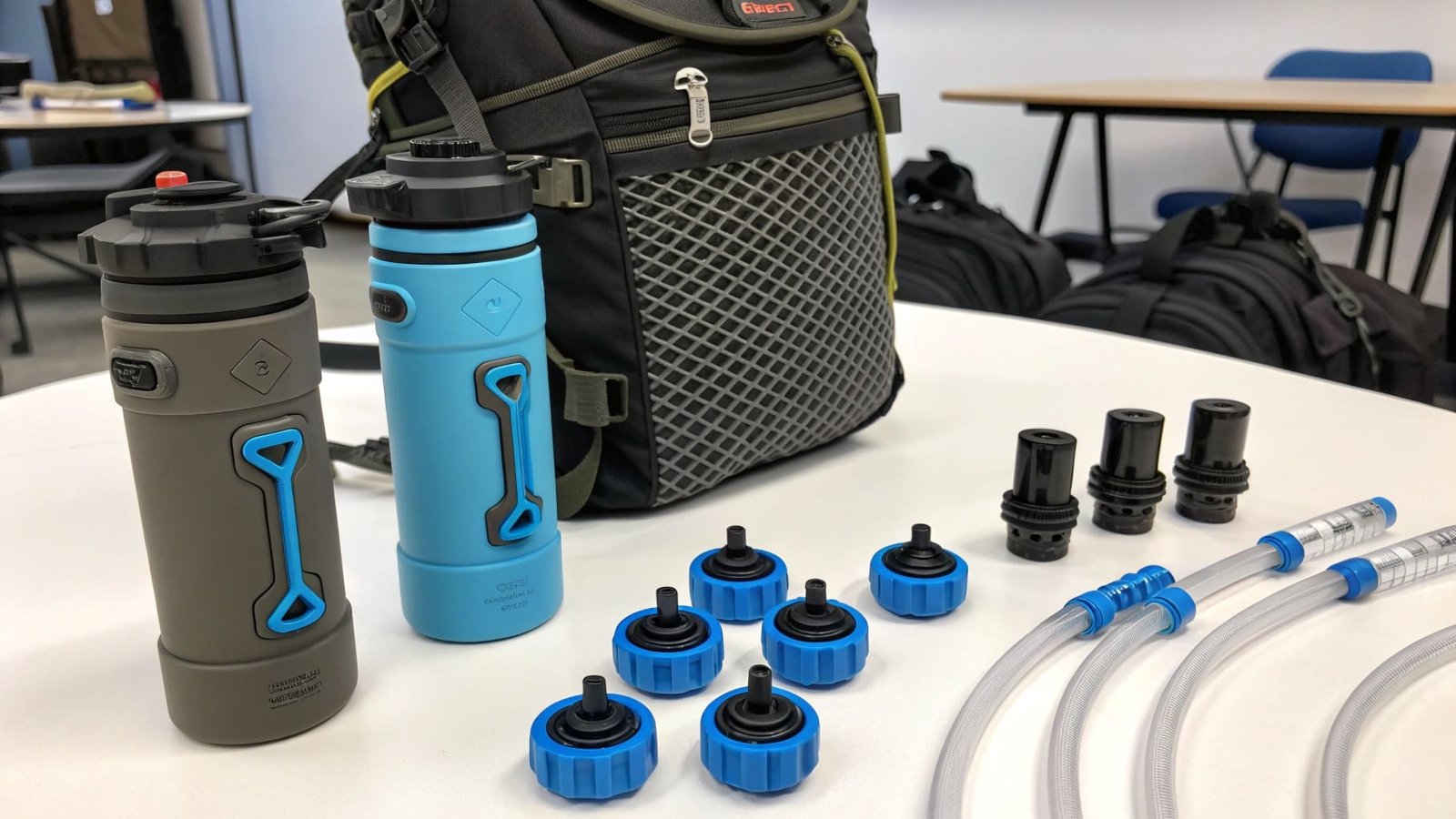
I learned this the hard way. Five years ago, I watched an OEM client lose a major retail contract because their replacement valves didn't seal properly. The buyer switched to a competitor who had a reliable parts supplier. That moment changed how I approach this business.
Where are source bladders made?
Most brands source their bladders from Asia. But they don't tell their customers this. Why? They worry about the perception of quality.
The majority of water bladders come from China, Taiwan, and Vietnam. These three countries produce over 80% of the world's hydration bladder components. They have established supply chains for food-grade materials, specialized welding equipment, and experienced quality control teams2.
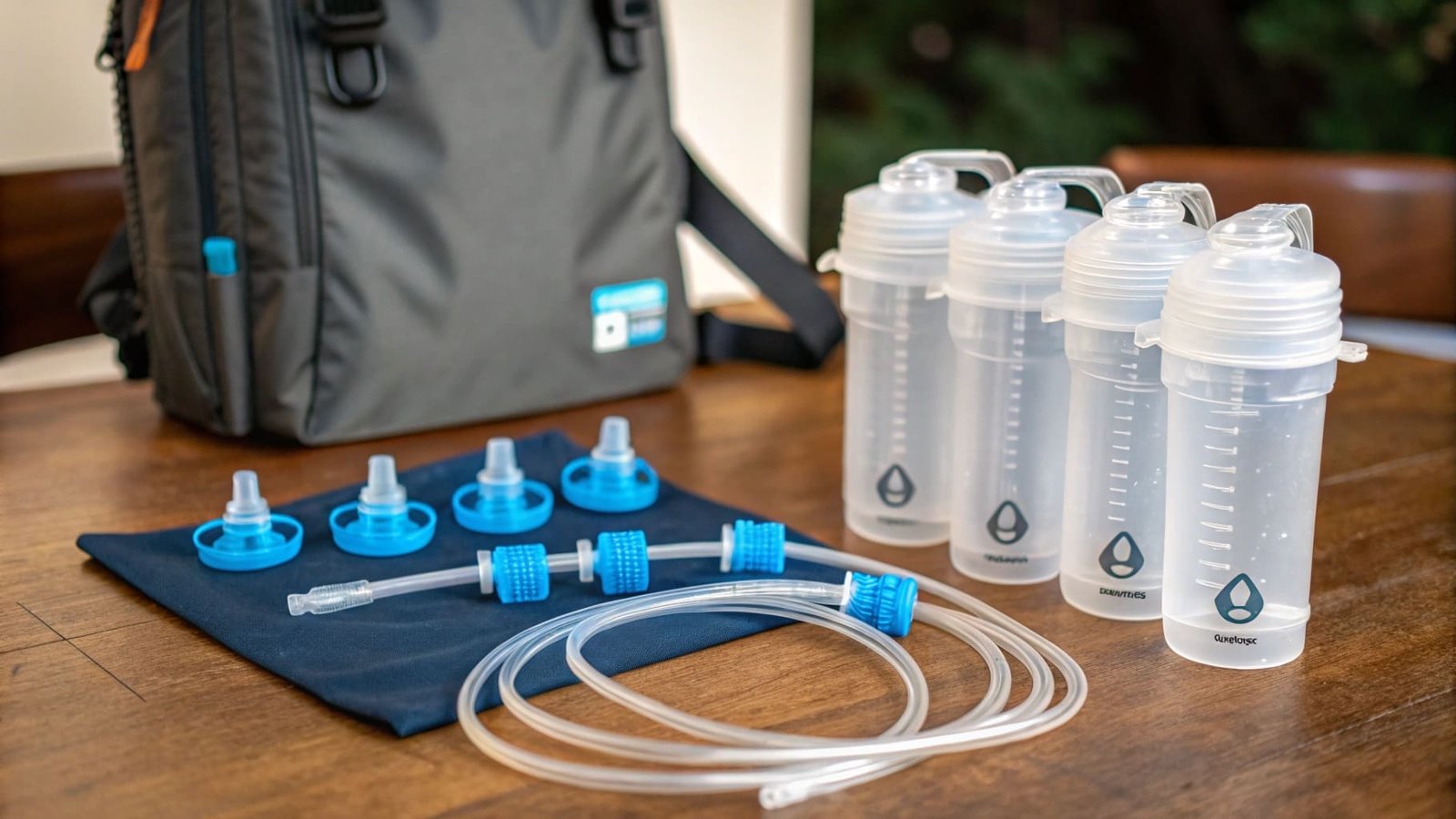
Why Asia Dominates Water Bladder Manufacturing
China leads because of its complete supply chain. I can visit a TPU film factory, a silicone tube manufacturer, and a valve assembly plant in the same industrial zone. This concentration reduces costs and speeds up production.
Taiwan focuses on high-end technical components. Their factories produce the most precise bite valves and quick-connect systems. I work with a Taiwanese supplier who makes valves for premium outdoor brands. Their rejection rate sits below 0.3%.
Vietnam is growing fast. Many manufacturers moved there in recent years to diversify their production base. The quality matches China's standards. The lead times are often shorter because their factories are less crowded.
| Region | Strength | Average MOQ | Lead Time |
|---|---|---|---|
| China | Complete supply chain | 3,000-5,000 units | 30-45 days |
| Taiwan | Precision components | 5,000-10,000 units | 35-50 days |
| Vietnam | Growing capacity | 2,000-3,000 units | 25-40 days |
The key is knowing which region matches your needs. Small orders? Look at Vietnam. Technical parts? Check Taiwan. Complete systems? China offers the best options.
Who makes the best water bladder?
You want a name. But the truth is more complex. The "best" depends on what you value most: price, quality, or compatibility.
The best water bladder manufacturers share three traits: they hold FDA and LFGB certifications for all materials, they use high-frequency welding technology3 for leak-proof seams, and they provide component-level documentation that ensures replacement parts fit perfectly across production batches.
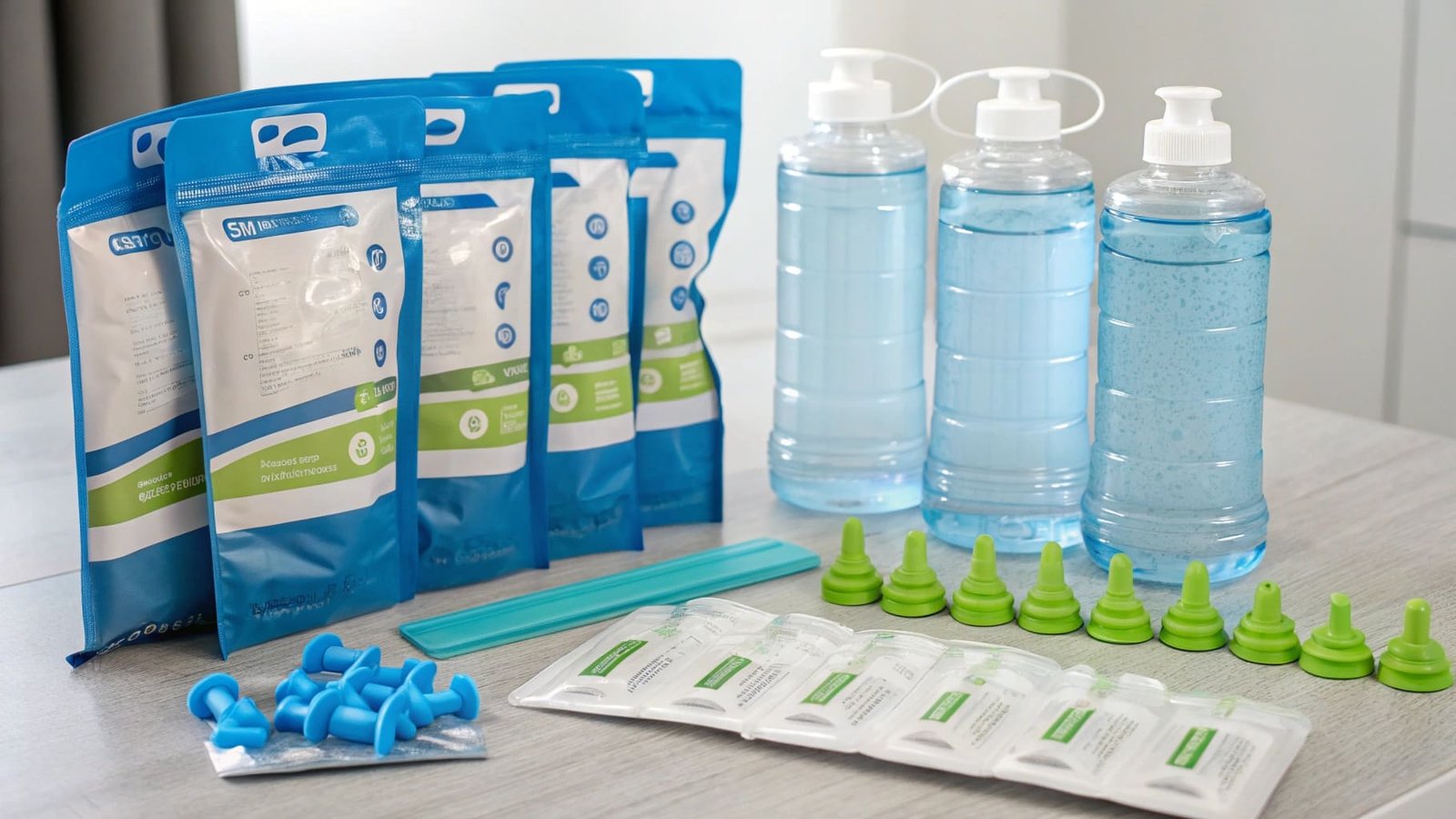
What Separates Good Suppliers from Great Ones
Material compliance comes first. I check every supplier's certificates before placing orders. Not all certifications are real. I once found a supplier using recycled TPU without proper food-grade approval. Their prices were 20% lower. Their materials would have failed my client's safety tests.
Manufacturing precision matters more than most buyers realize. The difference between a good bladder and a great one is measured in microns. I visited a factory where they showed me their welding equipment. They had laser-guided positioning systems. Their seam strength was consistent within 2% across 10,000 units.
Component compatibility is where most problems start. Your customer buys a bladder today. Two years later, they need a new bite valve. Will it fit? Great manufacturers design their products with this in mind. They use standardized threads, consistent tube diameters, and interchangeable caps.
The Real Test: Replacement Parts
I test suppliers differently now. I order replacement parts three months after the main shipment. Do the threads match? Is the silicone durometer the same? Can the customer swap parts without tools?
One supplier I work with maintains a digital database of every mold dimension. They can reproduce parts from orders placed five years ago. This consistency is rare. It's also valuable.
How to choose a water bladder?
Most OEM manufacturers pick suppliers based on price. This is a mistake. Price matters, but it shouldn't be your first filter.
Choose water bladder suppliers who offer modular component systems, maintain batch-consistent quality, and provide technical documentation for each part. Prioritize vendors with in-house mold capabilities and complete material traceability4 from raw materials to finished products.
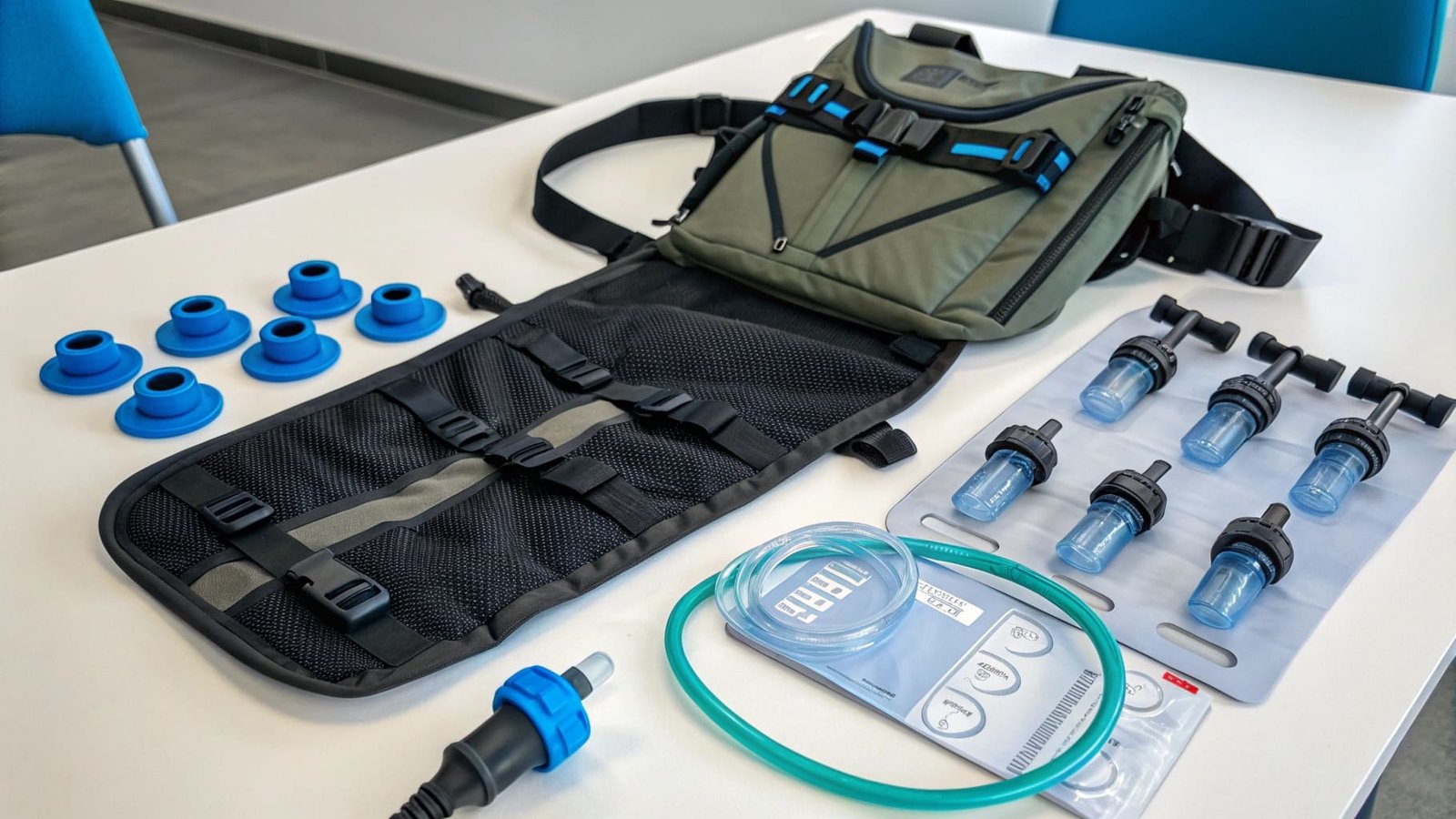
Your Selection Checklist
Start with certifications. I ask for FDA certificates for silicone tubes, LFGB approvals for TPU films, and REACH compliance for European markets. The supplier should provide batch-specific documentation. Generic certificates are worthless.
Check their mold capabilities. Suppliers who own their molds control their quality. They can adjust dimensions quickly. They don't depend on third-party mold makers. I visited a factory that outsourced all their molds. When we found a sealing problem, it took six weeks to fix. A supplier with in-house capabilities would have solved it in one week.
Test their component systems. Ask for samples of replacement parts. Order the main bladder and all backup components. Assemble them yourself. Do the threads align smoothly? Are the seals tight? Can you swap parts without forcing them?
Material Traceability: Your Safety Net
Material traceability protects you from liability. Every batch of silicone tubing should have a tracking number. Every TPU roll should link to its raw material certificate. When customers ask questions, you need answers.
I work with a supplier who photographs every incoming material shipment. They test samples from each batch. They store the data for five years. This level of documentation costs money. It also prevents lawsuits.
Building Partnerships, Not Just Transactions
The smartest move I made was shifting from buying parts to building relationships. I don't just order from suppliers. I visit their factories. I meet their quality teams. I understand their challenges.
One supplier struggled with seasonal demand spikes. We worked out a solution: I placed smaller orders throughout the year instead of one large order before peak season. They gave me better prices. I got more consistent quality.
| Selection Factor | Why It Matters | How to Verify |
|---|---|---|
| In-house molds | Fast adjustments, quality control | Factory visit, ask for mold photos |
| Batch consistency | Replacement parts fit years later | Order samples from different batches |
| Technical documentation | Troubleshooting, compliance | Request full spec sheets with tolerances |
| R&D capability | Product improvements, new materials | Ask about recent innovations |
| Communication | Quick responses to problems | Test response time before large orders |
Your supplier should invest in improvements. Ask about their R&D projects. Are they testing new TPU formulations? Have they developed easier-to-clean designs? Do they explore sustainable materials?
These investments signal long-term thinking. They show a supplier who wants to grow with you, not just fill an order.
Conclusion
Finding reliable replacement parts starts with choosing suppliers who value consistency, documentation, and partnership over short-term profits. Your customers depend on it.
-
Understand the significance of FDA and LFGB certifications in ensuring product safety and quality. ↩
-
Understand the importance of quality control teams in maintaining product standards. ↩
-
Find out how high-frequency welding technology ensures leak-proof seams in water bladders. ↩
-
Learn about the role of material traceability in ensuring product safety and compliance. ↩