Where Can Wholesale Buyers Source Drinking and Straw Hole Lids in Volume?
Finding reliable suppliers for drinking and straw hole lids feels overwhelming. You worry about quality issues and delayed shipments. I know this pain because I work with buyers like you every day.
Wholesale buyers can source drinking and straw hole lids1 directly from Chinese manufacturers, at trade shows, or through B2B platforms. Direct manufacturer relationships offer the best pricing and customization options for volume orders.
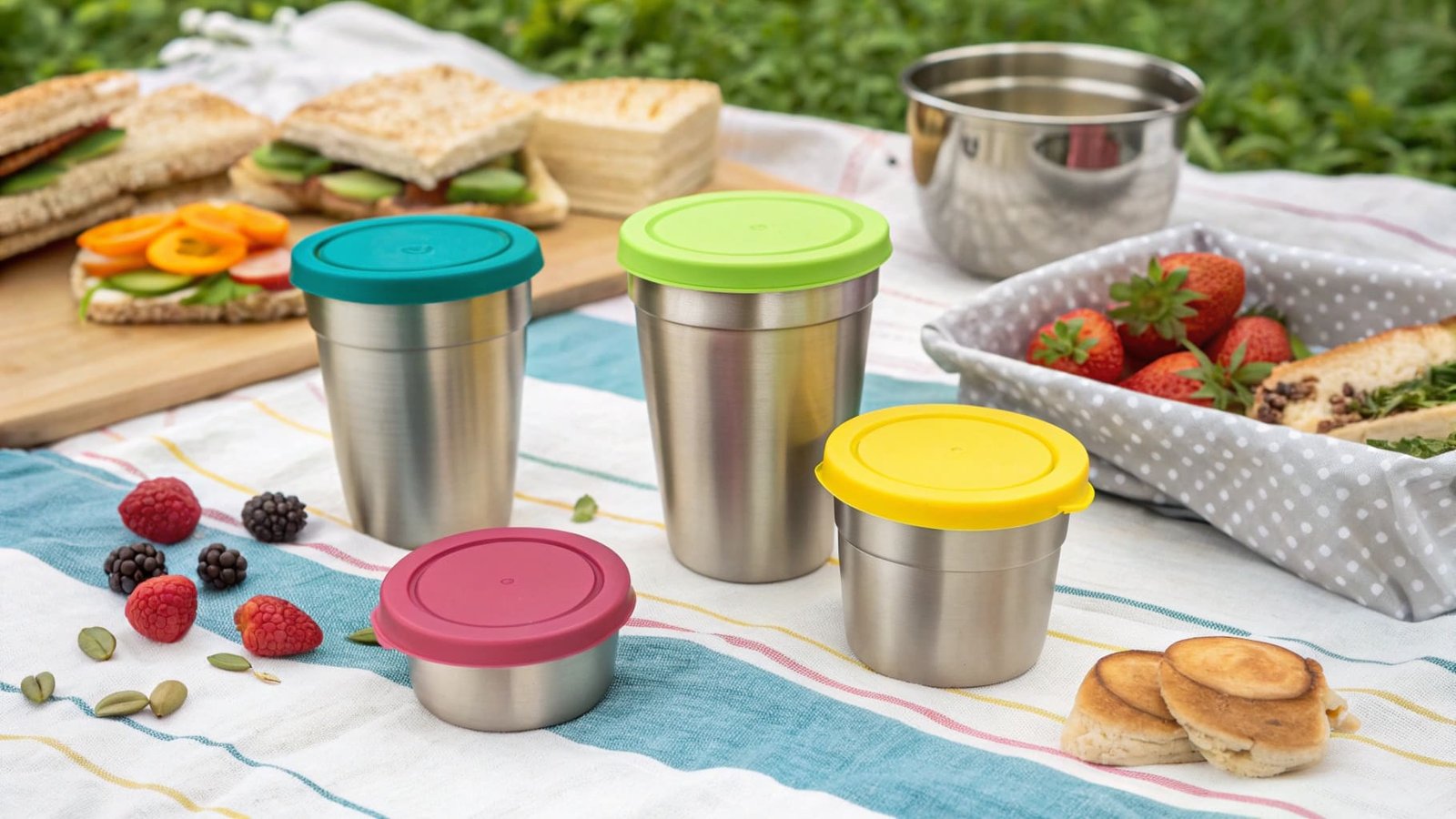
I remember when Mark, one of my Canadian clients, struggled to find consistent lid suppliers. He missed his peak season twice because of unreliable sources. That experience taught me what wholesale buyers really need: clear guidance on sourcing these specialized products. Let me share what I learned from years in this industry.
What Size Are Standard Mason Jar Lids?
You need to order lids but worry about getting the wrong size. Your customers will return incompatible products. This mistake costs you money and damages your reputation.
Standard mason jar lids come in two sizes: regular mouth at 70mm and wide mouth at 86mm. These measurements apply to most major brands including Ball, Kerr, and generic jars sold worldwide.
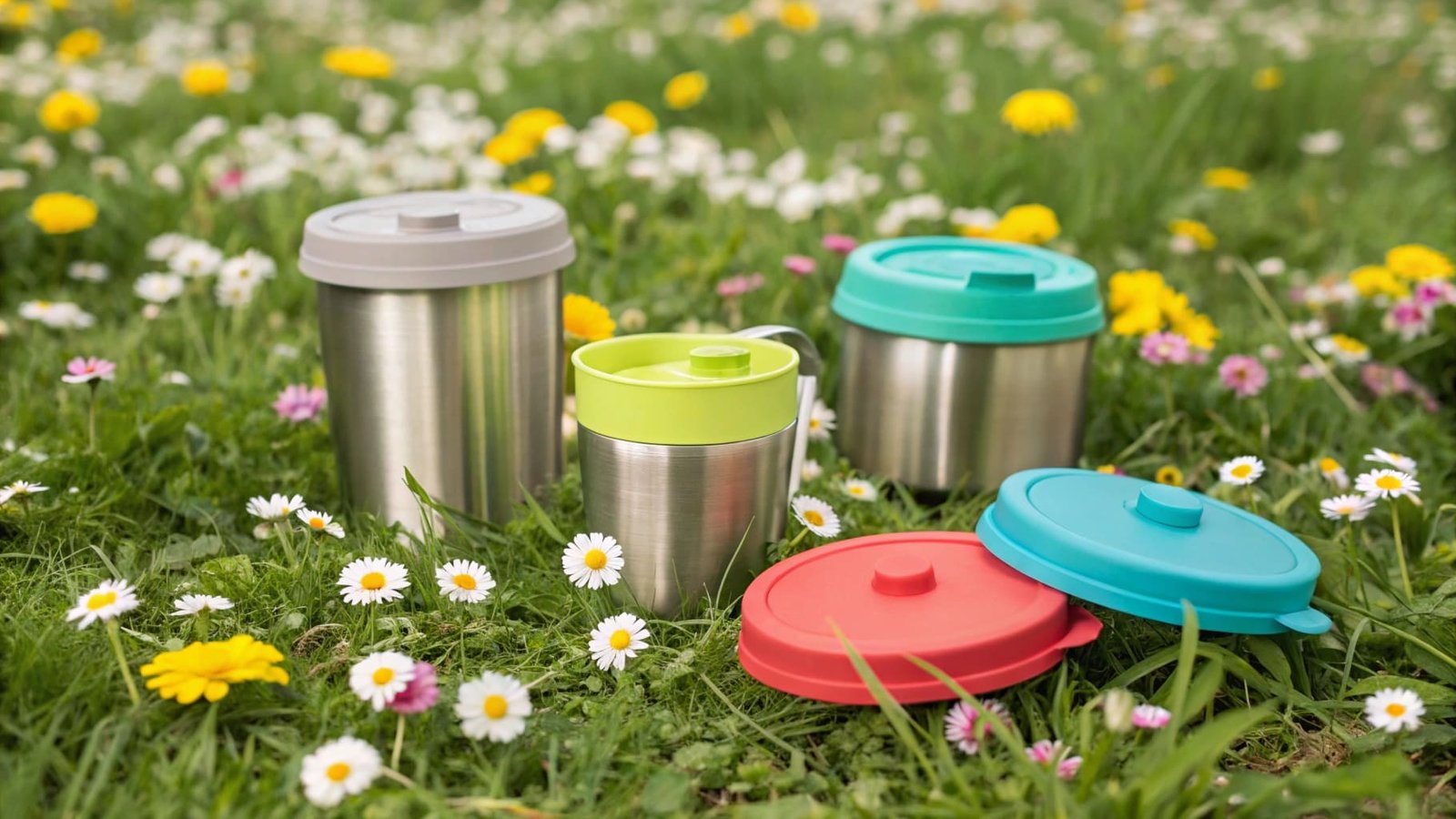
I measure every lid sample that comes to my factory. This habit started after a customer ordered 10,000 units that did not fit their jars. The problem was simple but costly. We had mixed up regular and wide mouth specifications.
Here is what you need to know about lid sizing:
| Lid Type | Diameter | Common Uses |
|---|---|---|
| Regular Mouth | 70mm (2.75") | Jams, sauces, small beverages |
| Wide Mouth | 86mm (3.38") | Smoothies, large drinks, bulk storage |
The silicone drinking lids2 I manufacture follow these exact dimensions. I design them with a slight tolerance, usually plus or minus 0.5mm. This tolerance ensures a snug fit without being too tight. The inner diameter matters more than the outer edge because it creates the seal against the jar rim.
When you source from my factory, I always ask which mouth size you need first. I send physical samples before production starts. This step prevents the expensive mistakes I have seen other suppliers make. Some buyers purchase both sizes because their customers use different jar types. I offer bundle pricing for mixed orders above 5,000 units.
Where Are Ball Mason Jar Lids Made?
You see "Made in USA" labels and wonder where lids actually come from. You want to tell customers the truth. The manufacturing origin affects your pricing and marketing strategy.
Ball Corporation historically manufactured lids in the United States, but most current production happens in Asia, primarily China. This shift reflects global manufacturing trends where specialized factories offer better pricing and customization.
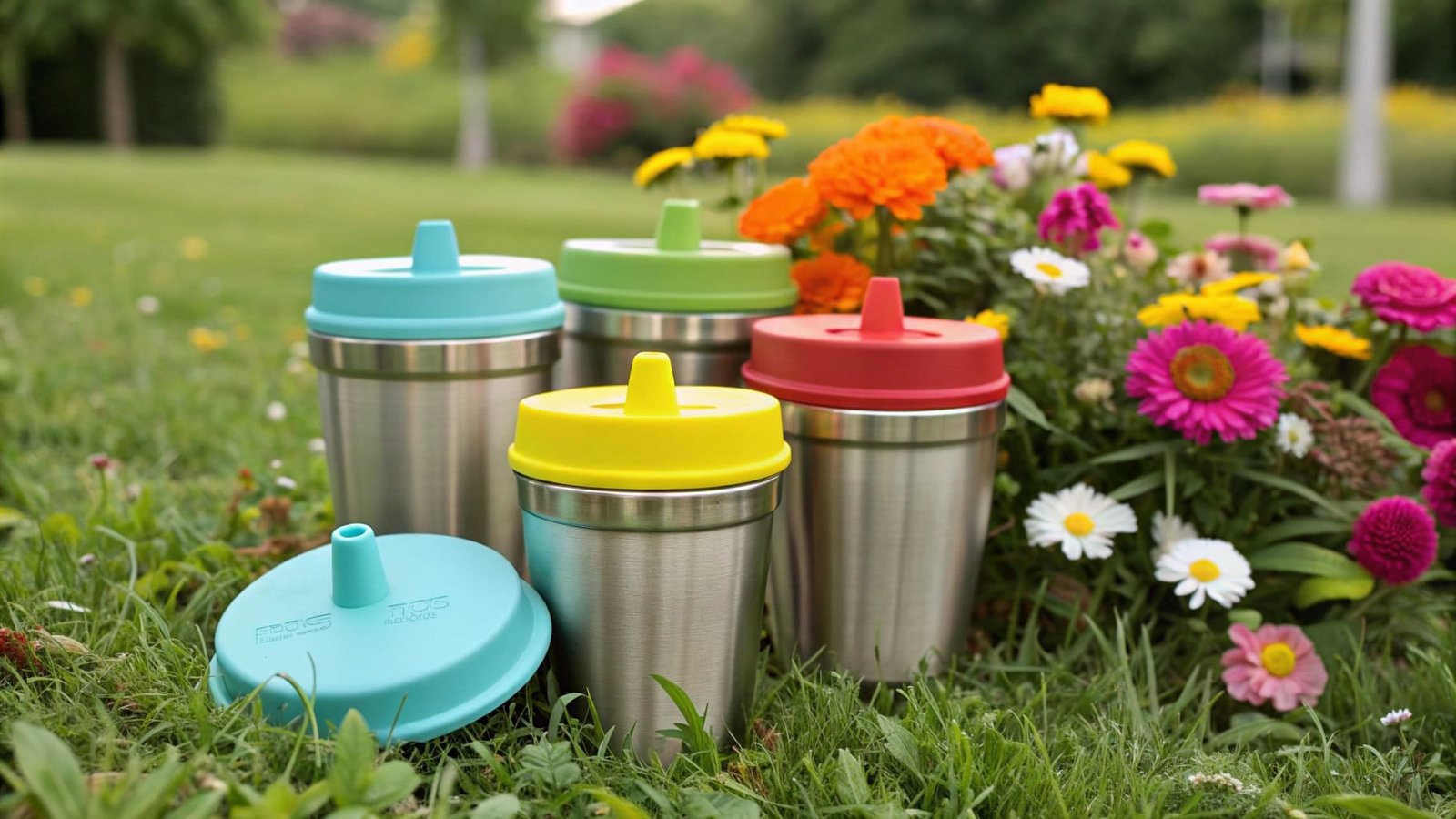
I started my silicone business in China ten years ago. Back then, many buyers insisted on American-made lids. The market has changed completely. Now those same buyers work directly with Chinese manufacturers like me because we offer advantages they cannot find elsewhere.
Let me break down the current manufacturing landscape:
Traditional Metal Lids:
Ball brand still produces some metal canning lids in US facilities. But the volume is small compared to their Asian production. Most wholesale buyers now source these from Chinese factories that specialize in metal stamping and rubber gasket assembly.
Silicone Drinking Lids:
These products come almost exclusively from China. The reason is simple. China has the complete supply chain for food-grade silicone. I can source raw materials, molds, and quality testing all within 50 kilometers of my factory.
Here is my production advantage breakdown:
| Factor | US Production | Chinese Production |
|---|---|---|
| MOQ | 50,000+ units | 1,000+ units |
| Customization | Limited options | Full customization |
| Lead Time | 8-12 weeks | 3-5 weeks |
| Unit Cost | $1.50-$3.00 | $0.30-$0.80 |
I work with buyers who rebrand these lids for North American and European markets. They succeed because consumers care more about quality certification than origin country. I provide FDA and LFGB certificates3 that meet all safety requirements. The key is transparency. Tell your customers where products come from and why that choice benefits them.
How Long Are Mason Jar Lids Good For?
You order large quantities but worry about shelf life. Old inventory means wasted money. You need to know how long lids stay functional before selling them.
Traditional metal mason jar lids last 5-10 years when stored properly, while silicone drinking lids typically last longer due to material durability. Storage conditions affect lifespan more than manufacturing date.
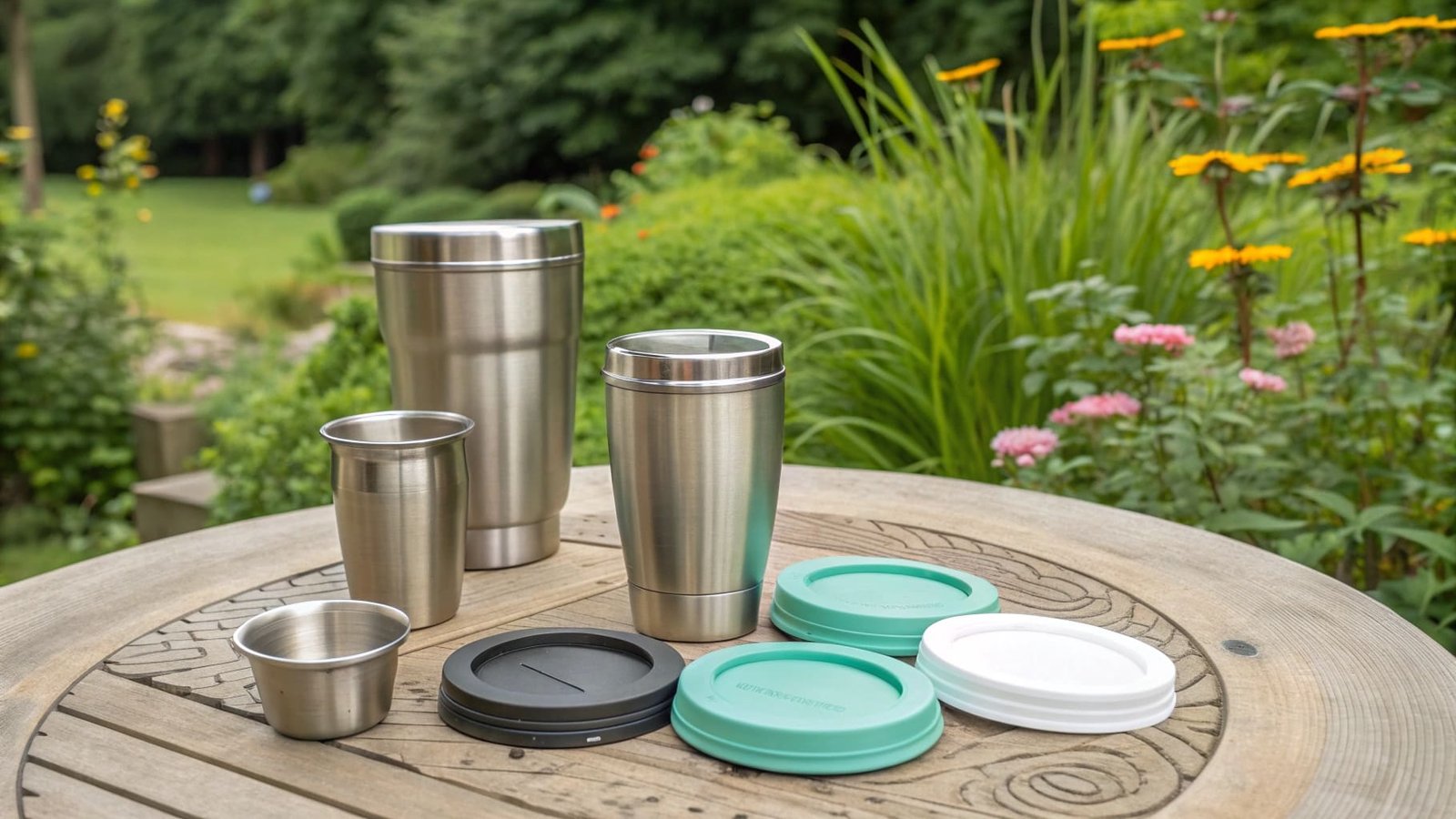
I learned about lid longevity the hard way. Three years ago, I stored metal lid samples in my humid warehouse. Within eighteen months, rust appeared on the edges. The rubber seals degraded faster than expected. This experience changed how I advise customers on storage and rotation.
Metal Lid Durability Factors:
The metal itself resists time well. The rubber seal component fails first. Heat, humidity, and UV exposure accelerate degradation. I tell my customers to store metal lids in cool, dry locations away from direct sunlight. The rubber becomes brittle and loses its sealing ability when exposed to temperature fluctuations.
Silicone Lid Advantages:
My silicone drinking lids outlast metal versions significantly. Silicone does not rust. It resists UV damage. Temperature changes do not affect the material properties. I have test samples from 2015 that still function perfectly today.
Compare the longevity factors:
| Component | Metal Lids | Silicone Lids |
|---|---|---|
| Base Material | 10+ years | 15+ years |
| Seal Component | 5-7 years | 12+ years |
| Rust Risk | High | None |
| UV Resistance | Low | High |
For wholesale buyers, this extended lifespan creates a marketing advantage. Your customers want sustainable products that last. I help buyers develop marketing messages around this durability. One client calculates cost-per-use over five years. This approach shows customers why premium silicone lids offer better value than cheap alternatives.
I recommend rotating your inventory every two years for metal lids. For silicone products, you can hold stock for five years without quality concerns. This flexibility helps you manage cash flow and take advantage of bulk pricing without worrying about expiration dates.
Conclusion
Sourcing drinking and straw hole lids requires understanding sizes, manufacturing origins, and product longevity. Direct relationships with certified Chinese manufacturers offer the best combination of quality, pricing, and customization for wholesale buyers.
-
Explore this link to discover trusted suppliers that can meet your volume needs for drinking and straw hole lids. ↩
-
Learn about the benefits of silicone drinking lids, including durability and longevity, to make informed purchasing decisions. ↩
-
Understand the importance of FDA and LFGB certifications for food safety in your lid sourcing. ↩