Where Can Wholesalers Source FDA-Approved Silicone Mug Covers in Bulk?
You want FDA-approved silicone mug covers for your business, but fake certifications and unreliable suppliers make bulk sourcing risky and expensive.
Wholesalers can source FDA-approved silicone mug covers in bulk from verified Chinese manufacturers who provide third-party test reports, maintain raw material traceability1, and specialize in platinum-cured LSR silicone that meets FDA 21 CFR 177.2600 standards.
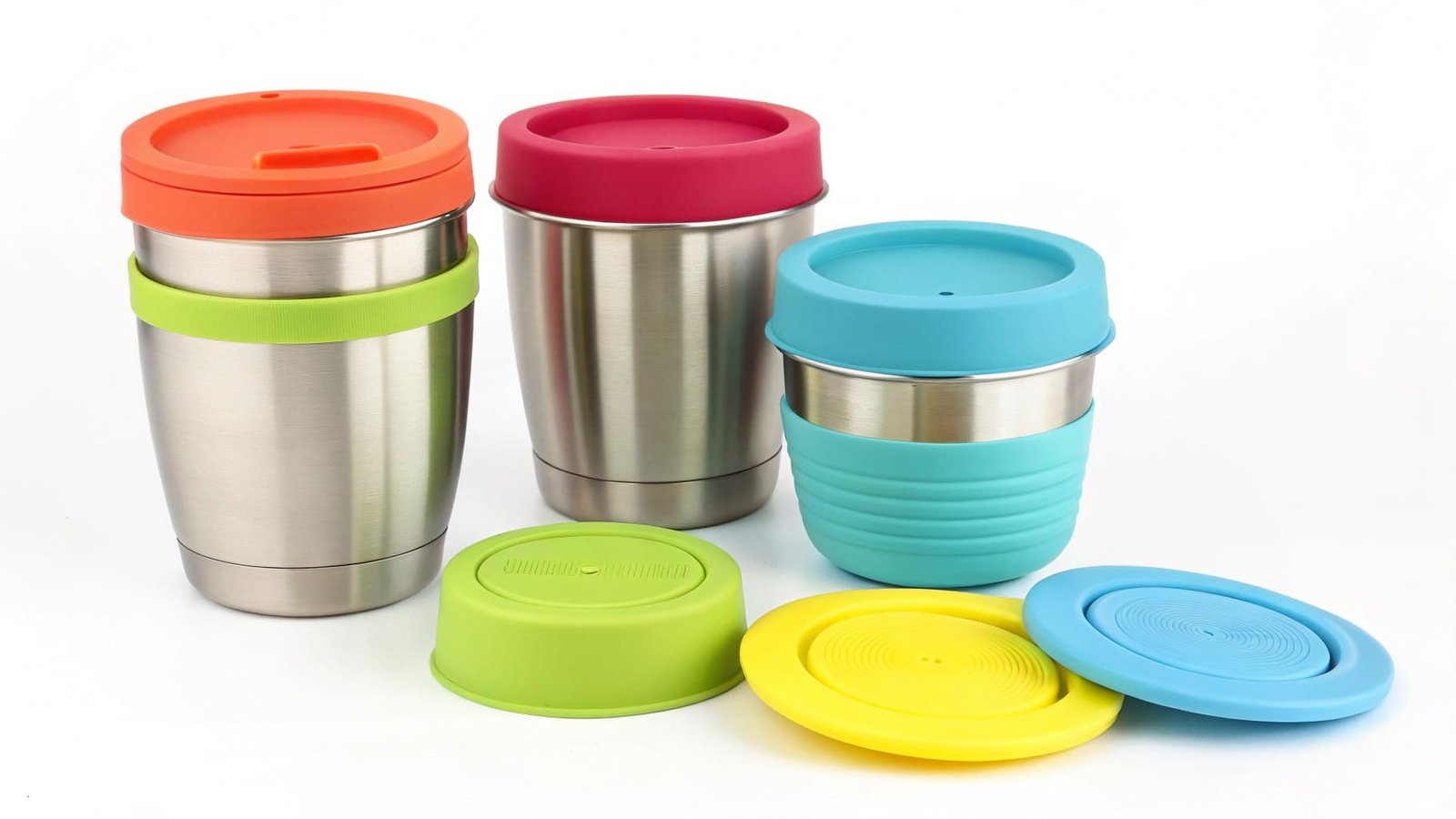
I have been working in the silicone accessories industry for over a decade. I have seen many wholesalers struggle with finding reliable suppliers who actually deliver what they promise. The biggest challenge is not finding suppliers who claim FDA approval. The real problem is finding suppliers who can prove their products meet the standards. Let me share what I have learned about sourcing genuine FDA-approved silicone mug covers2 in bulk.
Can silicone covers go in the microwave?
Your customers microwave their beverages daily, but you worry about product liability if the silicone covers melt or release harmful substances.
Yes, genuine food-grade silicone covers can safely go in the microwave. High-quality silicone remains stable at temperatures from -40°F to 450°F without degrading or releasing chemicals.
Understanding Silicone Temperature Stability
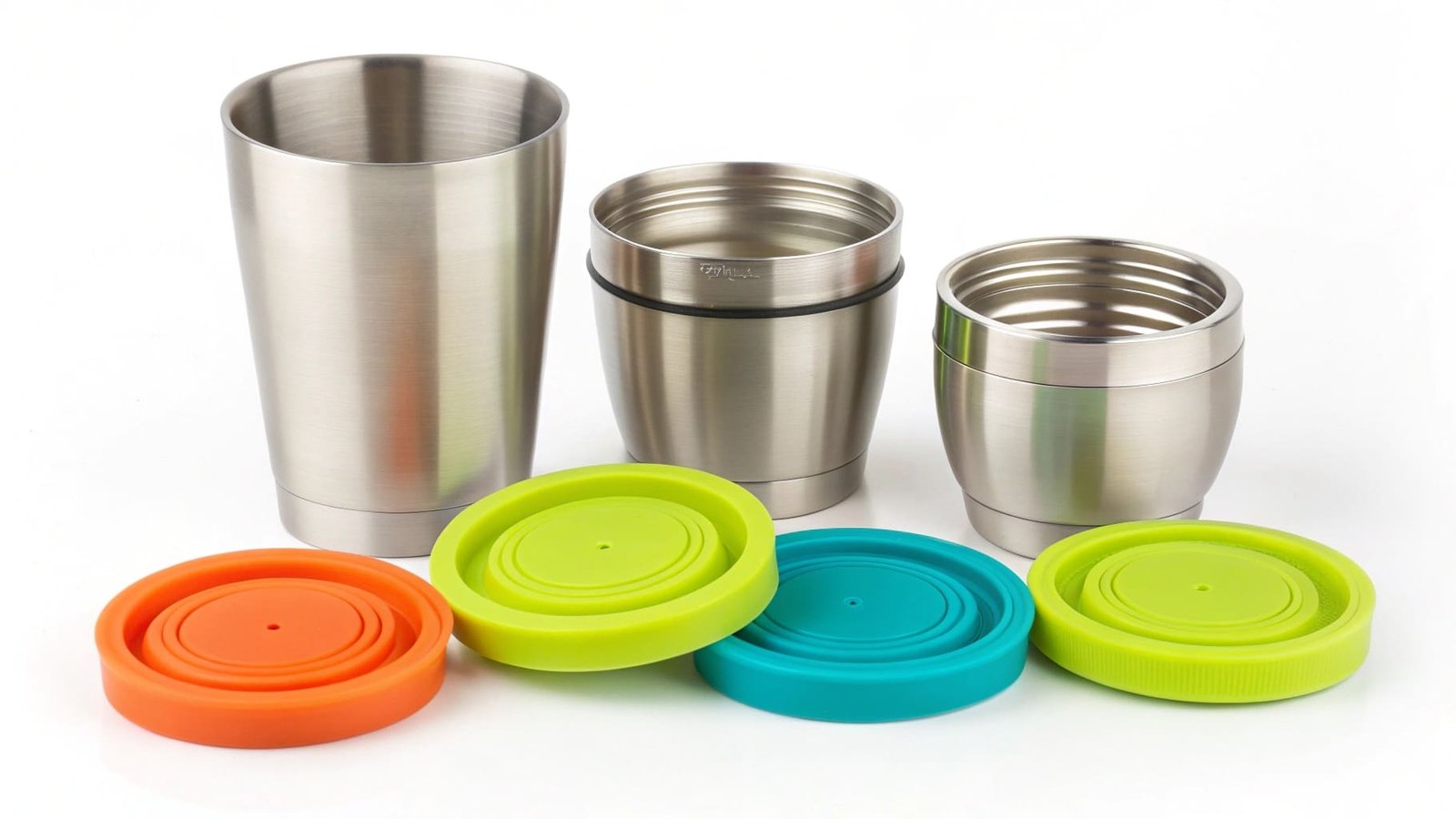
I need to explain why silicone works in microwaves when other materials fail. Silicone has a unique molecular structure. The material consists of silicon-oxygen bonds. These bonds are much stronger than the carbon-carbon bonds found in plastics. This strength gives silicone its remarkable temperature resistance.
When you place a silicone mug cover in the microwave, the material does not break down. Plastics often warp, melt, or release fumes when heated. Silicone maintains its shape and properties. I have tested our silicone cup lids in microwaves repeatedly. The products show no signs of degradation after hundreds of heating cycles.
The temperature inside a typical microwave rarely exceeds 212°F when heating liquids. This temperature is well below silicone's maximum tolerance. Your customers can safely microwave their covered mugs without any concerns. The silicone will not melt, warp, or contaminate their beverages.
Different Silicone Grades Matter
Not all silicone products perform the same in microwaves. I want to show you the key differences:
| Silicone Type | Curing Method | Max Temperature | Microwave Safe | Odor Level |
|---|---|---|---|---|
| Platinum-cured LSR | Platinum catalyst | 450°F | Yes | None |
| Peroxide-cured | Organic peroxide | 400°F | Limited | Noticeable |
| Mixed/recycled | Various | 350°F | No | Strong |
Platinum-cured silicone is the only type I recommend for repeated microwave use. This grade uses platinum as a catalyst during manufacturing. The process creates a purer product. Peroxide-cured silicone is cheaper to produce. However, it may retain residual peroxide compounds. These compounds can break down under repeated heating.
Are silicone covers safe for food?
You need products your customers can trust, but headlines about toxic materials in food containers make you cautious about what you source.
Food-grade silicone covers are completely safe for food contact when they meet FDA 21 CFR 177.2600 standards. These products contain no BPA, phthalates, or harmful plasticizers that could migrate into food.
What FDA Approval Actually Means
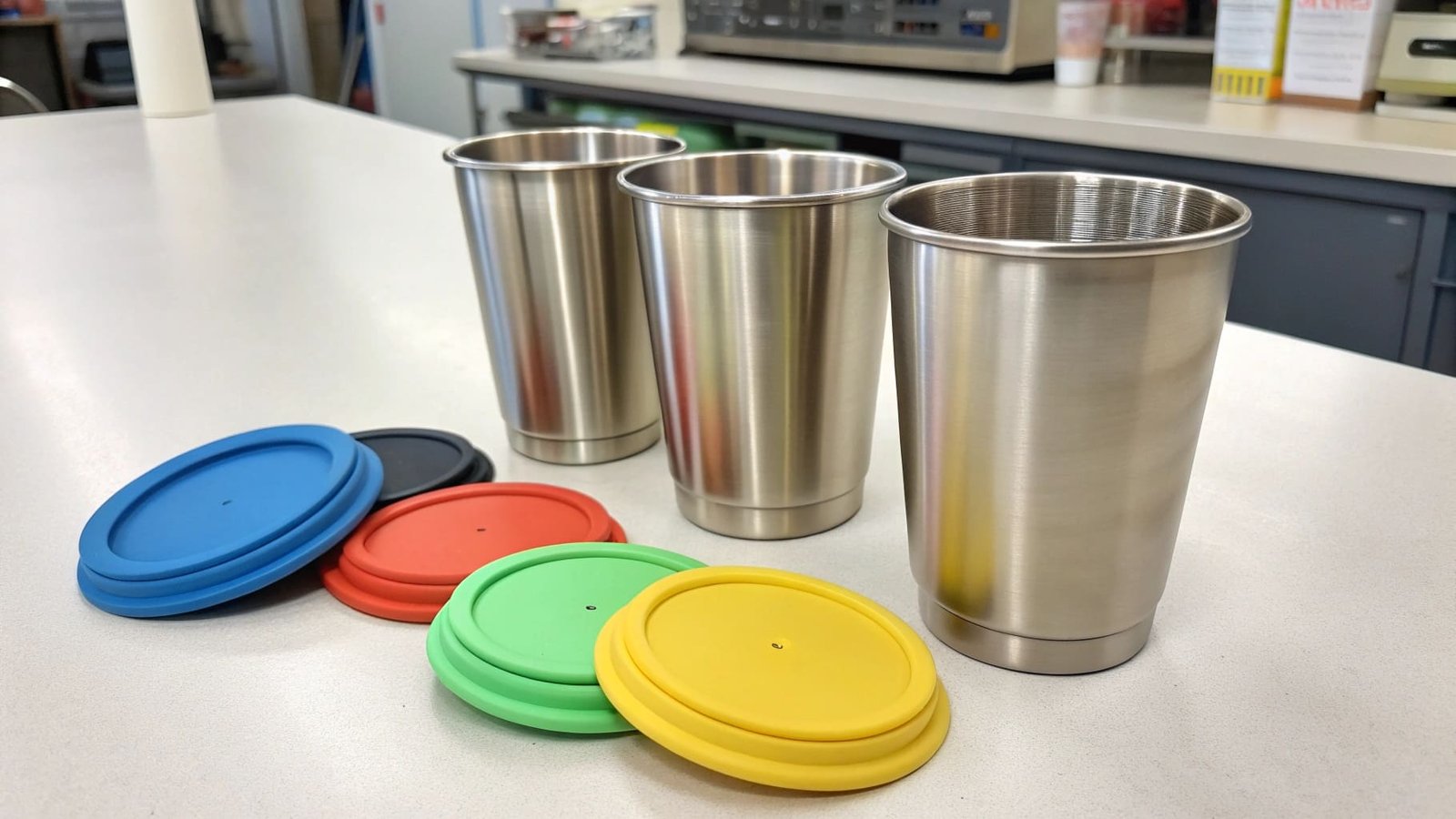
I often meet buyers who think FDA approval is just a marketing term. The reality is much more specific. FDA 21 CFR 177.2600 is the exact regulation that governs rubber articles intended for repeated food contact. This regulation sets strict limits on what materials can be used and what substances can migrate from the product into food.
A truly FDA-approved silicone mug cover must be made from 100% food-grade silicone. The raw materials must come from approved suppliers. I maintain complete documentation of our material sources. Every batch of silicone we receive has a material safety data sheet. We can trace each product back to its raw material batch.
The manufacturing environment matters just as much as the materials. Our factory has dedicated production lines for food-contact products. We do not mix food-grade and industrial-grade silicone in the same facility. Cross-contamination is a real risk that many smaller manufacturers ignore.
Testing Requirements You Should Demand
I provide every serious buyer with third-party test reports3. These reports prove our products meet safety standards. Here is what you should request from any supplier:
Migration Testing
This test measures what substances transfer from the silicone into food simulants. The lab places the silicone in contact with various liquids that simulate different foods. They test for heavy metals, volatile compounds, and other potentially harmful substances. Our products consistently show zero migration of harmful compounds.
Food Simulation Conditions
| Test Condition | Temperature | Duration | Food Simulant |
|---|---|---|---|
| Hot beverages | 212°F | 2 hours | 3% acetic acid |
| Fatty foods | 104°F | 10 days | 50% ethanol |
| Aqueous foods | 104°F | 10 days | Distilled water |
I conduct these tests on every new product we develop. The results give you confidence that the silicone covers will not contaminate your customers' food or drinks.
Does silicone leach chemicals when microwaved?
You read conflicting information online about silicone safety, and your customers ask technical questions you cannot confidently answer.
High-quality platinum-cured silicone does not leach chemicals when microwaved. Unlike plastics that release BPA or phthalates when heated, the silicon-oxygen bonds in food-grade silicone remain stable at typical microwave temperatures.
The Chemistry Behind Chemical Stability
I want to explain why silicone behaves differently from plastic. Most people group all flexible materials together. This thinking causes confusion. Plastics are organic polymers. They contain carbon-hydrogen bonds. These bonds can break when exposed to heat, UV light, or certain chemicals. When plastic bonds break, small molecules can migrate into food. These molecules include plasticizers, stabilizers, and unreacted monomers.
Silicone has an inorganic backbone. The material consists of alternating silicon and oxygen atoms. These bonds are much stronger than the bonds in plastics. The bond energy of silicon-oxygen is approximately 452 kJ/mol. The bond energy of carbon-carbon in plastics is only about 348 kJ/mol. This difference means silicone remains chemically stable under conditions that would degrade plastics.
When you microwave a silicone mug cover, the temperature rise does not provide enough energy to break these strong bonds. The molecular structure stays intact. No small molecules migrate from the silicone into the beverage. I have commissioned independent labs to test our products under extreme conditions. Even after 30 minutes of continuous microwave heating, migration tests show no detectable chemical transfer.
How to Verify Supplier Claims
I meet many buyers who have been deceived by suppliers claiming their products are safe. The market has a serious problem with fake certifications. Let me share how I verify claims when I evaluate new material suppliers:
Request Batch-Specific Documentation
Generic certificates mean nothing. I always ask for test reports tied to specific production batches. Each report should include the batch number, production date, and testing date. The testing laboratory should be accredited to ISO 17025 standards. This accreditation ensures the lab has proper quality controls.
Conduct Factory Audits
I visit supplier factories personally whenever possible. Pictures and documents can be faked. A physical visit reveals the truth about production capabilities. I check if the factory segregates food-grade and non-food-grade materials. I examine their quality control procedures. I review their raw material receiving inspection process.
Test Initial Samples Independently
I never rely solely on supplier-provided test reports. I send initial samples to independent testing labs in my target markets. For North American customers, I use labs familiar with FDA requirements. For European customers, I use labs that test against LFGB standards. This redundant testing has saved me from several bad suppliers who provided fake documentation.
Quality Indicators in Manufacturing Process
The curing process determines the final safety and performance of silicone products. I use liquid silicone rubber4 with platinum curing exclusively for food-contact products. This process requires more expensive equipment and skilled operators. Many manufacturers cut corners by using peroxide curing because it costs less.
You can identify platinum-cured silicone by its characteristics. The material has no odor. If you smell a strong rubber or chemical odor, the product likely uses peroxide curing or contains fillers. Platinum-cured silicone has consistent color and transparency. The surface feels smooth and uniform. Peroxide-cured silicone often has visible imperfections or color variations.
I control every step of production to ensure consistency. We weigh raw materials precisely. We monitor injection temperatures continuously. We cure products in temperature-controlled ovens. We perform visual inspection on every single piece. This attention to detail costs more in the short term. However, it prevents the costly problems that come from defective products reaching customers.
Conclusion
Finding genuine FDA-approved silicone mug covers requires verifying certifications, understanding curing processes, and partnering with manufacturers who maintain complete quality traceability throughout production.
-
Discover how raw material traceability impacts product safety and quality assurance. ↩
-
Explore this link to discover reliable suppliers of FDA-approved silicone mug covers for your business. ↩
-
Learn about the importance of third-party test reports to ensure product safety and compliance. ↩
-
Understand the properties and applications of liquid silicone rubber in food safety. ↩