Where to Access Technical Specifications for Silicone O-Rings Seals and Gaskets?
You need technical specs for silicone O-rings but don't know where to start. Wrong specifications lead to product failures. Your business reputation is at stake.
The most reliable sources include manufacturer datasheets, ASTM International standards, Parker O-Ring Handbook, and Trelleborg technical libraries. These provide durometer hardness, temperature ranges, chemical compatibility, compression set values, and dimensional tolerances that ensure proper selection.
I learned this the hard way when a buyer returned an entire batch because the specs didn't match their application. Since then, I made it my mission to help buyers like you access the right technical information from the start. The following insights come from years of working with procurement officers who face the same challenges you do.
What is the technical information about O-ring?
Technical information for O-rings covers material properties that determine performance. You need this data to make informed purchasing decisions. Missing even one parameter can result in seal failure.
O-ring technical information includes material composition (VMQ for silicone), durometer hardness (Shore A scale), temperature resistance range, chemical compatibility1, compression set percentage, tensile strength, elongation at break, and dimensional tolerances per AS568 or ISO 3601 standards.
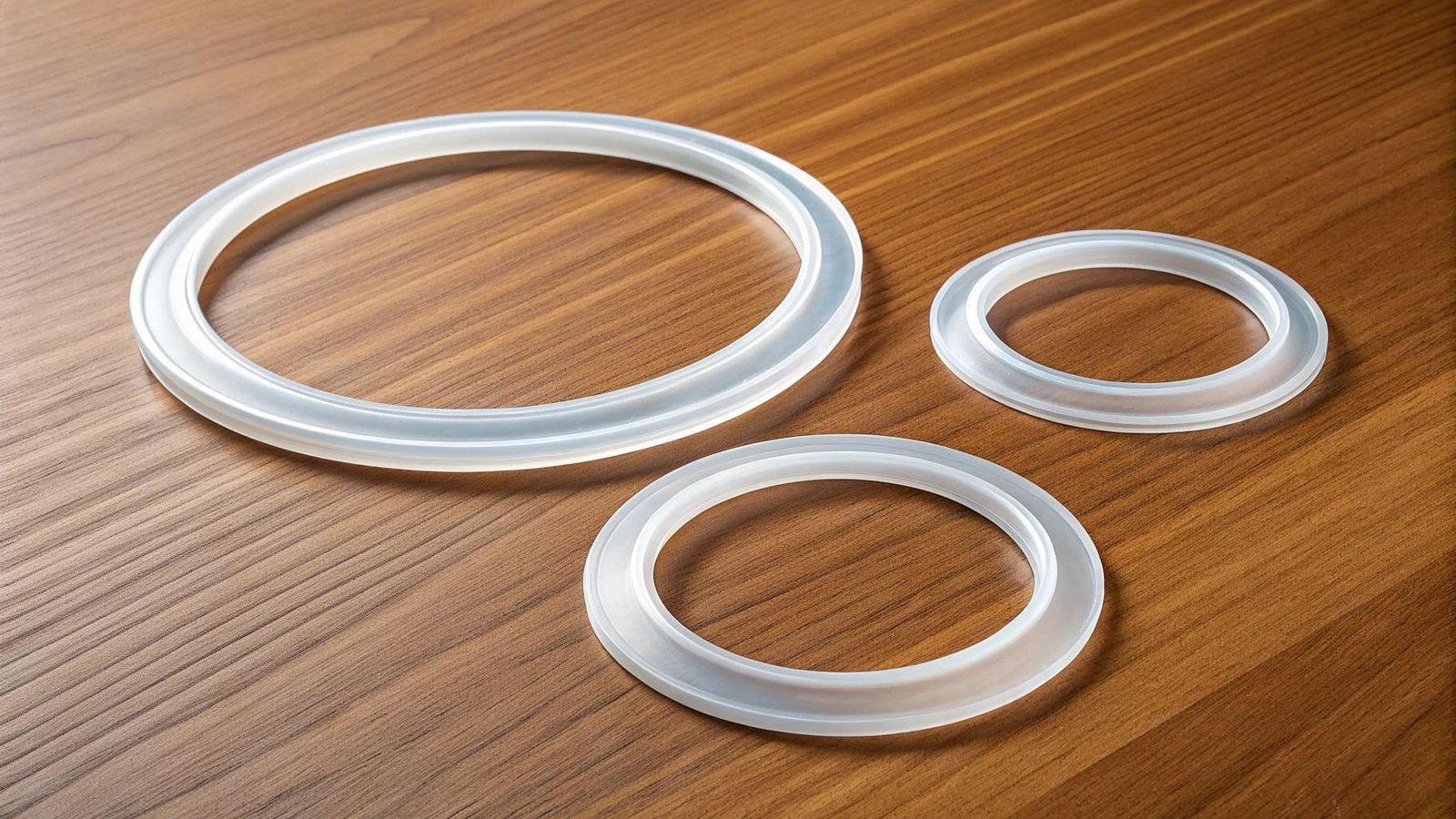
I always start by examining the material composition. Silicone O-rings use VMQ (vinyl methyl silicone) as the base polymer. This designation comes from ASTM D1418. The Shore A hardness typically ranges from 40 to 80 for standard applications. I recommend 50-70 Shore A for most general purposes.
Temperature resistance is where silicone really shines. My products handle continuous operation from -60°C to 230°C. Some specialty grades go even lower or higher. You need to know both the operating temperature and any temperature spikes that might occur.
Chemical compatibility matters more than most buyers realize. I provide detailed charts showing how silicone performs against oils, acids, bases, and solvents. Water and steam? Excellent resistance. Petroleum oils? Poor resistance. This is why I ask buyers about their specific application environment.
Compression set measures how well the O-ring recovers after being compressed. Lower numbers mean better recovery. ASTM D395 defines the test method. I target compression set values2 below 25% after 70 hours at 200°C. This ensures long-term sealing performance.
Dimensional data follows AS568 standards for O-rings. Each dash number corresponds to specific inner diameter and cross-section measurements. The tolerance typically sits at ±0.08mm for smaller sizes. I keep detailed dimension tables for quick reference.
| Property | Typical Value | Test Standard |
|---|---|---|
| Hardness | 50-70 Shore A | ASTM D2240 |
| Tensile Strength | 7-10 MPa | ASTM D412 |
| Elongation | 400-600% | ASTM D412 |
| Compression Set | <25% | ASTM D395 |
| Temperature Range | -60°C to 230°C | - |
What is the ASTM standard for O-rings?
ASTM standards provide the common language for specifying O-ring materials. You face confusion without standardized classifications. Different suppliers use different terms for the same thing.
ASTM D2000 is the primary standard for rubber materials in O-rings, classifying silicone based on heat and fluid resistance. ASTM D1418 defines material abbreviations like VMQ. ASTM D395 covers compression set testing methods that predict long-term performance.
ASTM D2000 uses a call-out system that looks like this: M3FC710. Let me break down what this means. The M indicates metric units. The 3 shows the grade based on heat resistance. F means the material resists heat aging at 150°C. C indicates resistance to certain fluids.
The numbers 710 specify basic requirements for tensile strength and elongation. This standardized format lets you communicate exact requirements to any supplier worldwide. I use it in all my technical datasheets.
ASTM D1418 establishes the VMQ abbreviation for silicone rubber. V stands for the polymer class containing carbon, hydrogen, oxygen, and silicon. M indicates methyl substitution. Q represents siloxane in the polymer backbone. This naming system eliminates ambiguity.
When I test compression set, I follow ASTM D395 Method B. The O-ring gets compressed to 25% of original thickness. It sits in an oven at specified temperature for a set time. After cooling, I measure how much the thickness recovered. The percentage that didn't recover is the compression set value.
ASTM D2240 measures hardness using a durometer. Shore A scale works for softer materials like silicone. I press the durometer against the sample for one second and read the value. Consistency requires proper sample thickness and multiple measurements.
For tensile properties, ASTM D412 guides my testing. I use dumbbell-shaped specimens. The testing machine pulls the specimen at constant speed until it breaks. This gives tensile strength and elongation values that appear on my spec sheets.
| ASTM Standard | Purpose | Key Information |
|---|---|---|
| D2000 | Material classification | Heat and fluid resistance coding |
| D1418 | Material abbreviation | VMQ designation for silicone |
| D395 | Compression set | Long-term sealing performance |
| D2240 | Hardness measurement | Shore A durometer values |
| D412 | Tensile properties | Strength and elongation data |
How to check seals and gaskets are fit for purpose?
Checking fitness for purpose prevents costly failures in the field. You waste money on products that don't work. Your production line stops when seals fail.
Conduct a four-step validation: match operating environment to material specs, confirm dimensional compatibility using AS568 or DIN standards, request sample testing or application proof, and ensure supplier provides traceability documentation with batch-specific quality certifications3.
Step one requires honest assessment of your operating conditions. I ask buyers to list maximum and minimum temperatures. What chemicals will contact the seal? What pressure levels exist? How often will temperature cycle? Dynamic or static application? These factors determine material selection.
I once worked with a buyer who specified standard silicone for a petroleum application. The O-rings failed within weeks. Silicone doesn't resist petroleum oils. We switched to fluorosilicone (FVMQ) and solved the problem. This is why I insist on complete application details upfront.
Step two involves dimensional verification. O-rings follow AS568 dash numbers in North America. Europe uses ISO 3601 or DIN standards. I check three measurements: inner diameter, cross-section diameter, and tolerance class. A mismatch of even 0.5mm can cause leaks or damage during installation.
Groove design matters just as much as O-ring size. The groove must provide proper squeeze (compression) without overstressing the material. I calculate squeeze percentage based on static or dynamic applications. Static seals need 10-30% squeeze. Dynamic seals require 5-15% to avoid excessive friction.
Step three is where I separate serious suppliers from questionable ones. I provide sample O-rings for testing in your actual application or similar conditions. Real-world testing reveals issues that spec sheets can't predict. Some buyers request proof of performance from similar applications instead.
Documentation in step four protects both of us. I provide material certifications showing actual test results for each batch. FDA compliance certificates come with food-grade products. RoHS and REACH declarations confirm regulatory compliance. Traceability codes link products to production records.
I maintain detailed quality records for every production run. The batch number on your package connects to test data, raw material source, production date, and inspection results. This system helped one buyer identify a problem batch quickly before it reached end users.
| Validation Step | Action Required | Expected Output |
|---|---|---|
| Environment Match | Compare specs to conditions | Material compatibility confirmation |
| Dimensional Check | Verify sizes and tolerances | Proper fit and squeeze calculation |
| Testing | Sample testing or proof | Performance verification |
| Documentation | Request certifications | Traceability and compliance proof |
Conclusion
Access technical specifications through manufacturer resources, ASTM standards, and established databases. Verify fitness through systematic validation of environment, dimensions, testing, and documentation to ensure reliable sealing performance.
-
Chemical compatibility is crucial; this resource will help you understand how silicone O-rings perform against various substances. ↩
-
Learn about compression set values to ensure long-term sealing performance in your applications. ↩
-
Quality certifications ensure compliance and reliability; explore this link to understand their significance. ↩