Where to Buy 1-Gang Weatherproof Box Gasket Replacement Sets Wholesale?
Finding reliable suppliers for weatherproof gaskets is tough. I spent years dealing with inconsistent quality from overseas vendors. The wrong gasket choice costs you money and customer trust.
You can buy 1-gang weatherproof box gasket replacement sets wholesale from specialized silicone manufacturers1 like silijoy, electrical hardware distributors, or verified suppliers on B2B platforms. Direct manufacturer sourcing typically offers better pricing and customization options for bulk orders.
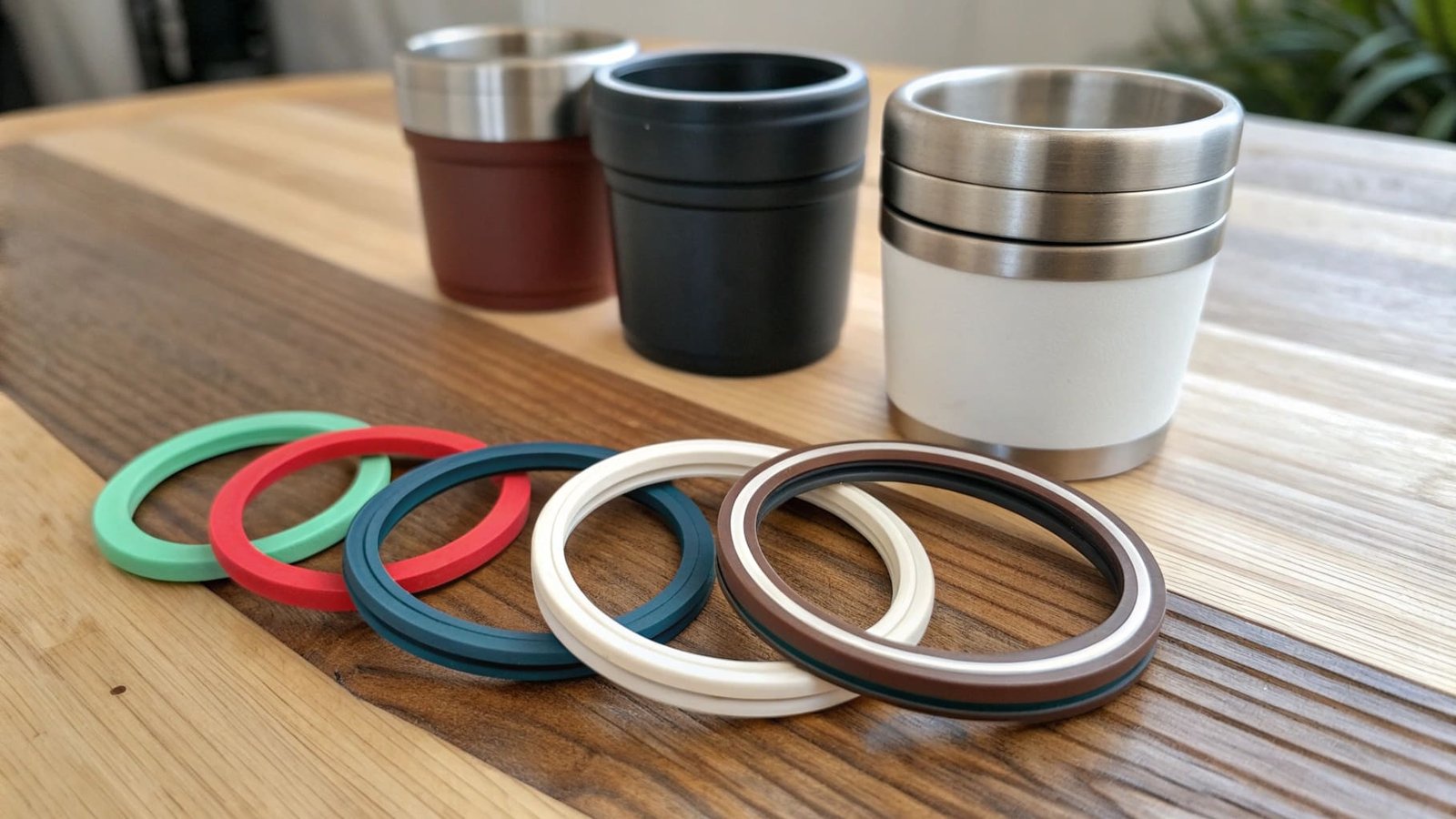
I learned this lesson the hard way. My first bulk order looked perfect in samples but failed quality tests after shipping. The foam gaskets absorbed water within weeks of installation. My customers complained about moisture damage in their electrical boxes. That experience pushed me to understand what actually works for weatherproofing.
What is a waterproof gasket?
Electrical box failures happen because of poor sealing. Water seeps through gaps and corrodes connections. Your reputation suffers when customers face these problems.
A waterproof gasket is a sealing component designed to prevent moisture penetration at the junction between two surfaces. It creates a continuous barrier that blocks water, dust, and contaminants from entering enclosed spaces like electrical boxes.
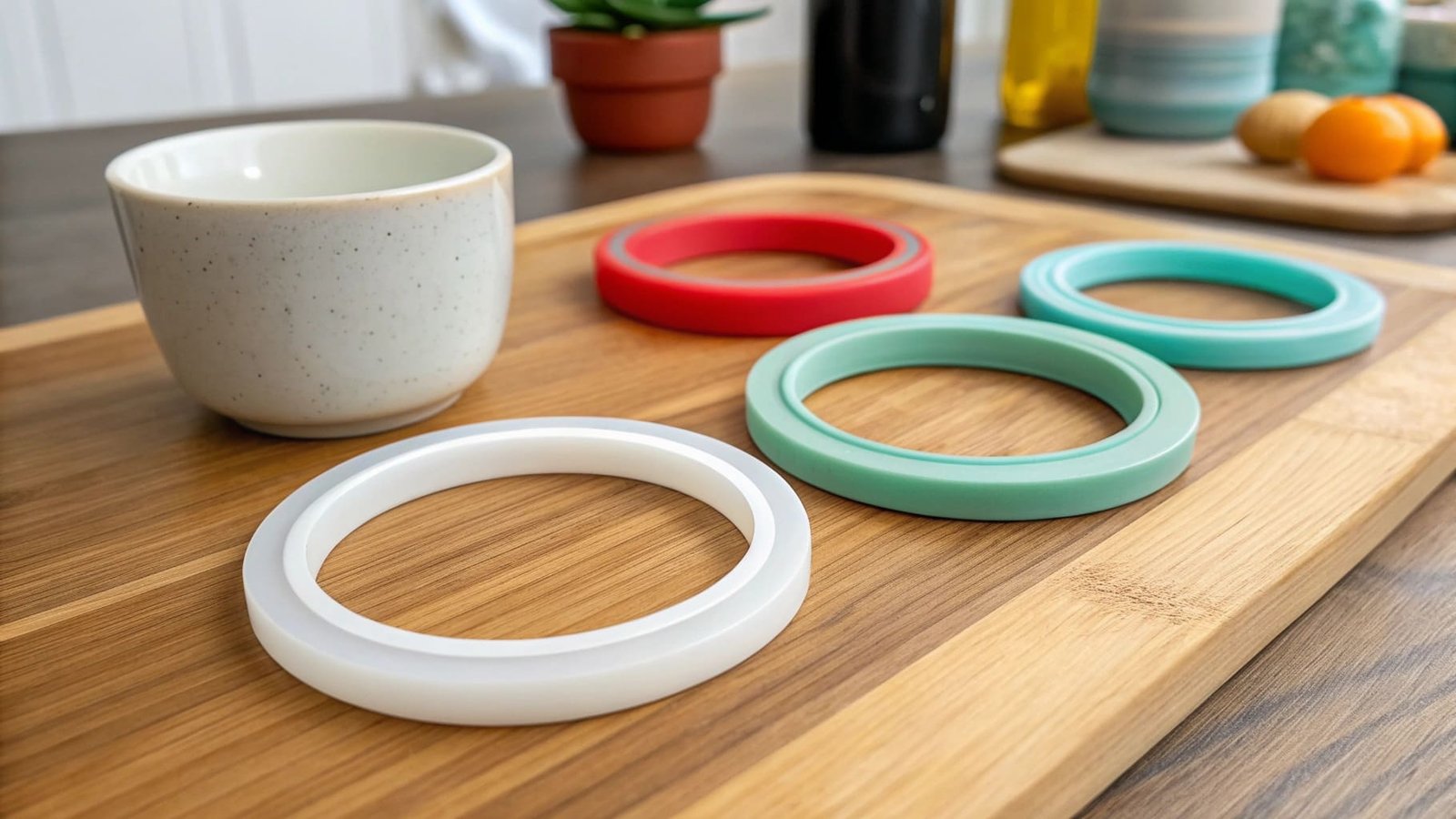
Understanding Waterproof Gasket Function
Waterproof gaskets work through compression. When you tighten a cover plate, the gasket material compresses against both surfaces. This compression eliminates microscopic gaps where water could enter. The material must maintain this compression over time without deteriorating.
The key difference between a regular gasket and a waterproof gasket2 lies in material selection. Regular gaskets might seal against air or light contact with liquids. Waterproof gaskets need to withstand sustained exposure to rain, humidity, and temperature fluctuations. They cannot absorb moisture or lose their shape under pressure.
Material Requirements for True Waterproofing
I test gaskets by submerging them in water for 72 hours. This simple test reveals which materials actually resist moisture absorption. True waterproof materials maintain their weight and dimensions after this test. Materials that absorb water swell and become unreliable.
The compression set resistance matters greatly. This measures how well the gasket returns to its original thickness after compression. Poor compression set means the gasket stays flat and creates gaps over time. Quality waterproof gaskets maintain at least 80% of their original thickness after extended compression.
Temperature stability separates professional-grade waterproof gaskets from basic sealing products. Outdoor electrical boxes face extreme conditions. Summer heat can reach 140°F inside a metal box. Winter cold drops below -40°F in some regions. The gasket material must remain flexible and maintain seal integrity across this entire range.
What is the best gasket for waterproofing?
Choosing the wrong gasket material leads to warranty claims. I received hundreds of complaints before switching materials. The cost of returns and reputation damage exceeded any initial savings from cheaper options.
Silicone gaskets3 provide the best waterproofing performance for weatherproof electrical boxes. They resist moisture absorption, maintain flexibility across temperature extremes, and offer superior compression set recovery compared to foam or rubber alternatives.
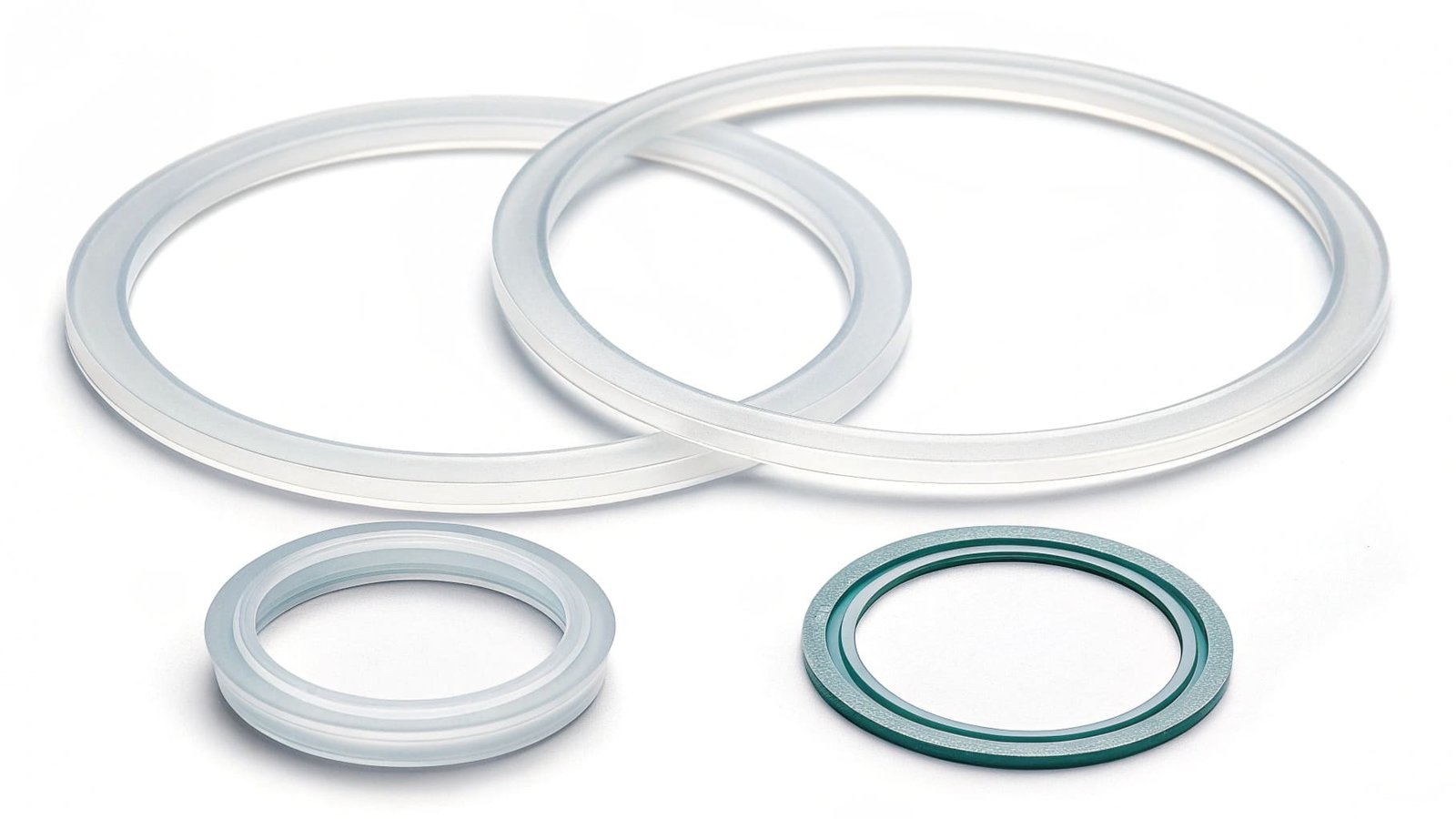
Performance Comparison by Material Type
Different gasket materials suit different applications. Let me break down what I discovered through field testing and customer feedback.
| Material | Water Resistance | Temperature Range | UV Resistance | Compression Set | Typical Lifespan |
|---|---|---|---|---|---|
| Silicone | Excellent | -60°F to 450°F | Excellent | 10-15% | 20+ years |
| EPDM Rubber | Good | -40°F to 250°F | Good | 20-30% | 10-15 years |
| Neoprene | Good | -40°F to 200°F | Fair | 25-35% | 8-12 years |
| PVC Foam | Poor | 0°F to 150°F | Poor | 40-50% | 3-5 years |
| Polyurethane Foam | Fair | -20°F to 180°F | Fair | 35-45% | 5-8 years |
Why Silicone Outperforms Other Materials
Silicone's molecular structure creates inherent waterproofing. The material does not contain open cells that absorb water. I conducted side-by-side testing with foam gaskets installed on identical electrical boxes. After six months outdoors, foam gaskets showed visible water staining and dimensional changes. Silicone gaskets looked identical to new samples.
The chemical stability of silicone prevents degradation from environmental exposure. Ozone and UV radiation break down most rubber compounds over time. I have silicone gaskets still functioning perfectly after 15 years of outdoor exposure. The material does not crack, harden, or lose elasticity like traditional rubber gaskets.
Application-Specific Considerations
NEMA 3R rating requires protection from rain and sleet. This represents the minimum standard for outdoor electrical installations. Silicone gaskets easily meet this requirement. NEMA 4X rating demands protection from corrosion, water spray, and hose-directed water. Silicone gaskets can achieve this higher protection level when properly installed.
The compression force available from your mounting screws affects gasket performance. Silicone requires less compression force than foam to create an effective seal. This matters for plastic electrical boxes where overtightening risks cracking the housing. I recommend torque specifications of 15-20 inch-pounds for silicone gaskets on standard 1-gang boxes.
Are foam gaskets waterproof?
Moisture damage from foam gaskets creates costly problems. I replaced entire batches of electrical boxes because foam gaskets failed. The labor costs for reinstallation exceeded the product costs by five times.
Foam gaskets are not truly waterproof because their cellular structure absorbs moisture over time. While closed-cell foam resists water better than open-cell variants, all foam materials eventually allow moisture penetration under sustained exposure conditions.
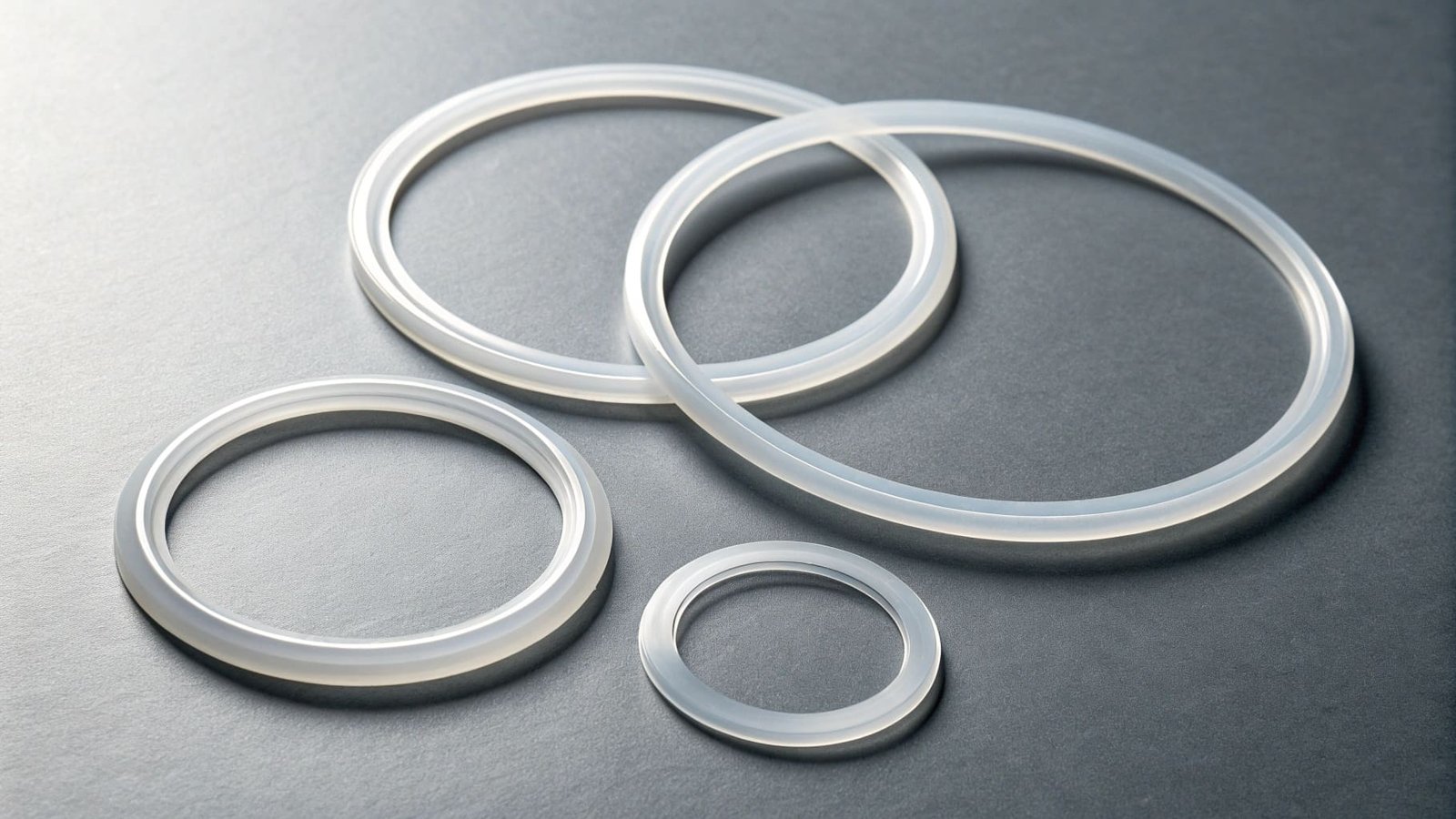
The Science Behind Foam's Limitations
Foam manufacturing creates tiny air pockets within the material. These cells provide the cushioning and compression properties that make foam gaskets easy to install. The same structure creates pathways for moisture migration. Even closed-cell foam contains microscopic connections between cells.
I conducted accelerated aging tests on foam gaskets. After 500 hours in 95% humidity at 104°F, foam gaskets gained 8-12% weight from absorbed moisture. This water absorption causes dimensional changes. The gasket swells initially, then compresses permanently as the foam structure breaks down.
When Foam Gaskets Make Sense
Not every application requires premium waterproofing. Indoor electrical boxes in climate-controlled environments can use foam gaskets successfully. The cost savings matter for large projects with hundreds of boxes. I specify foam gaskets for:
Temporary installations: Construction sites or event setups where boxes remain in place for less than one year benefit from foam's lower cost.
Indoor applications: Climate-controlled commercial buildings where humidity stays below 60% and temperature remains stable allow foam gaskets to perform adequately.
Budget-constrained projects: Some customers prioritize initial cost over long-term performance. I educate them about expected lifespan differences but respect their decision when foam meets minimum code requirements.
Foam vs Silicone Cost Analysis
The initial price difference between foam and silicone gaskets seems significant. Foam gaskets cost $0.15-0.30 per piece in wholesale quantities. Silicone gaskets run $0.80-1.50 per piece depending on thickness and customization. This represents a 400-500% cost increase.
The total cost of ownership reverses this equation. Consider a commercial installation with 200 weatherproof boxes. Foam gaskets save $130-240 upfront. These gaskets fail after 3-5 years based on my field data. Replacement requires labor costs of $25-40 per box for an electrician to open, clean, and reseal each unit. Total replacement cost reaches $5,000-8,000 plus new gasket costs.
Silicone gaskets last 20+ years in the same application. You avoid replacement labor entirely during the building's useful life. The extra $160-240 initial investment saves thousands in maintenance costs. I present this analysis to every customer considering foam alternatives.
Conclusion
Sourcing quality weatherproof box gaskets wholesale requires understanding material science and supplier capabilities. Silicone gaskets deliver superior long-term value despite higher initial costs. Choose suppliers who provide testing data and certifications to ensure your investment protects customer installations.