Where to Buy Convertube Adaptor for Hydration System OEM Integration?
Struggling to find a reliable convertube adaptor supplier for your OEM line? Poor sourcing decisions cost you time, money, and customers. Here is what you need to know.
A convertube adaptor connects standard water bottles to hydration bladder systems.1 It lets users drink hands-free without switching containers. For OEM buyers, this small part enables product line expansion with low tooling cost and strong market appeal.
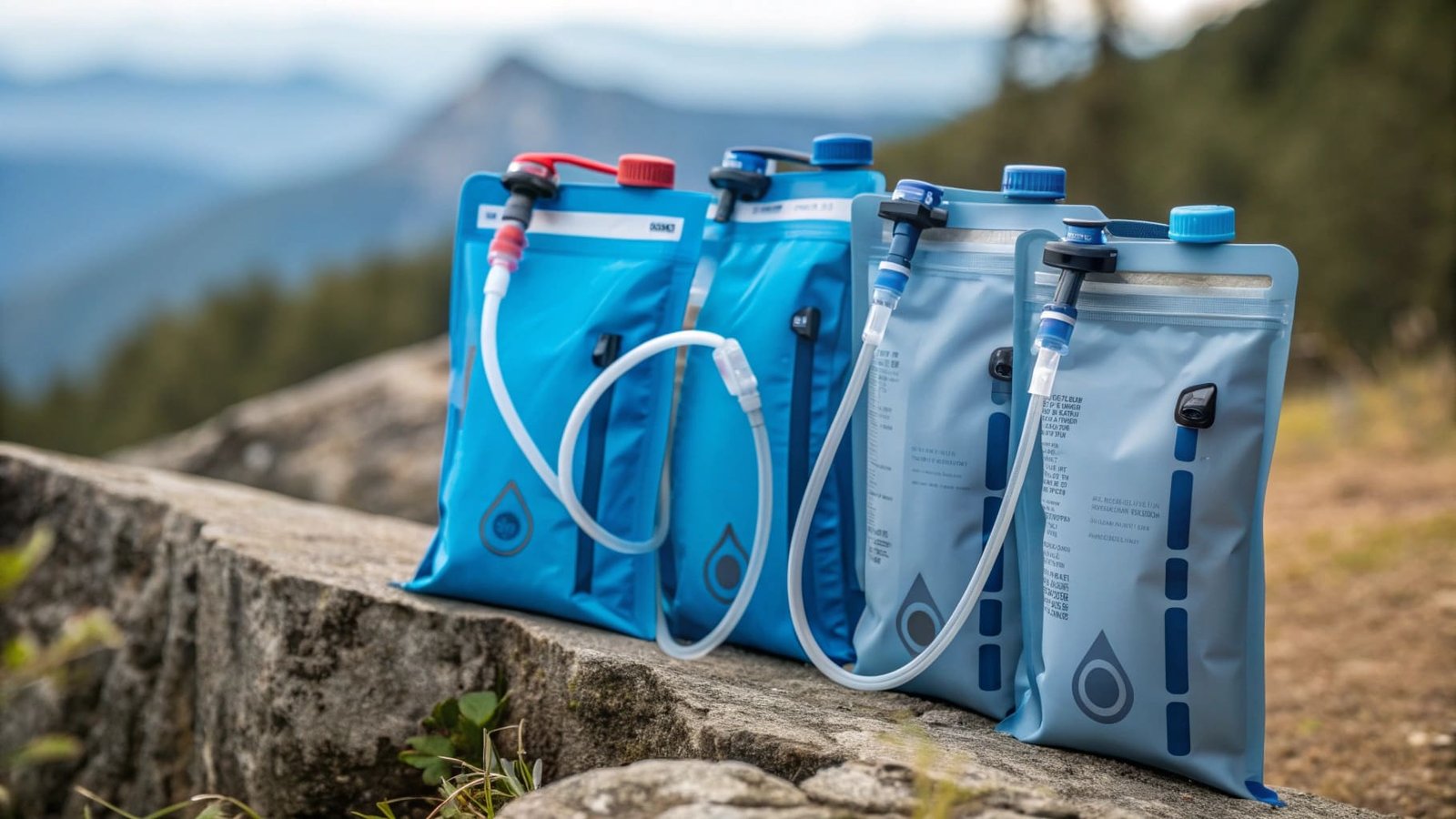
The convertube adaptor market is growing fast. More brands are adding hydration solutions to their outdoor product lines. But sourcing the right adaptor — one that meets certifications, fits your design, and ships on time — is harder than it looks. I have worked with dozens of B2B buyers on this exact challenge. What I see most often is that buyers focus too much on price and not enough on fit. Let me walk you through what actually matters.
How Does a Hydration System Work?
Most people know what a hydration pack looks like. But do you know which part is most likely to fail under field conditions?
A hydration system works through three connected parts: a flexible reservoir, a drinking tube, and a bite valve.2 The user bites the valve to open the flow and releases to stop it. The convertube adaptor links the tube to a standard bottle when no bladder is used.
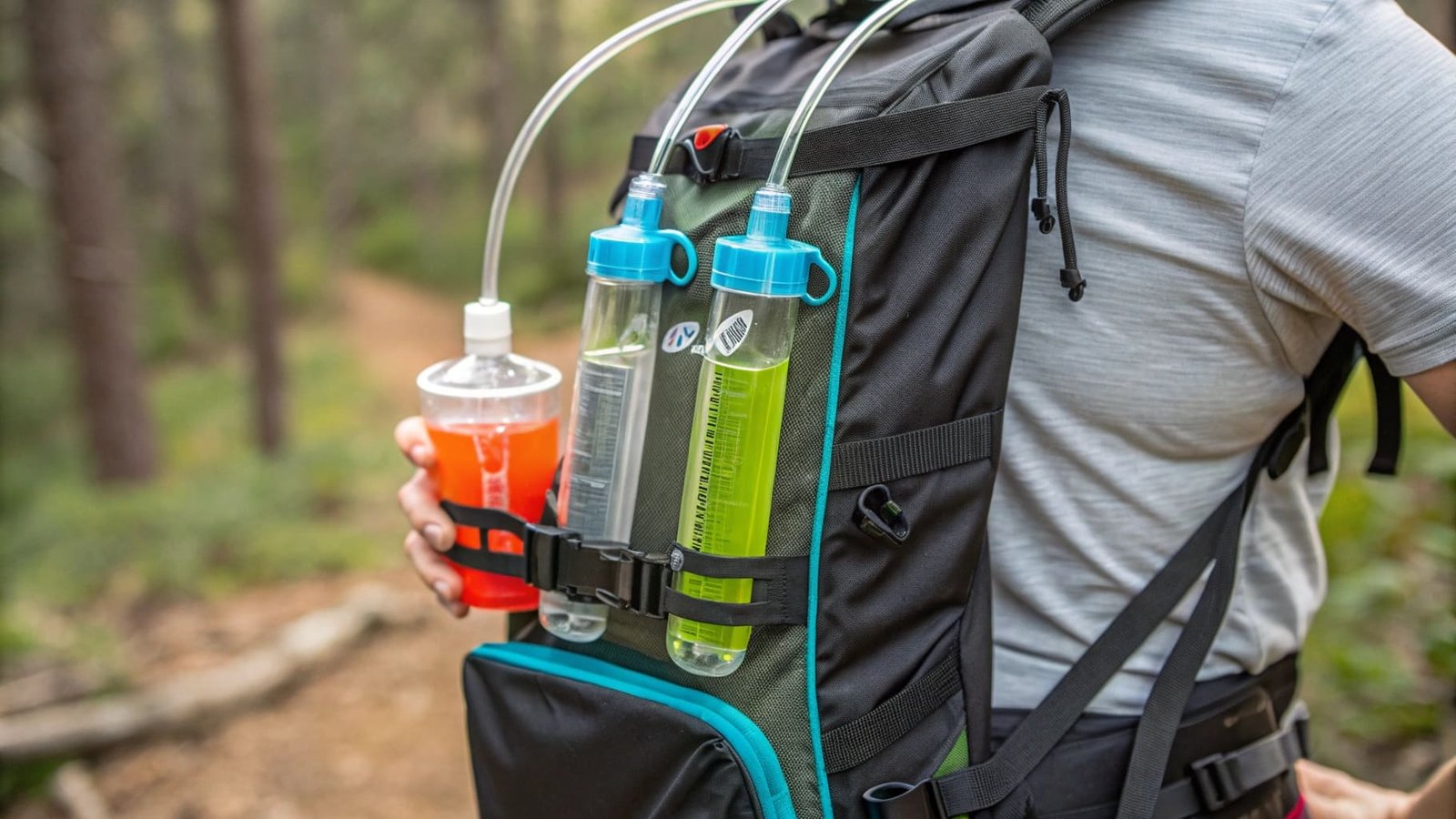
Each part in this system has a specific job. If one part fails, the whole system fails. That is why the convertube adaptor matters more than most buyers expect.
Breaking Down the Core Components
Here is how each part contributes to the full system:
| Component | Function | Common Material | Key Failure Point |
|---|---|---|---|
| Reservoir / Bottle | Holds the liquid | TPU or BPA-free plastic | Seam leaks under pressure |
| Drinking Tube | Carries liquid from reservoir to mouth | Silicone or TPU | Kinking, mold buildup |
| Bite Valve | Controls liquid flow | Food-grade silicone | Tearing, poor seal after use |
| Convertube Adaptor | Connects tube to standard bottle | Silicone or ABS + silicone | Poor fit, thread mismatch |
The adaptor is a bridge component. It takes a standard threaded bottle opening and converts it into a system that accepts a hydration tube. This means thread compatibility is a critical spec. A small mismatch in thread pitch or inner diameter will cause leaks or force issues in the field.3
For OEM buyers, this creates a design decision early in development. You need to decide which bottle standards you want to support. The most common ones are 28mm and 38mm threads. Some adaptors support both through a multi-size design. If your target customer uses standard sports bottles, you need to confirm thread specs before placing any bulk order.
The silicone used in the bite valve and adaptor also matters. Medical-grade silicone holds its shape under repeated compression.4 It does not transfer taste or odor to the water. It stays flexible in cold weather. Lower-grade silicone does the opposite. I have seen finished products returned from retail because the valve left a chemical taste in the water. That kind of problem starts at the material sourcing stage.
What Is the Best Hydration Pack for Hiking?
There are dozens of hydration packs on the market. But what separates the ones that sell from the ones that sit on shelves?
The best hydration pack for hiking combines a well-fitted reservoir, a kink-resistant tube, and a bite valve that flows easily and seals fully. The convertube adaptor adds value by letting users switch between the bladder and a standard bottle depending on the hike.
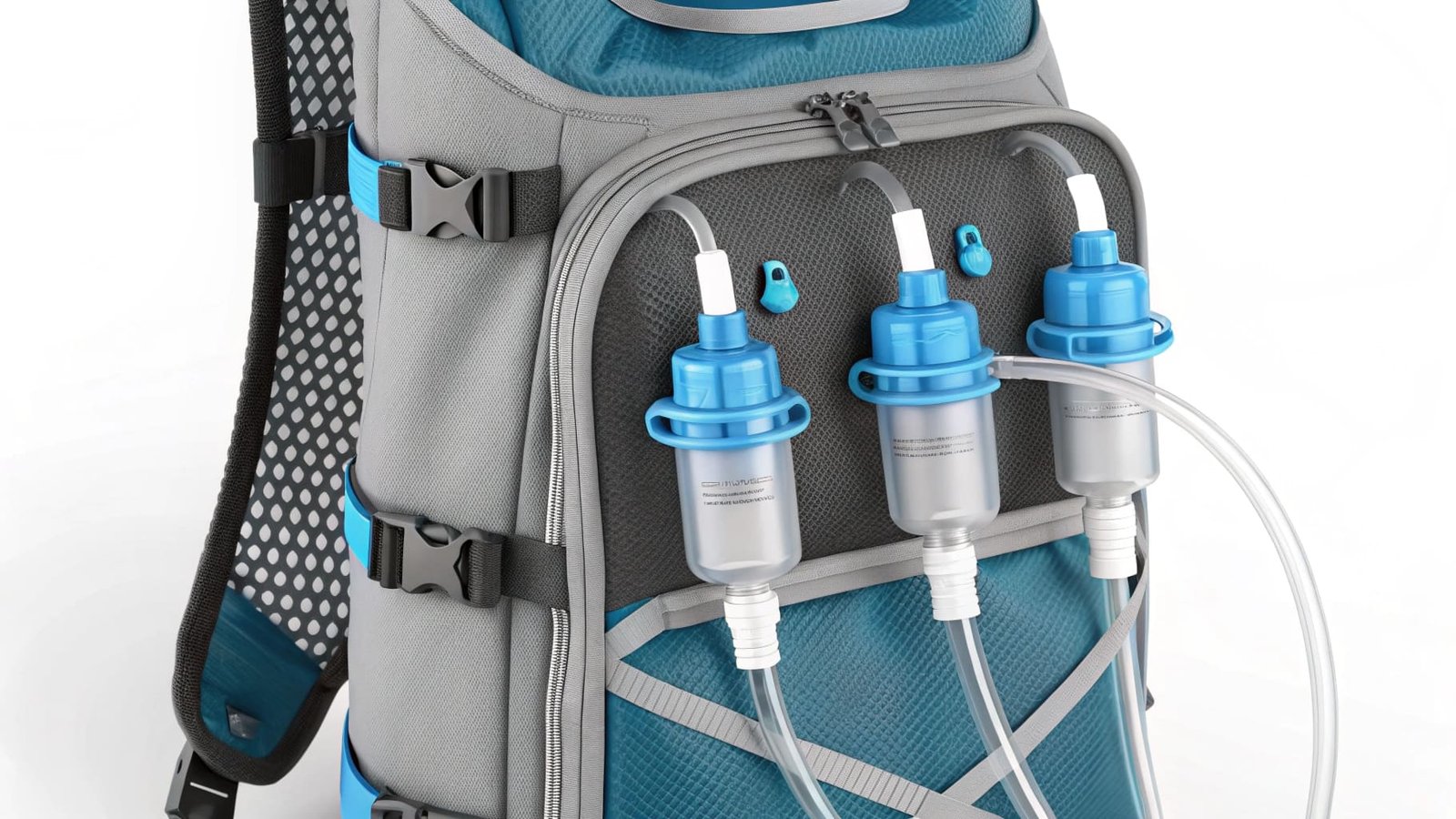
Performance in the field drives repeat purchases. Hikers talk to each other. A pack that fails on the trail gets remembered. A pack that works quietly and reliably builds brand loyalty.
What Makes a Hydration Pack Worth Buying?
For OEM buyers, building the best product means choosing parts that survive real use conditions. Here is how the key factors compare:
| Feature | Why It Matters to the Hiker | What It Means for OEM Buyers |
|---|---|---|
| Reservoir capacity | Longer hikes need more water | Common sizes: 1.5L, 2L, 3L — confirm your target use case |
| Tube flexibility | Kinking blocks flow and frustrates users | Silicone tubes outperform TPU in cold weather |
| Bite valve flow rate | Slow flow discourages hydration | Test flow rate at different bite pressures |
| Adaptor compatibility | Lets users swap containers on the trail | Support at least two standard thread sizes |
| Weight | Hikers count every gram | Silicone parts reduce weight vs. metal fittings |
The convertube adaptor gives your product a feature that competitors may not offer. It turns a single-use hydration pack into a flexible system. A hiker can use the bladder for long days and switch to a standard bottle for short trips. That kind of versatility is easy to explain on packaging and easy for consumers to understand.
From a manufacturing standpoint, adding an adaptor to your product line does not require a major investment. The tooling cost is low. The part is small. But the product story it creates is strong. Brands that frame the adaptor as a feature — not just an accessory — tend to get better shelf placement and better online reviews.
Are Hydration Packs Worth It?
Hydration packs have a loyal following. But are they selling well enough to justify OEM investment in 2025 and beyond?
Yes. The outdoor recreation market is growing. Consumers are spending more on gear that performs reliably. Hydration packs with multi-functional features, including convertube adaptors, appeal to both casual hikers and serious trail users.
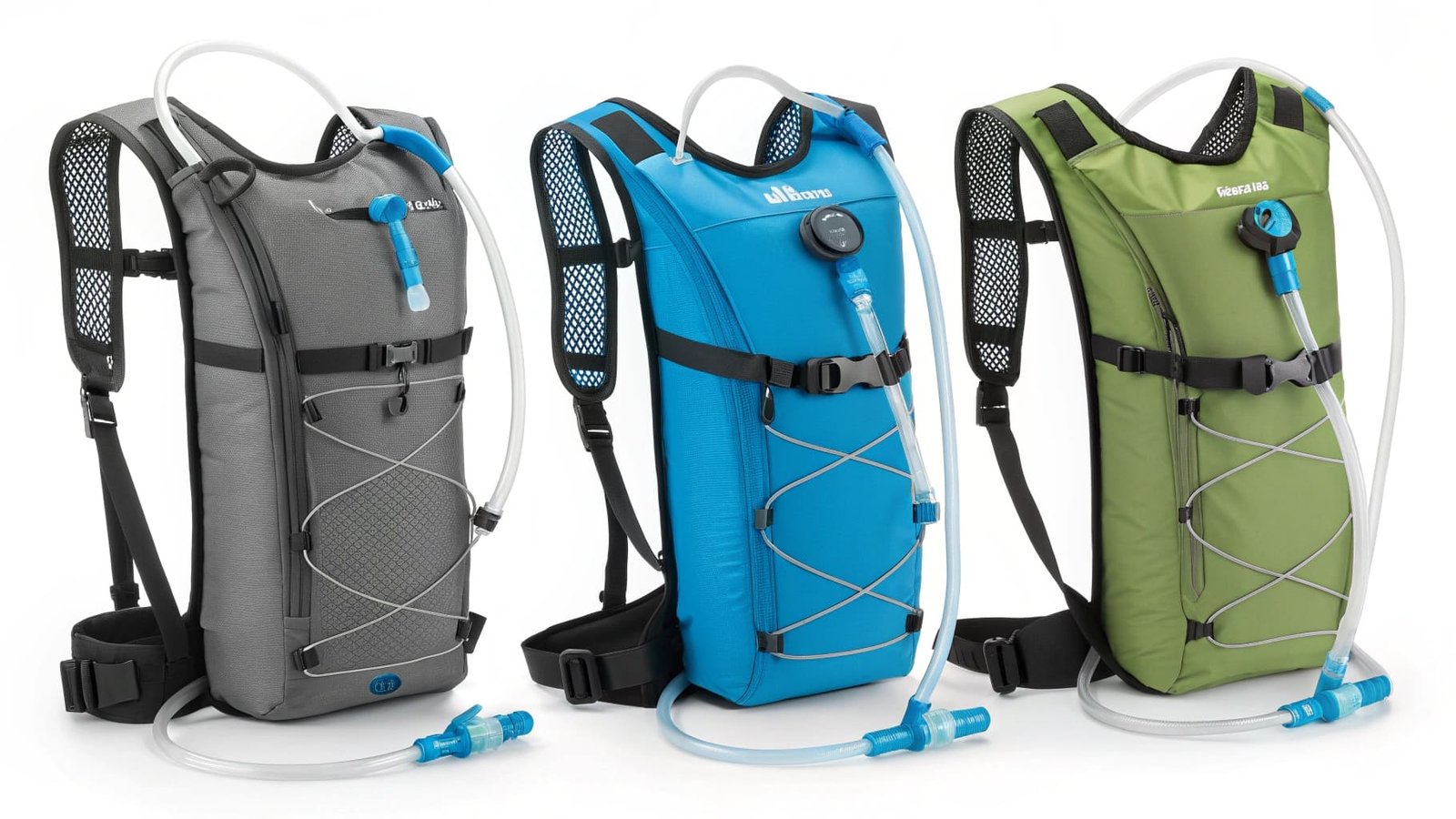
The question is not whether the market exists. The question is whether your product is positioned to capture it. That depends heavily on how you source your components.
Why OEM Buyers Are Adding Hydration Solutions Now
The market data supports this move. But the real signal comes from what buyers are asking for:
| Market Signal | What It Means for OEM Strategy |
|---|---|
| Growing trail running and hiking participation | More consumers need hydration gear every year |
| Consumer preference for multi-function products | Adaptors increase product utility without raising production cost significantly |
| Certification requirements in key markets | FDA and LFGB compliance is now expected, not optional |
| Price sensitivity alongside quality demand | Buyers want quality that holds up, not just the lowest price |
| Customization demand | Brands want unique colors, logos, and tube diameters |
I work with buyers who are entering the hydration category for the first time and buyers who are upgrading existing product lines. The most common mistake I see in both groups is treating the adaptor as an afterthought. They finalize the pack design, then try to source the adaptor separately, and run into fit problems that delay production.
The better approach is to include the adaptor in the design brief from the start. Work with a supplier who understands hydration system engineering — not just one who can mold silicone parts. Ask for compatibility testing data. Ask to see samples with the specific tube and valve you are using. A supplier who cannot answer those questions will cost you time at the worst moment: right before your peak season window closes.
At Silijoy, I work directly with OEM buyers who need silicone hydration components that meet international standards. The convertube adaptor is one part of a broader system. When buyers work with a supplier who understands the full system, the integration process is faster and the finished product performs better in the field.
Conclusion
A quality convertube adaptor turns a basic hydration pack into a flexible, multi-use system. Source it right, certify it properly, and it becomes a competitive advantage for your brand.
-
"One Bottle Hydration Tube Adapter System for 28mm Smartwater ...", https://www.amazon.com/One-Bottle-Hydration-Adapter-Smartwater/dp/B0CN62CHXW. A technical patent or product-design reference describes bottle-to-drinking-tube adapters as connectors that allow a drinking tube to draw fluid from a bottle rather than a bladder; this supports the functional definition, although it may not use the specific trade term “convertube adaptor.” Evidence role: definition; source type: other. Supports: A source should show that adapters can connect drinking tubes or hydration-system components to bottles.. Scope note: Contextual support; the exact term may be brand- or category-specific. ↩
-
"Hydration pack - Wikipedia", https://en.wikipedia.org/wiki/Hydration_pack. An overview of hydration packs describes them as fluid reservoirs connected to a hose and mouth valve, supporting the article’s component-level description of reservoir, tube, and bite valve. Evidence role: definition; source type: encyclopedia. Supports: A source should describe the standard components of a hydration pack or hydration system.. ↩
-
"[PDF] Screw-thread standards for federal services 1957. Part II", https://nvlpubs.nist.gov/nistpubs/Legacy/hb/nbshandbook28supp1957pt2.pdf. Engineering references on screw-thread fit state that pitch and diameter control thread engagement and sealing performance, providing mechanical context for why mismatched bottle-adapter threads can leak or bind. Evidence role: mechanism; source type: government. Supports: A source should explain that threaded connections depend on compatible pitch and diameter for proper engagement and sealing.. Scope note: Contextual support; field failure rates for this specific adaptor would require product-specific testing. ↩
-
"[PDF] Study on mechanical properties of silicone rubber materials used as ...", https://docs.lib.purdue.edu/cgi/viewcontent.cgi?filename=2&article=1137&context=icpns&type=additional. Polymer-material studies report that silicone elastomers can exhibit resilient behavior and low compression set, supporting the claim that suitable medical-grade silicone can retain shape under repeated compression. Evidence role: mechanism; source type: paper. Supports: A source should show that silicone elastomers can have low compression set or resilient behavior under repeated compression.. Scope note: Specific performance depends on formulation, curing process, hardness, and test conditions. ↩