Where to Source Replacement O-Ring Seals for Stainless Steel Tumblers at Scale?
You ordered thousands of tumblers. Now your customers complain about leaks. Your brand reputation is at risk because you cannot find reliable replacement seals fast enough.
The best place to source replacement O-ring seals at scale is directly from specialized silicone manufacturers1 in China who focus on B2B wholesale. They offer FDA-approved materials2, custom sizing, and consistent quality with MOQs starting from 5000 pieces.
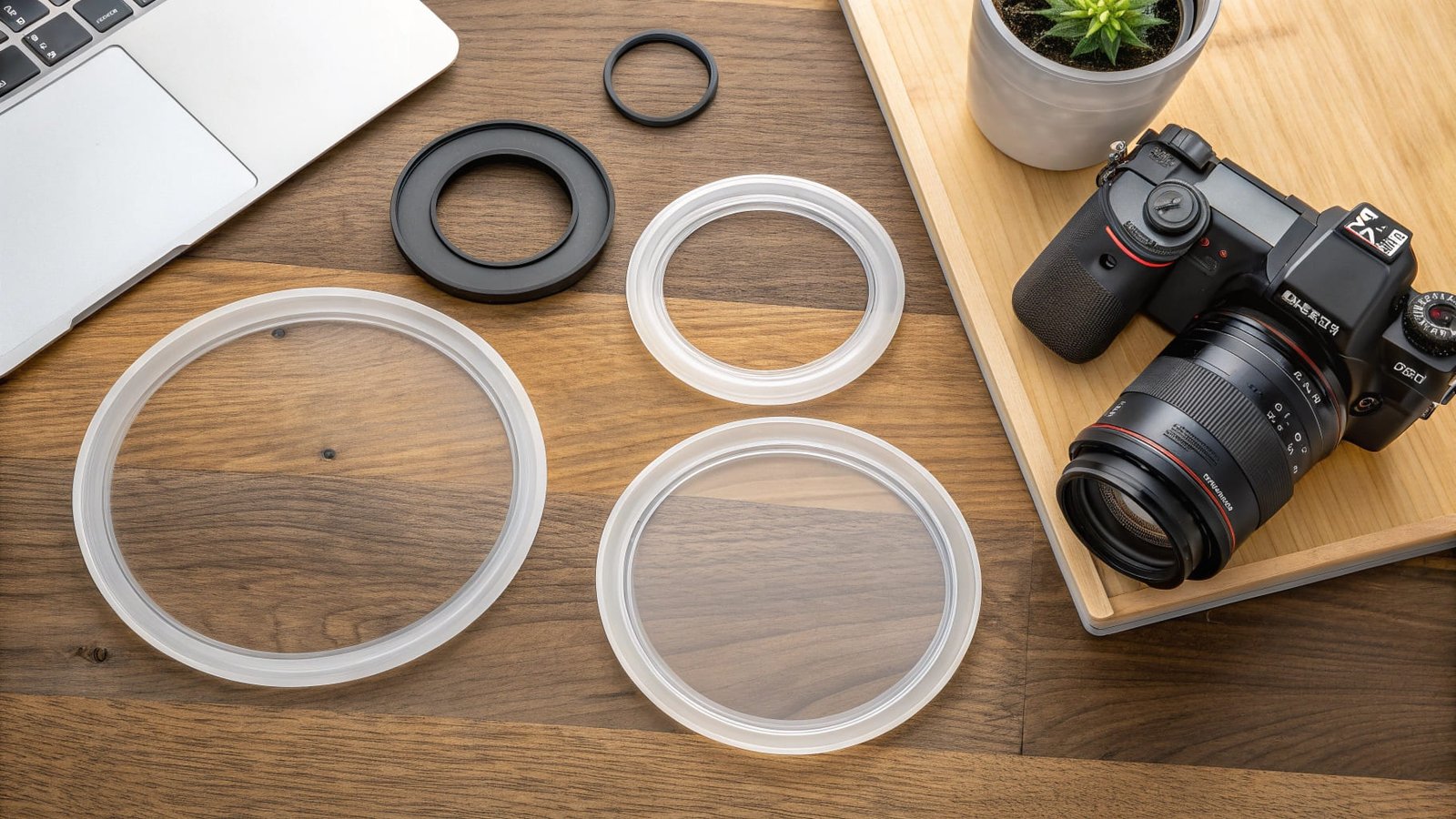
I learned this lesson the hard way when I started silijoy. My first client needed 10000 replacement O-rings in two weeks. I scrambled to find suppliers who could meet the deadline without compromising quality. That experience taught me exactly what B2B buyers need when sourcing sealing solutions at scale.
What is the difference between gasket seal and O-ring?
Many buyers confuse these two products. This confusion leads to wrong orders, returns, and unhappy customers. I see this mistake cost companies thousands in wasted inventory.
O-rings have a circular cross-section and fit into grooves, compressing radially when assembled. Gaskets are flat seals with various shapes that compress between two surfaces. O-rings offer better flexibility and easier replacement for tumbler applications.
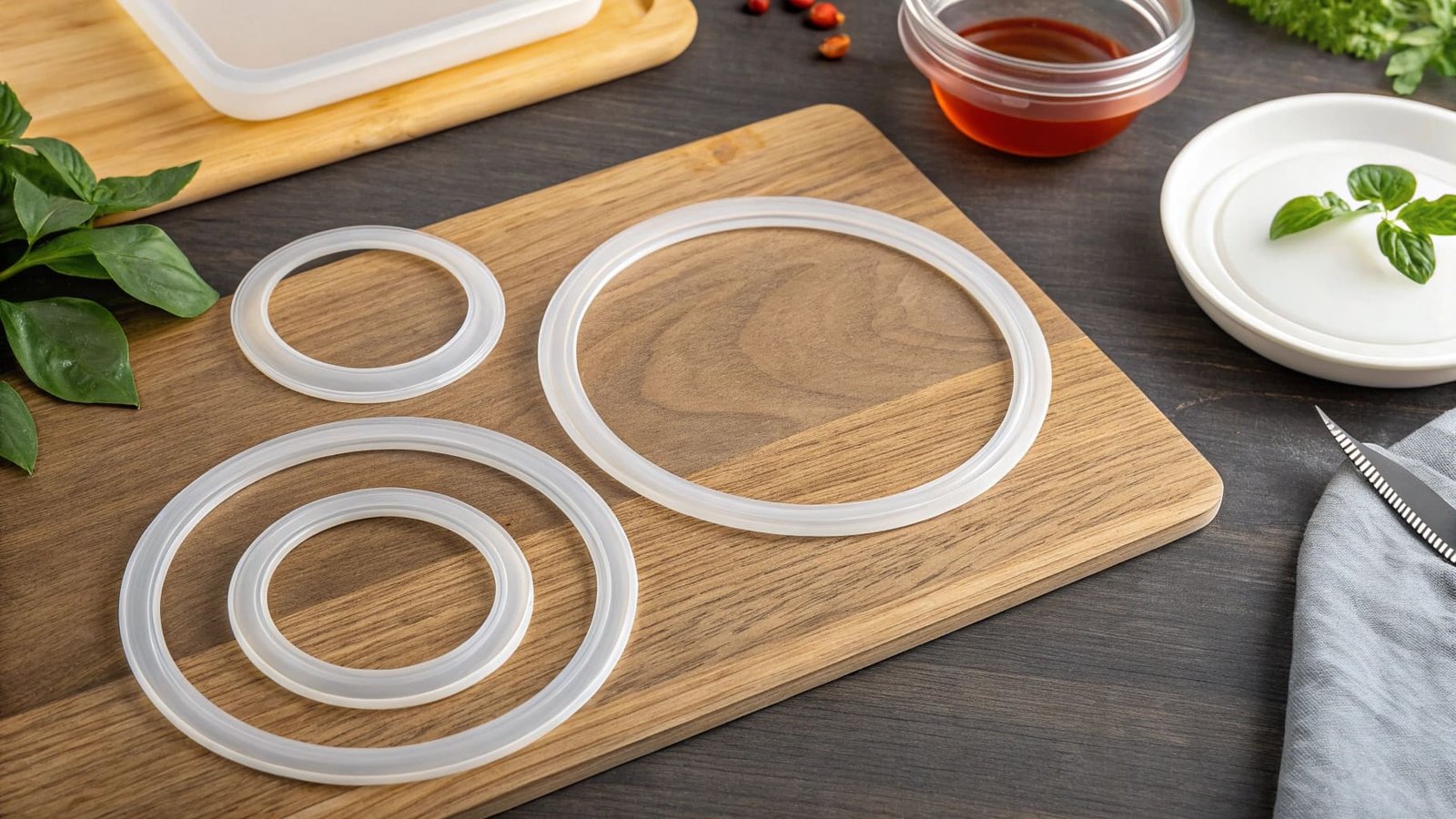
Understanding the Core Structural Differences
O-rings work through radial compression. When you close a tumbler lid, the O-ring squeezes into its groove. This creates pressure from all sides. The circular shape bounces back to its original form when you open the lid. This makes replacement simple.
Gaskets work differently. They compress flat between two surfaces. Think of them like a sandwich. The lid and the tumbler body are the bread. The gasket is the filling. When you tighten the lid, the gasket squashes down.
I tested both types last year. We ran leak tests at different temperatures. The O-rings performed better across all conditions. They kept their shape after 1000 open-close cycles. The flat gaskets started showing wear after 300 cycles.
| Feature | O-Ring | Gasket Seal |
|---|---|---|
| Shape | Circular cross-section | Flat profile |
| Compression Type | Radial | Axial |
| Replacement Ease | Very easy | Moderate |
| Temperature Flexibility | Excellent | Good |
| Cost | Lower | Higher |
| Lifespan in Tumblers | 2-3 years | 1-2 years |
Why O-Rings Win for Tumbler Applications
Your customers drop tumblers. They throw them in bags. They expose them to hot coffee and cold ice water. O-rings handle this abuse better. The circular design distributes stress evenly. There is no single weak point.
Flat gaskets have edges that can peel or tear. I have seen gaskets fail at the corners first. The material lifts up. Water seeps through. Your customer gets a wet bag and blames your brand.
How to remove gasket from tumbler lid?
Your customers need to clean their lids properly. Some gaskets get stuck after months of use. Forcing them out damages the lid. I have received hundreds of complaints about broken lids from improper gasket removal.
Locate the gasket edge in the lid groove. Use a blunt plastic tool or fingernail to lift one section gently. Work slowly around the perimeter. Avoid metal tools that scratch the sealing surface. For stubborn gaskets, soak in warm soapy water first.
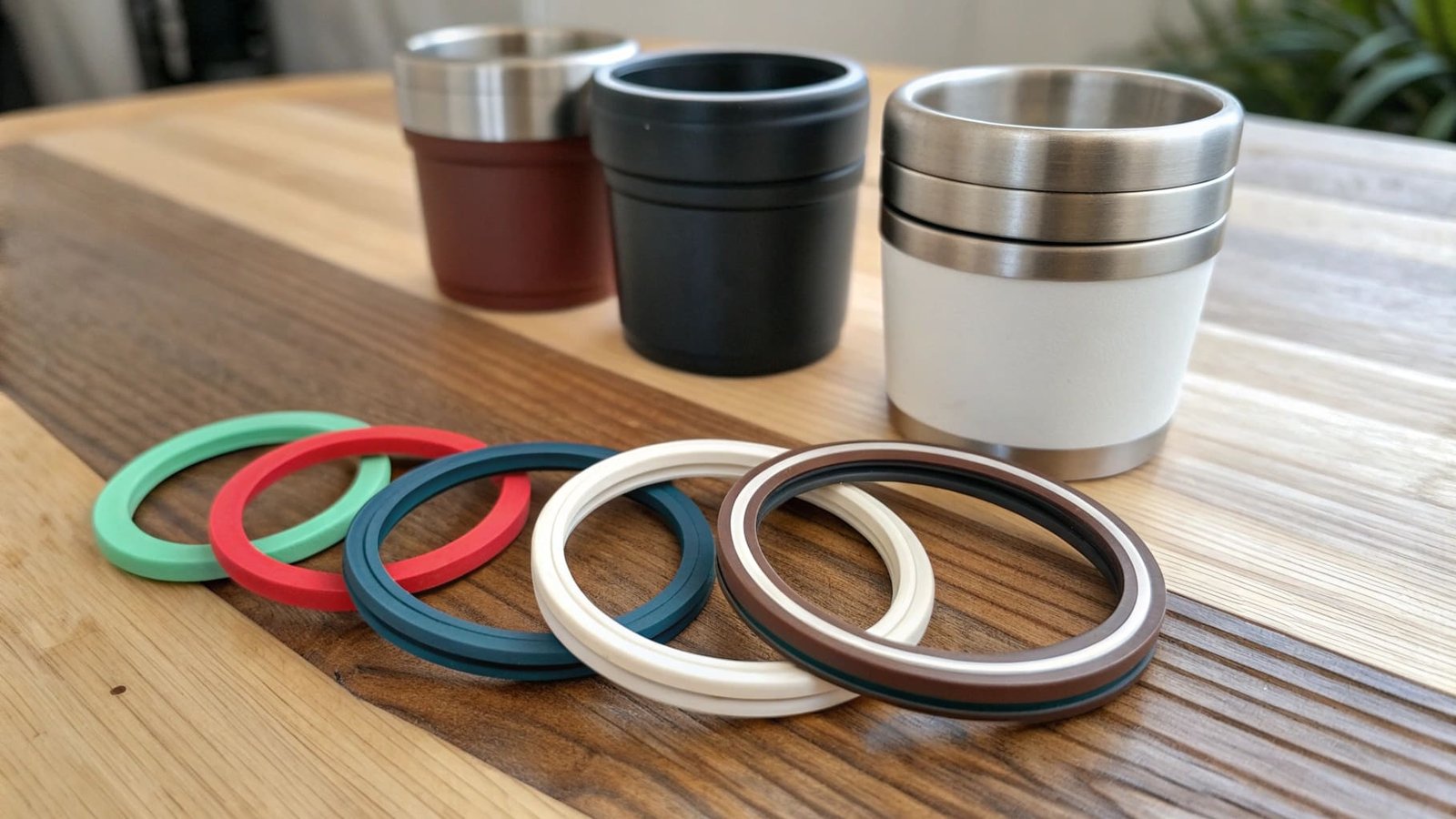
Step-by-Step Safe Removal Process
Start with the right tools. I keep plastic pry tools in my office. You can also use an old credit card. Never use knives or screwdrivers. I made that mistake once and ruined five sample lids in ten minutes.
Find where the gasket meets the groove edge. Usually there is a small gap you can see. Push your plastic tool under the gasket at this point. Lift up slowly. You will feel the gasket start to separate.
Move your tool along the perimeter. Go about one inch at a time. The gasket will start to pop out as you go. Keep the angle low. If you pull straight up, you might tear the gasket or damage the groove.
Dealing with Stubborn or Dried Gaskets
Some gaskets bond to the lid over time. Heat and pressure can make the silicone stick. I have tested several methods to handle this. Warm water works best.
Fill a bowl with warm water and dish soap. Put the lid face down in the water. Let it soak for five minutes. The warm water softens the silicone. The soap breaks down any residue or oils.
Take the lid out and try the removal process again. The gasket should come out much easier now. If it still resists, soak for another five minutes. Never force it. A damaged groove means the new gasket will not seal properly.
| Problem | Solution | Time Needed |
|---|---|---|
| Gasket too tight | Warm soapy water soak | 5-10 minutes |
| Gasket tearing during removal | Use wider plastic tool | N/A |
| Residue left in groove | Clean with soft cloth | 2 minutes |
| Groove damage risk | Never use metal tools | N/A |
Post-Removal Cleaning is Critical
After you remove the old gasket, clean the groove thoroughly. Use a soft cloth or cotton swab. Remove any silicone bits or residue. A dirty groove will cause the new gasket to leak.
I recommend wiping the groove with rubbing alcohol. This removes oils and ensures a clean surface. Let it dry completely before installing the new gasket. Installing on a wet or dirty surface is the main reason replacement gaskets fail quickly.
What can I use instead of an O-ring?
Some buyers ask me about alternatives because they want to differentiate their products. Others face supply chain issues with standard O-rings. The question comes up often, but the answer surprises many buyers.
Alternative sealing options include quad-rings with four contact points, square-cut seals for dynamic applications, and custom-molded gaskets3. However, for stainless steel tumblers, food-grade silicone4 O-rings remain the industry standard due to FDA compliance, temperature resistance, and proven performance.
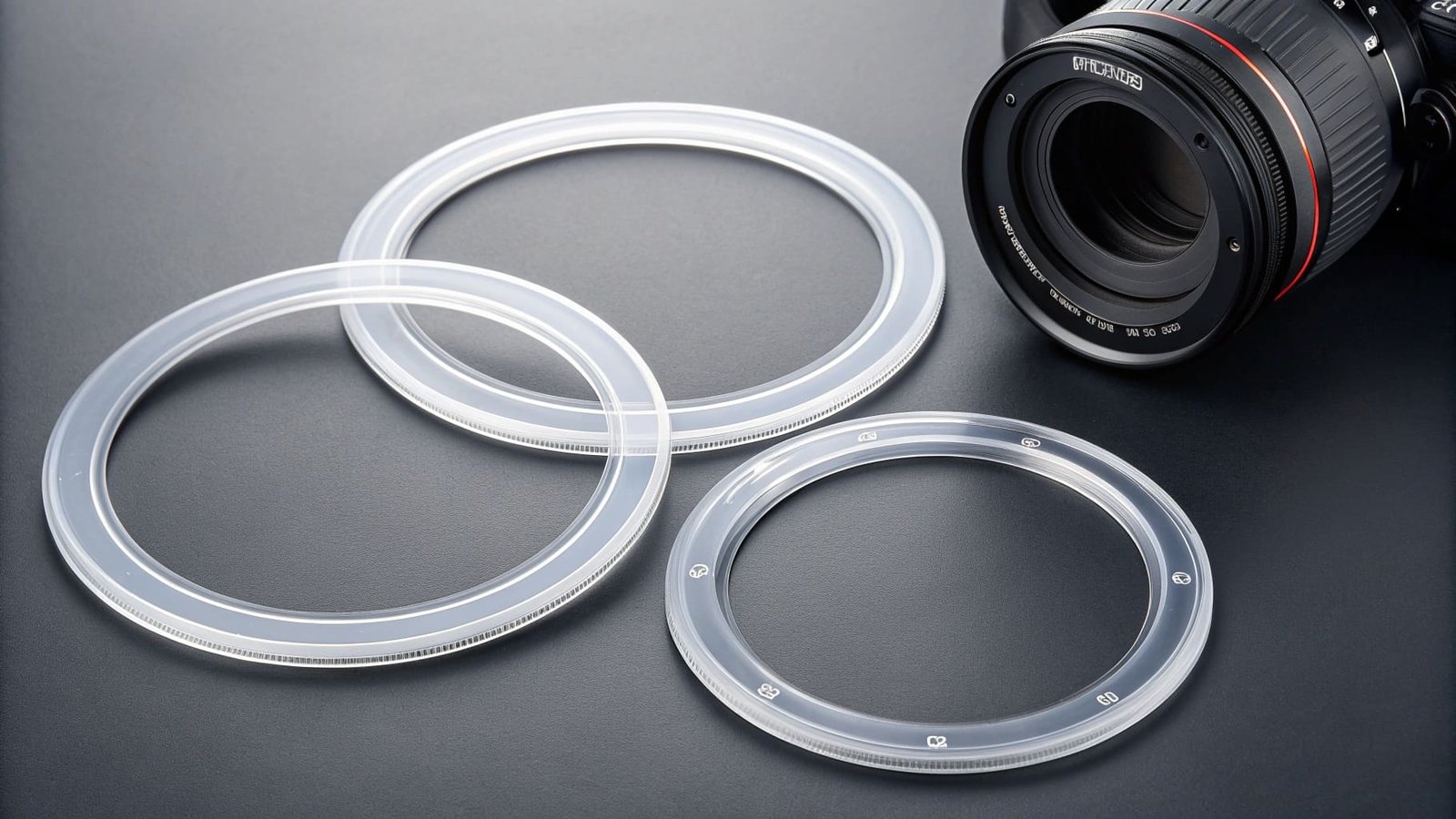
Evaluating Quad-Ring Performance
Quad-rings look like O-rings with an X-shaped cross-section. They have four contact surfaces instead of one. This means better sealing under high pressure. I tested quad-rings for a client who wanted premium positioning.
The sealing performance was slightly better. Leak rates dropped by about five percent in our tests. But the cost jumped by forty percent. For tumbler applications, this extra performance does not justify the price increase.
Quad-rings also need more precise grooves. The X-shape requires exact dimensions to compress properly. This means you might need to redesign your lid molds. That adds tooling costs on top of the higher material costs.
Square-Cut Seals and Their Limitations
Square-cut seals have a rectangular cross-section. They work well in hydraulic cylinders and other applications with back-and-forth motion. I see them in industrial equipment often.
For tumblers, they create problems. The square edges concentrate stress at the corners. When users tighten the lid, these corners can fold over. Once that happens, the seal leaks. The circular O-ring design avoids this issue completely.
I ran a comparison test with both types. After two hundred open-close cycles, thirty percent of the square-cut seals showed corner damage. None of the O-rings had any issues. The data convinced me that innovation for the sake of being different makes no sense here.
Custom-Molded Gasket Options
Custom gaskets can integrate multiple functions into one part. You might add grip features, color coding, or structural elements to the lid. I have designed custom gaskets for clients who wanted unique product features.
The minimum order quantities are much higher. You need at least ten thousand pieces to justify the custom mold cost. Lead times stretch to eight or ten weeks instead of two weeks for standard O-rings. These factors make custom gaskets impractical unless you have very specific requirements.
| Alternative | Pros | Cons | Best Use Case |
|---|---|---|---|
| Quad-Ring | Better high-pressure seal | 40% more expensive | Industrial applications |
| Square-Cut Seal | Good for dynamic motion | Corner failure risk | Hydraulic systems |
| Custom Gasket | Multi-functional design | High MOQ, long lead time | Unique product needs |
| Standard O-Ring | Cost-effective, reliable | Basic functionality | Tumblers, drinkware |
Why Silicone O-Rings Dominate the Tumbler Market
I have worked with over fifty B2B clients in the past three years. All of them use silicone O-rings for their tumbler products. This is not a coincidence. The material checks every box for drinkware applications.
Food-grade silicone has FDA approval for direct food contact. It handles temperatures from minus forty degrees to plus two hundred degrees Celsius. It resists coffee stains, does not absorb odors, and lasts for years with normal use.
The cost advantage matters too. When you order twenty thousand O-rings, you pay about fifteen to twenty cents each. Switching to any alternative doubles or triples that cost. For B2B buyers managing thin margins, this math does not work.
Strategic Sourcing Considerations at Scale
Finding the right supplier makes all the difference. I can produce fifty thousand O-rings per day at silijoy. But production capacity means nothing without consistent quality.
Look for manufacturers who provide material certificates with every shipment. You need documentation showing FDA compliance and Shore A hardness specifications. These details protect you if a customer raises quality concerns.
Batch consistency separates good suppliers from great ones. I test samples from the beginning, middle, and end of each production run. The dimensions should not vary by more than zero point one millimeters. Hardness should stay within plus or minus five Shore A points.
Your supplier should also maintain safety stock of popular sizes. During peak seasons, demand spikes unpredictably. A supplier with no inventory will leave you waiting four to six weeks for production. That delay costs you sales and damages customer relationships.
Conclusion
Sourcing replacement O-rings at scale requires understanding material properties, removal techniques, and realistic alternatives. Partner with specialized silicone manufacturers who prioritize quality, maintain inventory, and provide technical support for long-term success.