Which 40oz Tumbler Sleeves Meet European Safety Standards for B2B Distribution?
European buyers reject shipments daily because of missing certifications. I have seen distributors lose thousands of dollars because their silicone sleeves failed compliance checks at customs. This problem keeps growing as regulations become stricter.
European-approved 40oz tumbler sleeves must meet EU Regulation 1935/2004 and LFGB testing standards1. Food-grade silicone with complete migration test reports satisfies most European market requirements. I recommend requesting Certificate of Conformity documents before placing bulk orders.
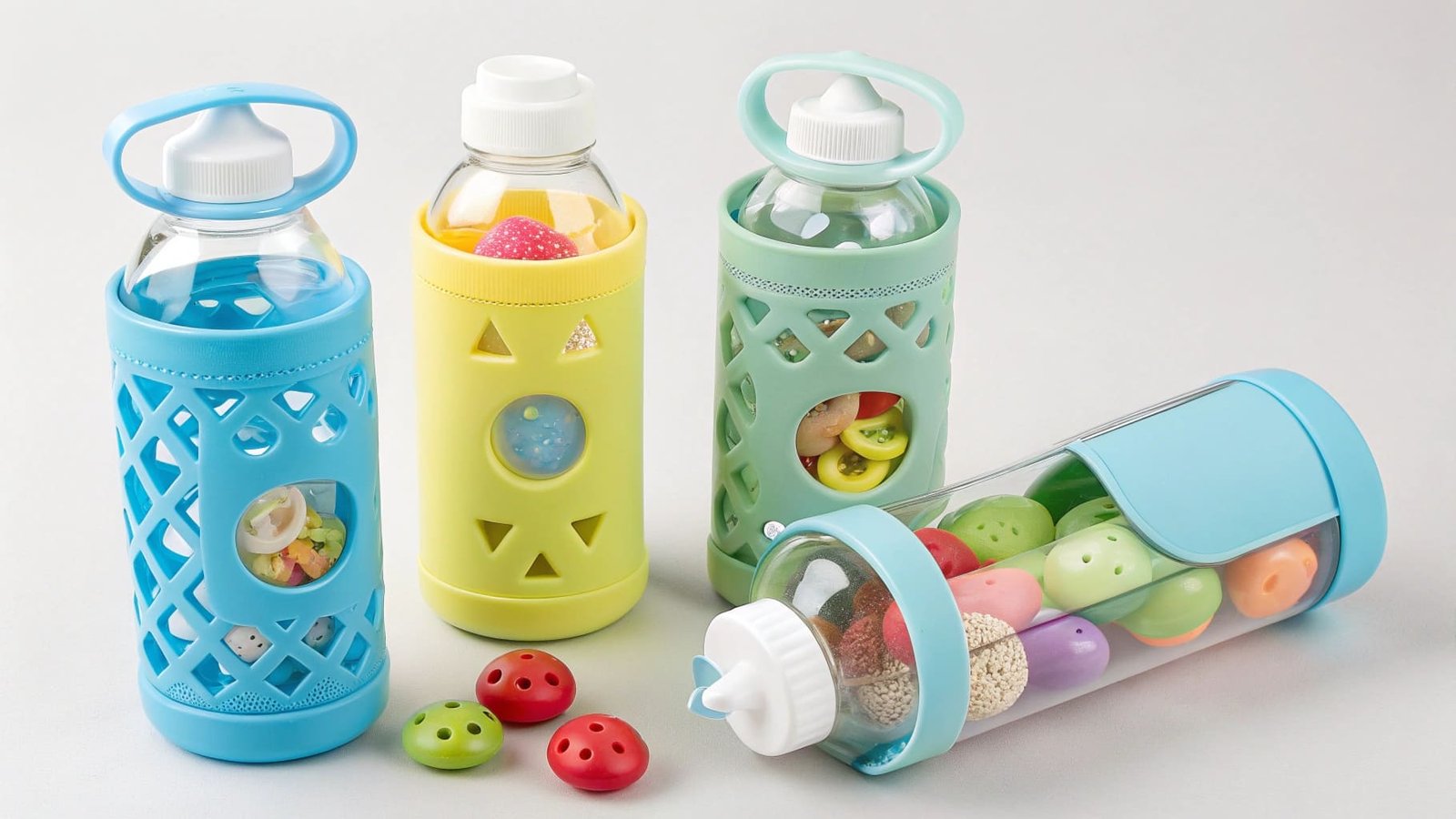
I spent years learning European compliance requirements after my first export failure. The buyer returned the entire shipment because I could not provide proper documentation. Now I help other suppliers avoid the same costly mistakes.
What is the Safest Stainless Steel to Drink From?
Your customers worry about metallic taste in their drinks. Low-quality stainless steel can leach harmful substances into beverages over time. Many B2B buyers now face direct questions from end consumers about material safety.
Grade 304 stainless steel offers the safest option for drinking vessels. This material contains 18% chromium and 8% nickel, which prevents corrosion and contamination. Medical facilities and food processing plants use this grade because it meets the strictest safety standards.
Understanding Stainless Steel Grades
I test different stainless steel grades every month in my factory. The numbers tell you the exact composition of the metal. Grade 304 appears in most quality tumblers because it balances safety with cost.
Grade 316 provides even better protection than 304. This premium grade adds molybdenum to the mix. The extra element improves resistance to acidic drinks like lemon water or coffee. I notice European buyers request 316 grade more often now.
| Steel Grade | Chromium | Nickel | Molybdenum | Best Use |
|---|---|---|---|---|
| 304 | 18% | 8% | 0% | General beverages |
| 316 | 16-18% | 10-14% | 2-3% | Acidic drinks |
| 201 | 17% | 4% | 0% | Not recommended |
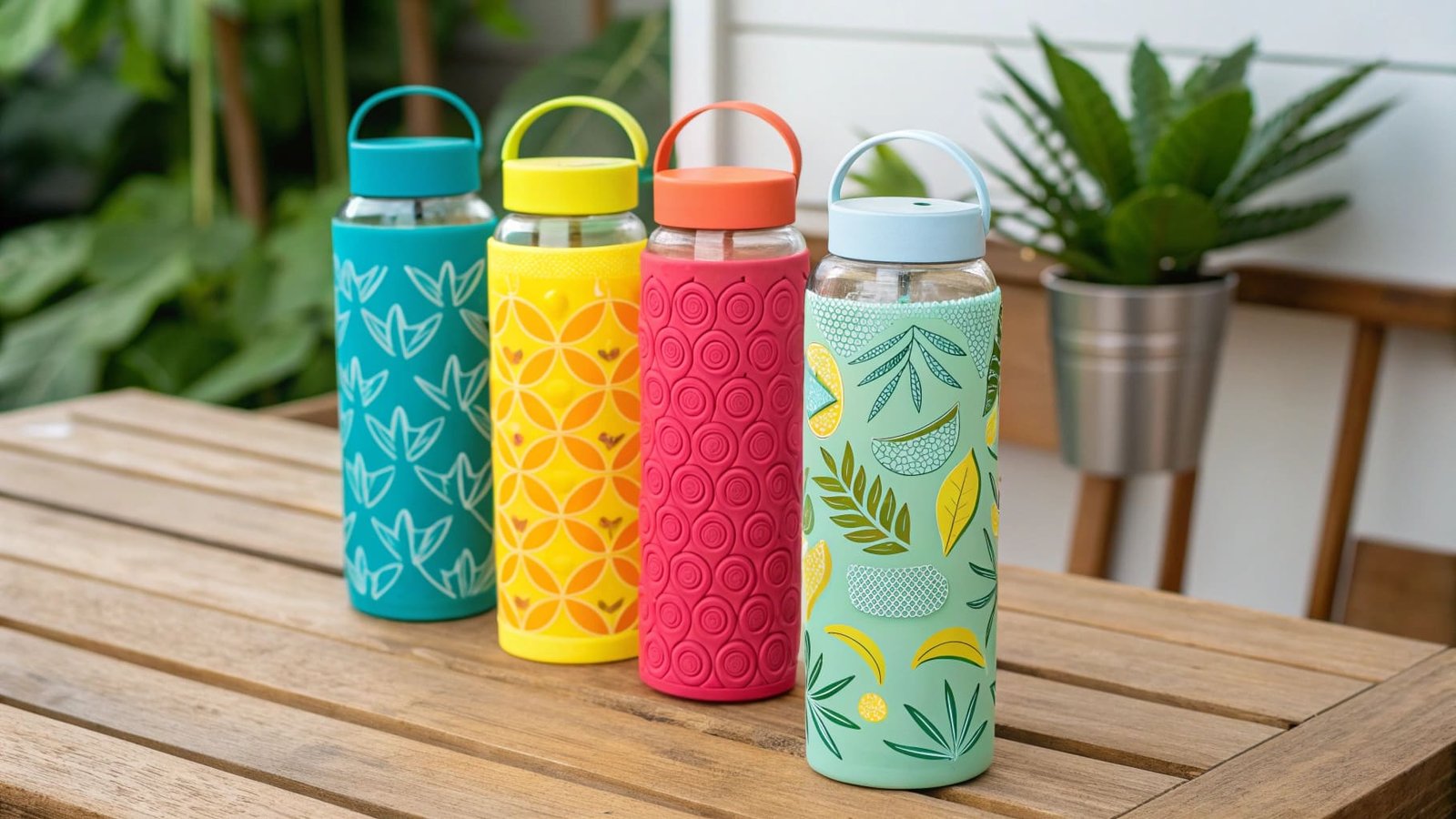
The silicone sleeve protects your hand from temperature. But it also protects the stainless steel from external damage. I always pair food-grade silicone2 with 304 or 316 steel for European markets.
Some manufacturers try to cut costs with 201 grade steel. This grade contains less nickel and corrodes faster. European safety standards specifically exclude this grade from food contact applications. I refuse to supply sleeves for tumblers made with 201 steel.
The thickness of the steel matters as much as the grade. Thin walls create hot spots that damage drinks. I recommend walls between 0.5mm and 0.8mm for optimal performance. This thickness maintains structural integrity while allowing proper vacuum insulation.
Is There a Tumbler Better Than Stanley?
Stanley dominates conversations in North America and Europe. Your buyers constantly compare every product to Stanley specifications. This comparison creates pressure to match their quality while maintaining competitive pricing.
Several brands now exceed Stanley performance in specific categories. YETI offers superior ice retention for extended periods. Hydro Flask provides better variety in sizes and colors. The best choice depends on your target market segment and pricing strategy.
Market Positioning Beyond Brand Names
I work with distributors who succeed by focusing on customization. Stanley sells standard products through major retailers. Small distributors cannot compete on that playing field. But they can offer personalized branding that Stanley does not provide.
European buyers value sustainability certifications more than brand names. I see purchase orders that specify eco-friendly materials over famous brands. This trend creates opportunities for B2B distributors who can document their environmental practices.
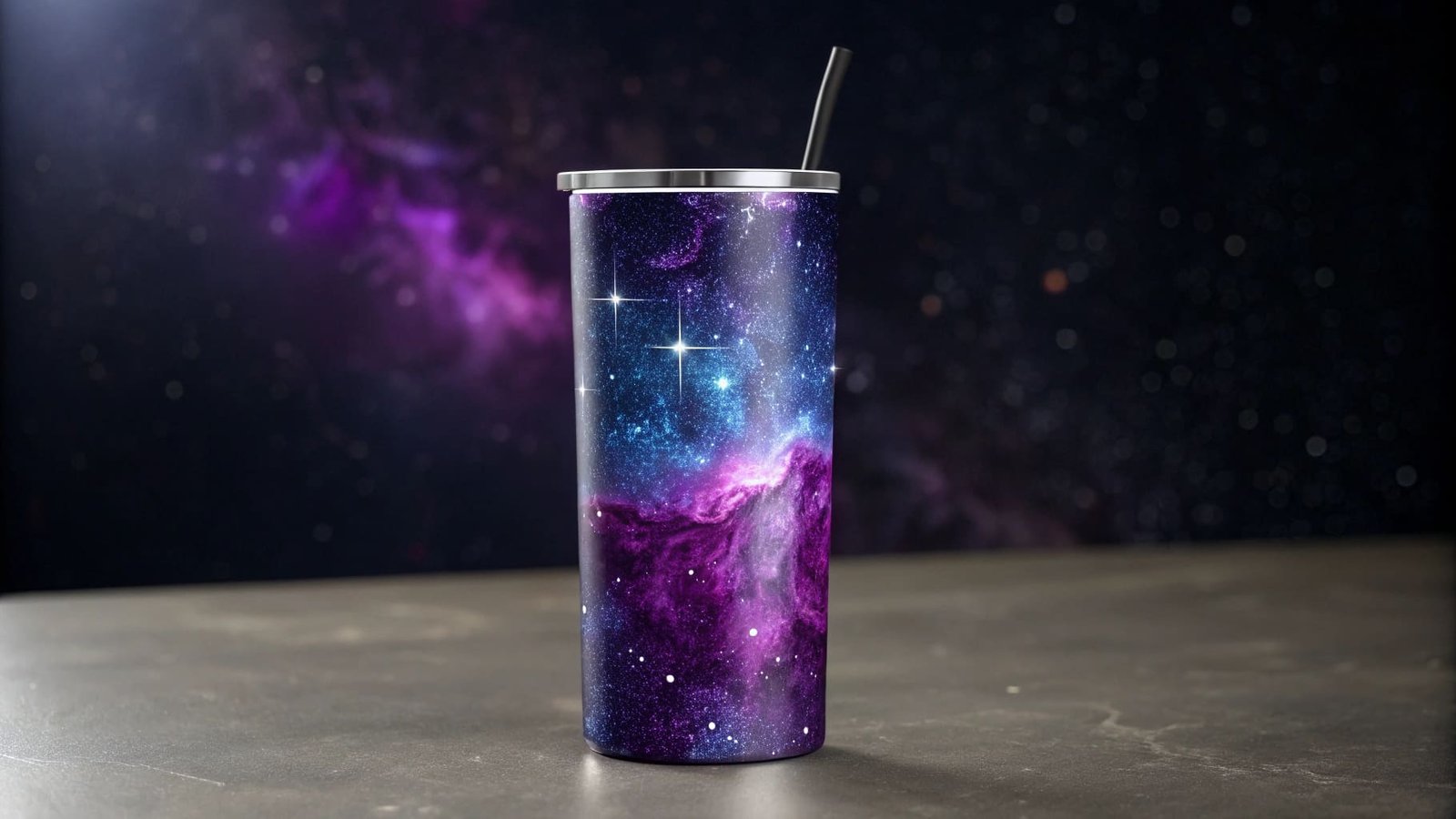
The silicone sleeve becomes your differentiation point. Stanley uses basic sleeves with limited grip patterns. I develop custom textures that improve handling in wet conditions. These small improvements matter to professional users like construction workers or outdoor guides.
Quality consistency beats brand reputation in B2B relationships. I have buyers who switched from Stanley suppliers because of irregular product quality. One bad batch destroys years of brand trust. My factory maintains the same specifications across every production run.
Price sensitivity varies by market segment. Wholesale buyers for promotional products need lower costs. Specialty retailers want premium features. I help distributors identify which segment they serve best. This clarity prevents them from competing in unprofitable categories.
The warranty terms often matter more than the initial price. Stanley offers lifetime warranties that create customer loyalty. B2B distributors need clear warranty policies from their suppliers. I provide detailed warranty terms before buyers place orders. This transparency builds long-term relationships.
What Material is the Best Thermal Insulator for a Water Bottle?
Temperature retention determines customer satisfaction with tumblers. Poor insulation leads to lukewarm coffee or melted ice within hours. Your buyers face complaints and returns when thermal performance fails to meet expectations.
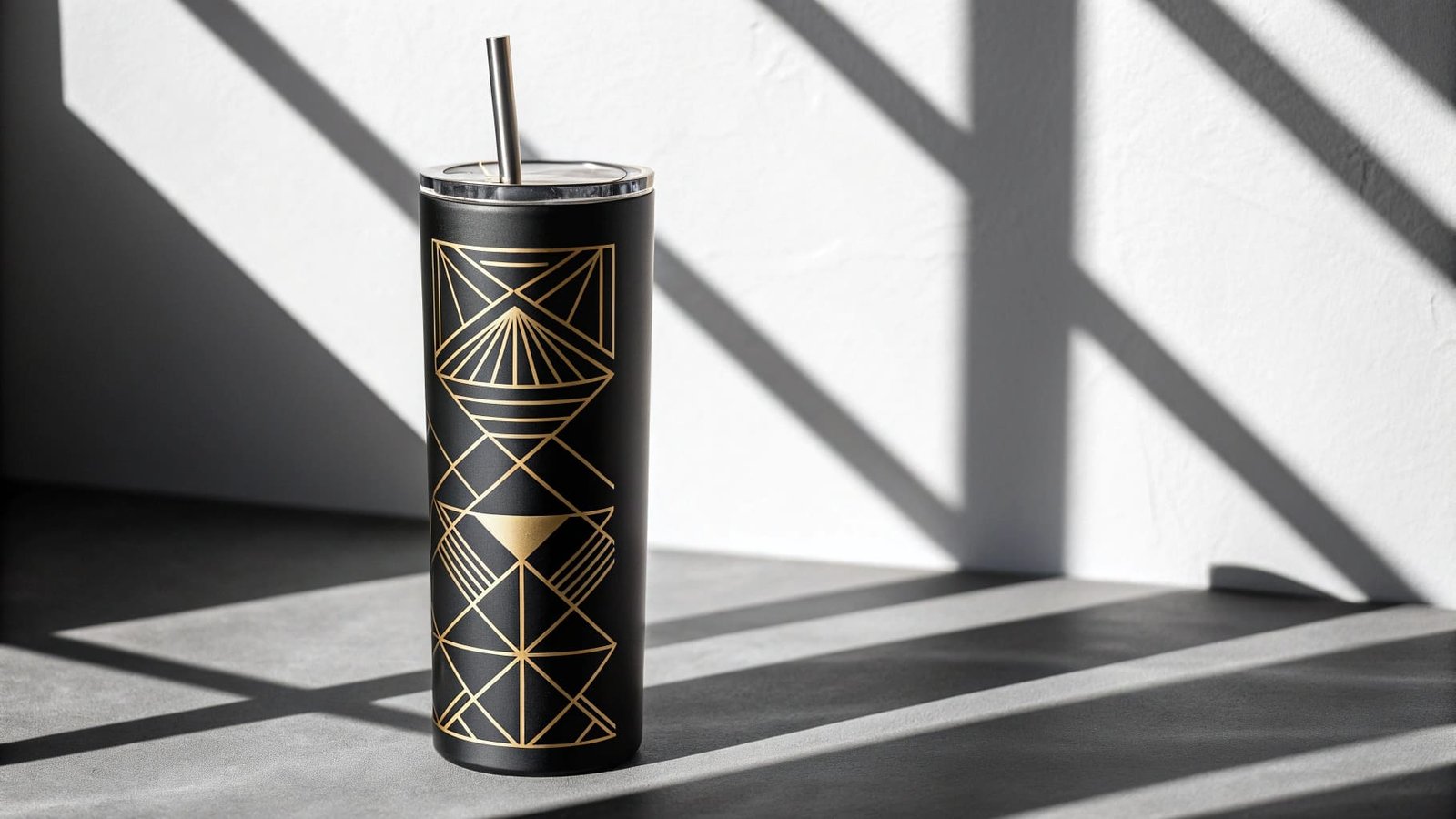
Vacuum insulation between double-wall stainless steel provides the best thermal performance. Air cannot transfer heat when removed from the space between walls. Medical-grade silicone sleeves add an extra insulation layer while protecting user hands from temperature extremes.
Comparing Thermal Performance Materials
I test thermal retention in controlled environments every week. The vacuum seal makes the biggest difference in performance. But the outer silicone sleeve adds measurable benefits. My tests show 15-20% improvement in temperature retention with quality sleeves.
Silicone outperforms other sleeve materials in thermal protection. Neoprene provides good insulation but degrades faster in sunlight. Plastic sleeves crack in cold weather. Food-grade silicone maintains flexibility from -40°C to 230°C. This range covers all normal usage conditions.
The thickness of the silicone affects both grip and insulation. Thin sleeves below 2mm provide minimal thermal benefit. Thick sleeves above 4mm feel bulky and reduce cup holder compatibility. I recommend 2.5mm to 3mm thickness for optimal balance.
Texture patterns on the sleeve surface impact both aesthetics and function. Smooth surfaces look clean but offer poor grip when wet. Deep grooves collect dirt and become difficult to clean. I design micro-texture patterns that balance these concerns.
The contact area between sleeve and tumbler creates thermal bridges. Full-coverage sleeves provide maximum insulation but trap moisture. Bottom-only sleeves allow air circulation but reduce protection. I offer different coverage options based on climate conditions in target markets.
European buyers increasingly request recyclable materials3. Silicone can be recycled but requires specialized facilities. I provide information about recycling programs to help distributors meet sustainability goals. This documentation supports their marketing claims.
The color of the sleeve affects heat absorption in direct sunlight. Dark colors absorb more heat and reduce insulation effectiveness. Light colors reflect heat but show dirt faster. I recommend medium tones for outdoor use products.
Conclusion
European compliance requires documentation and testing that many suppliers overlook. I help distributors navigate these requirements through proper certifications and material selection. Success in this market demands attention to details that cheaper suppliers ignore.