Which Rubber Gasket Seal Ring Sets Offer Best Value for 30oz Tumbler OEMs?
Last month, a Canadian client called me at midnight. His entire shipment of 30oz tumblers was leaking. The gaskets had failed. He lost $50,000 in returns. This happens more often than you think.
The best value gasket seal rings for 30oz tumbler OEMs are food-grade silicone1 sets with precise sizing. These cost 15-20% more than rubber but reduce warranty claims by over 60% and maintain performance across extreme temperatures.
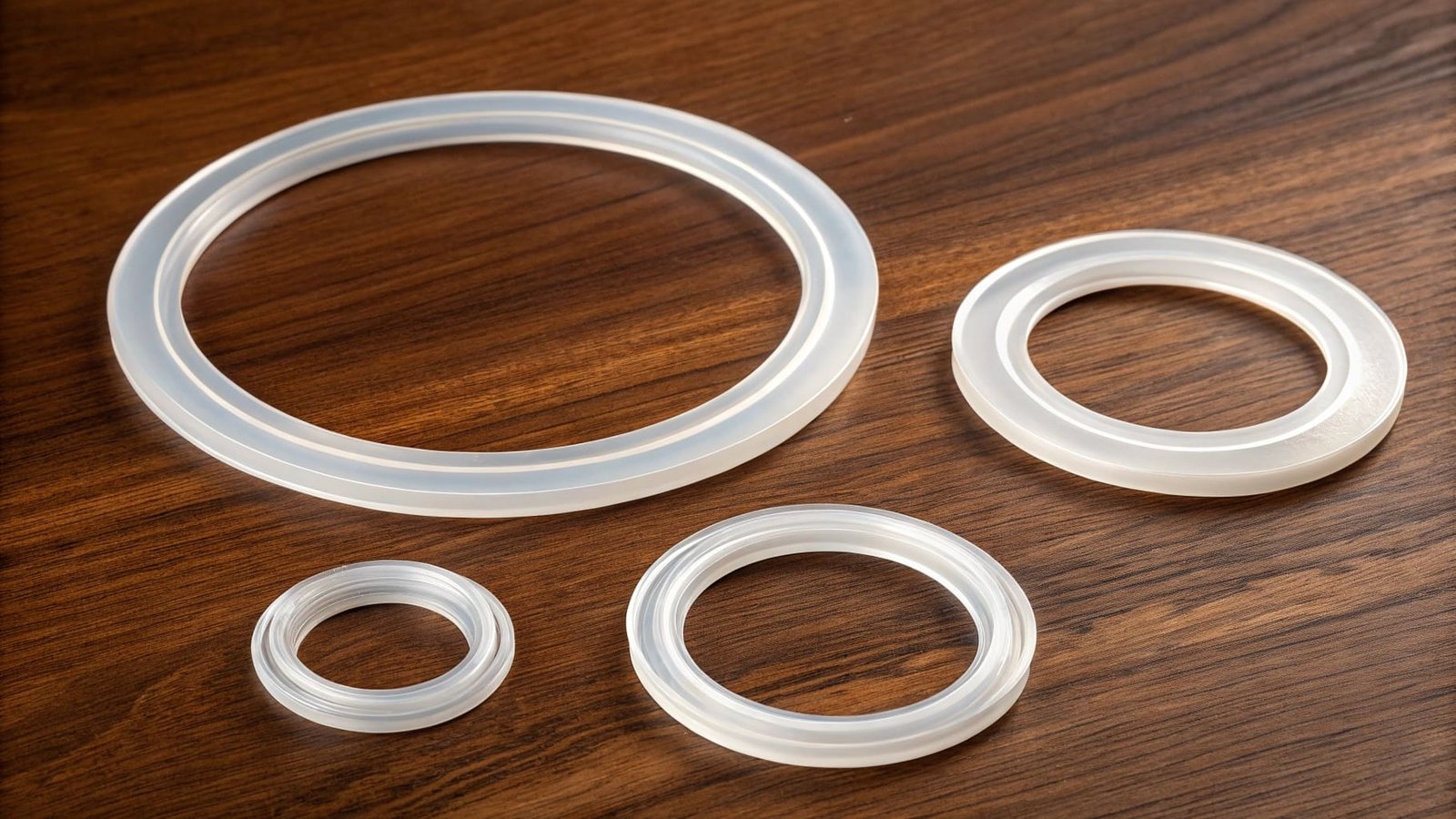
I have worked with tumbler manufacturers for eight years now. I have seen every gasket failure you can imagine. The cheap gaskets always cost more in the end. Your customers will not forgive a leaking tumbler. They will leave bad reviews. They will return products. They will buy from your competitor next time.
What type of gasket is best?
I tell every new client the same thing. Do not use standard rubber gaskets for tumblers. I learned this the hard way when I first started silijoy. We tried cheaper materials to win more orders. Big mistake.
Food-grade silicone gaskets outperform all other materials for tumbler applications. They work in temperatures from -40°F to 450°F, resist odor absorption, and meet FDA standards2 without harmful plasticizers.
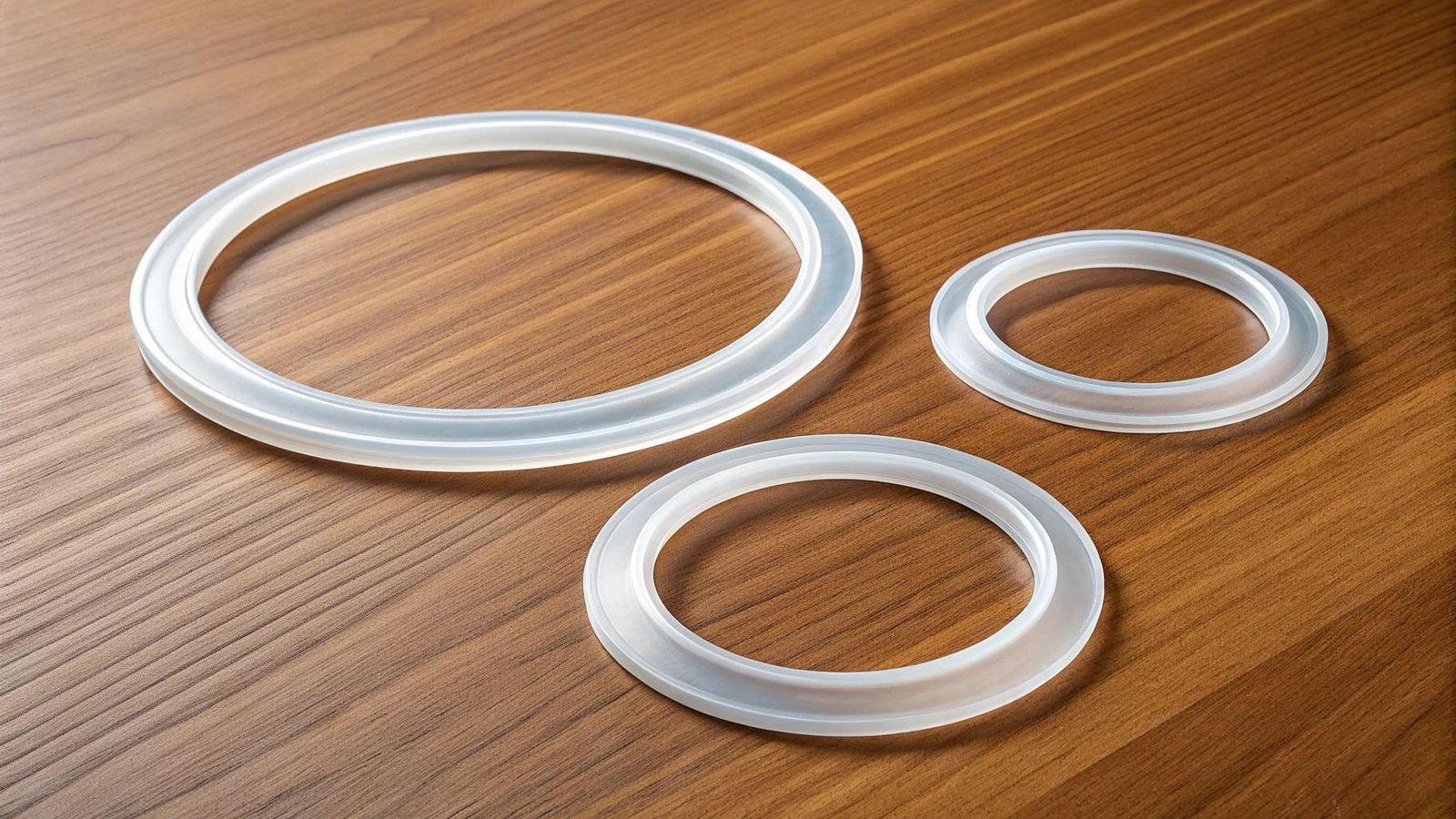
Silicone gaskets solve the three biggest problems I hear from tumbler OEMs. First, they do not break down when people put hot coffee in their tumblers. Standard rubber gaskets get brittle after a few weeks of hot liquid exposure. I have tested this myself. Second, silicone does not absorb smells. Your customers can switch from coffee to water without tasting yesterday's drinks. Third, they survive dishwashers. Most people throw their tumblers in the dishwasher daily. Standard rubber gaskets crack after 20-30 wash cycles. Silicone gaskets last for years.
The material composition matters more than most buyers realize. Food-grade silicone contains no plasticizers or fillers. Standard rubber gaskets often include additives that leach into beverages over time. I have had customers ask me why their water tastes like rubber after a few weeks. The answer is always the same. They used cheap gaskets with low-grade materials.
I recommend 100% platinum-cured silicone for premium tumbler brands. It costs 30% more than peroxide-cured silicone. But your customers will notice the difference. The gaskets stay soft longer. They seal better. They last longer. One of my American clients switched to platinum-cured silicone last year. Their return rate dropped from 8% to less than 1%.
| Gasket Material | Temperature Range | Lifespan | Cost vs Standard Rubber | Best For |
|---|---|---|---|---|
| Standard Rubber | 32°F to 180°F | 6-12 months | Baseline | Budget products |
| Peroxide-Cured Silicone | -40°F to 400°F | 2-3 years | +50% | Mid-range tumblers |
| Platinum-Cured Silicone | -40°F to 450°F | 5+ years | +80% | Premium brands |
| EPDM Rubber | -40°F to 250°F | 1-2 years | +30% | Outdoor products |
What is the difference between gasket seal and O ring?
I get this question at every trade show I attend. Many buyers think these terms mean the same thing. They do not. The difference affects how well your tumbler seals. It affects how easy the lid opens. It affects customer satisfaction.
Gasket seals have flat or profiled shapes that spread pressure evenly across lid surfaces. O-rings have circular cross-sections designed for groove mounting. For 30oz tumblers, flat gaskets work better in screw-top lids.
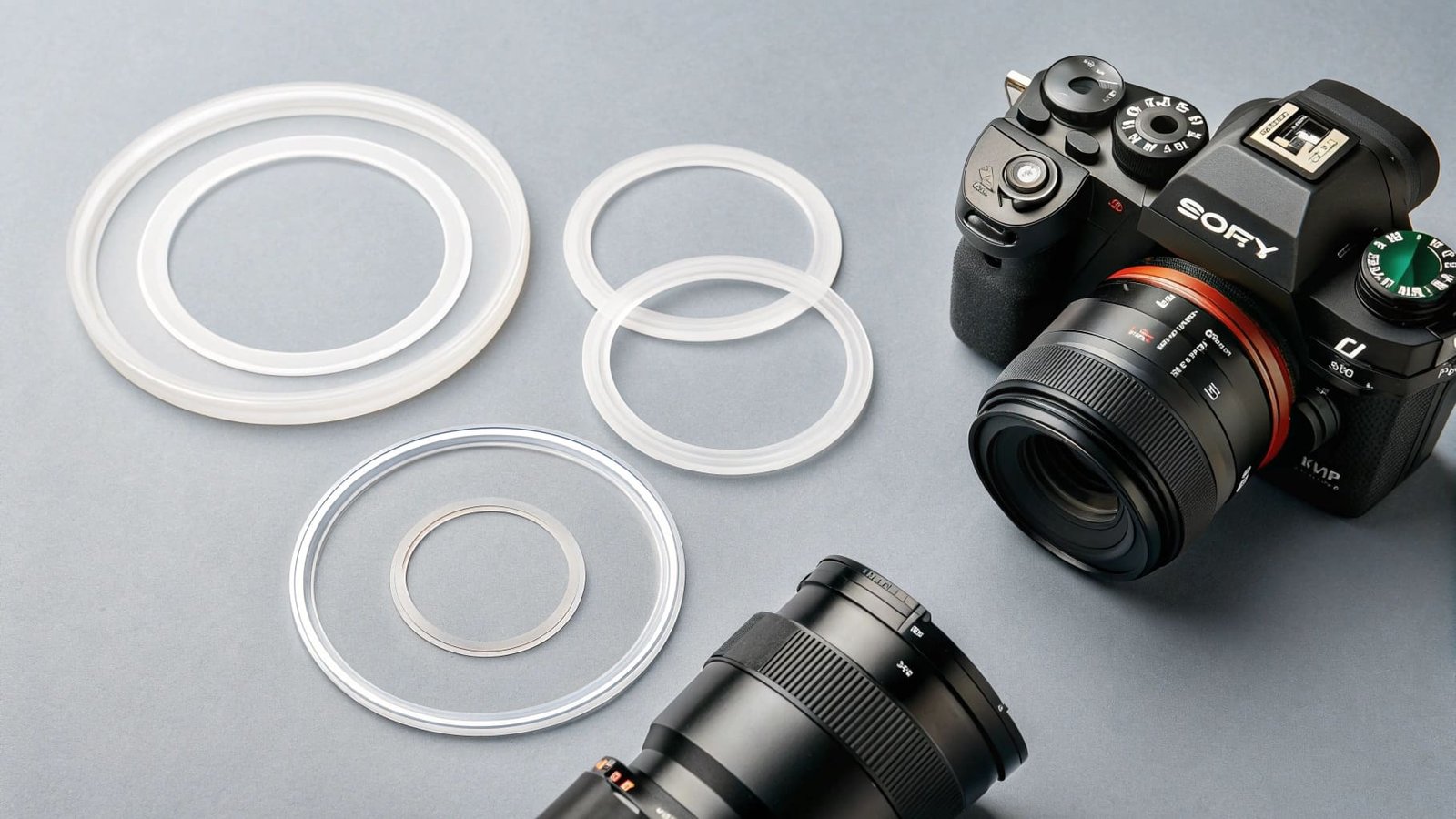
Here is what I have learned from making both types for years. Gasket seals compress across their entire width. This creates a wide sealing surface. When your customer screws on the lid, the gasket presses evenly against the rim. This works perfectly for twist-on lid designs. Most 30oz tumblers use this style.
O-rings work differently. They compress in a radial direction. You need to mount them in a groove. When pressure hits the O-ring, it pushes outward against the groove walls. This creates the seal. O-rings excel in slide-closure mechanisms. Some tumbler lids use push-button or sliding openings. O-rings fit these designs better.
I remember one client who insisted on using O-rings in a screw-top lid design. I warned him it would not work well. He ordered 10,000 units anyway. Six weeks later, he called me. His customers were complaining about leaks. The O-rings did not compress evenly across the flat surface. They created gaps. We had to remake all the gaskets as flat seals. He learned an expensive lesson.
The wrong seal type causes about 60% of leakage problems I investigate. I keep samples of both types in my office. When clients visit, I show them the difference. I let them feel how each one compresses. Most people understand immediately after touching them.
Flat gaskets distribute stress better in screw-top applications. The even pressure prevents over-compression in one spot. O-rings concentrate force in a small area. This can crack cheaper lid materials over time.
| Feature | Flat Gasket Seal | O-Ring |
|---|---|---|
| Cross-Section | Flat or profiled | Circular |
| Mounting Method | Surface contact | Groove required |
| Compression Direction | Vertical (downward) | Radial (outward) |
| Best Lid Type | Screw-top, press-fit | Slide closure, button release |
| Leak Risk in Wrong Application | Medium | High |
| Replacement Difficulty | Easy | Moderate |
How do I know what size gasket I need?
This question keeps coming up because size matters more than most people think. I have seen OEMs waste months and thousands of dollars on wrong-sized gaskets. The measurements seem simple but small errors create big problems.
Standard 30oz tumbler lids need gaskets with outer diameters between 85-95mm. Thickness matters equally. A 2-3mm thickness provides optimal compression without damaging lid threads. Request samples matching your exact lid geometry before bulk ordering.
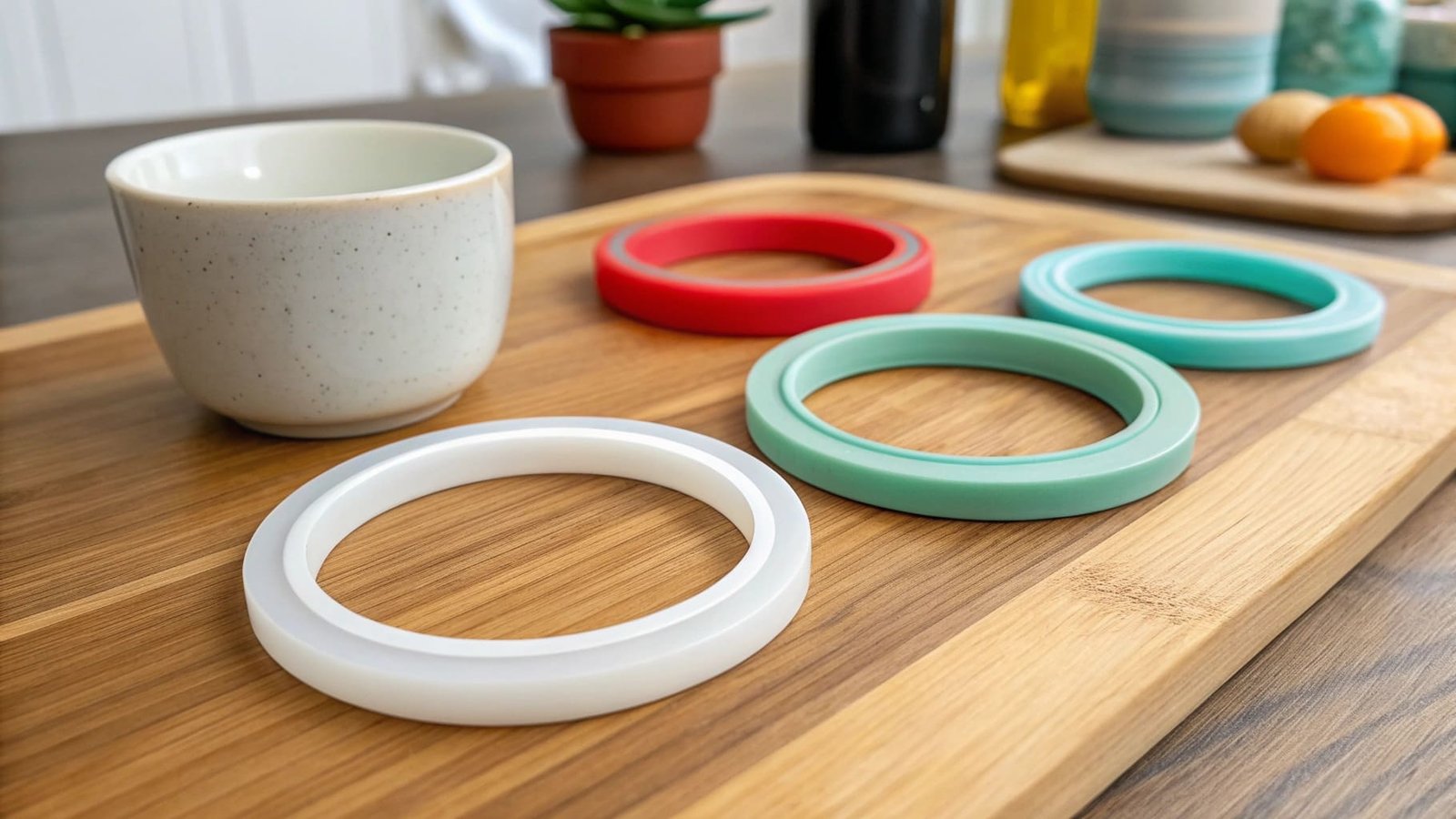
I always ask clients to send me their lid samples first. I measure them in our factory. I check the rim width. I check the lid thread pitch3. I check how much space exists for gasket compression. These details determine the perfect gasket size.
Outer diameter gets the most attention. But inner diameter matters just as much. If the inner diameter is too small, liquid cannot flow through easily. Your customers will get frustrated waiting for their drinks to pour out. If the inner diameter is too large, the gasket will not have enough material to create a good seal.
Thickness changes everything about how the lid functions. Too thin and the gasket will not seal properly. Liquids will leak around the edges. Too thick and the lid becomes hard to screw on. I have tested this extensively. A 2mm gasket works for most standard screw-top lids. A 3mm gasket suits lids with deeper grooves.
I learned about the 0.5mm rule the hard way. A European client sent me specifications for 88mm outer diameter gaskets. I made them at 88.5mm. The difference seemed tiny. But when they installed the gaskets, the lids would not close properly. We had to remake the entire order. Now I insist on 0.2mm precision in all our gasket production.
Shore hardness affects sizing too. Softer gaskets compress more easily. A 40 Shore A gasket will compress 30-40% under normal lid pressure. A 60 Shore A gasket will compress only 20-25%. You need to account for this when choosing thickness. Softer gaskets need less thickness to achieve the same seal.
Custom sizing takes 7-10 days longer than standard sizes. Many OEMs skip this step to save time. Then they face problems later. I recommend spending the extra time upfront. Send your lid samples to your supplier. Get custom-fitted gaskets made. The investment pays off when your products do not leak.
| Measurement | Standard 30oz Tumbler Range | Critical Tolerance | Impact if Wrong |
|---|---|---|---|
| Outer Diameter | 85-95mm | ±0.2mm | Poor seal or lid fit issues |
| Inner Diameter | 65-75mm | ±0.3mm | Flow restriction or weak seal |
| Thickness | 2-3mm | ±0.1mm | Leak or difficult lid operation |
| Shore Hardness | 40-60 Shore A | ±5 Shore A | Compression problems |
| Width (Flat Gaskets) | 8-12mm | ±0.2mm | Uneven pressure distribution |
I keep detailed records of gasket sizes for every tumbler model I have worked with. When clients come back for reorders, I pull up their exact specifications. No guessing. No mistakes. Just the right size every time.
Conclusion
Choose food-grade silicone gaskets with precise sizing for your 30oz tumblers. The higher upfront cost prevents expensive warranty claims and protects your brand reputation in the long run.
-
Explore the advantages of food-grade silicone, which offers superior performance and safety for tumbler applications. ↩
-
Understand the FDA standards that ensure safety and quality in food-grade materials used in tumblers. ↩
-
Discover the impact of lid thread pitch on gasket sealing and overall tumbler functionality. ↩