Which Silicone Bottom Protector Features Reduce Noise in Commercial Settings?
I walk into restaurants and hear chairs scraping loudly. This noise frustrates customers and staff. Silicone bottom protectors solve this problem better than old rubber solutions.
Silicone bottom protectors1 reduce noise through multi-density construction, micro-textured surfaces, and temperature-stable materials. These features absorb impact, minimize friction, and maintain performance in changing commercial environments year-round.
I started manufacturing silicone products five years ago. Back then, most buyers asked for rubber protectors. But commercial clients kept complaining about noise issues. That pushed me to understand why silicone works better. Now I want to share what I learned with you.
What are the benefits of silicone rubber?
My clients from hotels contact me every month. They worry about guest complaints regarding noise. Silicone rubber offers solutions that traditional materials cannot match.
Silicone rubber provides temperature stability, chemical resistance, and consistent flexibility. It works from negative forty to two hundred degrees Celsius. This makes it perfect for commercial spaces with varying conditions.
I remember Mark, my Canadian client, who runs a restaurant supply business. He called me frustrated last winter. His rubber protectors became hard and stopped working when temperatures dropped. The restaurant owners he supplied complained about increased noise. That conversation taught me something important.
Silicone rubber maintains its softness regardless of temperature. This matters in commercial settings where floors get cold near entrances or hot near kitchens. The material stays flexible and keeps absorbing shock. Regular rubber hardens in cold and softens too much in heat.
The damping properties of silicone rubber surpass other materials. When a chair leg hits the floor, silicone compresses and absorbs the impact energy. It converts mechanical energy into a tiny amount of heat. This happens so fast that noise barely escapes. The molecular structure of silicone2 allows this energy conversion efficiently.
Silicone rubber also resists chemicals common in commercial cleaning. Harsh detergents and sanitizers break down regular rubber over time. But silicone stays intact. This extends product life and saves replacement costs. I tested our protectors with various cleaning agents. They showed no degradation after six months of daily exposure.
Here is a comparison table I made for my clients:
| Property | Silicone Rubber | Regular Rubber |
|---|---|---|
| Temperature Range | -40°C to 200°C | -20°C to 80°C |
| Chemical Resistance | Excellent | Poor to Fair |
| Noise Reduction | High | Medium |
| Lifespan | 5-7 years | 2-3 years |
| Floor Marking | None | Can mark |
What are the benefits of silicone bottles?
People ask me why I mention bottles when talking about floor protectors. The answer lies in understanding silicone as a material. Its benefits apply across products.
Silicone bottles offer safety, durability, and ease of cleaning. They resist heat and cold without releasing harmful chemicals. These same properties make silicone ideal for furniture protection in commercial spaces.
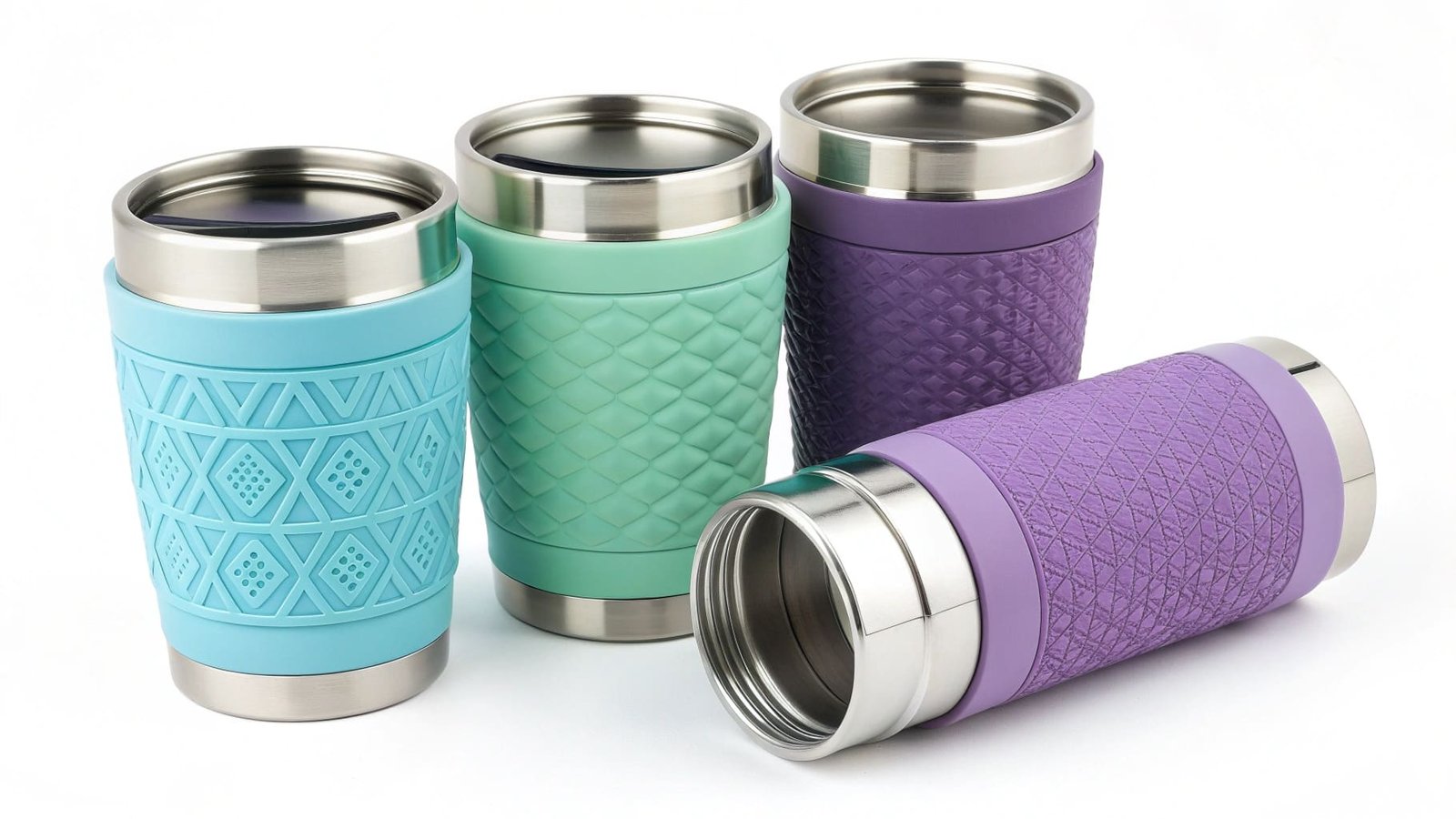
I sell silicone bottles to companies that rebrand them. These companies value the same features I build into my bottom protectors. The material does not leach chemicals. This matters when bottles hold beverages and when protectors contact expensive flooring.
Silicone bottles withstand drops without cracking. They bounce back to shape after compression. This resilience translates directly to bottom protectors. When heavy furniture presses down, silicone compresses but recovers. It does not permanently deform like cheap rubber alternatives.
The non-porous surface of silicone prevents bacteria growth. In restaurants and hotels, this hygiene factor becomes critical. Floor protectors accumulate dirt and moisture. Silicone resists mold and mildew better than rubber. Cleaning staff appreciate this because protectors stay cleaner longer.
Temperature resistance benefits both bottles and protectors. Hot coffee in a silicone bottle stays contained safely. Similarly, protectors near heating vents maintain their noise-dampening properties. Cold environments pose no problem either. I ship products to Canadian clients where winter temperatures drop severely. My protectors perform consistently.
The flexibility of silicone allows creative designs. I can mold complex shapes for different furniture leg types. Round legs, square legs, angled legs - silicone adapts to all. This design flexibility3 came from learning about silicone bottle manufacturing techniques. The same molding processes work for both products.
Cost considerations matter to commercial buyers. Silicone bottles cost more initially than plastic alternatives. Bottom protectors follow the same pattern. But the longer lifespan justifies the investment. Mark calculated that replacing rubber protectors twice yearly cost more than buying silicone once every five years. His profit margins improved significantly after switching.
Does silicone protect rubber?
This question confuses many buyers. I hear it during trade shows regularly. The relationship between silicone and rubber needs clarification for commercial applications.
Silicone does not protect rubber directly. Instead, silicone replaces rubber in applications requiring superior performance. Silicone outperforms rubber in temperature stability, chemical resistance, and durability.
I explain this to clients using a simple example. Imagine you have rubber furniture protectors wearing out quickly. Adding silicone covers over rubber does not help. The solution involves replacing rubber with silicone entirely. This replacement protects your floors, furniture, and peace of mind.
Silicone and rubber are different materials despite similar appearances. Rubber comes from natural or synthetic sources with carbon-based chemistry. Silicone uses silicon-oxygen bonds creating unique properties. These chemical differences explain why silicone performs better in demanding commercial environments.
The misconception about silicone protecting rubber stems from compatibility issues. Some people layer materials hoping for combined benefits. This rarely works. Different expansion rates cause separation. Adhesives struggle to bond silicone and rubber permanently. I tested various combinations in my factory. None performed as well as pure silicone solutions.
Commercial settings demand reliable long-term performance. Restaurants cannot afford frequent protector replacements during busy seasons. Hotels need solutions that work quietly and consistently. Office managers want products that maintain appearance and function for years. Silicone meets these demands while rubber falls short.
The investment question arises naturally. Silicone costs thirty to fifty percent more than rubber initially. But replacement frequency matters more than upfront cost. I show buyers a calculation sheet. It demonstrates total cost of ownership over five years. Silicone wins every time when you factor in labor for replacement, disposal costs, and reduced noise complaints.
Here is what commercial buyers should evaluate:
| Factor | Silicone Advantage | Rubber Limitation |
|---|---|---|
| Noise Reduction | Consistent across temperatures | Varies with conditions |
| Floor Protection | No marking or staining | Can leave marks |
| Maintenance | Easy to clean | Attracts dirt |
| Replacement Cycle | 5-7 years | 1-3 years |
| Initial Cost | Higher | Lower |
| Long-term Value | Better | Worse |
Conclusion
Silicone bottom protectors reduce commercial noise through smart material properties and design features. They cost more initially but deliver better value and performance long-term.
-
Explore how silicone bottom protectors can significantly reduce noise and enhance comfort in busy commercial environments. ↩
-
Learn about the science behind silicone's molecular structure and its advantages in noise reduction. ↩
-
Understand how silicone's design flexibility allows for customized solutions for various furniture types. ↩