Which Silicone Cup Boot Designs Work Best for OEM Water Bottle Orders?
Gen Z's water bottle obsession is changing everything in my business. Last month, a Canadian distributor told me his orders doubled. He needed better silicone boots. Fast.
The best silicone cup boot designs for OEM orders feature anti-slip textures, shock-absorption ridges, and universal sizing compatibility. These boots must use FDA-approved materials1, provide thermal insulation support, and accommodate bottles from 20oz to 40oz to meet market demands.
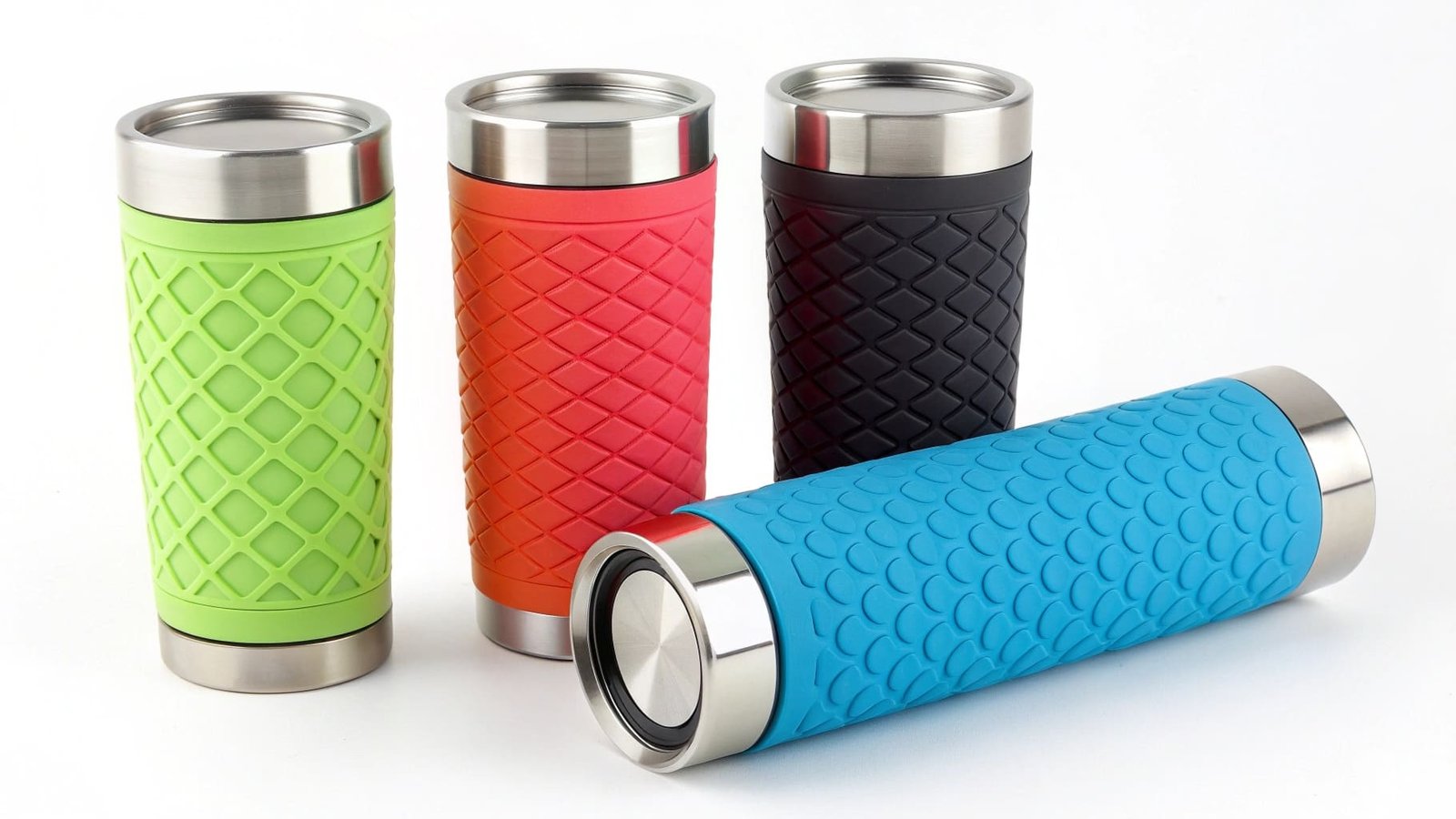
I've been in the silicone manufacturing business for years. Every week, buyers contact me asking the same question. They want to know which boot design sells best. They want their bottles to stand out. The answer isn't simple. It depends on your target market.
Why is Gen Z obsessed with water bottles?
Your Gen Z customers don't just want a water bottle. They want a statement piece. I learned this the hard way when a startup founder from Seattle rejected my first batch.
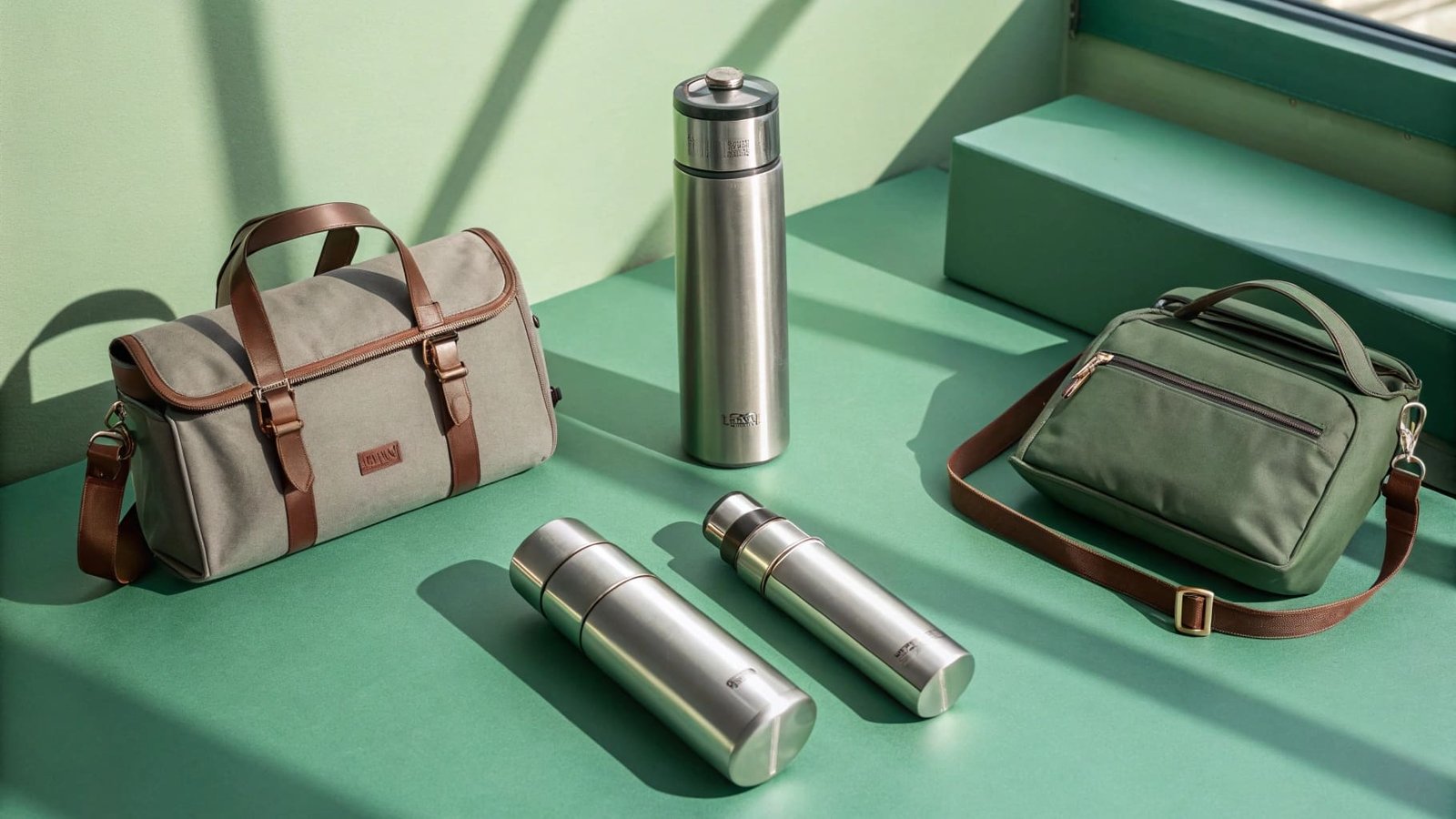
Gen Z views water bottles as personal accessories that reflect their values. They prioritize sustainability, self-care visibility, and social media aesthetics. The right silicone boot transforms a basic bottle into a lifestyle product that resonates with their identity.
The Psychology Behind the Trend
I've watched this shift happen in real time. Gen Z grew up with climate anxiety. They saw plastic pollution documentaries in school. A water bottle with a quality silicone boot represents their commitment to sustainability.
The hydration tracking trend plays a major role. Social media influencers post their daily water intake. They show off their bottle collections. My buyers tell me their customers own multiple bottles for different occasions. Each needs a protective boot.
Here's what drives their purchasing decisions:
| Factor | Impact on Design |
|---|---|
| Sustainability | Durable, long-lasting silicone |
| Personalization | Custom colors and patterns |
| Social sharing | Aesthetic appeal for photos |
| Health consciousness | Non-toxic, certified materials |
| Functionality | Grip, protection, insulation |
I remember a distributor from Toronto explaining his market. His Gen Z customers check certification documents. They ask about silicone curing methods. They read ingredient lists. This generation does their research before buying.
What is the healthiest water bottle to use?
A procurement officer once asked me if silicone boots could make water taste weird. I sent him test samples immediately. Material safety isn't negotiable in my factory.
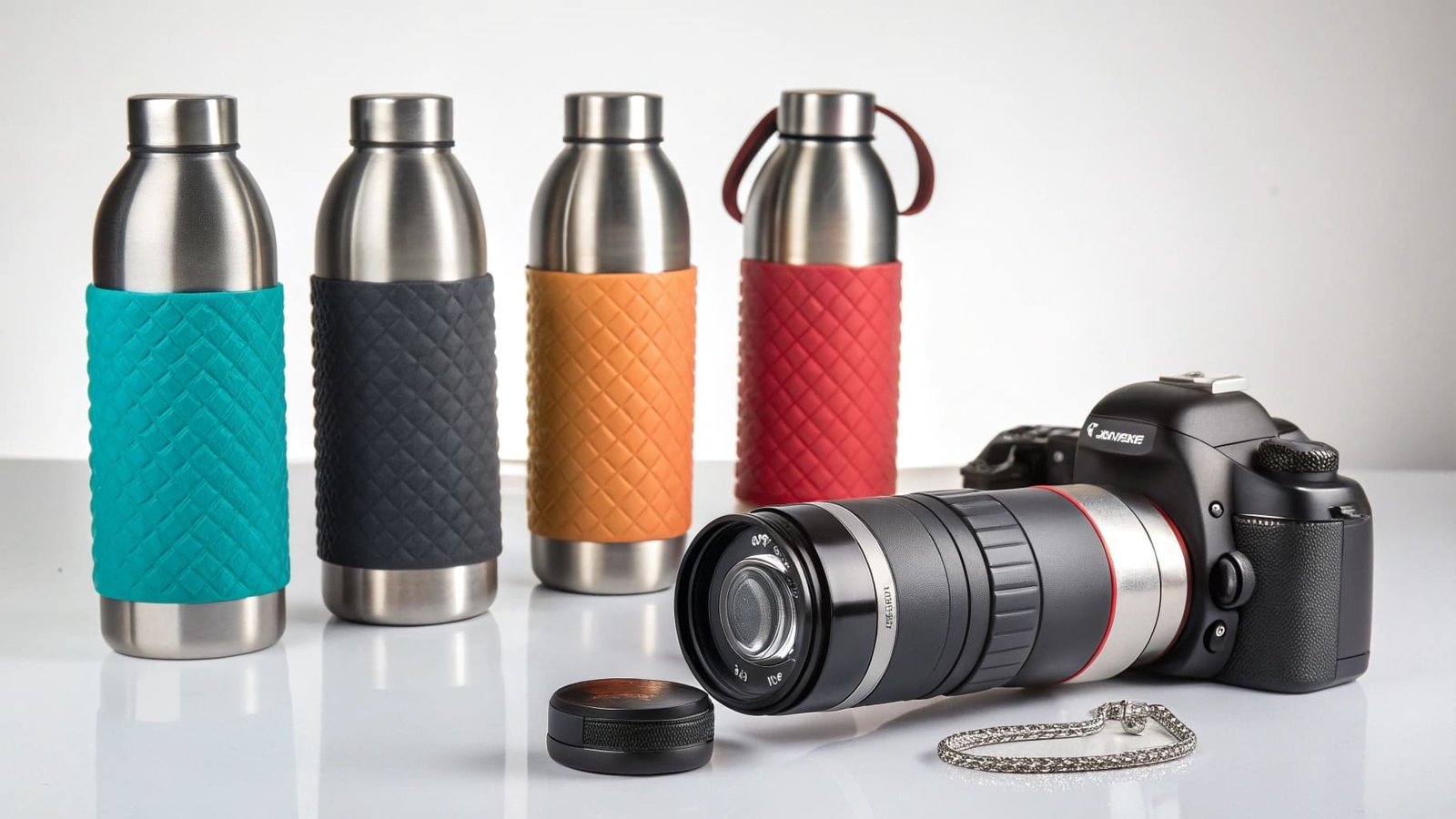
The healthiest water bottles combine stainless steel bodies with platinum-cured or medical-grade silicone boots. These materials are BPA-free, non-leaching, and resist bacterial growth. Both components must meet FDA or LFGB certification standards for consumer safety.
Material Specifications That Matter
Platinum-cured silicone costs more than peroxide-cured silicone. I explain this to every new buyer. The price difference seems small until you consider liability risks. One contamination incident destroys your brand reputation.
Medical-grade silicone undergoes stricter testing protocols. It contains no fillers or additives. The curing process leaves no residue. I use this grade for clients targeting premium markets in North America and Europe.
Here's what you need to verify with your supplier:
| Certification | Region | Requirement |
|---|---|---|
| FDA CFR 21 | USA | Food contact approval |
| LFGB | Europe | German safety standards |
| REACH | Europe | Chemical compliance |
| RoHS | Global | Restricted substances |
I test every batch before shipping. My lab checks for heavy metals, volatile compounds, and migration levels. These reports take time but they protect both of us. Last year, a competitor shipped boots that failed FDA testing. Their buyer lost thousands in recalls.
The silicone shore hardness matters too. I recommend 40-60A for cup boots. This range provides grip without feeling sticky. It maintains shape after repeated washing. Your customers will notice the quality difference immediately.
What material keeps water cold the longest?
My factory produces boots for vacuum-insulated bottles exclusively. I learned why thermal performance matters when a distributor showed me customer complaints about warm water.
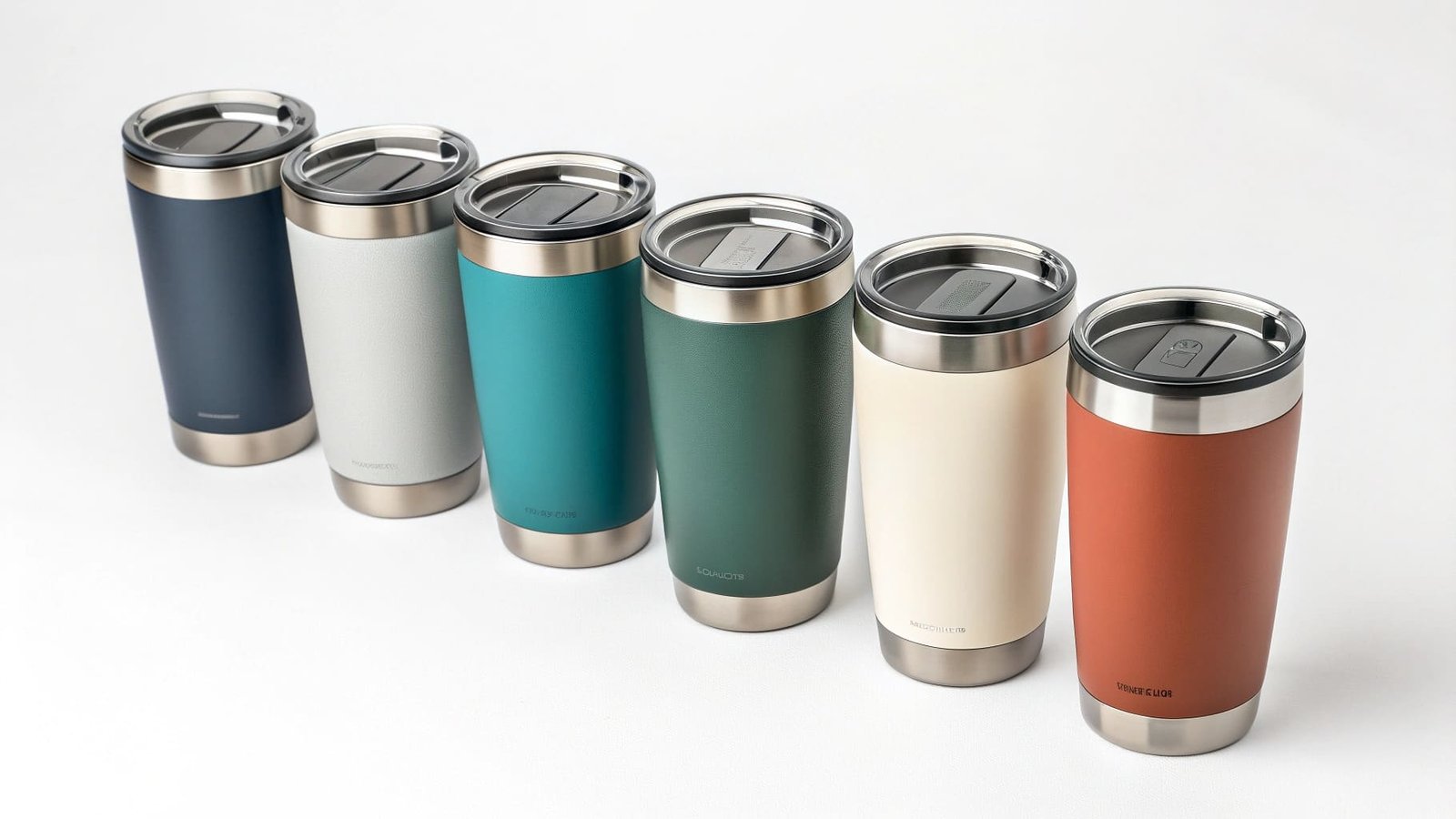
Stainless steel with vacuum insulation2 keeps water coldest, maintaining temperatures for 24-48 hours. However, silicone boots enhance this performance by adding an insulation barrier, preventing external heat transfer, and protecting the vacuum seal from impact damage.
How Boot Design Affects Temperature Retention
The silicone boot acts as a secondary insulation layer. I design boots with 3-5mm thickness for optimal thermal protection. Thinner boots save material costs but reduce insulation benefits. Thicker boots feel bulky and add unnecessary weight.
Air pockets in the boot design improve insulation. I create patterns with raised ridges and textured surfaces. These designs trap air between the boot and the bottle. Air is an excellent insulator.
Here's how different boot features impact thermal performance:
| Boot Feature | Temperature Benefit | Trade-off |
|---|---|---|
| Full coverage | Maximum insulation | Higher cost |
| Bottom-only | Cost-effective | Limited protection |
| Textured surface | Air gap insulation | Complex molding |
| Multi-layer | Superior performance | Weight increase |
I conducted tests comparing bottles with and without silicone boots. A bare stainless bottle exposed to 30°C ambient temperature lost coldness 3 hours faster than a booted bottle. The difference matters for customers who carry bottles all day.
The boot also prevents condensation from making surfaces slippery. I learned this from a buyer whose customers complained about wet desk surfaces. A quality boot absorbs or blocks moisture formation completely.
Design Elements for OEM Success
My most successful boot designs share common features. They fit snugly without sliding. They extend slightly above the bottle base for shock absorption. They include grip patterns that work for wet and dry hands.
I now offer modular boot systems. One design fits multiple bottle sizes through adjustable segments. This flexibility reduces your inventory complexity. You can serve more customers with fewer SKUs.
Custom branding options matter for OEM orders. I can embed logos, add color gradients, or create unique texture patterns. These customizations help your bottles stand out on retail shelves and social media feeds.
Conclusion
The right silicone cup boot design combines safety certifications, thermal performance, and aesthetic appeal. Understanding Gen Z preferences helps you choose boots that protect bottles and drive sales.