Which Silicone Cup Lid Designs Facilitate Easiest Cleaning for Food Service?
Last month, a café owner told me her staff spent 20 minutes daily scrubbing lid grooves. She was losing money on labor costs. The problem was her lid design.
Silicone cup lids with smooth, one-piece construction clean fastest. Flat surfaces without ridges eliminate food traps. Designs with pull tabs and minimal texture reduce cleaning time by 60% compared to complex patterns.
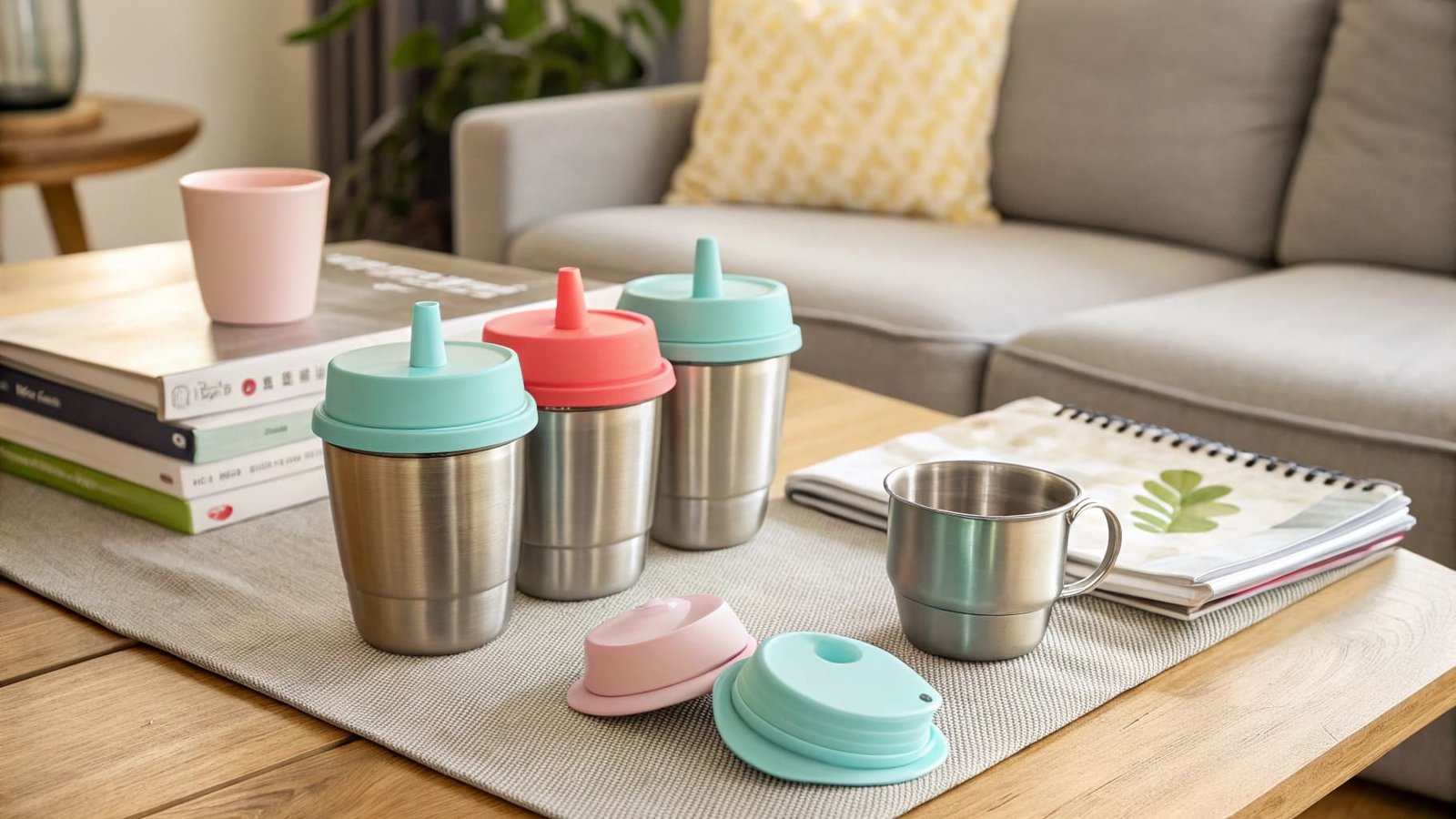
I have sold silicone lids to food service businesses for years. The cleaning question comes up in every conversation. Buyers want hygiene. They want speed. They want to save money on labor.
What are silicone food covers?
You walk into a commercial kitchen. You see containers everywhere. Traditional plastic lids crack. They stain. They hold smells.
Silicone food covers are flexible lids made from food-grade silicone1. They stretch over cups, bowls, and containers. They create an airtight seal. The material does not absorb odors or stains like plastic does.
The Material Makes All the Difference
I remember my first big order from a restaurant chain in Texas. They bought 5,000 silicone covers from my factory. They called me six months later. They wanted to reorder. Why? Their old plastic lids needed replacement every three months. My silicone covers lasted over a year.
Silicone has a non-porous surface. Bacteria cannot penetrate it. Food particles sit on top instead of soaking in. You wipe them off easily. The material stays flexible even after hundreds of washes. It does not become brittle like cheap plastic.
Food service buyers care about three things: durability, hygiene, and cleaning speed. Silicone covers deliver all three. The material handles temperature changes from freezer to microwave. It bends without breaking. It returns to its original shape every time.
| Property | Silicone Food Covers | Traditional Plastic Lids |
|---|---|---|
| Temperature Range | -40°F to 450°F | 32°F to 212°F |
| Odor Absorption | None | High |
| Lifespan | 3-5 years | 3-6 months |
| Dishwasher Safe | Yes, any rack | Top rack only |
| Flexibility | Stretches 120% | Rigid, cracks easily |
The key feature is the airtight seal. Silicone molds to any container shape. It keeps food fresh longer. This reduces waste in busy kitchens. Restaurant managers tell me this saves them money on food costs.
How to clean a silicone lid?
Your kitchen closes at 10 PM. Your staff is tired. They still need to clean 200 lids. Every minute counts.
Silicone lids clean three ways: dishwasher, boiling water, or hand wash. The material handles heat up to 450°F. You can sterilize it completely. Most designs work in any dishwasher rack position.
Quick Cleaning Methods That Actually Work
I learned about cleaning challenges the hard way. A coffee shop owner in Vancouver bought my first batch of silicone lids. She called me after two weeks. The lids were great. But her staff hated the decorative pattern on top. Food got stuck in the grooves.
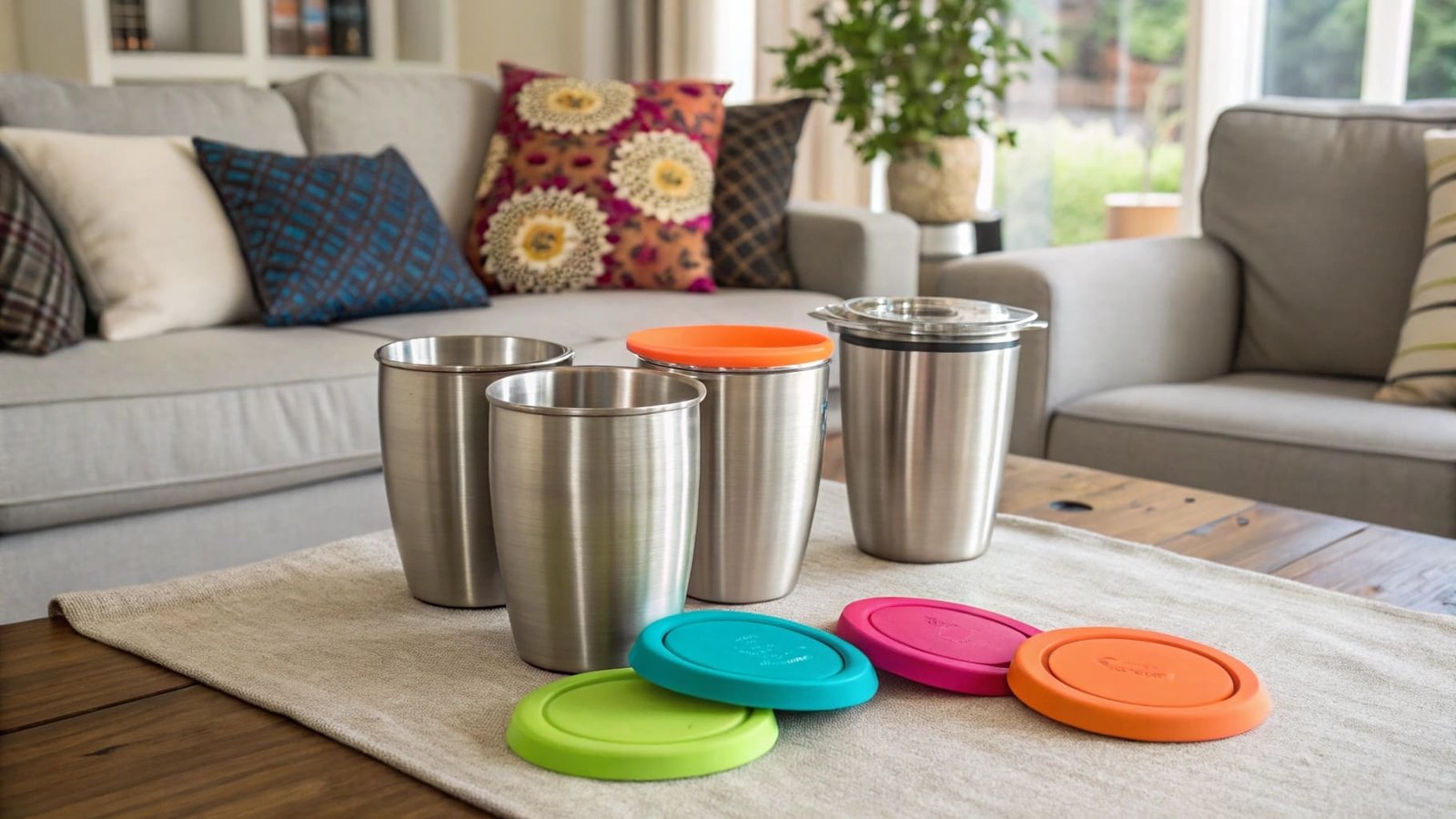
I redesigned the entire product line. I made surfaces completely flat. I removed all decorative elements. The new lids cleaned in 30 seconds under running water. The old design took 3 minutes with a brush.
Hand washing works best for quick turnover. You need warm water and mild dish soap. You rub the lid between your hands. Food comes off instantly. You rinse it. You dry it. The whole process takes less than a minute.
Dishwashers save labor but take longer. You load dirty lids after each shift. You run the machine overnight. You have clean lids ready for morning service. This works for businesses with enough backup inventory.
Boiling water sterilization is the most thorough method. You bring a pot of water to boil. You drop the lids in for 5 minutes. You remove them with tongs. This kills 99.9% of bacteria. Health inspectors love this method.
| Cleaning Method | Time Required | Best For | Effectiveness |
|---|---|---|---|
| Hand Wash | 30-60 seconds | Quick turnover | 95% clean |
| Dishwasher | 60-90 minutes | Overnight cleaning | 98% clean |
| Boiling Water | 5-7 minutes | Deep sterilization | 99.9% clean |
| Vinegar Soak | 15-20 minutes | Stain removal | 97% clean |
The design matters more than the method. Lids with smooth surfaces clean faster with any approach. Complex designs with grooves or textures need scrubbing. This adds labor time. This costs money.
I tell buyers to test cleaning before ordering bulk. You wash one lid five different ways. You time each method. You calculate daily cleaning hours multiplied by staff wages. The numbers show which design saves money.
Is there a food safe silicone?
You order 10,000 lids from an overseas supplier. They arrive. You use them for six months. A health inspector finds chemical residue. You throw everything away.
Food safe silicone has FDA approval or LFGB certification2. These standards test for chemical leaching and temperature stability. Pure food-grade silicone contains no fillers. It remains stable under heat and acid contact.
Certification Matters More Than You Think
I met Mark at a trade show in Toronto three years ago. He was buying silicone products for his distribution company. He showed me a sample from his previous supplier. The lid looked perfect. The price was cheap.
I asked for his FDA certificate. He did not have one. His supplier claimed the product was food safe. They had no proof. I sent his sample to a testing lab. The results showed 3% filler content. The material would leach chemicals above 300°F.
Mark lost a major client because of that supplier. The client ran restaurant equipment stores across Canada. They tested the lids. They found the same problem. They canceled the contract. Mark lost $50,000 in revenue.
He now asks every supplier for third-party lab reports. He verifies FDA approval3 numbers on the official website. He requests LFGB certificates for European clients. This costs him extra time upfront. It saves him from disasters later.
Food safe silicone must pass specific tests. Migration tests check for chemical leaching into food. Heat stability tests confirm the material does not break down at cooking temperatures. Mechanical tests verify the silicone maintains integrity after repeated use.
| Certification | Testing Region | Key Requirements | Verification Method |
|---|---|---|---|
| FDA | United States | No chemical migration, heat stable to 450°F | CFR Title 21 compliance |
| LFGB | Europe | No harmful substances, dishwasher stable | German food law standards |
| GB | China | National food contact standards | GB 4806.11 compliance |
| CPSIA | US Children's Products | No lead, no phthalates | Lab test reports required |
Pure silicone costs more than filled silicone4. Manufacturers add fillers to reduce costs. These fillers can be plastic, chalk, or other materials. They make the silicone weaker. They create food safety risks.
You can test silicone purity yourself. You pinch the material and twist it. Pure silicone stays white at the pinch point. Filled silicone shows white streaks or discoloration. This simple test catches many fake products.
I tell buyers to request batch testing reports. Each production run should have quality control documents. These show the silicone composition. They confirm food safety standards. Reputable suppliers provide these without hesitation.
The investment in certified food-safe silicone protects your business. Restaurant chains conduct regular audits. They inspect supplier certifications. They test products randomly. One failed test ends the supplier relationship. The financial impact goes beyond one order. You lose future contracts. You damage your reputation.
Conclusion
Smooth, one-piece silicone lid designs with flat surfaces clean fastest. Certified food-safe material ensures hygiene compliance. Smart buyers choose simplicity over decoration for operational efficiency.