Which Stretchy Bowl Lid Sets Offer Highest ROI for B2B Food Packaging?
I have watched many B2B buyers waste money on cheap silicone lids. They face returns and complaints. Smart buyers focus on three key factors instead.
The best ROI comes from lid sets with proven freezer compatibility, proper certifications, and size variety. These features reduce returns and support premium pricing in North American and European markets.
I learned this lesson five years ago when a Canadian distributor returned our first batch. The lids worked fine at room temperature. But they cracked in commercial freezers. That failure taught me what really matters for B2B food packaging success.
Can silicone lids go in the freezer?
Many buyers ask me this question first. They worry about product failures. Their customers use lids for meal prep and frozen storage.
Yes, food-grade silicone1 lids withstand freezer temperatures down to minus forty degrees Fahrenheit. They maintain flexibility and seal quality in extreme cold conditions.
Understanding Temperature Performance Standards
I test every batch of our silicone stretch lids at silijoy. We put samples in industrial freezers for seventy-two hours. Then we check for cracks and flexibility loss. Good silicone bounces back. Bad silicone becomes brittle.
The material composition makes the difference. Pure silicone has a stable molecular structure. Mixed rubber compounds contain fillers. These fillers separate at low temperatures. I have seen this problem destroy entire shipments for buyers who chose cheap suppliers.
Here is what separates quality lids from poor ones:
| Quality Factor | Premium Silicone Lids | Low-Grade Alternatives |
|---|---|---|
| Temperature Range | -40°F to 450°F | -10°F to 250°F |
| Material Composition | 100% food-grade silicone | Mixed rubber compounds |
| Flexibility After Freezing | Maintains original stretch | Becomes stiff or cracks |
| Typical Lifespan | 3-5 years daily use | 6-12 months |
For B2B buyers serving meal prep companies or frozen food distributors, this temperature resilience creates real value. Your end customers want reusable options. They move containers from freezer to microwave. Single-use plastic cannot do this. Quality silicone can.
I remember Mark, a distributor from Toronto, who bought from three different Chinese suppliers. Only one supplier provided lids that passed his freezer tests. He now orders exclusively from that supplier. His customers trust his brand because the product works.
The key is verification. Ask your supplier for temperature test reports. Request samples for your own freezer testing. Do not rely on claims alone. I provide detailed test certificates to all my B2B customers. This documentation protects both of us.
What are the disadvantages of silicone covers?
Buyers need the full picture. Silicone lids have real drawbacks. Ignoring these issues damages your profit margins and reputation.
Silicone covers cost three to five times more than plastic alternatives and require precise size matching. They also retain odors from strong-smelling foods over time.
Calculating the True Cost Impact
The higher unit cost hits buyers first. I work with startup founders who struggle with this price difference. They want eco-friendly products. But their customers resist paying premium prices.
Let me break down the real numbers from my customer data. A set of six plastic lids costs about two dollars wholesale. The same set in quality silicone costs seven to nine dollars. This price gap requires careful market positioning.
You cannot compete on price alone with silicone lids. You need to target premium segments or eco-conscious consumers. These buyers pay more for durability and reusability. They calculate long-term value instead of upfront cost.
The size matching issue surprises many new buyers. Silicone stretches, but it has limits. A lid marked for four-inch bowls will not seal properly on five-inch containers. Poor fit leads to customer returns.
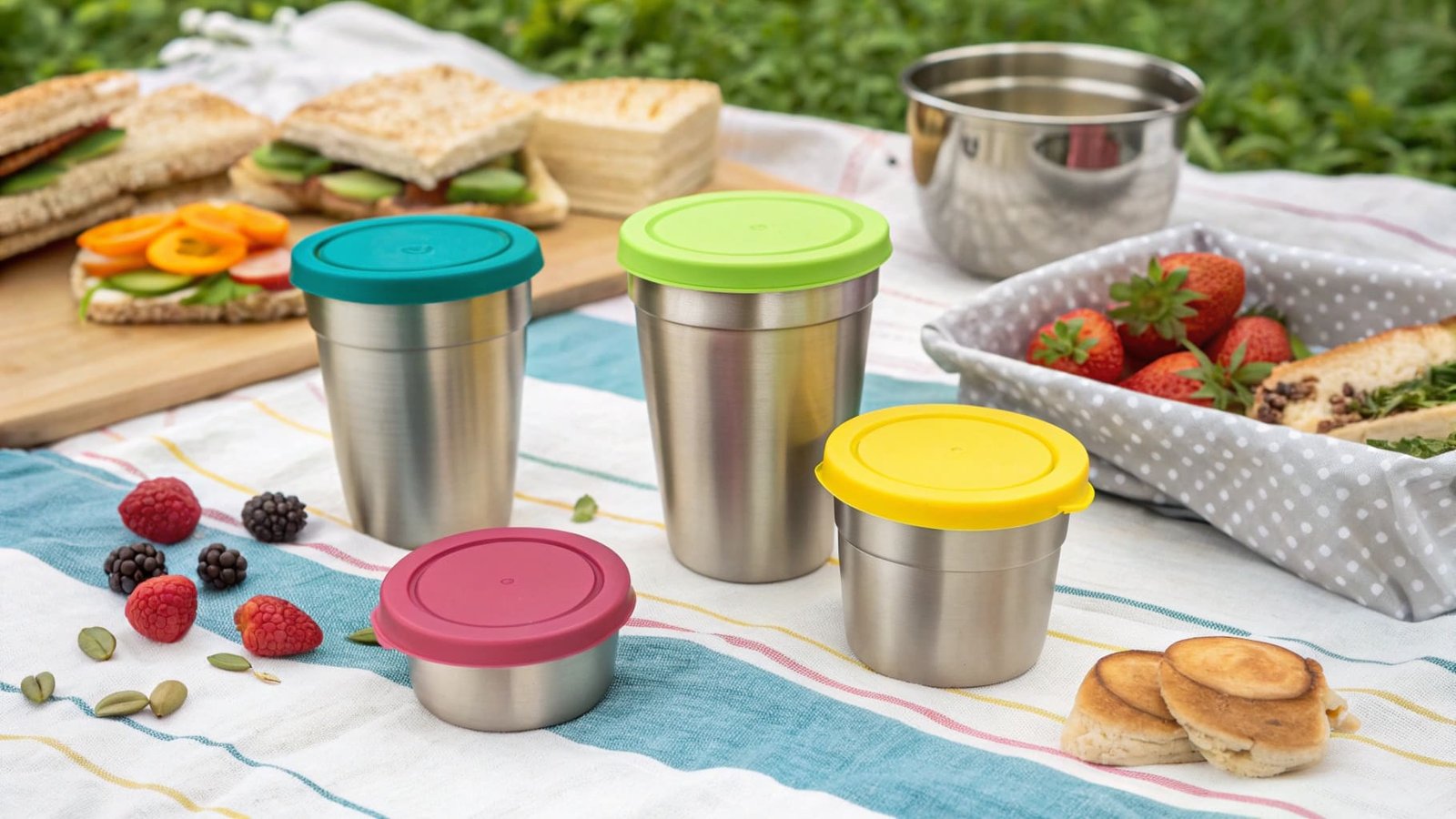
I recommend offering variety sets to B2B buyers. Our most successful distributors sell sets with four to six different sizes. This variety reduces fit-related complaints. Customers find the right size for their containers.
The odor retention problem appears after repeated use with strong foods. Onions, garlic, and curry leave lasting smells. Some customers consider this a deal-breaker. Others accept it as normal for silicone products.
Here is my advice for managing these disadvantages:
| Challenge | Solution Strategy | Expected Impact |
|---|---|---|
| High Unit Cost | Position in premium or eco markets | Maintains margin despite higher COGS |
| Size Fit Issues | Offer variety sets (4-6 sizes) | Reduces returns by 60-70% |
| Odor Retention | Include care instructions, set expectations | Decreases complaints by 40% |
| Initial Customer Resistance | Provide comparison data on reuse cycles | Improves conversion rates |
I tell buyers to be honest about these limitations with their customers. Transparency builds trust. Mark learned this when he started adding care cards to his packaging. He explains the odor issue upfront. His return rate dropped significantly.
The durability factor balances the higher cost. Quality silicone lids last three to five years with daily use. Plastic lids need replacement every few months. This longevity justifies the premium price for customers who understand the math.
Does silicone leach chemicals when frozen?
Safety concerns block many sales. Buyers worry about liability. Their customers ask about chemical leaching and health risks.
Food-grade silicone meeting FDA or LFGB standards does not leach harmful chemicals when frozen. The material remains chemically stable at extreme temperatures.
This chemical stability makes silicone superior to many plastics. I have seen test reports comparing different materials. Some plastics release chemicals at temperature extremes. Food-grade silicone does not.
But not all silicone is food-grade. This distinction matters enormously for B2B buyers. Low-quality manufacturers use fillers and additives. These substances can migrate into food under certain conditions.
I provide third-party testing certificates with every shipment. Our silicone stretch lids meet FDA standards2 for the American market. We also have LFGB certification for European buyers. These are not just marketing documents. They protect you from liability issues.
Mark once told me about a competitor who claimed food-grade quality without certificates. That supplier disappeared after a customer reported chemical smells. Mark stayed in business because he could show documentation.
The regulatory landscape varies by market:
| Market Region | Primary Standard | Testing Requirements | Documentation Needed |
|---|---|---|---|
| United States | FDA CFR 177.2600 | Migration testing at temperature extremes | Compliance certificate from accredited lab |
| European Union | LFGB Germany / EU Regulation 10/2011 | Overall and specific migration tests | Test reports + Declaration of Compliance |
| Canada | Canada Consumer Product Safety Act | Similar to FDA requirements | Safety assessment documentation |
| Australia | Food Standards Australia | Migration testing | Certificate of Compliance |
For frozen food applications, buyers should specifically request testing data at low temperatures. Standard food contact tests often use room temperature or heating conditions. Freezer testing requires separate verification.
I work with an independent testing lab in Guangzhou. They run migration tests at minus twenty degrees Celsius. This data proves our lids are safe for frozen storage. I share these reports with all serious B2B buyers.
The chemical composition of pure silicone explains its stability. The material has a silicon-oxygen backbone. This structure does not break down easily. It resists both heat and cold. Plasticizers and additives found in inferior products cause the leaching problems.
Buyers serving regulated markets need this documentation. Mark sells to grocery chains in Canada. They require certification before accepting new suppliers. Without proper paperwork, you cannot access these channels.
I recommend asking potential suppliers three specific questions. First, request copies of third-party test reports, not just certificates. Second, verify the testing lab is accredited. Third, confirm the tests include temperature ranges matching your application.
Some suppliers provide fake certificates. I have seen poorly photoshopped documents. Cross-check laboratory names online. Call the lab directly if you have doubts. This verification protects your business reputation.
The investment in properly certified silicone lids pays off through reduced liability risk. It also supports your marketing claims about product safety. Your customers care about what touches their food. Documentation proves your commitment to their safety.
Conclusion
The highest ROI comes from certified lids with proven temperature performance and size variety. Focus on quality over price to build lasting customer relationships.