Why Are Full Color Printing Options Important for Tumbler Sleeve Wholesalers?
I lost a major client last year because I couldn't explain color printing properly. He needed vibrant designs. I only offered basic two-color options. That mistake taught me everything about full color printing1 in this business.
Full color printing lets wholesalers create tumbler sleeves with photo-quality graphics using CMYK four-color process technology. This capability allows millions of color combinations that make brand logos and designs look vibrant and professional on silicone products.
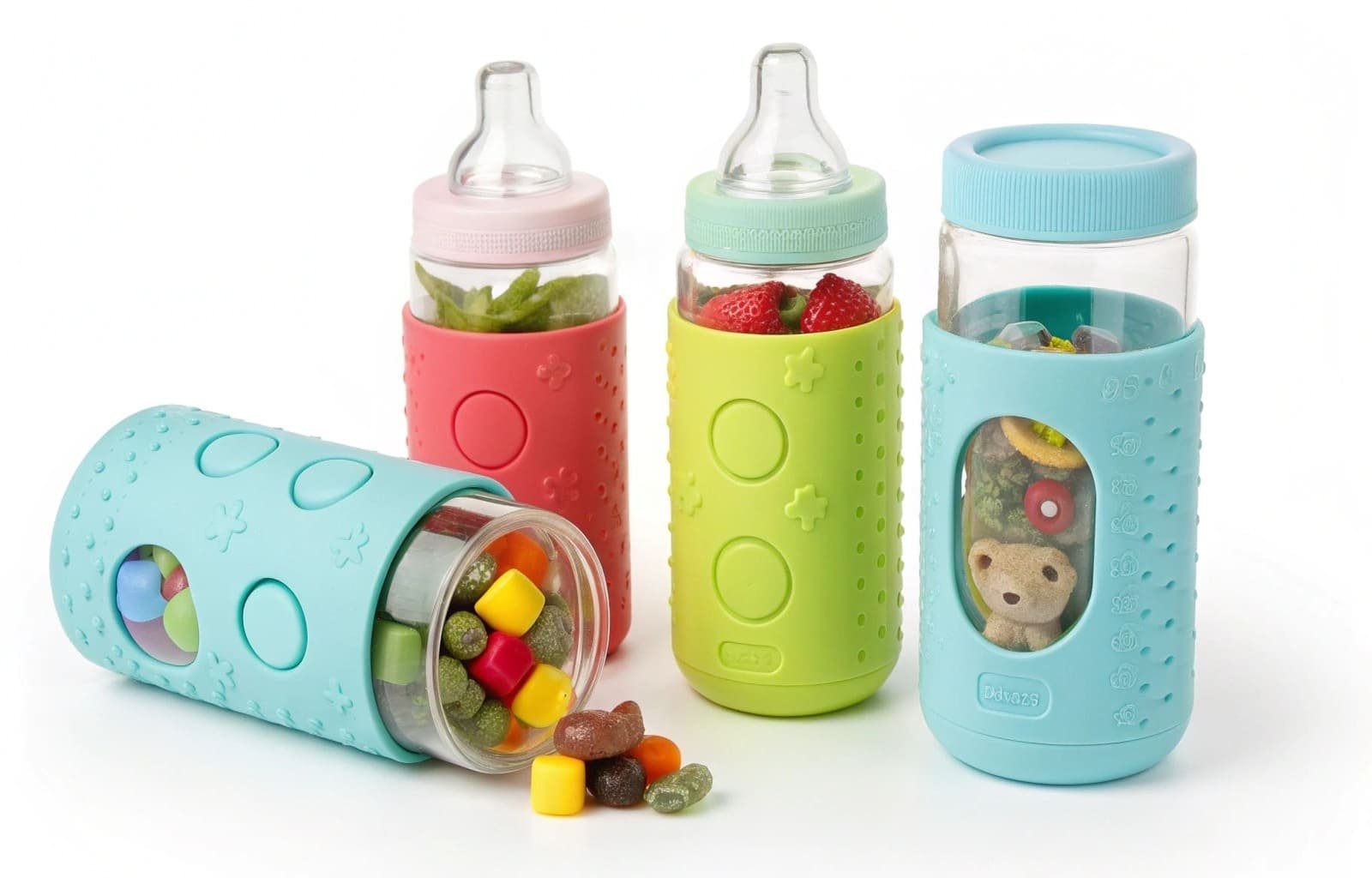
I learned this lesson the hard way when a Canadian distributor requested samples with his brand colors. The prints came out completely wrong. He cancelled the order. That day changed how I approach color printing for all my silicone tumbler sleeve orders.
What does full color printing mean?
Most wholesalers talk about full color printing but few explain what it actually means. Clients get confused. They waste money on wrong specifications. I see this problem every week in my business.
Full color printing uses four ink colors - Cyan, Magenta, Yellow, and Black (CMYK) - mixed in different ratios to create any color imaginable. This process reproduces photographs and complex graphics accurately on tumbler sleeves.
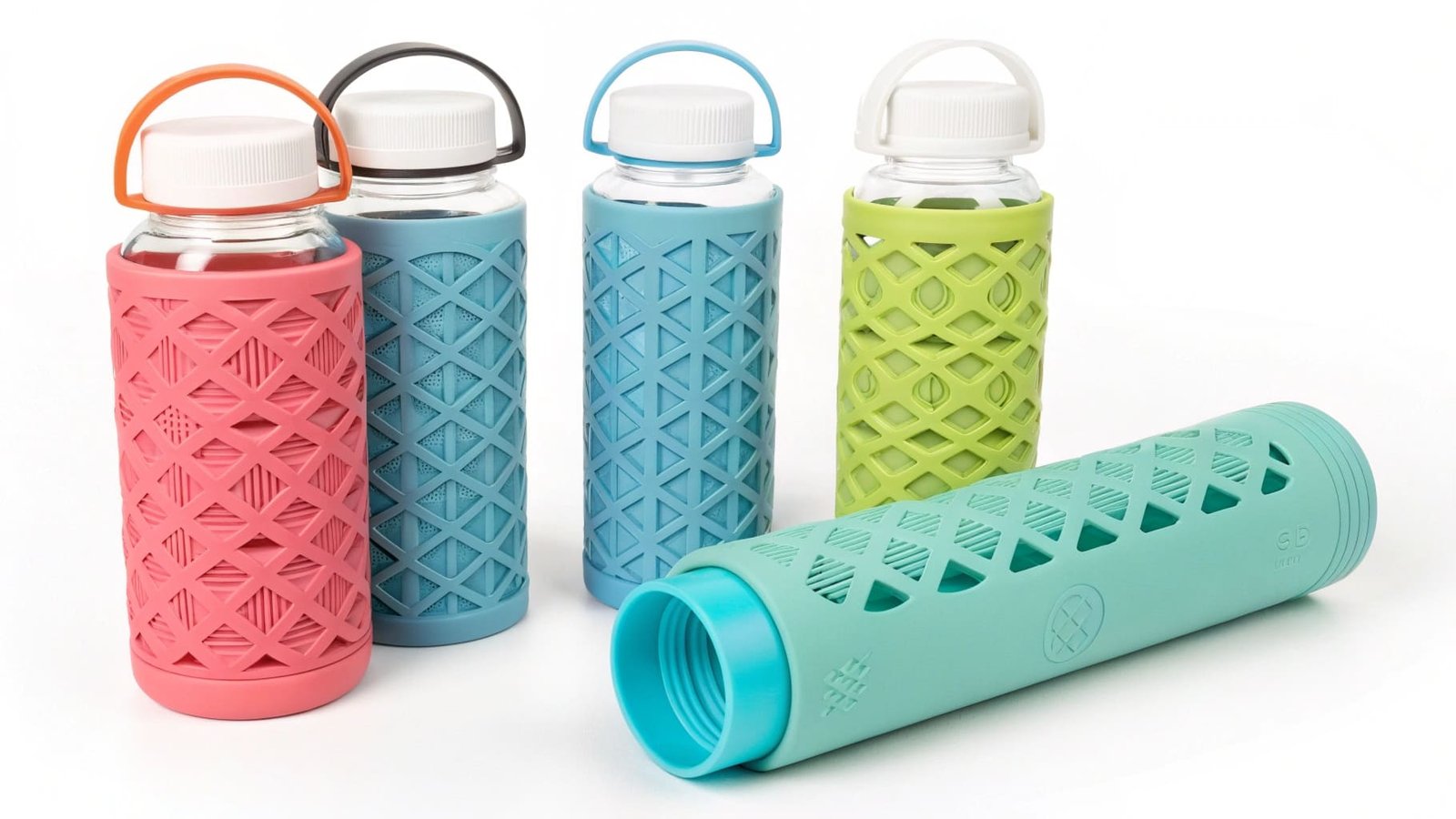
I remember when I first started exporting silicone tumbler boots to North America. A startup founder sent me a beautiful design file. The colors looked amazing on his screen. I sent it directly to production without checking the color mode. The printed sleeves arrived looking completely different. The bright blue logo turned muddy purple. The vibrant orange became dull brown.
That client taught me a valuable lesson. He explained that his designer created everything in RGB mode. RGB stands for Red, Green, Blue. Screens use this color system. But printers cannot use RGB directly. They need CMYK. When I converted his RGB file to CMYK without proper adjustment, the colors shifted dramatically.
Now I always check design files before production. CMYK creates colors by mixing cyan, magenta, yellow, and black inks in precise percentages. A pure cyan might be 100% cyan and 0% of other colors. A purple could be 70% cyan plus 50% magenta. The combinations create millions of possible colors. This flexibility makes CMYK perfect for complex brand designs on silicone sleeves.
Why is it important for a brand to use the correct color process when printing marketing materials?
I watch brands lose thousands of dollars because they ignore color process requirements2. Their marketing materials look inconsistent. Customers notice these mistakes. Brand trust suffers immediately.
Using the correct color process ensures brand colors stay consistent across all marketing materials including tumbler sleeves. Wrong color processes create mismatched prints that damage brand identity and waste production budgets on reprints.
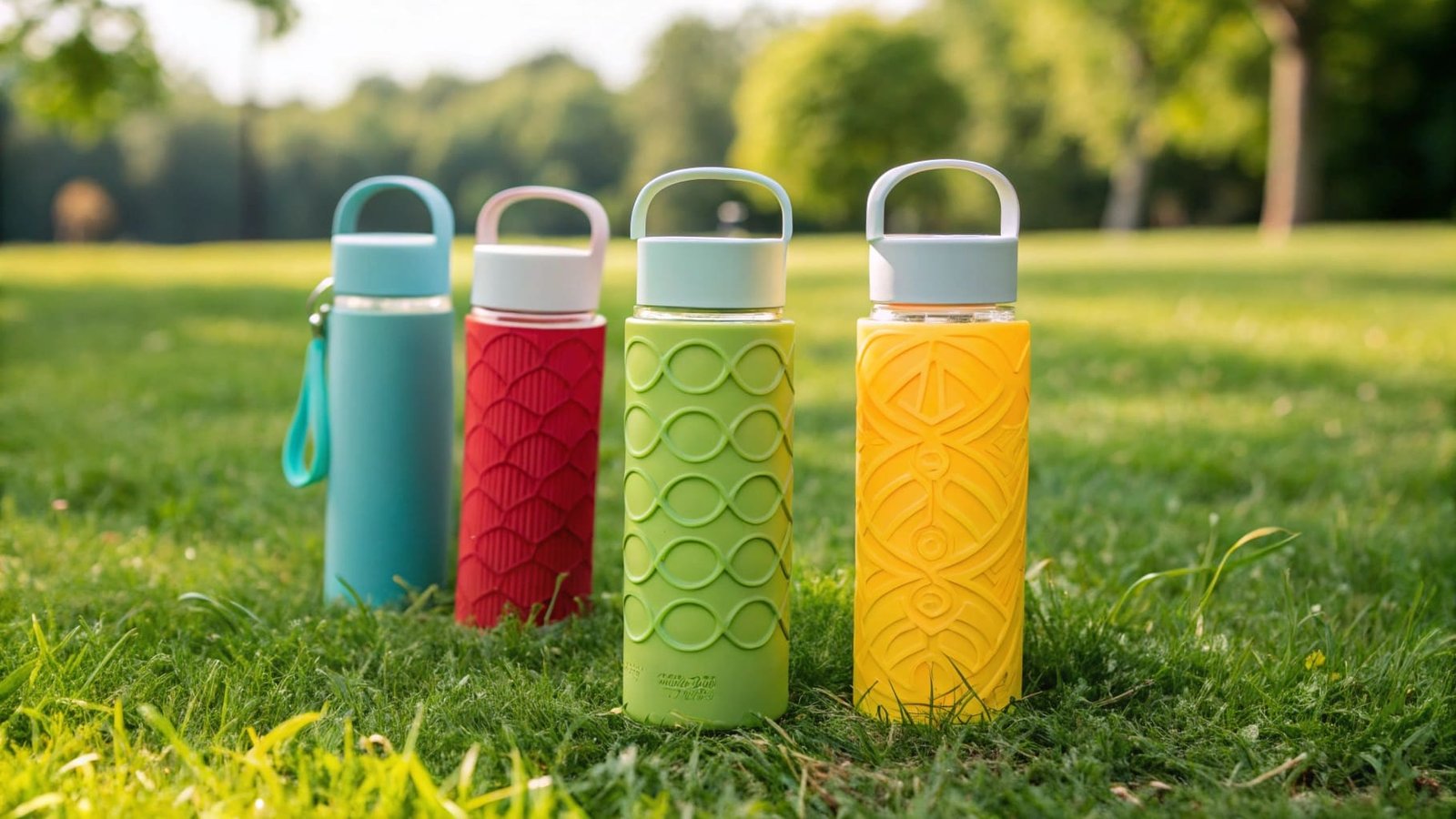
Last month, a procurement officer from a beverage company ordered 5,000 silicone cup sleeves. His brand guidelines specified exact Pantone colors3. He sent me RGB design files from his marketing team. I could have printed them directly and blamed any color problems on his files. But I learned better from past mistakes.
I contacted him immediately. I explained that his RGB files would not print correctly. He seemed frustrated at first. He said his designer assured him the files were production-ready. I asked him to check one thing. Could he find Pantone color codes in his brand guidelines?
He found them. PMS 286 for his blue. PMS 355 for his green. These Pantone codes are industry standards. Every printer worldwide recognizes them. I explained that CMYK can approximate most Pantone colors but some specific shades require special ink mixing.
His brand blue was one of those special cases. Standard CMYK printing would make it look slightly purple. He needed true Pantone ink mixing for accurate results. This discovery saved his order. The printed sleeves matched his brand perfectly. He became a repeat customer because I caught this issue early.
Brands invest heavily in their visual identity. A tumbler sleeve with wrong colors sends a message of carelessness. Customers associate that poor quality with the brand itself. I have seen companies lose retailer relationships because their branded accessories looked cheap due to color problems. The correct color process protects brand investment.
Which color mode is best for commercial printing?
Every wholesaler claims they offer the best printing. Few understand which color modes actually work for commercial production. This confusion costs distributors money and time on failed orders.
CMYK remains the industry standard for commercial printing on silicone tumbler sleeves4 because it works reliably with pad printing, screen printing, and heat transfer methods5. Pantone matching adds precision for brand-critical colors.
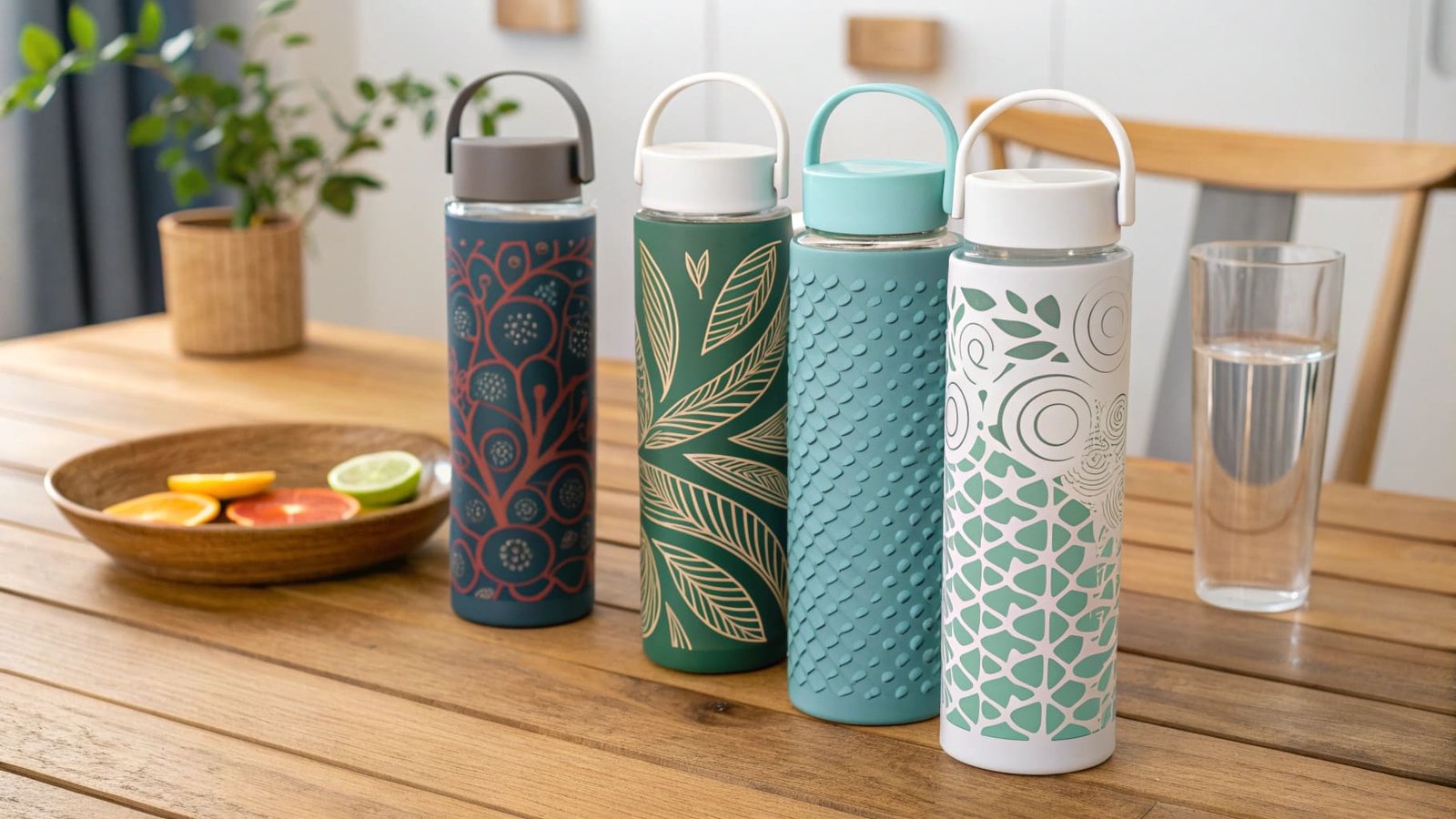
I tested different color modes over five years of manufacturing silicone products. Each mode has specific advantages. RGB looks brilliant on screens. It uses light to create colors. Monitors can display very bright, saturated colors with RGB. But printing uses ink, not light. Ink absorbs light rather than emitting it. This fundamental difference makes RGB impossible for physical printing.
CMYK works for most commercial printing needs on silicone materials. Our pad printing equipment uses CMYK inks. Our screen printing setup uses CMYK. Heat transfer processes use CMYK. This consistency makes CMYK reliable across different production methods. A design file in CMYK will print predictably regardless of which printing technique we choose.
But CMYK has limitations. It cannot reproduce certain vivid colors. Bright oranges often look slightly muted. Some blues turn somewhat gray. Metallic colors are impossible with standard CMYK. This is where Pantone colors become important.
Pantone uses pre-mixed inks. Instead of combining four colors, Pantone prints each color with a specially mixed ink. This approach creates more accurate, vivid colors. Many international brands specify Pantone colors in their guidelines. When a client needs exact color matching, I recommend Pantone options despite the higher cost.
I maintain both capabilities in my factory. Standard orders use CMYK for cost efficiency. Premium brand orders use Pantone mixing for color accuracy. This flexibility lets me serve both price-sensitive startups and quality-focused corporate clients. The key is explaining these options clearly so wholesalers choose the right mode for their specific needs.
Conclusion
Full color printing capabilities separate professional tumbler sleeve wholesalers from basic suppliers. Master color processes. Serve brand-conscious clients better. Avoid costly mistakes that damage business relationships.
-
Understanding full color printing can enhance your marketing strategies and improve product quality. ↩
-
Learn about color process requirements to avoid costly mistakes in your printing projects. ↩
-
Learn about Pantone colors to achieve precise color matching for your brand. ↩
-
Discover the benefits of silicone tumbler sleeves and the printing techniques used for them. ↩
-
Understanding heat transfer methods can help you choose the right printing technique for your products. ↩