Why Are Tumbler Sleeve with Bag Combos Trending in B2B Markets?
Last month, three different buyers asked me the same question during supplier negotiations. They all wanted combo packages instead of standalone sleeves. Something has changed in B2B purchasing behavior.
Tumbler sleeve with bag combos are trending because B2B buyers need complete solutions, not single products. These combos solve multiple problems at once: protection during shipping, enhanced customer experience, and higher perceived value. They also simplify inventory management and improve profit margins through premium positioning.
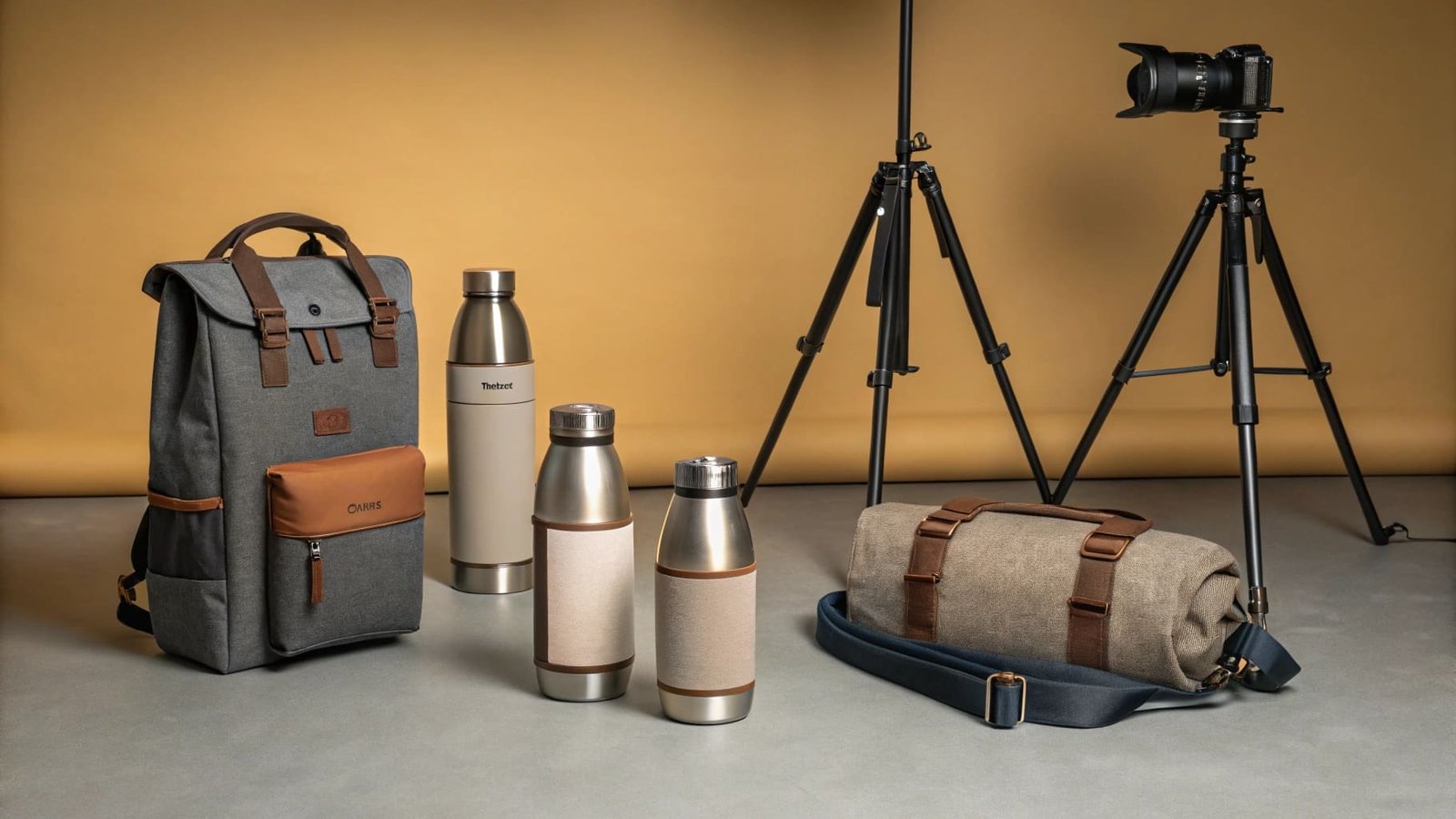
I started noticing this shift about 18 months ago. Buyers stopped asking for just silicone tumbler boots1 or just carrying bags. They wanted both, packaged together, ready to sell. This tells me something important about how B2B markets work now. Buyers think in ecosystems, not individual items. They want solutions that make their lives easier and their customers happier. Let me walk you through what's really happening here.
What is the use of a tumbler holder?
My client Mark once told me he didn't understand why anyone would pay extra for a tumbler holder. His customers just wanted cheap drinkware. Then he lost a major order to a competitor who included silicone boots.
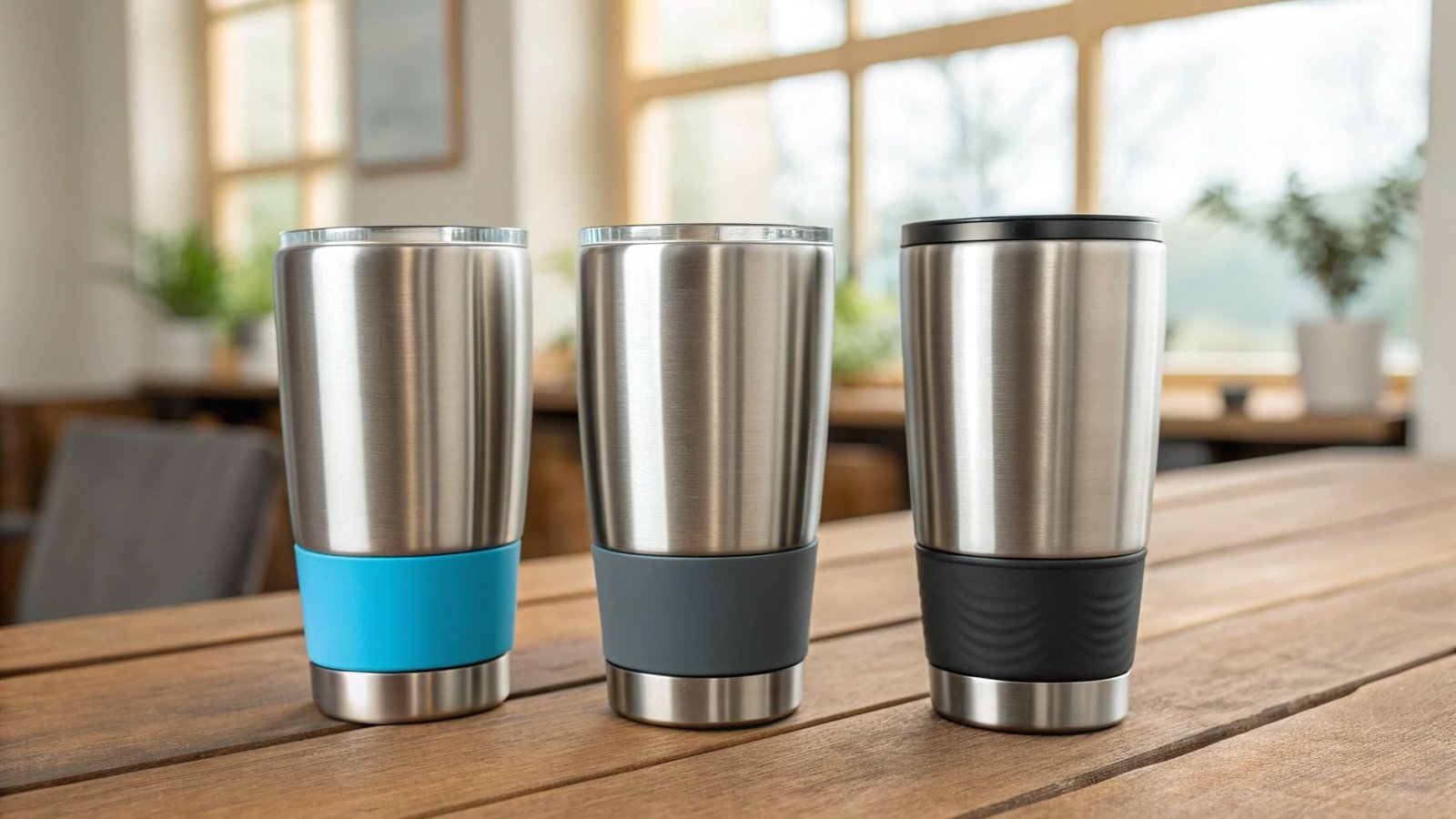
A tumbler holder serves three main purposes: it insulates your hands from extreme temperatures, prevents the tumbler from slipping, and protects surfaces from scratches. These holders also create branding space and enhance the overall product appearance. Most importantly, they prevent damage during shipping and daily use.
The Real Value Behind Tumbler Holders
I remember when Mark called me after losing that order. He was frustrated. He asked me to explain what made tumbler holders so valuable. I told him what I tell all my clients: tumbler holders are not accessories, they are essential components.
Here's what I've learned from working with hundreds of B2B buyers:
Protection Function
Silicone tumbler boots absorb impact. When a stainless steel tumbler falls, the boot cushions the blow. This matters during shipping. It matters when customers drop their drinks. I've seen damage rates drop by 60-70% when proper boots are used. For B2B buyers importing thousands of units, this protection translates directly into reduced returns and warranty claims.
Thermal Management
The insulation works both ways. Hot drinks stay hot, cold drinks stay cold, and most importantly, hands stay comfortable. I tested this myself. A 40-ounce tumbler filled with ice water, no boot, creates condensation that makes it slippery. Add a silicone boot, and the grip improves dramatically. The material also prevents that uncomfortable cold feeling on your palm.
Brand Enhancement
Every tumbler holder I manufacture becomes a branding opportunity. Custom colors match brand guidelines. Embossed logos create tactile recognition. Textured patterns improve grip while adding visual interest. For B2B buyers selling to retail, this branding space is valuable real estate.
| Function | Customer Benefit | B2B Value |
|---|---|---|
| Impact Protection | Reduced breakage | Lower return rates |
| Thermal Insulation | Comfortable handling | Enhanced user experience |
| Surface Protection | No scratches on tables | Premium positioning |
| Grip Enhancement | Secure hold | Safety compliance |
| Branding Space | Visual identity | Marketing tool |
What is a cup sleeve called?
I get confused emails about this all the time. Buyers search for "cup sleeve," "tumbler sleeve," "bottle boot," and "drinkware protector." They all mean similar things. This naming confusion creates real problems in B2B sourcing.
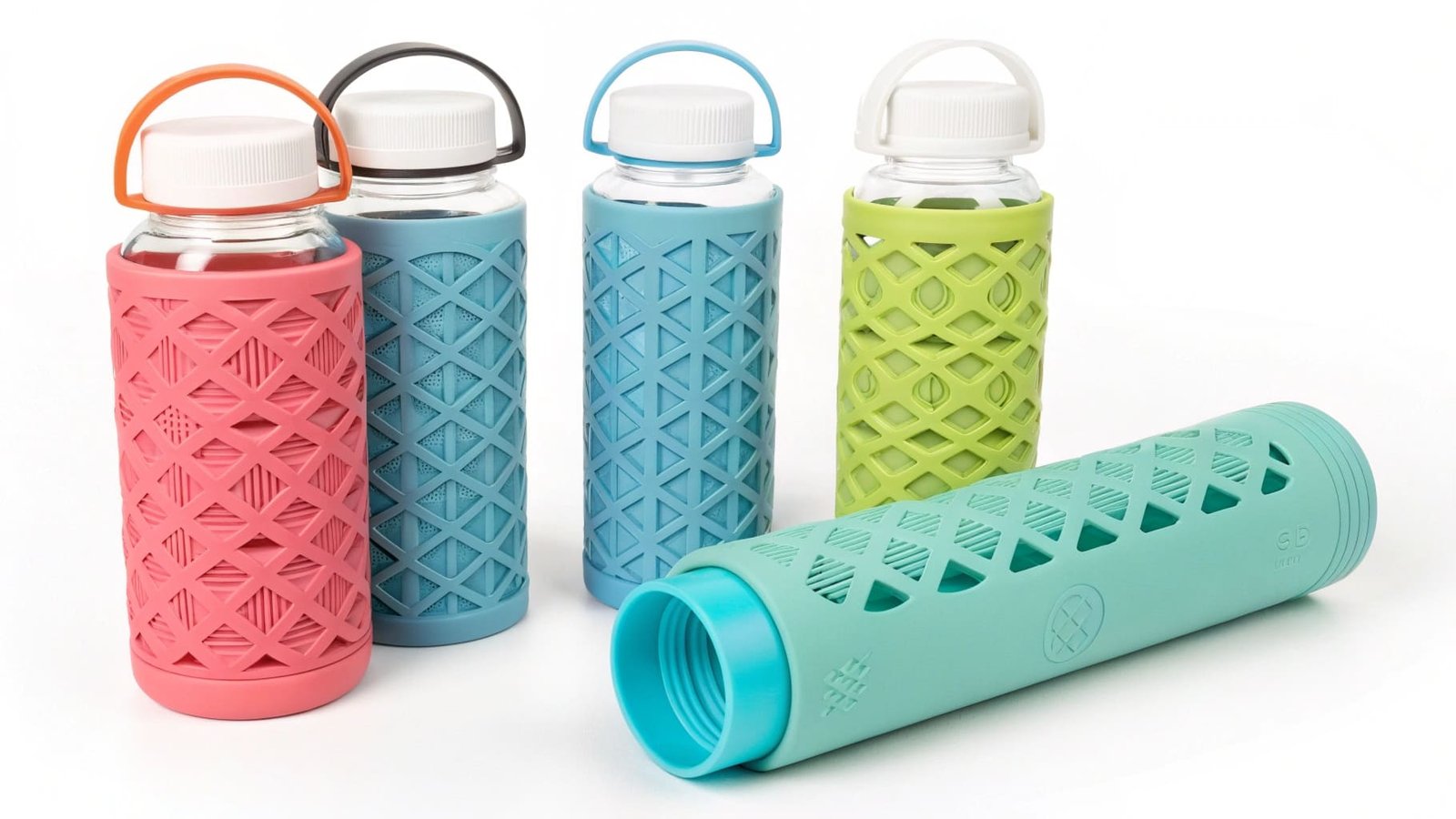
Cup sleeves have many names: tumbler sleeves, bottle boots, cup holders, drinkware protectors, or thermal sleeves. The term varies by region and product category. In B2B markets, "tumbler sleeve" and "silicone boot" are most common for reusable products, while "cup sleeve" often refers to disposable cardboard versions.
Understanding the Terminology Landscape
This naming confusion isn't just semantic. It affects how buyers find suppliers and how suppliers optimize their product listings. I learned this the hard way.
Regional Variations
North American buyers typically search for "tumbler sleeve" or "cup sleeve." European buyers often use "bottle protector" or "thermal sleeve." In my experience with Canadian buyers like Mark, they prefer straightforward terms: "silicone tumbler boot" or "protective sleeve." These regional preferences matter for online visibility and communication clarity.
Material-Based Names
The material often determines the name. Silicone products are called "silicone boots" or "silicone sleeves." Neoprene products become "neoprene holders" or "neoprene wraps." Cardboard versions are simply "cup sleeves" or "coffee sleeves." This material specificity helps B2B buyers find exactly what they need.
Function-Based Terms
Some buyers search by function rather than product type. They look for "insulated holder" when they want thermal protection. They search "anti-slip sleeve" when grip is the priority. They type "protective boot" when damage prevention matters most. Understanding these functional search terms helps me serve buyers better.
Here's the terminology breakdown I share with new clients:
| Term | Common Usage | Market Segment |
|---|---|---|
| Cup Sleeve | Disposable cardboard | Coffee shops, QSR |
| Tumbler Sleeve | Reusable silicone/neoprene | Retail drinkware |
| Bottle Boot | Bottom protection | Hydration products |
| Thermal Sleeve | Temperature focus | Insulated products |
| Drinkware Protector | General purpose | Multi-category |
What's the cardboard sleeve on a coffee cup?
A buyer once asked me why we should bother with silicone sleeves when cardboard works fine. I asked him how many times he reused a cardboard sleeve. He got quiet. That silence told me everything.
The cardboard sleeve on a coffee cup is called a "coffee clutch" or "cup sleeve." Coffee shops introduced it in the 1990s to prevent burns from hot paper cups. It's a simple, disposable solution made from corrugated cardboard that provides basic thermal insulation and grip.
Why B2B Markets Are Moving Beyond Cardboard
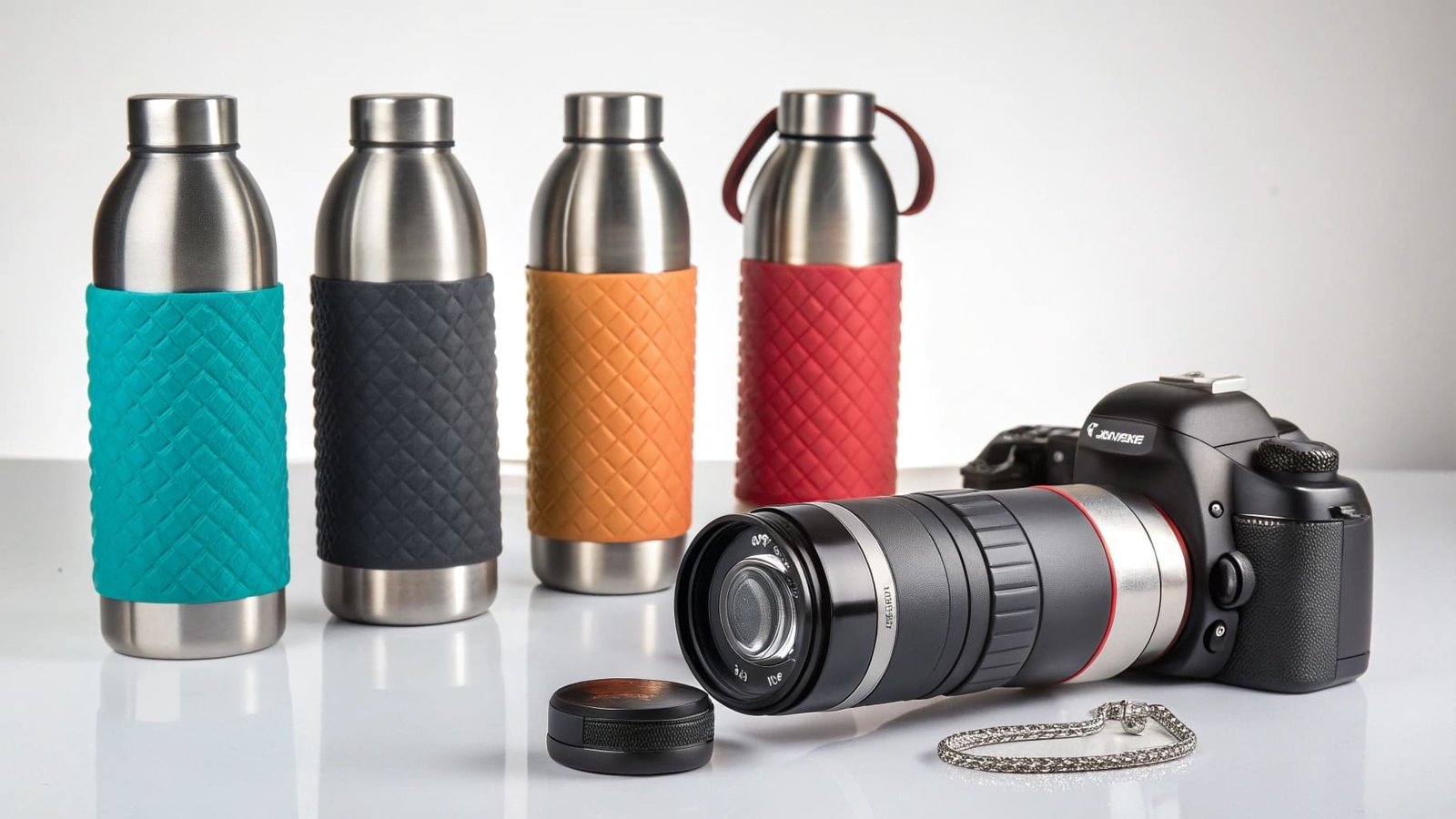
The cardboard sleeve served its purpose well. But B2B markets now demand more. I see this shift every day in my customer conversations. The reasons go beyond simple functionality.
Sustainability Pressures
Buyers in Europe and North America face intense pressure to reduce single-use items. Mark told me his major retail clients now require sustainability certifications. They want products that customers will use repeatedly. Cardboard sleeves don't meet this standard. They get used once, maybe twice, then discarded. Silicone sleeves last years. This durability aligns with corporate ESG commitments and consumer environmental preferences.
Economic Logic
The math matters in B2B decisions. A cardboard sleeve costs $0.10-0.15 per unit at volume. It provides one use. A silicone sleeve costs $0.80-1.50 but provides hundreds of uses. For B2B buyers selling premium drinkware, the silicone option makes more sense. It enhances perceived value and justifies higher retail prices. I've seen buyers increase their product price by $8-12 simply by switching from cardboard to silicone sleeves.
Customization Limitations
Cardboard sleeves offer limited branding options. You can print on them, but the material restricts color vibrancy and design complexity. Silicone sleeves accept multiple decoration methods: screen printing, debossing, embossing, laser engraving. They come in any Pantone color. They can incorporate multiple textures and patterns. For B2B buyers building brand recognition, these customization options2 are valuable.
Functional Comparison
Let me be honest about what I tell buyers comparing these options:
| Feature | Cardboard Sleeve | Silicone Sleeve |
|---|---|---|
| Thermal Protection | Basic | Excellent |
| Durability | Single use | Multi-year |
| Grip Enhancement | Minimal | Superior |
| Customization | Limited printing | Full color, texture, embossing |
| Cost per Use | High over time | Low over time |
| Environmental Impact | Disposable waste | Reusable, recyclable |
| Shipping Weight | Light | Heavier |
| Storage Space | Minimal | Moderate |
The Combo Format Advantage
Here's where the market trend becomes clear. When buyers package silicone sleeves with carrying bags, they create a complete product system. The bag protects the tumbler during transport. The sleeve protects it during use. Together, they address every customer concern from purchase to daily use. This completeness drives the B2B trend I see accelerating.
I had a conversation last quarter with a startup founder in California. She wanted to launch a premium tumbler brand. She asked whether she should offer sleeves separately or as part of a combo. I showed her the data from my other clients. Combo packages consistently achieve 30-40% higher perceived value than separate components. They also reduce customer decision fatigue. One SKU, one purchase decision, complete solution.
Market Forces Driving Change
Three forces push B2B buyers away from cardboard and toward silicone combos. First, regulatory pressure in developed markets increasingly restricts single-use items. Second, corporate buyers now require sustainability credentials in procurement specifications. Third, end consumers actively prefer reusable products and will pay premium prices for them. These forces align, creating strong market momentum toward durable sleeve solutions packaged with complementary carrying bags.
The cardboard sleeve had its moment. That moment has passed in B2B markets focused on premium positioning, sustainability compliance, and enhanced customer experience. I still manufacture products for quick-service restaurants that need disposable solutions. But the growth, the innovation, and the buyer interest have all moved to reusable materials packaged as complete systems.
Conclusion
Tumbler sleeve with bag combos succeed because they solve real problems for B2B buyers and their customers. They simplify logistics, enhance presentation, and deliver sustainability credentials. The trend reflects fundamental shifts in B2B purchasing priorities.