Why Do B2B Buyers Prefer Custom Silicone Boots for Private Label Lines?
I talk to buyers like Mark every week. They all share the same problem. Generic products make it impossible to stand out. Price wars destroy margins. Custom silicone boots solve both issues at once.
B2B buyers choose custom silicone boots1 for private labels because these products create brand differentiation while meeting proven market demand. The customization prevents direct price comparisons, and the material offers durability and waterproofing that consumers actually value.
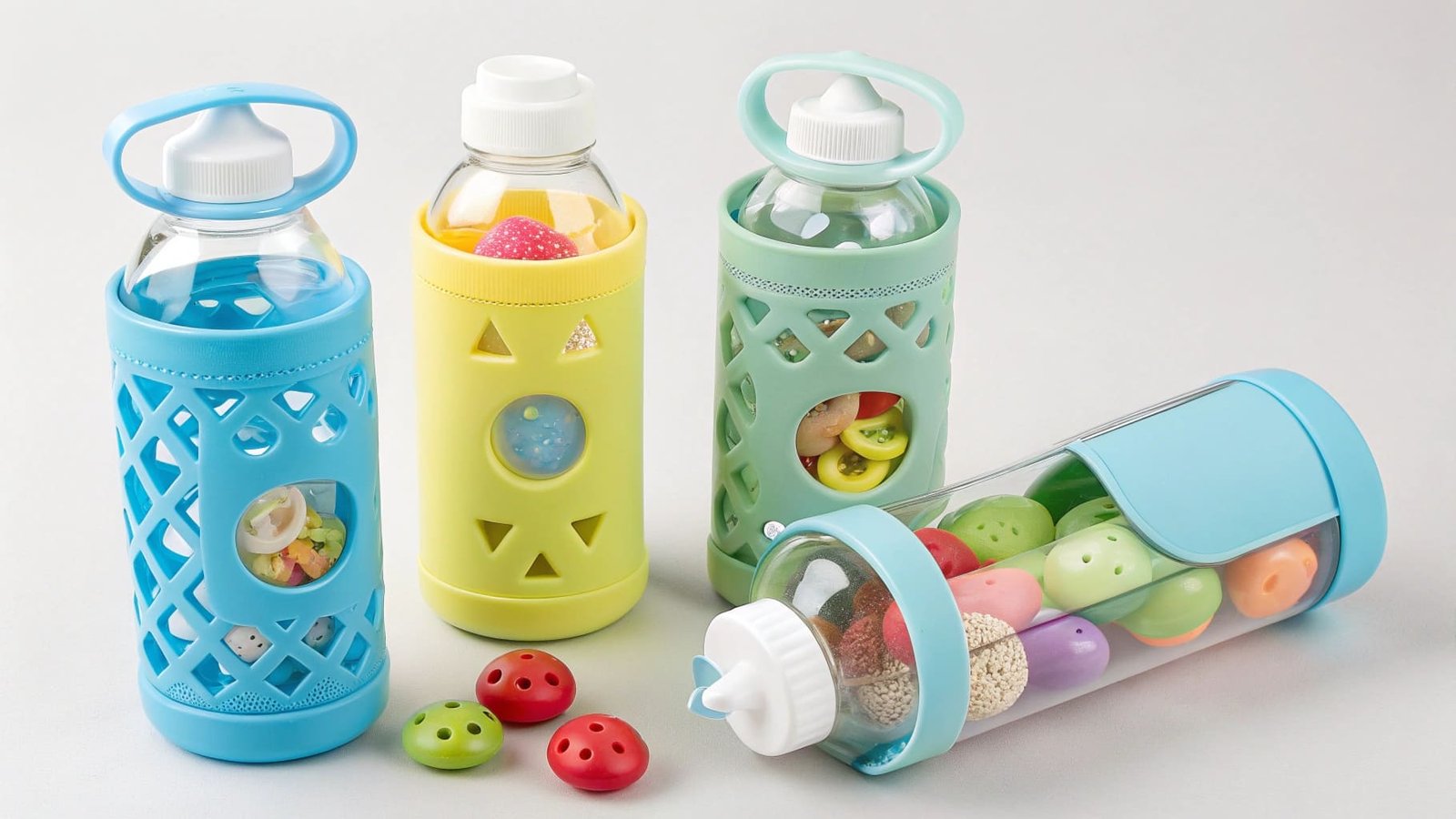
I remember when Mark first contacted me. He was frustrated with his existing silicone tumbler boot supplier. The products looked identical to what his competitors sold. Customers could find the exact same item for less money online. He needed something different. That conversation changed how I think about private label products. The buyers who succeed are the ones who understand that customization is not just about putting a logo on a generic product. It is about creating something that truly belongs to your brand.
Are private-label products profitable?
I meet buyers who worry about profit margins. They have been burned before by low-quality suppliers. They wonder if the extra cost of customization makes sense. The numbers tell a clear story.
Private label silicone boots typically deliver profit margins between 30-50%, which beats branded resale margins of 15-25%. The key is finding the right balance between minimum order quantities, product differentiation, and consistent quality from your manufacturing partner.
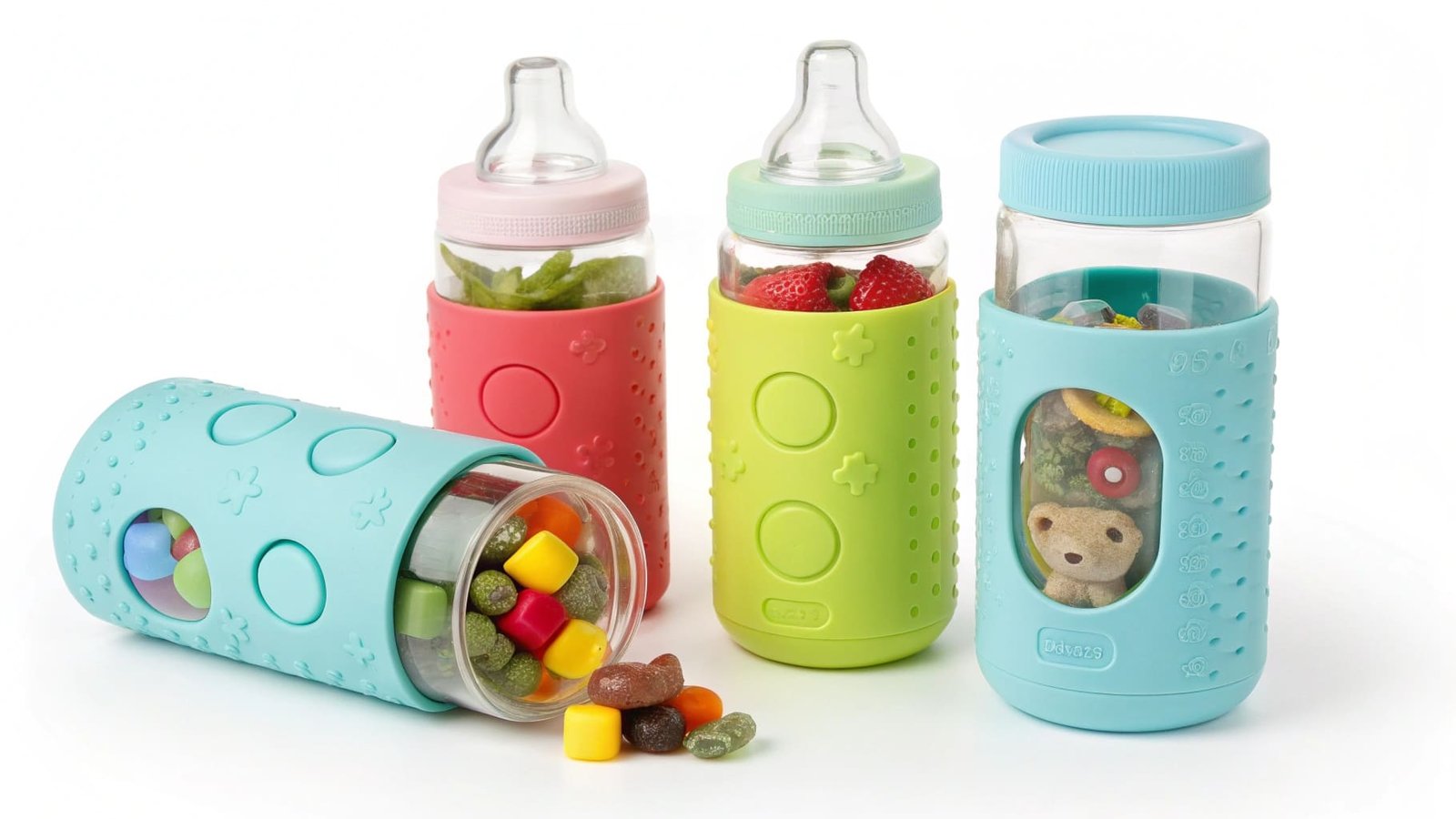
The Real Numbers Behind Private Label Profitability
I pulled data from my existing clients to show you what works. The profit equation depends on three main factors. First is your minimum order quantity. You need to match this with your actual sales velocity. Buying 5,000 pairs when you can only sell 500 per quarter kills cash flow. Second is product differentiation. If your boots look exactly like twenty other brands, you will compete on price alone. Third is manufacturing consistency. One bad batch can wipe out months of profit through returns and reputation damage.
Let me break down a typical scenario. You buy custom silicone boots at $2.50 per pair with a 1,000-pair minimum order. Your total investment is $2,500 plus shipping. You sell these at $7.99 retail. After marketplace fees and shipping costs, you net around $5.00 per unit. Your gross profit is $2.50 per pair or 50% margin. Compare this to reselling branded boots where you might pay $4.00 and sell for $6.99, netting maybe $1.50 after fees.
| Cost Factor | Private Label | Branded Resale |
|---|---|---|
| Unit Cost | $2.50 | $4.00 |
| Selling Price | $7.99 | $6.99 |
| Net After Fees | $5.00 | $4.50 |
| Gross Profit | $2.50 | $0.50 |
| Margin | 50% | 11% |
The silicone material2 itself helps profitability. Raw material costs stay relatively stable compared to leather or synthetic fabrics. The products last for years, which means lower return rates. Customers who buy quality silicone boots become repeat buyers for other items in your line.
Why Some Private Labels Fail
I have seen buyers lose money on private label products. The common mistakes are predictable. They choose the cheapest manufacturer without checking quality. They order too many units of unproven designs. They skip market testing and jump straight to full production. They ignore seasonality and get stuck with winter boots in July.
The successful buyers do the opposite. They start small with proven bestsellers. They test one or two colors before expanding. They build relationships with manufacturers who understand their market. They plan inventory based on actual data, not hopeful projections.
Is a private-label owned by a manufacturer?
I get this question from new buyers all the time. They see manufacturers offering "ready-made private label products" and assume the manufacturer owns the brand. This confusion causes serious problems down the road. You need to understand who owns what.
The buyer owns the private label brand, not the manufacturer. The manufacturer is your production partner. You control the brand name, packaging design, and market positioning. The manufacturer simply produces according to your specifications.
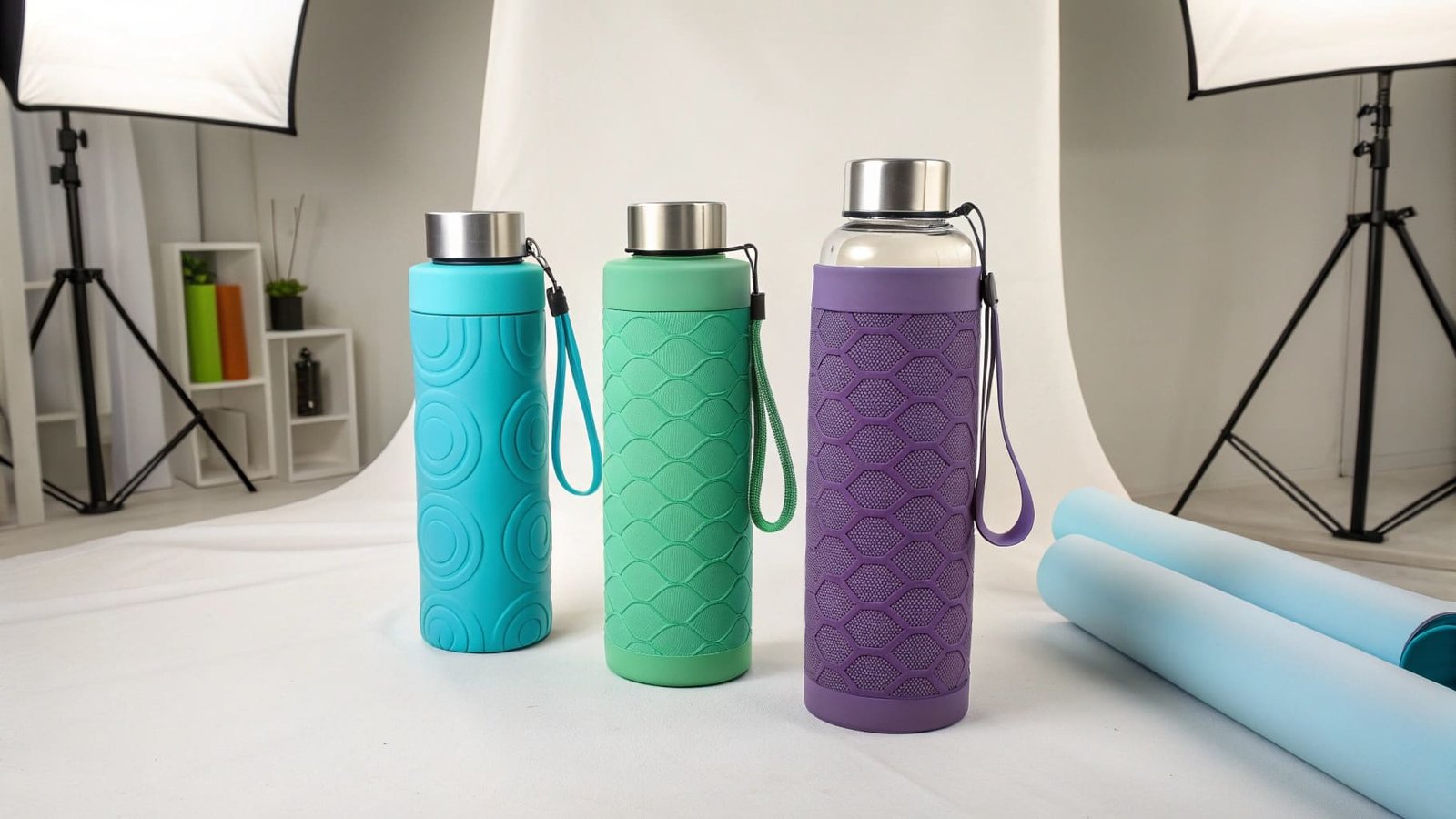
Legal Ownership and Protection
I always tell buyers to get this right from the start. Your manufacturing agreement should clearly state ownership. You own the brand. You own the product designs. You own any custom molds3 or tooling you pay for. The manufacturer owns the factory and production process.
This matters when you scale. Last year I worked with a buyer who had grown his brand to significant volume. He wanted to switch manufacturers for better pricing. His original manufacturer claimed ownership of the mold design because the contract was unclear. The dispute cost him three months of sales and legal fees.
Smart buyers include specific clauses in their agreements. Exclusivity within your geographic market prevents the manufacturer from selling identical products to your competitors. Intellectual property protections cover any unique design elements you develop. Clear ownership statements for custom molds ensure you can take your business elsewhere if needed.
The Reality of Manufacturing Relationships
I manufacture for dozens of private label brands. Each one is different. Some buyers just want a basic boot with their logo. Others develop completely custom designs with unique features. The level of customization affects the relationship dynamics.
When you develop a truly custom silicone boot with unique mold designs, you invest more upfront. Mold costs range from $800 to $2,500 depending on complexity. That investment belongs to you. I keep the mold in my facility, but you own it. If you leave, the mold goes with you or I destroy it.
What is a drawback of selling private label merchandise?
I watch buyers struggle with this decision. Private label offers great margins but comes with real risks. Mark spent weeks analyzing his options before committing. The biggest concern is always the same. You have to buy inventory before you know if it will sell.
The main drawback is inventory risk and upfront commitment. Most silicone manufacturers require 500-1,000 pairs minimum per style and color. You invest $3,000-8,000 before proving market fit. Custom mold development adds another $800-2,500 in tooling costs for unique designs.
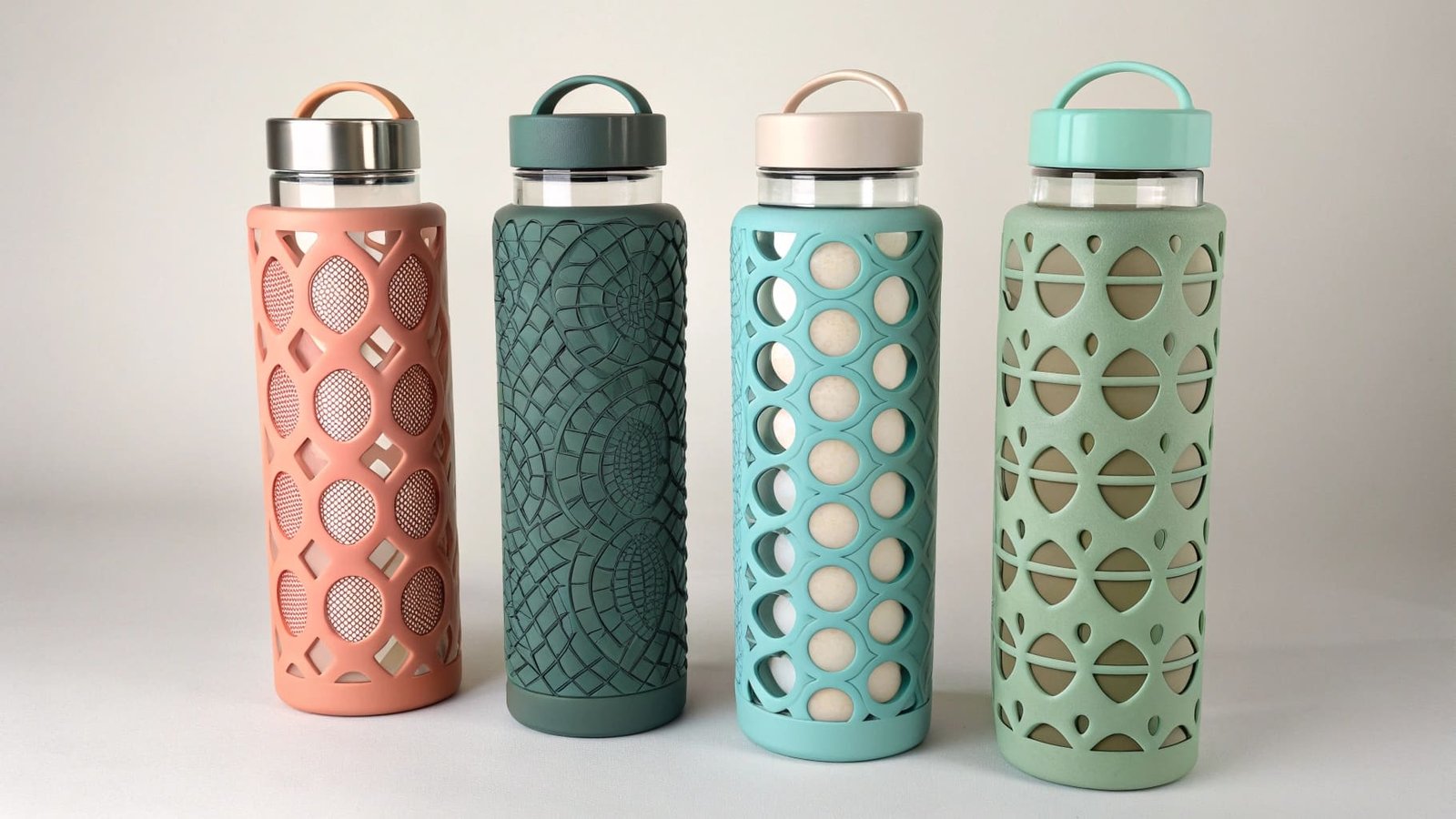
Breaking Down the Investment Risk
I help buyers understand the real numbers. A basic order looks like this. You want custom silicone boots in three colors. The manufacturer requires 500 pairs per color for custom branding. That is 1,500 pairs total at $2.50 each. Your inventory investment is $3,750 plus shipping. If you want a completely unique mold design, add $1,500 for tooling. Your total upfront cost is $5,250.
Now compare this to dropshipping or small-batch orders. With dropshipping, you pay zero upfront. With small-batch orders from manufacturers who allow them, you might test with 50-100 pairs. The private label commitment is significantly higher.
The risk multiplies with style and color variations. Each new color combination usually requires the same minimum order quantity. Want to test five colors? You are now committing to 2,500 pairs. Add two different styles? You are at 5,000 pairs or more.
| Approach | Minimum Investment | Risk Level | Margin Potential |
|---|---|---|---|
| Dropshipping | $0 | Very Low | 10-15% |
| Small Batch | $250-500 | Low | 20-25% |
| Private Label | $3,000-8,000 | High | 40-50% |
How Smart Buyers Reduce Risk
I share what works. Start with proven bestselling styles in neutral colors. Black, gray, and clear silicone boots sell year-round across markets. These are safe bets for your first order. Test market response before expanding into seasonal colors or trend-driven designs.
Use pre-orders or crowdfunding to validate demand before manufacturing. I have seen buyers launch Kickstarter campaigns with product mockups. They collect orders first, then place the manufacturing order with confirmed demand. This approach eliminates most inventory risk.
Build relationships with manufacturers who understand your position. Some manufacturers will work with you on payment terms for repeat orders. Others offer sample services where you can test market response with smaller quantities before committing to full production runs. I work with established buyers on net-30 terms after they prove themselves with initial orders.
Another strategy is starting with lower-commitment products first. Silicone tumbler boots require less tooling investment than custom-molded boot designs. Test the market with these simpler products. Build your sales channels and customer base. Then move into higher-investment custom products when you have proven demand.
The Cash Flow Challenge
I talk to buyers about cash flow constantly. Private label ties up money in inventory. You order $5,000 worth of products in January. They arrive in March. You sell them through over the next six months. Your money is locked up for half a year or more.
This creates problems if you are bootstrapping. Every dollar in inventory is a dollar you cannot use for marketing or other products. You need enough working capital to cover both inventory and operating expenses during the sales period.
Seasonal timing makes this worse. Order winter boots in May for delivery in July. You start selling in September when weather cools. Your investment is tied up for four months before revenue starts flowing. If you miscalculate demand, you are stuck with inventory until next season.
Conclusion
Custom silicone boots offer B2B buyers strong margins and brand differentiation. The upfront investment and inventory risk are real challenges. Success requires careful planning, market testing, and the right manufacturing partner.