Why Do B2B Buyers Prioritize Shore Hardness in Silicone Gasket Selection?
I see procurement officers reject perfectly good silicone gaskets every week. The reason is always the same. Wrong shore hardness1. It costs them thousands in failed seals.
Shore hardness determines if your silicone gasket2 will seal properly or fail under pressure. The right hardness value prevents leaks and extends gasket life. Most general-purpose applications need 50A to 70A range for optimal performance.
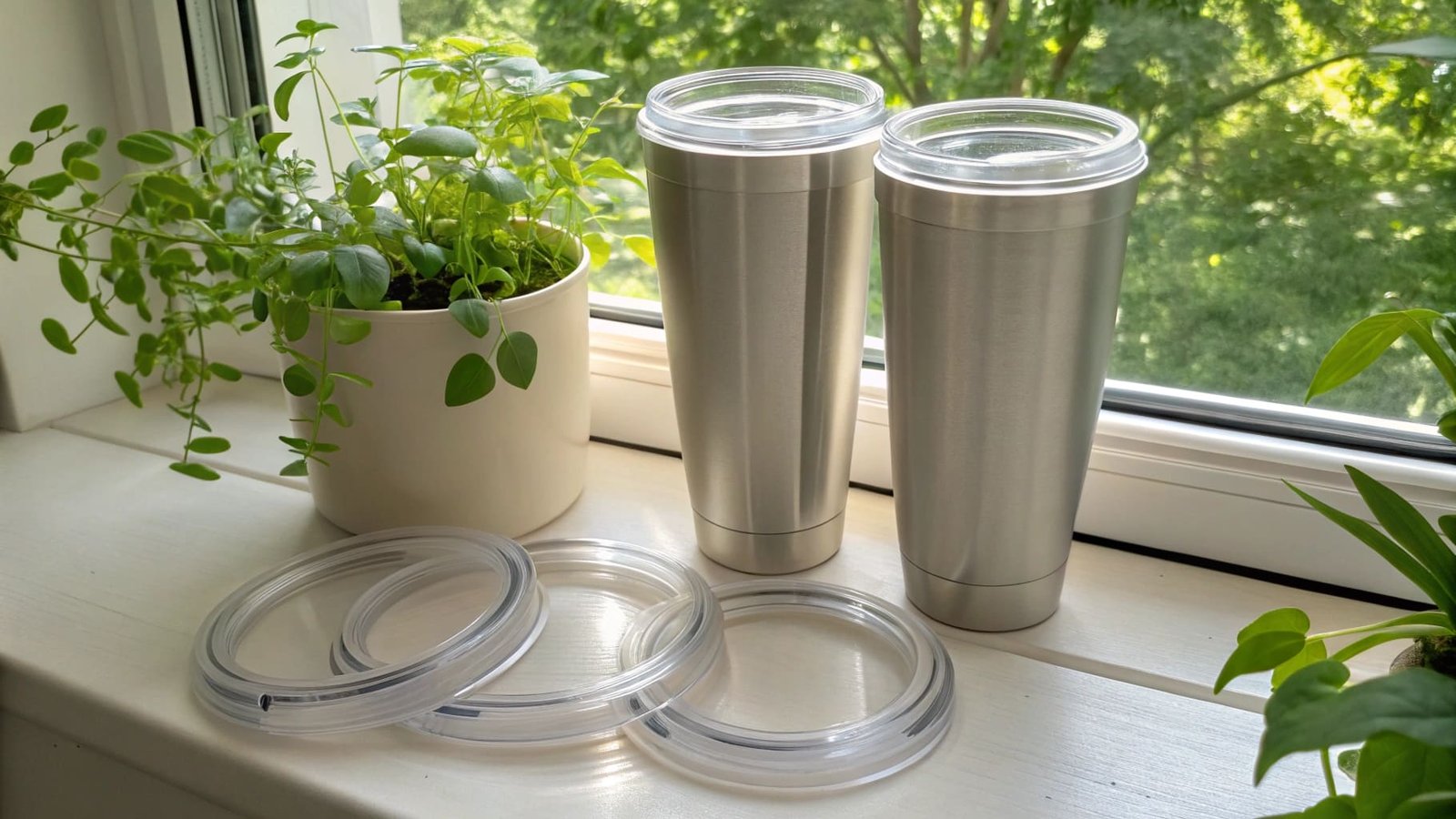
I remember my first major deal with a Canadian buyer. He ordered 10,000 silicone tumbler boots without specifying hardness. The boots arrived too soft. They couldn't hold their shape under normal use. He lost his entire peak season because of this mistake. That experience taught me why B2B buyers must understand shore hardness before placing orders.
What is the hardness of silicone gaskets on the shore?
Your silicone gasket hardness reading tells you how much pressure it takes to indent the material. This number predicts sealing performance. Get it wrong and you get leaks.
Silicone gaskets typically measure between 30A and 80A on the Shore A scale. The A scale measures softer elastomers. Higher numbers mean harder material. Most industrial gaskets fall between 50A and 70A.
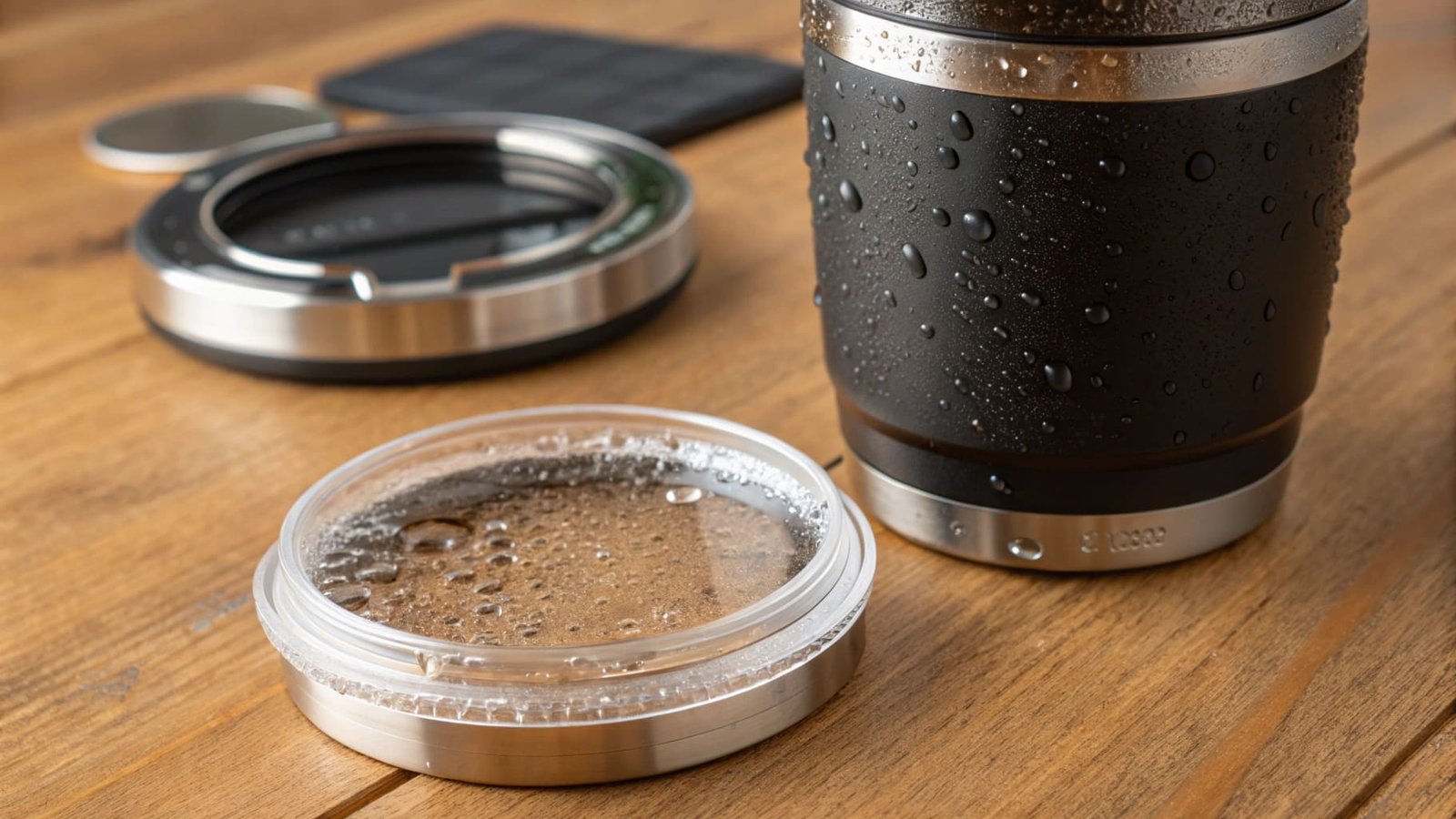
The Shore A Measurement System
Shore hardness uses a durometer device. The device presses a spring-loaded indenter into the material. The resistance to penetration gives you the hardness reading. The scale runs from 0 to 100.
I test every batch we produce at silijoy. We use a digital durometer calibrated monthly. The reading must match the customer specification within plus or minus 5 points. This tolerance matters more than most buyers realize.
Common Hardness Ranges for Different Applications
| Application Type | Shore A Range | Key Characteristics |
|---|---|---|
| Food Processing | 40A - 50A | Soft enough for surface contact |
| Medical Devices | 50A - 60A | Balance of sterility and seal |
| Automotive | 60A - 80A | High pressure resistance |
| Consumer Goods | 45A - 65A | Flexible yet durable |
Why the Range Matters
A 40A gasket feels noticeably different from a 60A gasket. The softer one compresses easily. It conforms to surface irregularities better. But it also extrudes under high pressure.
I had a client specify 40A for a high-pressure application. The gaskets extruded out of the groove within weeks. We switched them to 65A. The problem disappeared. The application needed the extra resistance.
What is the best hardness for silicone molds?
Mold hardness determines detail capture and release properties. Soft molds grab fine details but wear quickly. Hard molds last longer but miss small features.
The best hardness for silicone molds ranges from 20A to 60A depending on your production needs. Prototype work needs 20A to 40A for detail. High-volume production uses 40A to 60A for durability.
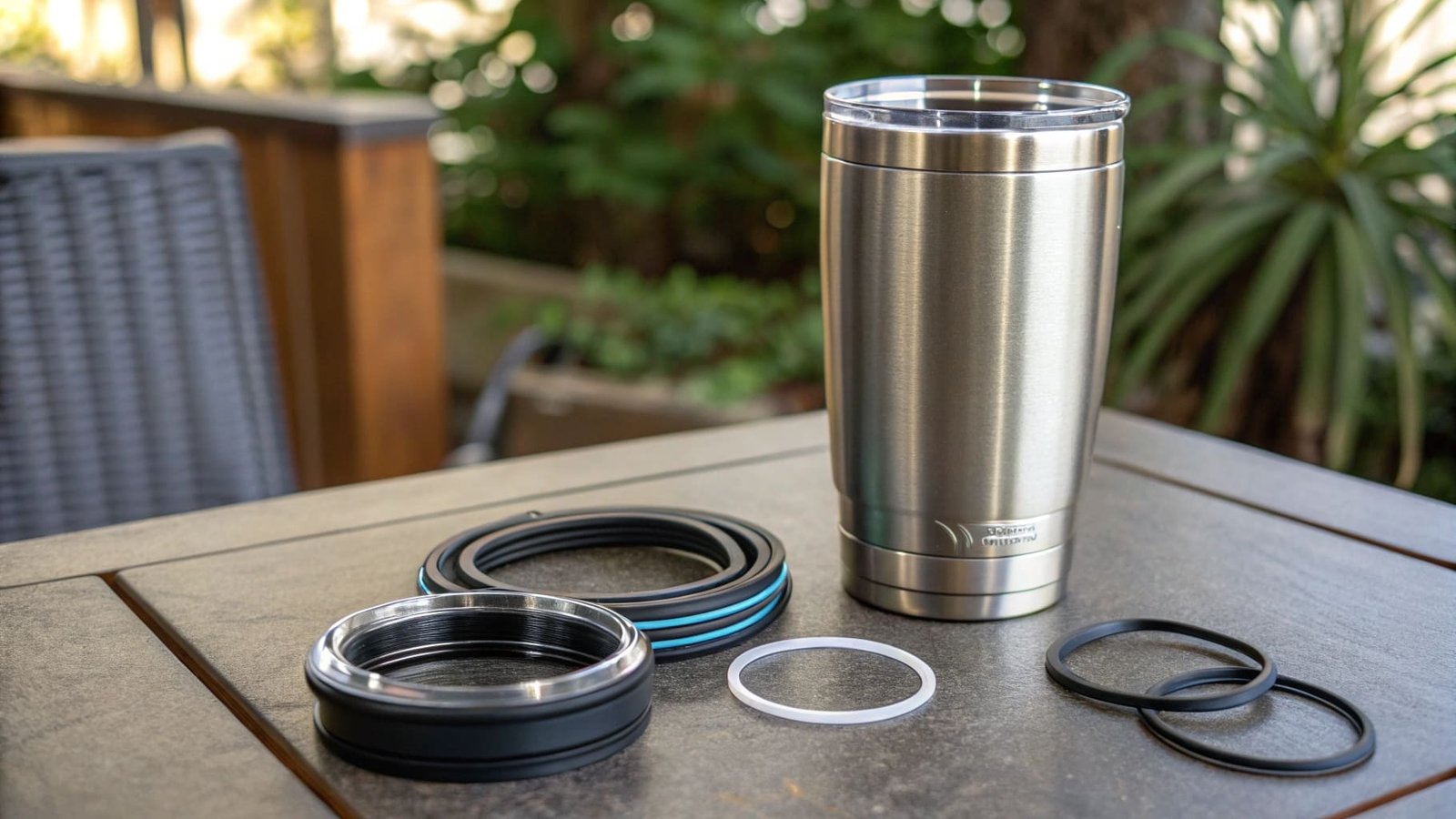
Soft Range Molds (20A - 40A)
These molds feel like thick rubber bands. They stretch easily. They capture every tiny surface detail. Artists love them for casting intricate jewelry or miniatures.
I worked with a startup making custom phone cases. They needed to capture logo details under 0.5mm. We supplied 30A molds. The detail reproduction was perfect. But the molds only lasted 100 cycles before they started tearing.
Medium Range Molds (40A - 60A)
This range handles most commercial molding work. The material stays flexible enough to release parts easily. But it resists the wear from repeated demolding cycles.
Our 50A molds work well for tumbler boot production. They last through 500 to 800 cycles. The release stays smooth throughout the mold life. The detail capture meets commercial standards.
Hardness Selection Table
| Mold Hardness | Best For | Cycle Life | Detail Level |
|---|---|---|---|
| 20A - 30A | Art casting, prototypes | 50-150 | Excellent |
| 30A - 40A | Small batch production | 150-400 | Very good |
| 40A - 50A | General commercial | 400-800 | Good |
| 50A - 60A | High volume | 800-1500 | Adequate |
Balancing Durability and Detail
Every mold purchase requires a tradeoff. You cannot have maximum detail and maximum durability in one mold. Softer materials copy details better. Harder materials last longer.
I ask every mold customer about their production volume first. A buyer planning 50 castings needs different hardness than one planning 5,000 castings. The volume determines which hardness makes economic sense.
What is the shore hardness of silicone rubber?
Silicone rubber hardness spans a wide range that covers multiple scales. Standard commercial grades use Shore A scale. Very firm grades switch to Shore D scale.
Silicone rubber hardness ranges from 10A for very soft materials to 80A for firm rubber. Some specialty grades reach Shore D scale for rigid applications. Manufacturers customize hardness through formulation changes during production.
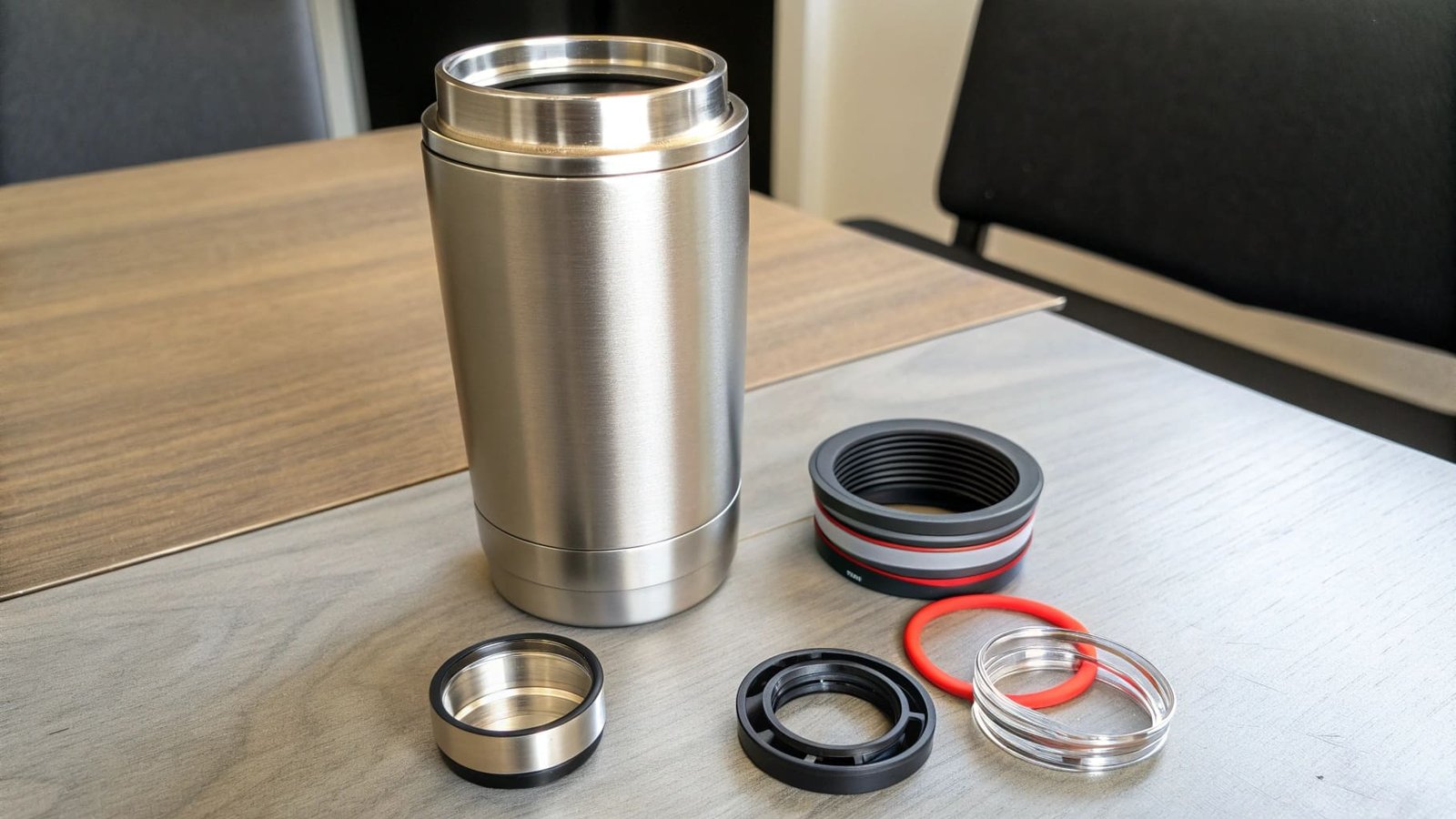
The Full Hardness Spectrum
Standard silicone rubber exists in these categories:
Very Soft (10A - 30A)
These materials feel gel-like. They compress under finger pressure. Medical implants and soft-touch grips use this range. I rarely see B2B orders for gaskets in this range. They lack the structural integrity needed for sealing.
Soft (30A - 50A)
This range feels like a pencil eraser. It compresses easily but springs back. Food industry gaskets often use this hardness. The material conforms well to mating surfaces.
Medium (50A - 70A)
Most industrial silicone products live here. The material feels firm but still flexible. You can compress it with moderate pressure. Our tumbler boots typically measure 55A to 65A.
Firm (70A - 80A)
This range approaches the hardness of a car tire. The material resists compression. High-pressure applications need this level. But the material sacrifices conformability.
How Manufacturers Control Hardness
Hardness comes from the silicone formulation. We adjust three main factors:
- Polymer molecular weight
- Filler content and type
- Cross-linking density
I work with our chemists on custom hardness requests. Adding more silica filler increases hardness. Increasing cross-linking also raises hardness. The process requires careful balance. Too much filler makes the material brittle. Too much cross-linking reduces tear strength.
The 10-Point Rule
A 10-point hardness difference creates measurable performance changes. I test this regularly. A 60A gasket compresses 20% more than a 70A gasket under the same load. This affects seal integrity and compression set.
| Property | 50A | 60A | 70A |
|---|---|---|---|
| Compression Set (%) | 15-20 | 10-15 | 8-12 |
| Tear Strength | High | Medium | Lower |
| Conformability | Excellent | Good | Fair |
| Pressure Resistance | Fair | Good | Excellent |
One Canadian buyer learned this lesson the hard way. He ordered 65A gaskets based on a competitor's spec. His application actually needed 55A for proper sealing. The harder gaskets could not conform to his slightly warped flanges. We remanufactured the order at 55A. The sealing problems stopped.
Testing and Verification
I never ship gaskets without hardness testing. Our quality control tests three random samples from each production batch. The readings must fall within the specified range.
We also test after thermal aging. Some silicone formulations harden over time when exposed to heat. A gasket that measures 60A fresh from the mold might read 65A after 1000 hours at 150°C. B2B buyers need to know this behavior before ordering.
Conclusion
Shore hardness determines whether your silicone products succeed or fail in real applications. Specify it correctly and test it consistently to avoid costly mistakes.