Why Do Butterfly and Bows Silicone Tumbler Boots Appeal to B2B Buyers?
I see many B2B buyers asking about butterfly and bow designs. They worry these patterns won't sell. But the numbers tell a different story.
Butterfly and bow silicone tumbler boots appeal to B2B buyers because they target the female consumer market that drives 40 oz tumbler sales1. These decorative boots offer high profit margins and repeat purchase potential in a trend-driven accessory category.
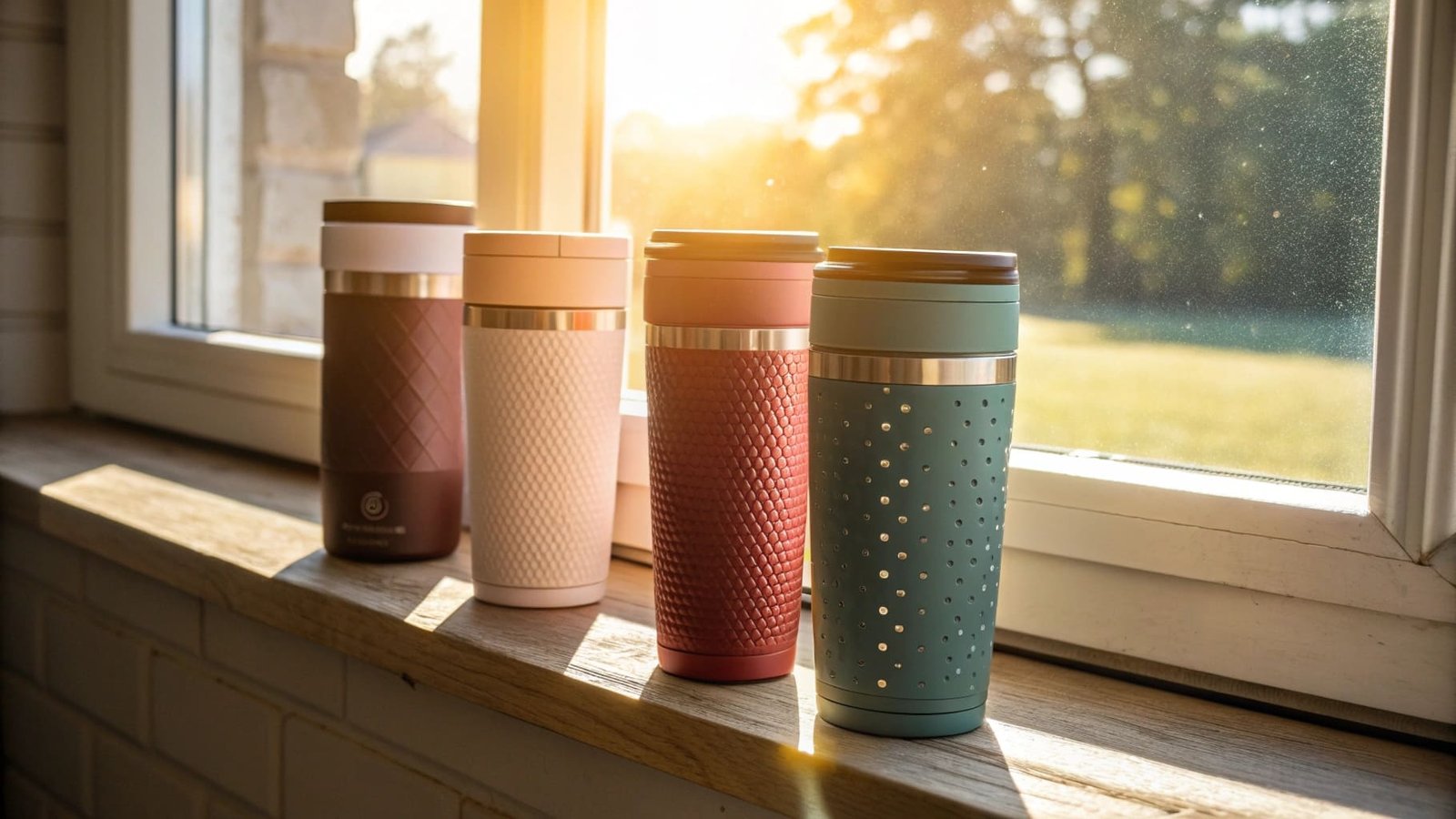
I started noticing this trend two years ago. My Canadian client Mark bought plain silicone boots first. He came back three months later asking specifically for butterfly patterns. His sales had doubled when he added decorative designs. That changed how I view this market.
What Are Popular 40 oz Tumbler Brands?
You need to know which tumblers your boots will fit. The wrong sizing means returns. Returns kill your profit margins.
Stanley dominates the 40 oz market. YETI, Hydro Flask, Owala, and Simple Modern also have strong followings. These brands set the standard sizing that silicone boots must match.
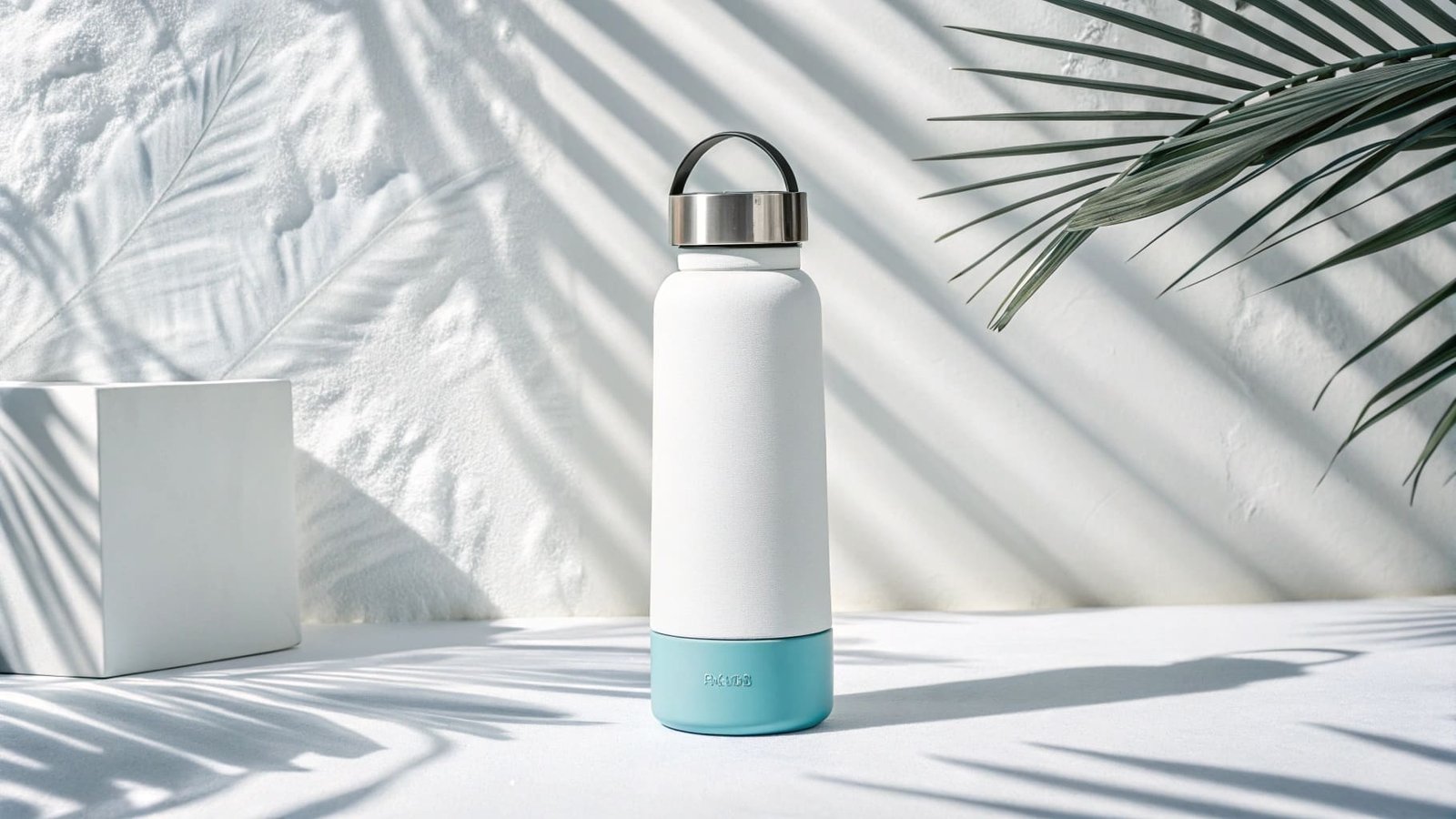
I work with buyers who supply retailers across North America. They tell me Stanley's Quencher H2.0 is the king right now. The tumbler sells for $45 retail. People buy it and immediately look for accessories.
YETI appeals to a different crowd. Their customers focus on durability. They spend more money upfront. They also buy more accessories over time. Hydro Flask brings in the eco-conscious buyers. These customers want sustainable products. They appreciate silicone boots because the boots extend tumbler life.
Owala targets younger consumers. Their design is more playful. Simple Modern competes on price. They offer similar quality at lower costs. Each brand has loyal followers. Your silicone boots need to fit all of them.
I test every major brand before I manufacture. The base diameter varies slightly. Stanley measures 3.5 inches at the base. YETI is 3.6 inches. This small difference matters. A boot that fits Stanley perfectly might slip on YETI. I design my boots with slight elasticity. They stretch to fit multiple brands. This saves you inventory headaches.
| Brand | Base Diameter | Market Position | Customer Profile |
|---|---|---|---|
| Stanley | 3.5 inches | Market leader | Female, 25-45, lifestyle-focused |
| YETI | 3.6 inches | Premium segment | Male-leaning, outdoor enthusiasts |
| Hydro Flask | 3.5 inches | Eco-conscious | 20-40, sustainability-focused |
| Owala | 3.4 inches | Budget-friendly | Younger demographic, value-driven |
| Simple Modern | 3.5 inches | Mid-range | Price-conscious families |
What Is a Silicone Tumbler Boot?
Many buyers ask me this basic question. They see the product photos but don't understand the function. Understanding drives better purchasing decisions.
A silicone tumbler boot is a protective sleeve that covers the bottom of stainless steel tumblers. It prevents dents, reduces noise, and provides grip while adding decorative appeal.
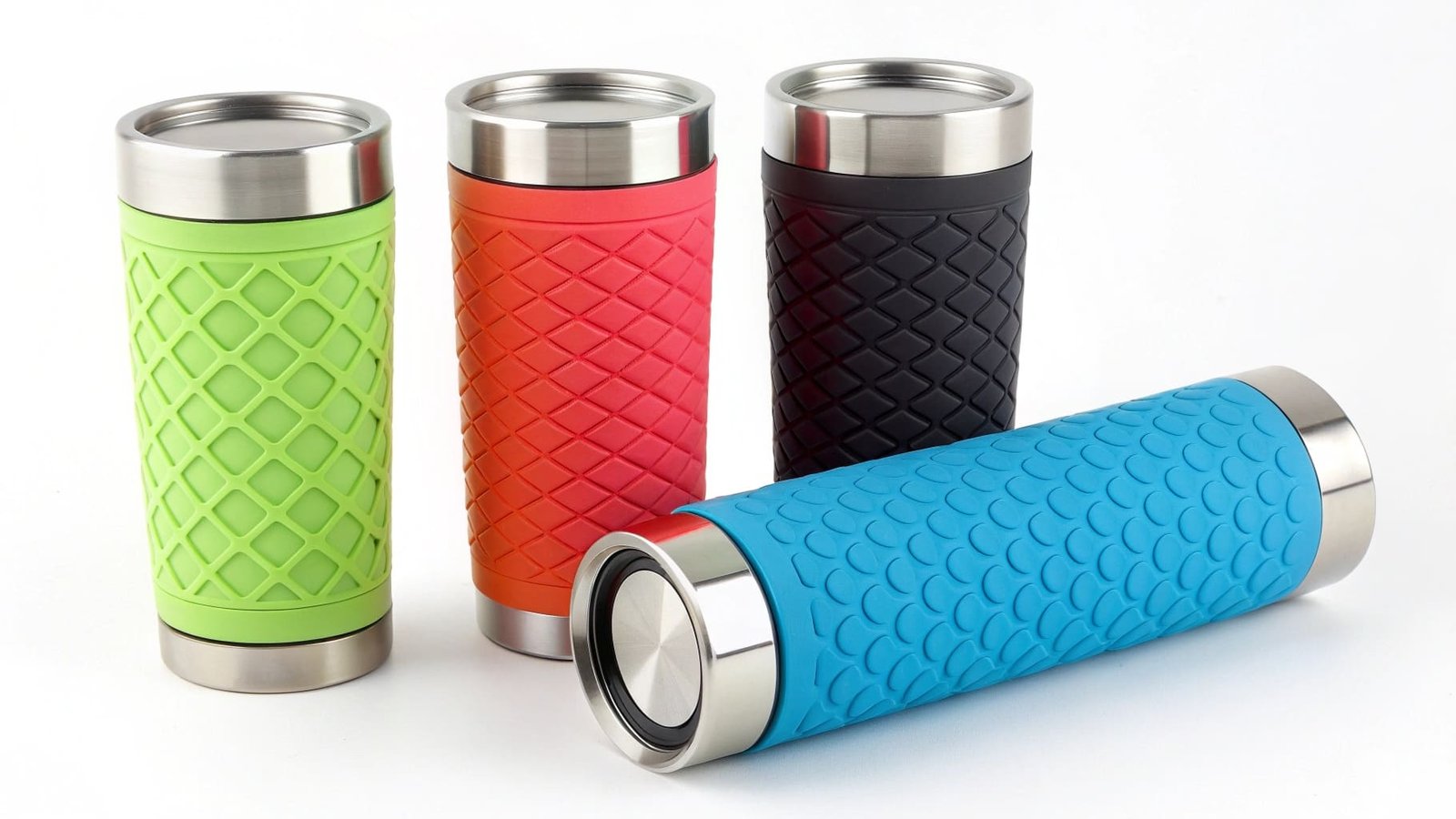
I manufacture these boots at my factory in China. The material is food-grade silicone. It wraps around the tumbler base. The thickness ranges from 2mm to 4mm. Thicker boots offer more protection. Thinner boots look sleeker.
The primary function is protection. Stainless steel dents easily. One drop on concrete can ruin a $45 tumbler. The silicone absorbs impact. It also prevents scratches on furniture. My wife uses a Stanley at home. Without the boot, it scratched our wooden table. The boot solved that problem.
Noise reduction matters more than buyers realize. Metal on hard surfaces makes loud sounds. Restaurants and offices don't like this. A silicone boot makes the tumbler silent. I learned this from a cafe owner in Vancouver. He bought 200 boots for his customers. The noise complaints stopped.
Grip is underrated. Wet tumblers slip from hands. Car cup holders can't hold smooth metal securely. Silicone creates friction. The tumbler stays put. Mark mentioned this to me. His customers working in construction sites need reliable grip. The boots solved their problem.
The decorative aspect drives repeat purchases. Customers buy multiple boots. They match boots to outfits or seasons. Butterfly patterns for spring. Bows for formal occasions. Plain colors for professional settings. This is where B2B buyers make real money. One tumbler sale leads to multiple boot purchases.
I use platinum-cured silicone2 for my boots. This grade meets FDA standards. It doesn't leach chemicals. The material withstands extreme temperatures. From -40°F to 450°F. It won't crack in freezer storage. It won't melt near hot surfaces. The durability means fewer returns for you.
Why Is the Stanley 40 oz Tumbler So Popular?
Understanding Stanley's success helps you predict accessory demand. The patterns that work for Stanley work for accessories too.
The Stanley 40 oz tumbler became popular through social media virality and its appeal to female consumers seeking functional yet stylish drinkware. The large capacity and aesthetic options created a lifestyle product beyond basic hydration.
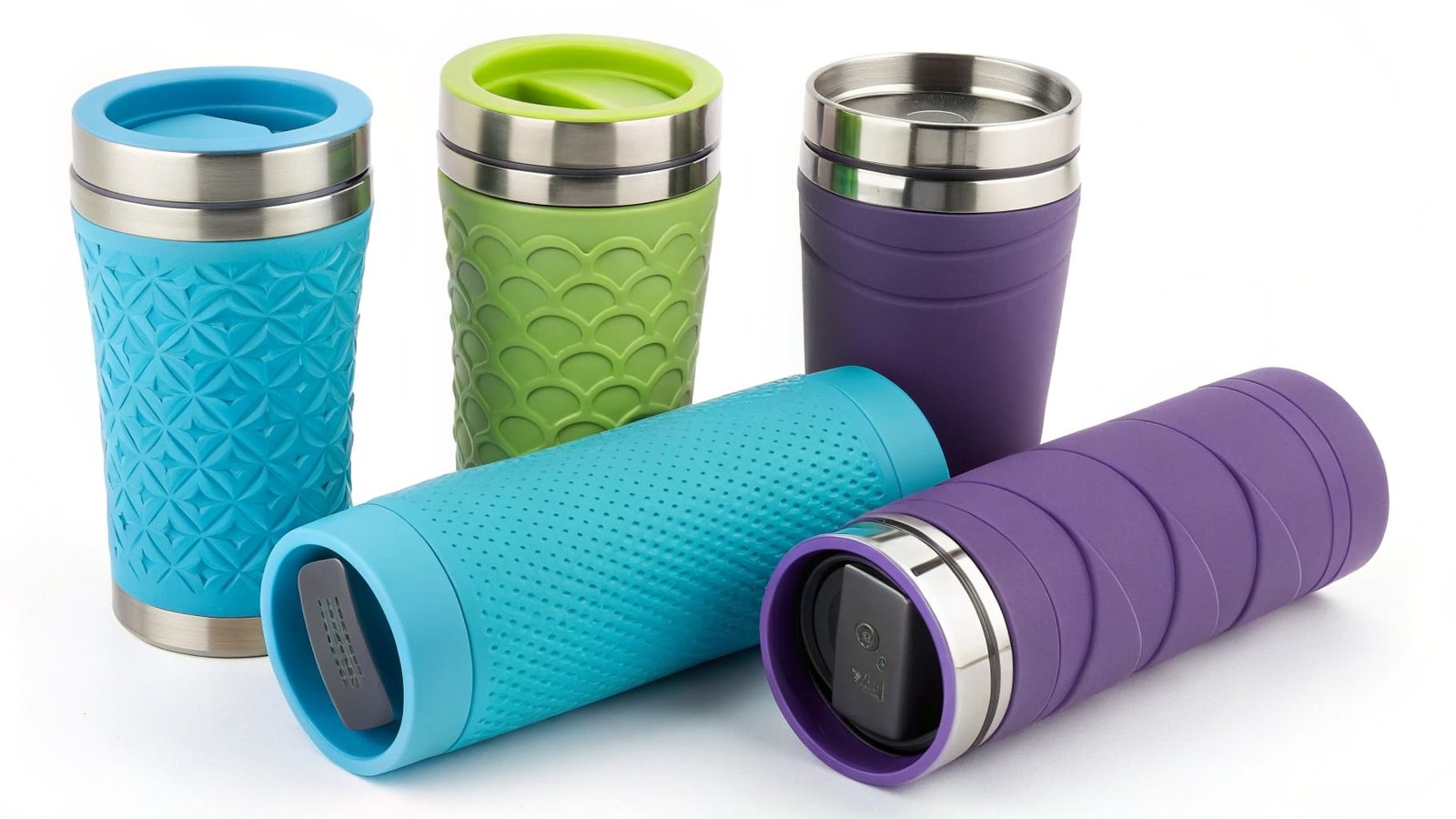
I watched this trend explode on TikTok. The #StanleyTumbler hashtag has billions of views. Young women showcase their Stanley collections. They match tumblers to their outfits. Some own 20 or more tumblers. This behavior creates massive accessory demand.
The 40 oz size hits a sweet spot. It holds enough water for all-day hydration. People don't need refills constantly. The straw lid makes drinking easy while driving. The handle fits most car cup holders. Stanley designed this for the American market specifically. They studied consumer habits first.
Color options drive collecting behavior. Stanley releases limited editions regularly. Certain colors sell out in minutes. This scarcity creates urgency. People buy multiple colors. Each color needs a protective boot. Some buyers want different boot designs for each tumbler. You see the profit potential here.
The female market dominance changes everything. Women buy accessories more frequently than men. They care about aesthetics. They share purchases on social media. They influence friends to buy. This creates viral growth. Stanley understood this. They marketed to women directly. Previous tumbler brands focused on male outdoor enthusiasts.
I talk to retailers weekly. They tell me Stanley sells itself now. Customers come asking specifically for Stanley. The brand recognition is complete. But here is the key insight: Stanley doesn't make decorative boots. They leave that market to accessory suppliers. That's your opportunity.
Price psychology matters too. A $45 tumbler feels expensive. But a $12 silicone boot feels reasonable. Customers already spent $45. Adding $12 more is easy. They protect their investment. The boot costs you maybe $2 wholesale. You sell for $6 to retailers. They sell for $12. Everyone profits.
Quality concerns drive boot purchases too. Stanley's stainless steel dents easily. Customers learn this the hard way. The first dent breaks their heart. They paid $45 for perfection. They want to prevent future damage. The boot becomes essential, not optional. Mark told me his customers buy boots immediately after their first dent. Prevention sells better than cure.
The Stanley phenomenon won't last forever. But the tumbler accessory market will continue. People own multiple tumblers now. This is normalized behavior. Each tumbler needs accessories. Boots, straw cleaners, handle covers. You're building a business in a growing category. The butterfly and bow designs tap into the feminine aesthetic that drives this market. You're not selling protection. You're selling personalization. That's why B2B buyers keep reordering these designs.
Conclusion
Butterfly and bow silicone tumbler boots succeed because they combine protection with feminine aesthetics. They target the female-driven tumbler market with high margins and repeat purchase potential.