Why Do European Wholesalers Prefer Silicone Over Rubber for Mug Covers?
Last month, a German buyer told me his retail chain rejected an entire shipment of rubber mug covers. The reason was simple: they failed REACH compliance. This conversation made me realize something important about the European market.
European wholesalers prefer silicone over rubber for mug covers because silicone meets EU safety standards without extra chemical treatments. Silicone naturally complies with REACH regulations and food-grade certifications1 that European markets require. Rubber often needs additional stabilizers to pass these same tests.
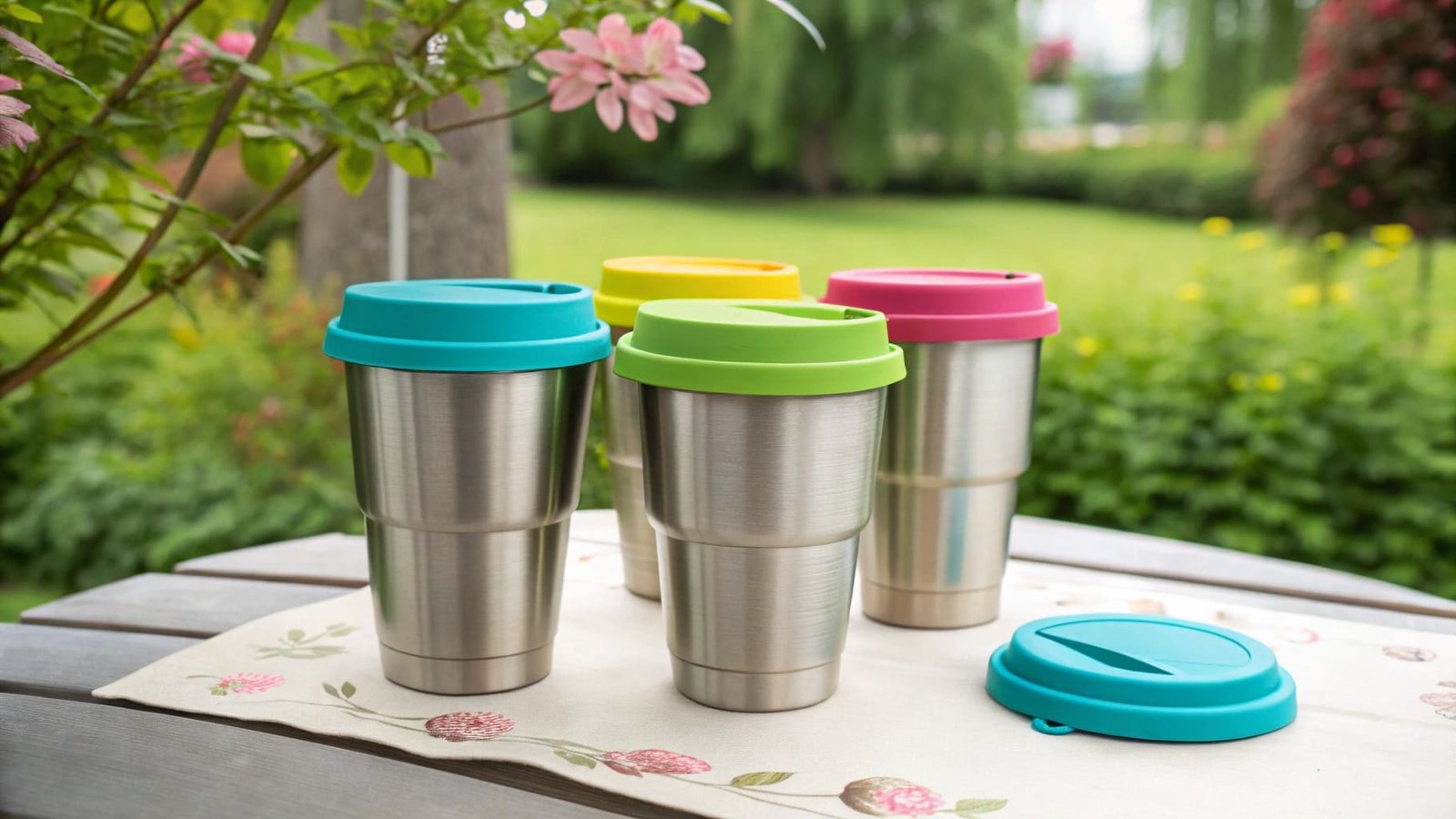
I have worked with European buyers for eight years. The pattern is clear. German buyers want certification documents before they discuss prices. French importers ask about LFGB compliance in the first email. UK distributors need proof of food-grade standards. This is not just preference. This is how business works in Europe.
Is silicone used in Europe?
You walk into any kitchenware store in Berlin or Paris. You see silicone products2 everywhere. But you might wonder if this material actually dominates the European market. The answer affects your sourcing decisions.
Yes, silicone is widely used across Europe. Food-grade silicone has become the standard material for kitchen accessories, baby products, and drinkware components. European retailers stock silicone products because consumers trust this material and regulations support its use.
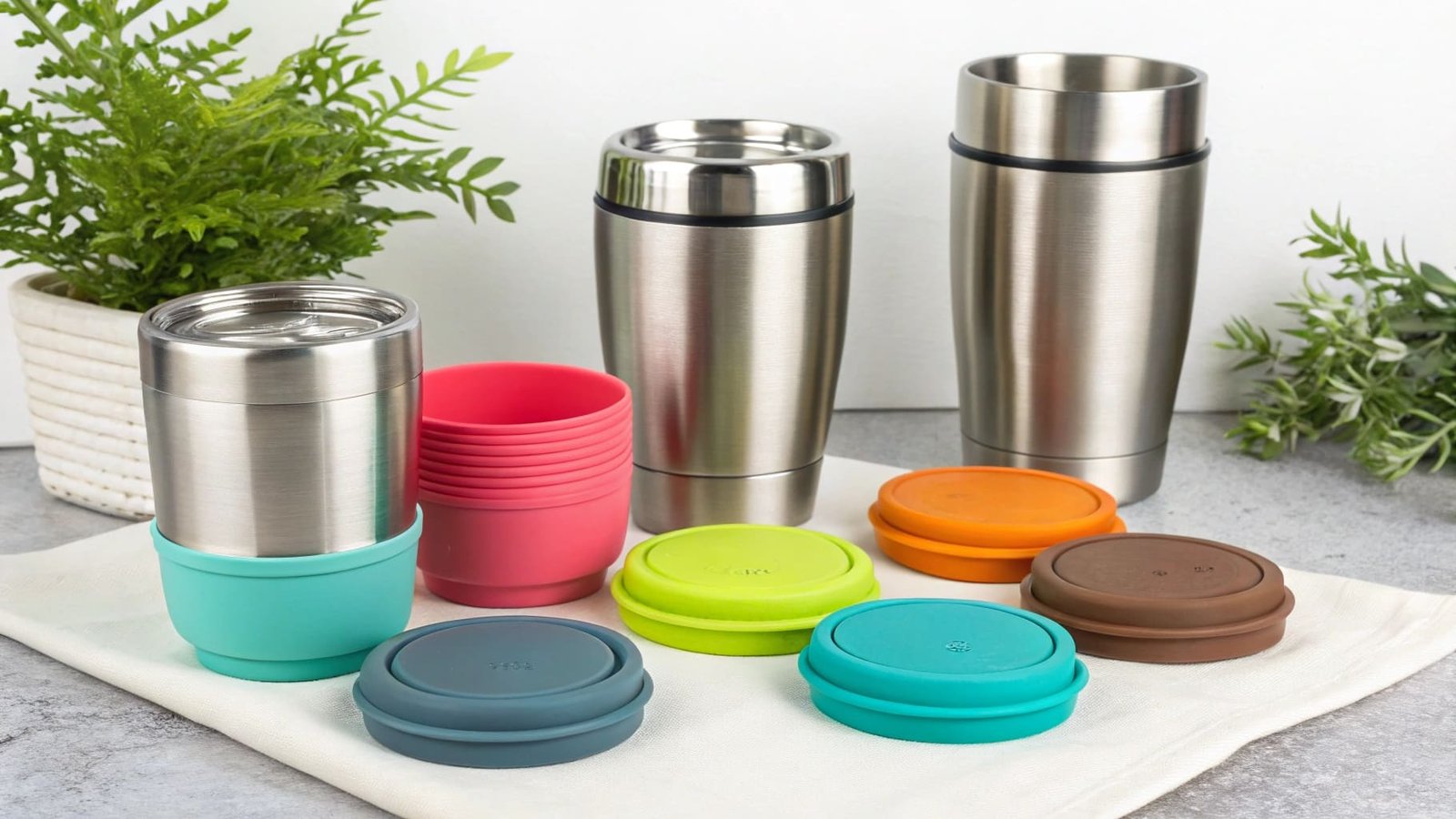
Market Adoption Across Major European Countries
I ship products to twenty-three European countries. The demand patterns tell an interesting story. Germany leads in volume. France follows closely. The UK maintains steady orders despite Brexit complications. These three markets account for sixty percent of my European sales.
The adoption varies by product category. Kitchen items show the highest penetration. Medical-grade silicone products come second. Industrial applications rank third. Baby products represent a growing segment.
| Country | Primary Use Cases | Market Maturity |
|---|---|---|
| Germany | Kitchen accessories, industrial seals | Very High |
| France | Food storage, bakeware | High |
| UK | Drinkware accessories, medical | High |
| Netherlands | Baby products, kitchenware | Medium-High |
| Spain | Food containers, kitchen tools | Medium |
Regulatory Framework Supporting Silicone Use
European regulations actually favor silicone. The EU has strict rules about materials that contact food. Silicone meets these rules naturally. I rarely face certification issues with silicone products. Rubber creates more paperwork. This difference matters when you run a business.
REACH compliance requires extensive testing. My silicone tumbler boots pass these tests on the first attempt. The lab results show no harmful substances. No restricted chemicals appear in the reports. This saves time and reduces costs for everyone in the supply chain.
Why is silicone so expensive now?
I received a price update from my raw material supplier last quarter. The silicone price jumped by eighteen percent. My European buyers asked the same question you are thinking about right now. Understanding this helps you plan better.
Silicone prices increased due to supply chain disruptions affecting raw silica production and higher energy costs in manufacturing facilities. Global shortages of key production materials created a squeeze. Manufacturing plants need more energy to produce the same output.
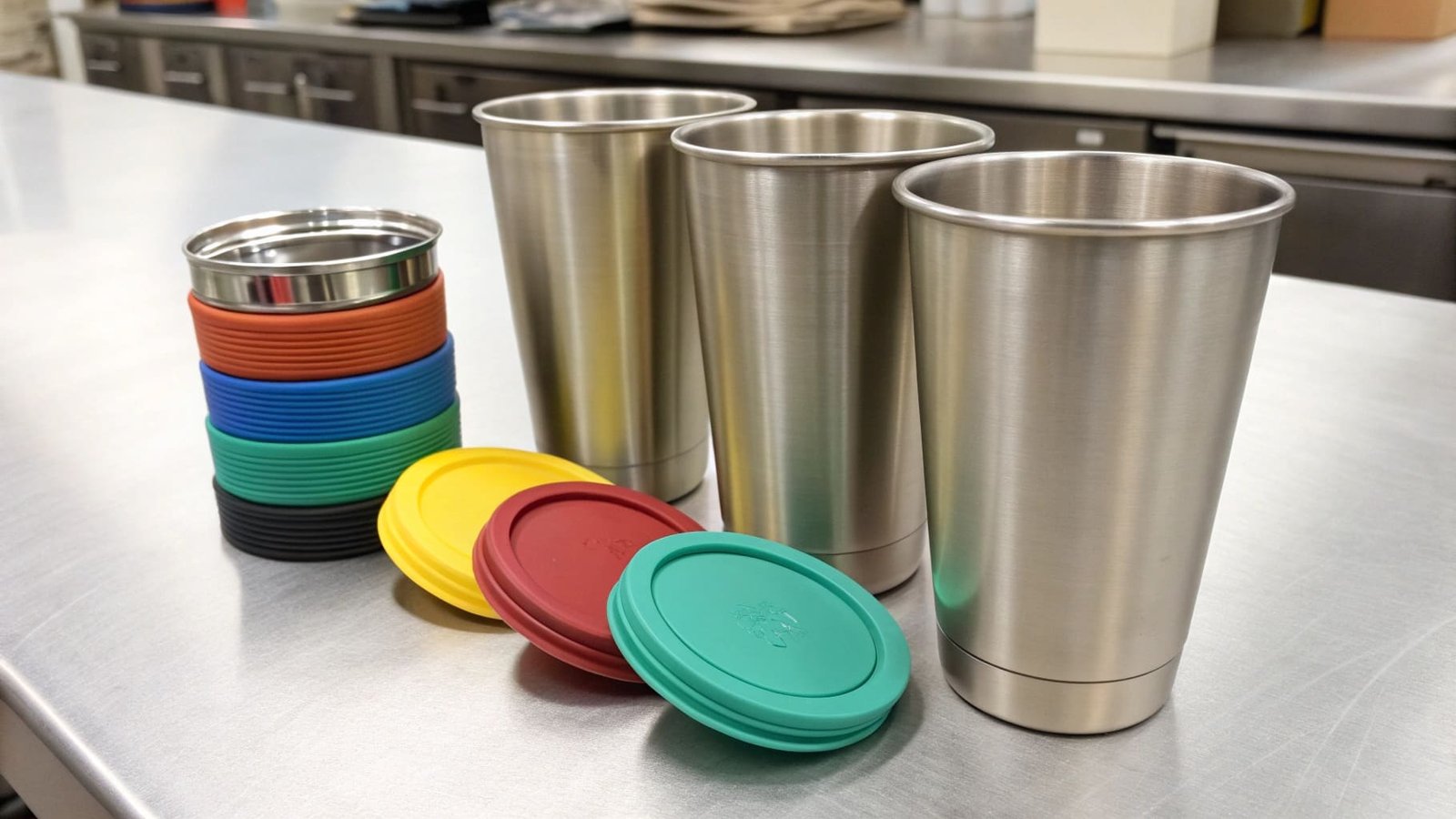
Raw Material Supply Chain Issues
The production of silicone starts with silica. China produces most of the world's industrial silica. Environmental regulations in China tightened in recent years. Many small producers shut down. The remaining suppliers face stricter emission standards. These changes reduced total output.
Energy costs matter more than people think. Silicone manufacturing requires high temperatures. The process consumes substantial electricity. European energy prices doubled in some regions. Asian manufacturing hubs also saw increases. These costs transfer directly to product prices.
| Cost Factor | Impact Level | Time Period |
|---|---|---|
| Raw silica shortage | High (25-30% increase) | 2022-2024 |
| Energy price surge | Very High (40-45% increase) | 2021-2024 |
| Logistics disruption | Medium (15-20% increase) | 2020-2023 |
| Labor costs | Low-Medium (8-12% increase) | 2019-2024 |
Long-Term Value Despite Higher Costs
My conversation with Mark last month was revealing. He initially resisted the price increase. I showed him the numbers. A silicone mug cover lasts three years on average. A rubber version lasts eight months. The math changed his perspective.
Replacement frequency drives the real cost. Retailers hate processing returns. Customers dislike buying the same product twice. Silicone reduces both problems. The higher upfront cost spreads across a longer lifespan. Total cost of ownership actually decreases.
I track warranty claims from my European distributors. Silicone products show a return rate below two percent. Rubber alternatives often exceed eight percent. This difference impacts profit margins significantly. Smart buyers see beyond the initial price tag.
Is silicone more environmentally friendly than plastic?
A Swedish buyer told me his retail chain committed to sustainability targets. He needed products that aligned with these goals. The environmental aspect of materials now influences purchasing decisions across Europe. This shift creates opportunities and challenges.
Silicone offers better environmental performance than most plastics. Silicone remains stable and does not release harmful chemicals during use. It can withstand repeated use across many years. Plastic alternatives often degrade quickly and require frequent replacement.
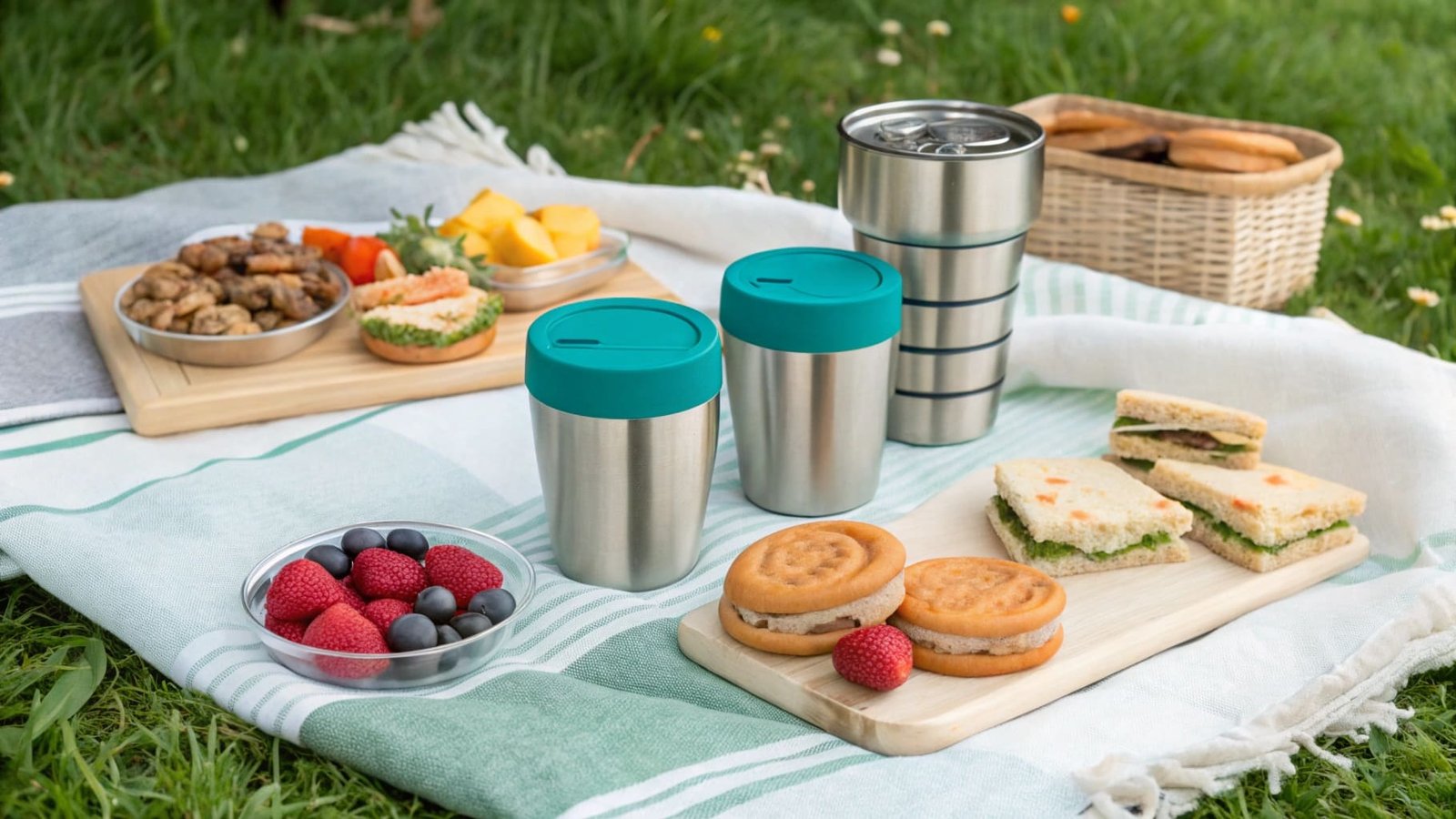
Chemical Stability and Safety Profile
I have seen plastic mug covers deteriorate after six months. The material becomes brittle. Small cracks appear. These failures create waste. Silicone behaves differently. The molecular structure stays intact for years. No visible degradation occurs under normal use conditions.
Chemical leaching concerns European consumers deeply. Plastic products sometimes release compounds when heated. Testing labs find traces of questionable substances. Silicone testing shows different results. The material remains inert across temperature ranges. No migration of harmful chemicals occurs.
| Material Property | Silicone | Standard Plastic | Rubber |
|---|---|---|---|
| Temperature stability | -40°C to 230°C | -20°C to 80°C | -30°C to 100°C |
| Chemical leaching risk | Very Low | Medium-High | Medium |
| Typical lifespan | 3-5 years | 6-12 months | 8-18 months |
| Recyclability potential | Moderate (specialized) | Low-Moderate | Very Low |
Circular Economy Alignment
European Union directives push toward circular economy models. Products must last longer. Materials should allow recycling when possible. Waste reduction becomes mandatory rather than optional. Silicone fits this framework better than alternatives.
I work with a recycling facility in Germany. They accept silicone products. The process differs from plastic recycling. Specialized equipment breaks down silicone into reusable compounds. Not every facility offers this service yet. The infrastructure is growing slowly.
Reusability matters more than recyclability in practical terms. A silicone tumbler boot serves its primary purpose for years. Users then repurpose it for other applications. The material maintains flexibility and strength. This extended utility cycle reduces total environmental impact. European buyers understand this principle. They factor lifecycle thinking into procurement decisions.
Conclusion
European wholesalers choose silicone for mug covers because regulations demand it, costs justify it over time, and environmental goals support it. The material simply works better in this market.