Why Do OEM Buyers Prefer 4-Pack Tumbler Seal Ring Sets for Wholesale?
You place a bulk order for tumbler seal rings, and three months later, your clients are calling about worn-out gaskets. Single-unit packaging means constant reordering. Your inventory management becomes a nightmare.
OEM buyers prefer 4-pack tumbler seal ring sets1 because they reduce per-unit costs by 25-30%, simplify inventory tracking, and provide customers with a multi-year replacement supply that matches typical seal ring wear cycles.
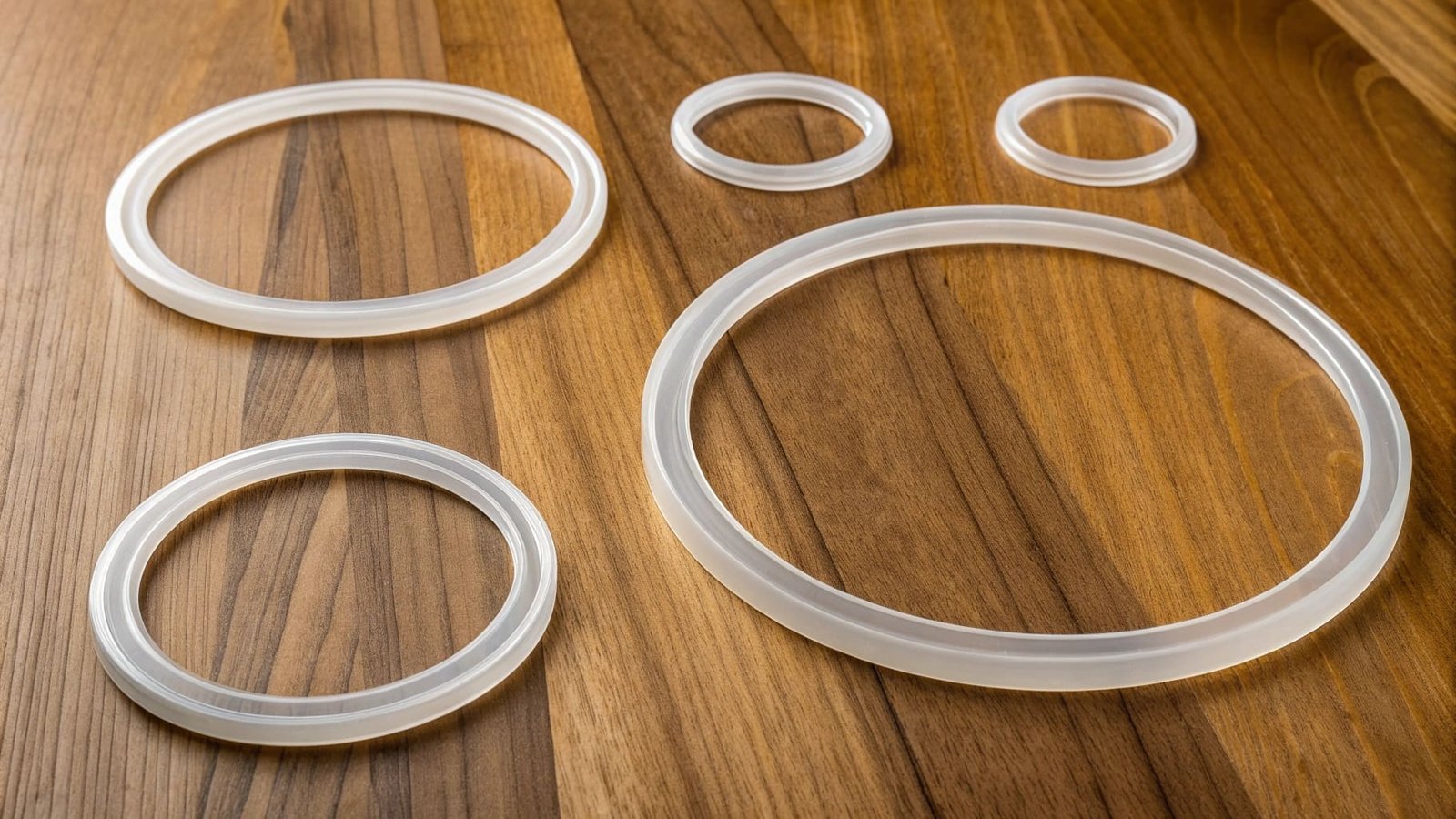
I learned this the hard way. Last year, I worked with a Canadian distributor who kept ordering seal rings in single packs. His customers loved the tumblers but hated running back to stores every few months for replacements. We switched to 4-packs. His repeat customer complaints dropped by 60%.
What is the purpose of a seal ring?
Your expensive tumbler leaks all over your bag. The coffee drips through the lid seam. The ice melts faster because air gets in. You need something that stops liquid from escaping.
A seal ring creates a compression barrier between tumbler lid components. It fills microscopic gaps when you close the lid, preventing liquid leakage and maintaining the vacuum seal that keeps drinks hot or cold.
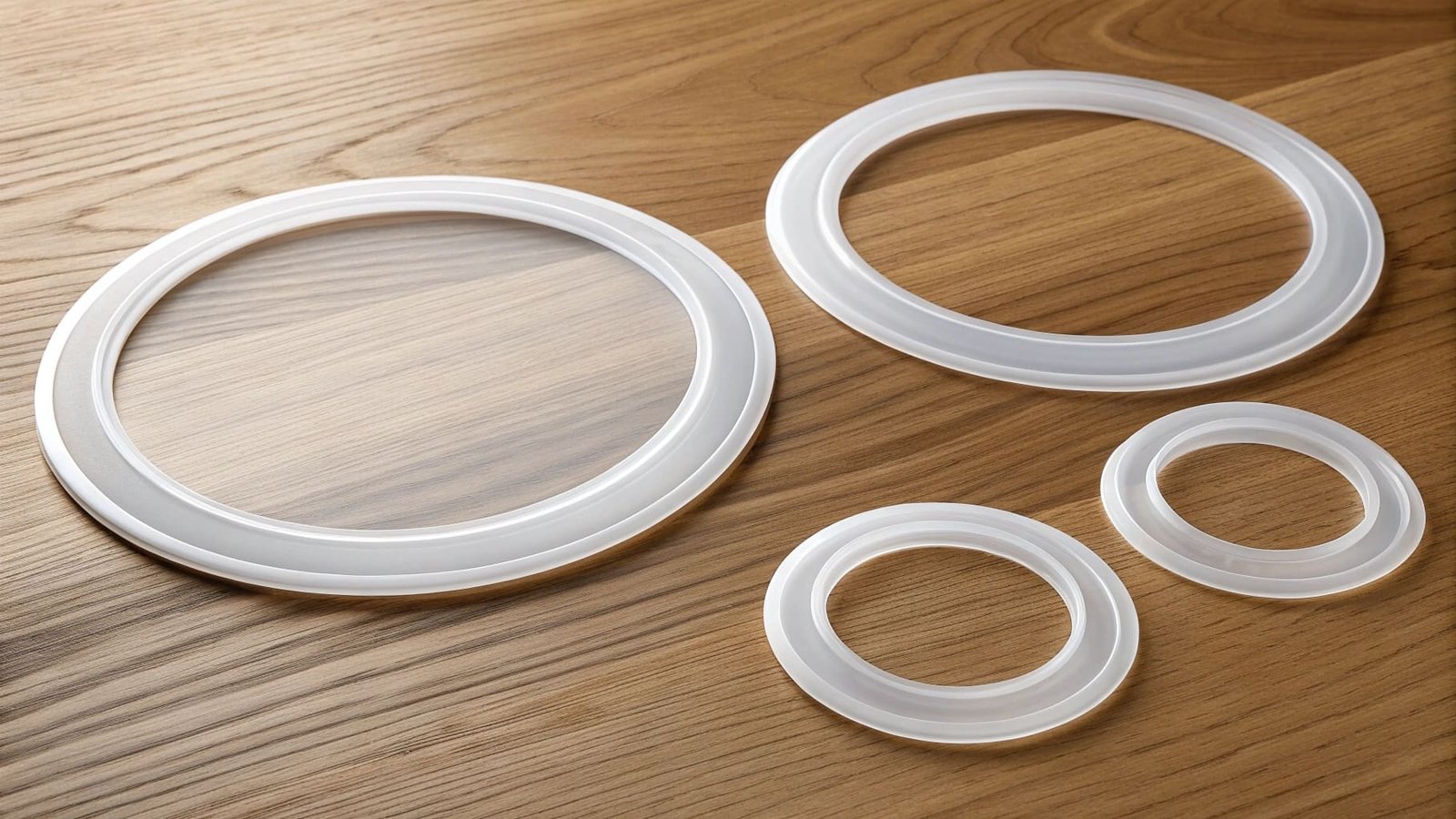
Why the seal ring matters more than you think
I remember visiting a factory in Shenzhen three years ago. The production manager showed me two identical tumblers. One had a cheap rubber seal. The other used food-grade silicone2. He filled both with hot water and flipped them upside down. The rubber seal leaked within seconds. The silicone seal stayed perfect.
The science behind this is simple but critical. When you screw on a tumbler lid, the seal ring compresses between two surfaces. Good silicone can compress up to 25% of its thickness while still bouncing back to original shape. This compression fills tiny surface imperfections that you cannot see with your eyes.
Let me break down what makes a seal ring work:
| Component Function | Technical Requirement | Why It Matters |
|---|---|---|
| Material flexibility | 400%+ elongation | Adapts to uneven surfaces |
| Temperature range | -40°F to 446°F | Works in freezer and with hot drinks |
| Compression set | Less than 25% after 22 hours at 158°F | Maintains seal over time |
| Chemical resistance | FDA/LFGB compliant | Safe for drinks, resists staining |
The material choice drives everything else. Food-grade silicone costs more than TPE or rubber, but it lasts three times longer. Your customers stop calling about leaks. Your brand reputation improves. I always tell buyers: spend an extra $0.15 per seal ring now, or spend $50 handling each customer complaint later.
What is the difference between O ring and sealing ring?
You search online for replacement gaskets. Some sites call them O-rings. Others say sealing rings. You order what looks right. It arrives, and the size is completely wrong for your tumbler lids.
O-rings have circular cross-sections with standardized sizes for mechanical applications. Sealing rings include various shapes designed for consumer products like tumblers, using softer materials for hand-tightened assemblies rather than machined precision fits.
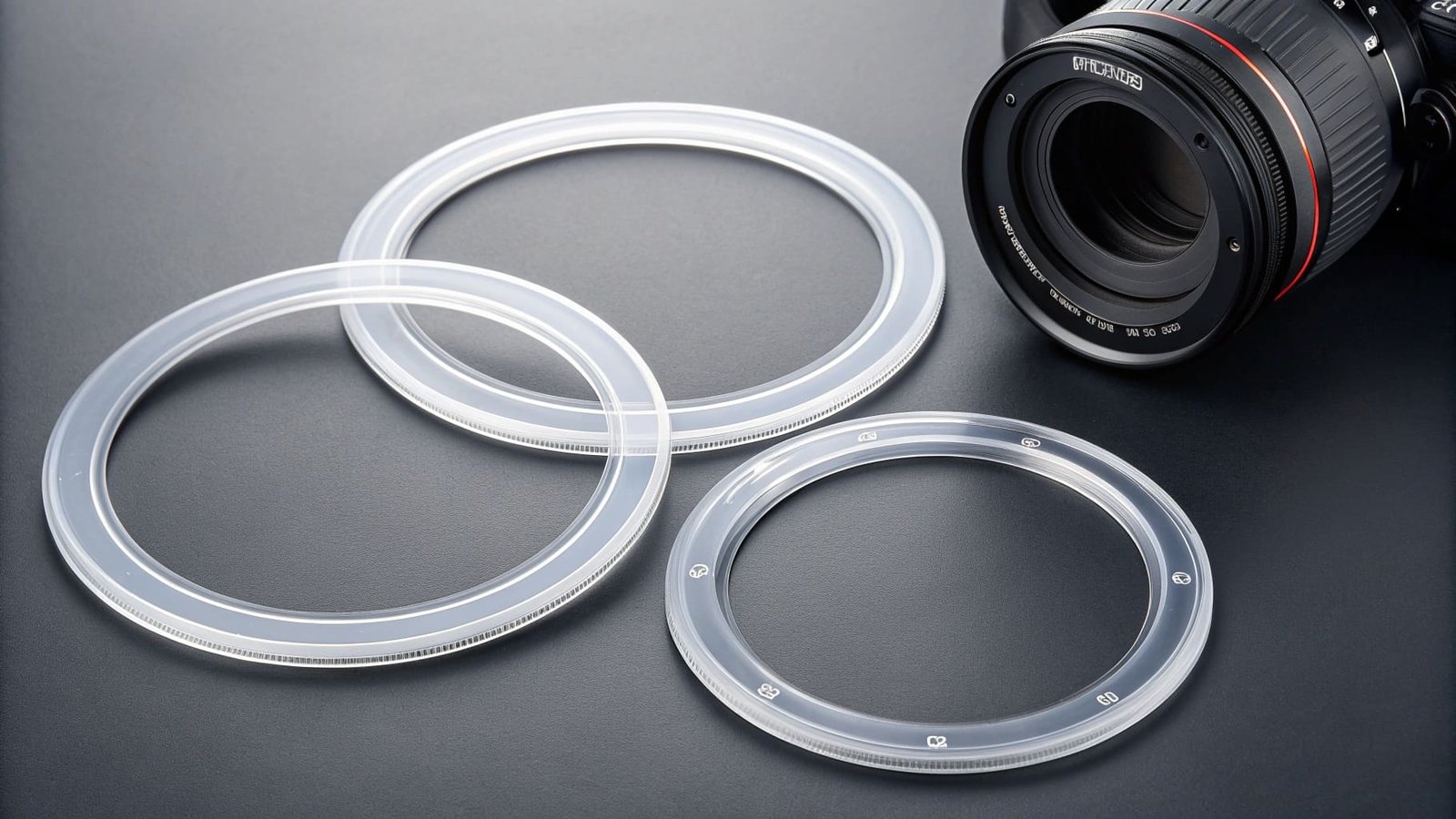
Why this confusion costs buyers money
I once had a customer who ordered 10,000 O-rings thinking they were tumbler seals. He found them listed cheaper on an industrial supply site. When the shipment arrived, the cross-section was too thick. None of them fit his tumbler lids. He lost $3,000 and three weeks of production time.
The technical differences matter for your sourcing decisions. O-rings follow strict standards like AS568 in America or ISO 3601 globally. Each size has a specific number. A size 210 O-ring always measures 7/8 inch inner diameter with 1/8 inch cross-section. These work great for hydraulic systems or mechanical equipment.
Tumbler seal rings do not follow these standards. Each brand designs custom profiles for their specific lid geometry. Some use flat gaskets. Others need lip seals that grip the lid edge. The durometer hardness differs too.
Here is what you need to know:
| Feature | O-Rings | Tumbler Seal Rings |
|---|---|---|
| Cross-section | Always round | Flat, square, or custom |
| Size standards | AS568, ISO 3601 | Brand-specific |
| Typical hardness | 70-90 Shore A | 40-60 Shore A |
| Installation | Requires groove machining | Hand-press into lid |
| Tolerance needs | ±0.005 inches | ±0.020 inches |
| Primary use | Machinery, plumbing | Consumer drinkware |
I keep samples of both in my office. When buyers visit, I show them side by side. The O-ring feels harder. It needs force to stretch. The tumbler seal ring squishes easily between your fingers. This softness lets it seal even when the lid threads are slightly misaligned or the user does not tighten it perfectly.
Are seal rings waterproof?
Your distributor asks if the seal rings are waterproof. You tell them yes. Three months later, a customer throws their tumbler in a pool. Water leaks in. They leave a bad review saying your seals are defective.
Quality silicone tumbler seal rings achieve splash resistance similar to IPX4 ratings and prevent leakage during normal drinking and transport. They are not designed for underwater submersion or high-pressure situations but will stop drips when tumblers are inverted or shaken moderately.
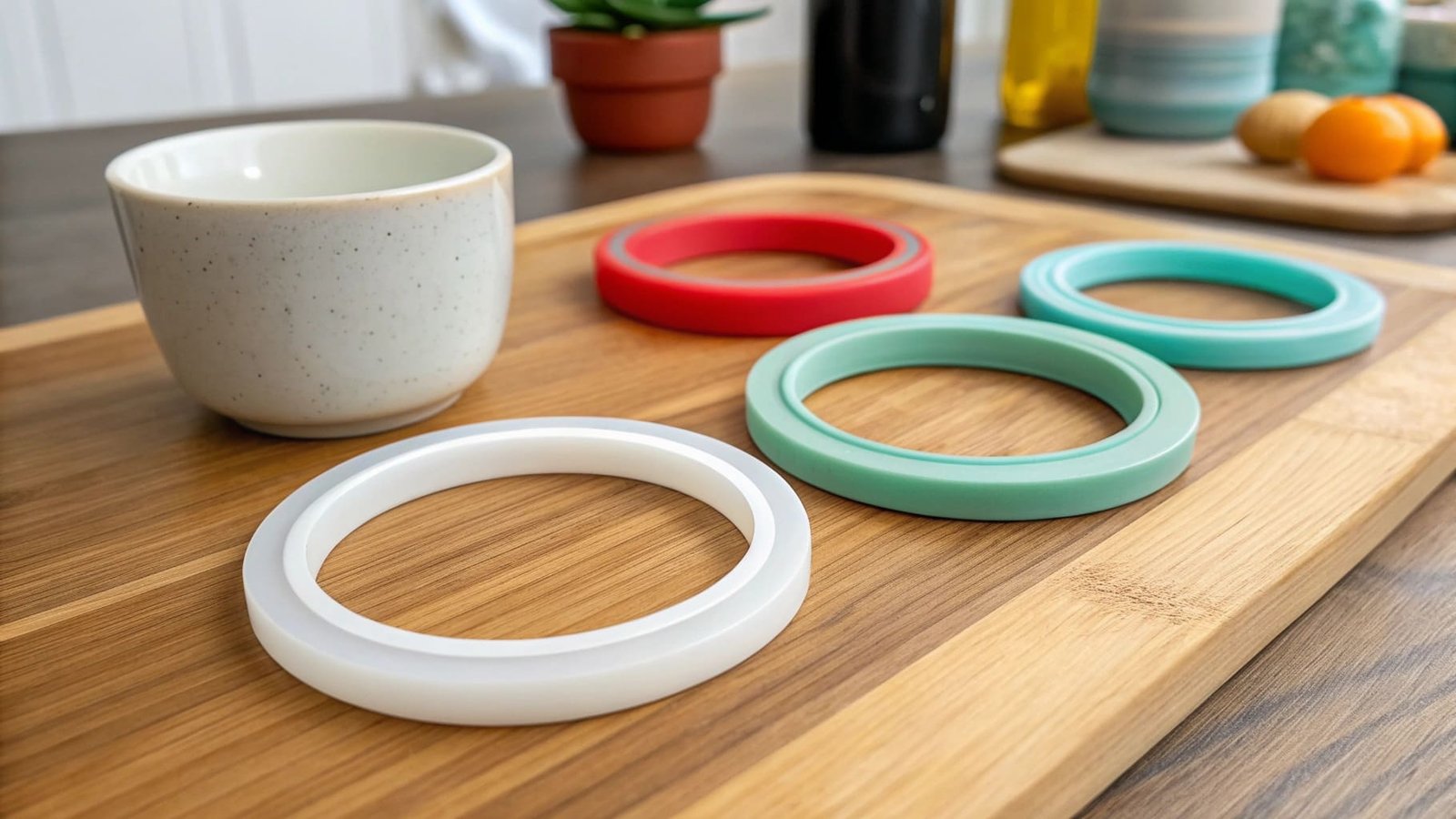
Setting realistic expectations saves your reputation
I had a rough experience with this two years ago. A startup founder ordered 5,000 seal rings from me for their new tumbler line. Their marketing team called them "100% waterproof" in social media posts. Customers started using the tumblers for scuba diving accessories. Obviously, water got in at depth. The founder blamed my seals.
We tested the seals together. They worked perfectly for coffee commutes, gym bags, and beach coolers. They failed when submerged in a pool at 3 feet deep for an hour. The pressure difference forced water past the seal. This was not a defect. It was physics.
The key is understanding what "waterproof" really means in consumer contexts. Good silicone seals prevent common leakage problems but have clear limits. Think about how customers actually use tumblers. They carry them in cars. They put them in backpacks. Sometimes they knock them over. These seals handle all that beautifully.
Performance depends on three things working together:
| Performance Factor | What It Means | How to Verify |
|---|---|---|
| Material compression | Seal must compress 15-25% when lid closes | Measure seal thickness before and after installation |
| Surface finish | Mating surfaces need 32-63 microinch finish | Check for scratches or rough molding marks |
| Installation correctness | Seal sits fully in groove without twisting | Visual inspection, no gaps or bulges |
I always recommend buyers test seal performance with this simple method: Fill the tumbler with colored water. Close the lid. Shake it hard for 30 seconds. Turn it upside down for 5 minutes. If no drops appear, the seal works. If you see leakage, check if the seal is installed correctly before blaming the material.
Quality matters tremendously. Cheap silicone compounds use fillers that reduce tensile strength. Good seals measure above 8 MPa tensile strength and stretch over 400% before breaking. These specs mean the seal holds its shape after thousands of open-close cycles. Your customers get years of use from a single seal ring.
Temperature performance is another critical specification. I source silicone that maintains flexibility from -40°F to 446°F. This covers everything from frozen smoothies to boiling tea. Lower quality materials become brittle in freezers or turn soft and sticky with hot drinks.
Conclusion
Smart wholesale buyers choose 4-pack tumbler seal ring sets because they reduce costs, prevent customer complaints, and build long-term brand value through reliable performance.