Why Do OEM Manufacturers Prefer Custom Silicone Zipper Pulls for Wholesale?
You order 50,000 zippers from your trusted supplier, but your products still look identical to competitors. Your brand disappears on the shelf. I see this problem every week with my wholesale clients.
Custom silicone zipper pulls let OEM manufacturers1 create unique branding without changing their entire zipper system. They cost less than fully custom zippers, start at smaller order quantities, and solve safety issues that metal pulls create.
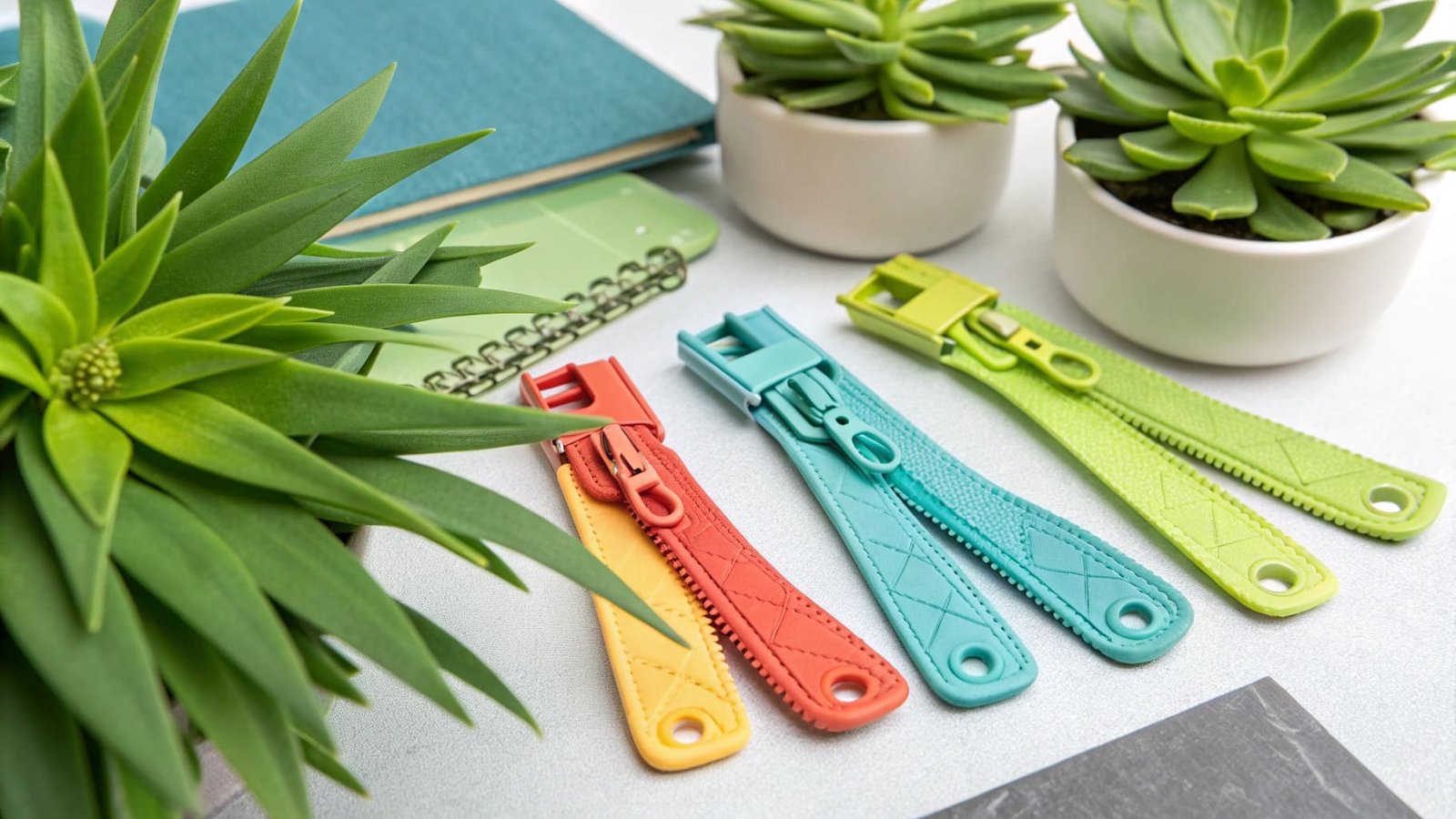
I have worked with procurement officers for eight years now. They tell me the same story repeatedly. Their companies use standard YKK or SBS zippers because these brands deliver consistent quality. But they struggle to make their products stand out. The zipper pull is where the magic happens.
Who Makes the Best Quality Zippers?
Your factory manager insists on YKK zippers, but your marketing team wants something unique. You feel stuck between quality requirements and brand differentiation needs.
YKK and SBS manufacture the most reliable zipper mechanisms for wholesale markets. However, the best complete zipper system combines a quality core mechanism with custom silicone pulls that match your brand identity.
The Reality of Core Zipper Mechanisms
I always tell my clients to separate two different questions. The first question is about the zipper teeth and slider mechanism. The second question is about the pull tab component.
YKK dominates global zipper production with over 45% market share. They invented the modern zipper manufacturing process. Their quality control systems ensure consistent performance across billions of units. I have never seen a major luggage brand switch away from YKK for their core mechanisms.
SBS holds the second position in global markets. They focus on competitive pricing while maintaining acceptable quality standards. Many mid-tier brands choose SBS when they need reliable performance without premium costs. The difference between YKK and SBS matters most in extreme conditions like outdoor gear or heavy industrial use.
Here is what I recommend based on product category:
| Product Type | Recommended Core Mechanism | Priority Factor |
|---|---|---|
| Premium Luggage | YKK | Durability |
| Outdoor Gear | YKK | Weather Resistance |
| Fashion Apparel | SBS or YKK | Cost-Performance |
| Children's Products | YKK | Safety Standards |
| Budget Accessories | SBS | Price Point |
The key insight is this. Your core mechanism choice should focus purely on performance requirements. Save your differentiation strategy for the zipper pull component.
What is the World's Number One Zipper Brand?
You search online for zipper suppliers and find thousands of results. Every factory claims they make the best zippers. You waste weeks comparing options that look identical.
YKK stands as the world's largest and most recognized zipper brand, producing over 7 billion zippers annually. But brand recognition alone does not solve your product differentiation challenge in wholesale markets.
Why Brand Dominance Creates Opportunity
I learned something important five years ago. A Canadian buyer visited my factory with a specific problem. His company purchased YKK zippers for their travel bags. Every competitor used the same YKK zippers. Customers could not tell the brands apart.
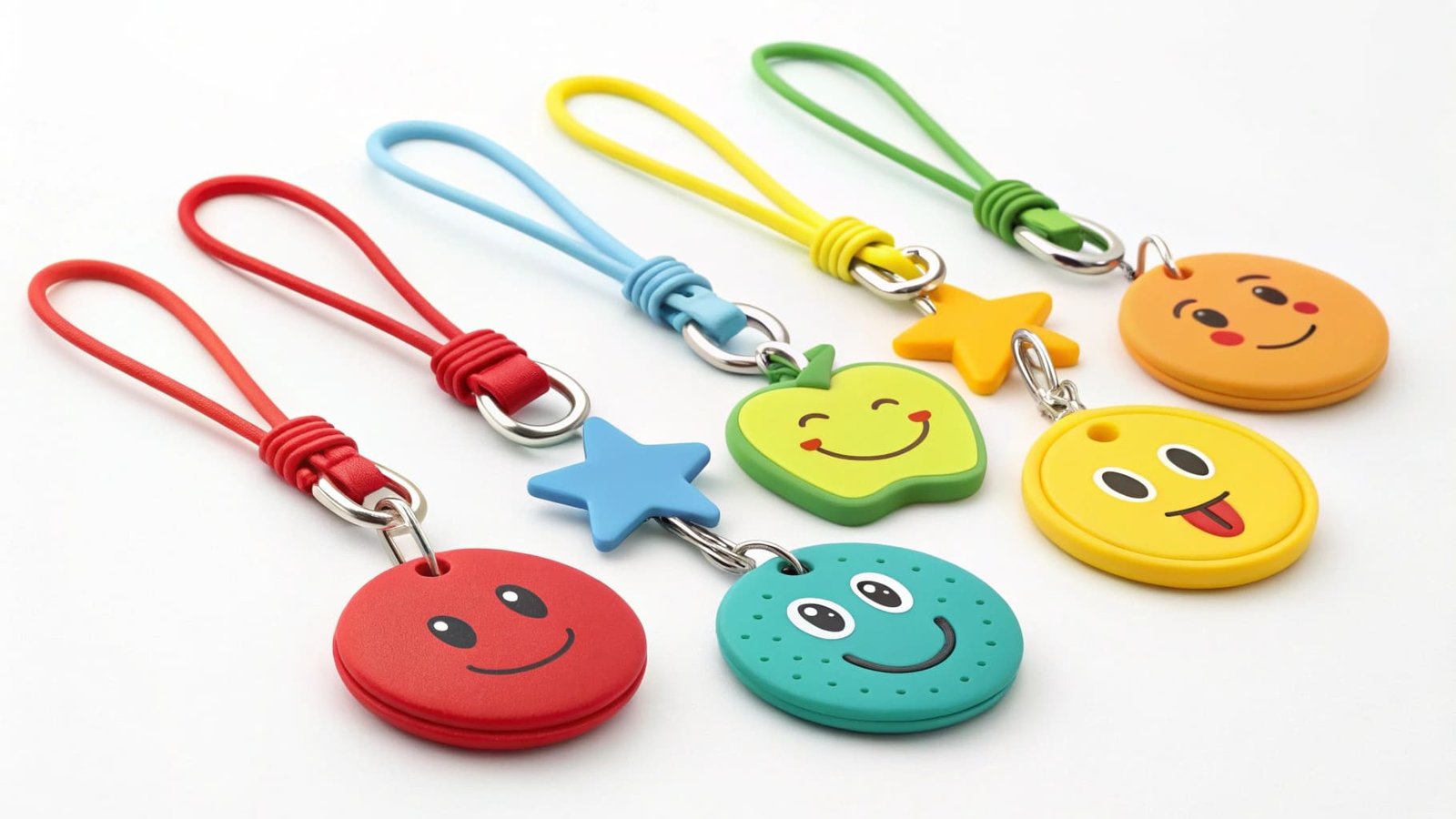
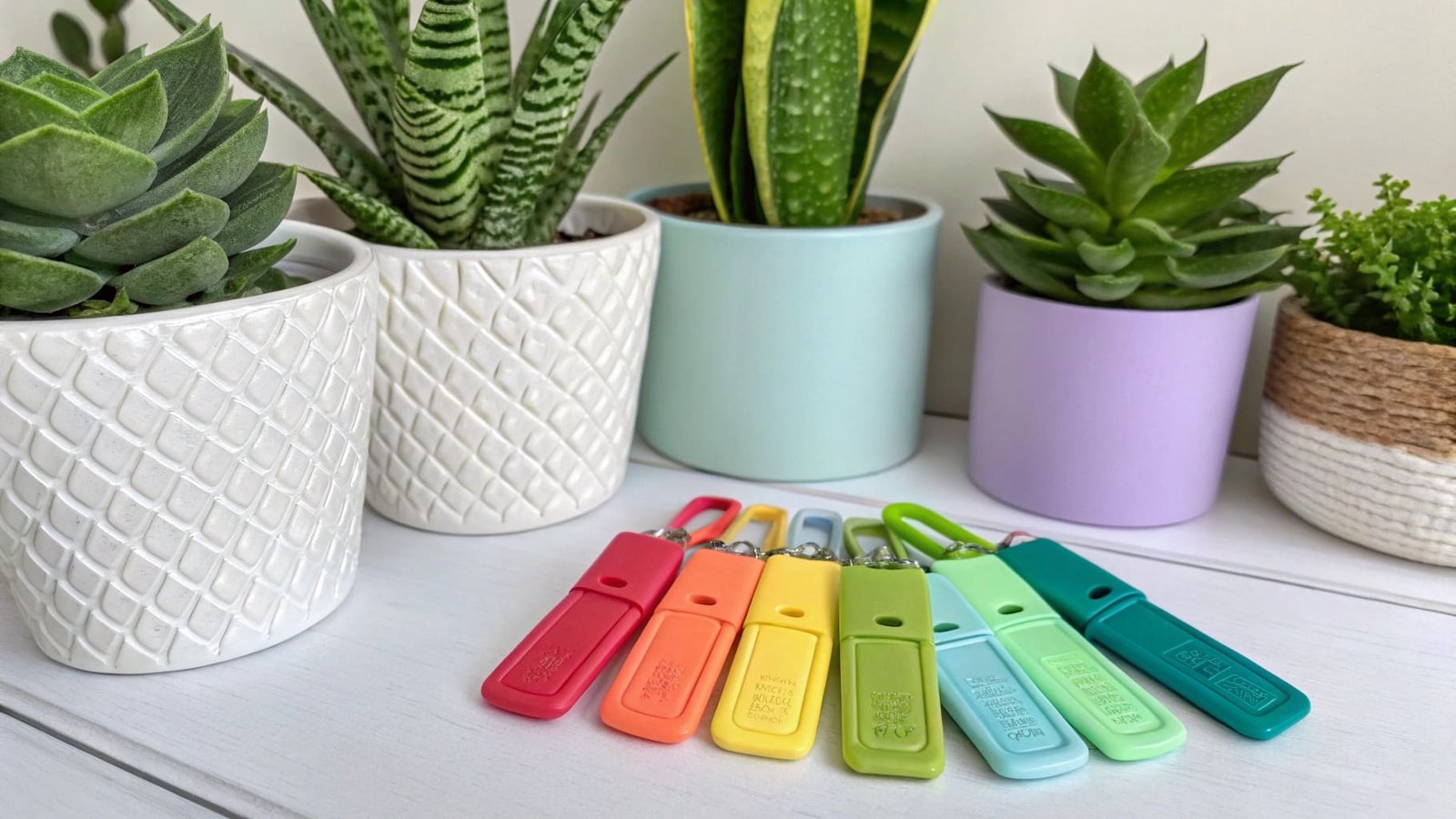
This is where custom silicone zipper pulls change the game completely. You keep your trusted YKK core mechanism. You add a custom silicone pull with your logo, brand colors, or unique shape. Your production line does not change. Your quality stays consistent. But now your product looks different from every competitor.
The economics make perfect sense for wholesale buyers. A standard YKK zipper costs between 0.15 to 0.50 USD depending on size and type. Adding a custom silicone pull adds only 0.08 to 0.15 USD to your total cost. You gain significant brand differentiation for less than 20% additional investment.
I produce custom silicone zipper pulls with minimum orders starting at 3,000 pieces. Compare this to fully custom zipper systems that require 50,000 piece minimums. Small and medium brands can now access customization that was previously only available to luxury manufacturers.
The tooling cost2 also favors silicone customization. A basic silicone pull mold costs between 200 to 800 USD depending on complexity. Custom metal components require molds costing 2,000 USD or more. Your return on investment happens much faster with silicone customization.
What Are the Best Kinds of Zippers?
Your product development team brings you three zipper options. They all look similar. You have no clear way to evaluate which one actually performs better in real use.
The best zipper combines a reliable core mechanism with a pull component that solves user experience problems. Metal zippers work for durability, plastic zippers reduce weight, and coil zippers offer flexibility, but custom silicone pulls enhance all three types.
Material Selection Based on Real Use Cases
I always ask my clients about their end users first. A zipper that works perfectly on a dress shirt will fail immediately on a camping tent. Your material choice must match actual use conditions.
Metal zippers use brass, aluminum, or nickel teeth. They provide maximum strength for heavy-duty applications. I see them most often on jeans, leather jackets, and industrial bags. The problem with metal zippers appears in cold weather or children's products. Metal conducts temperature extremely well. Users complain about cold-touch discomfort in winter. Metal edges can also pinch skin or snag on fabric.
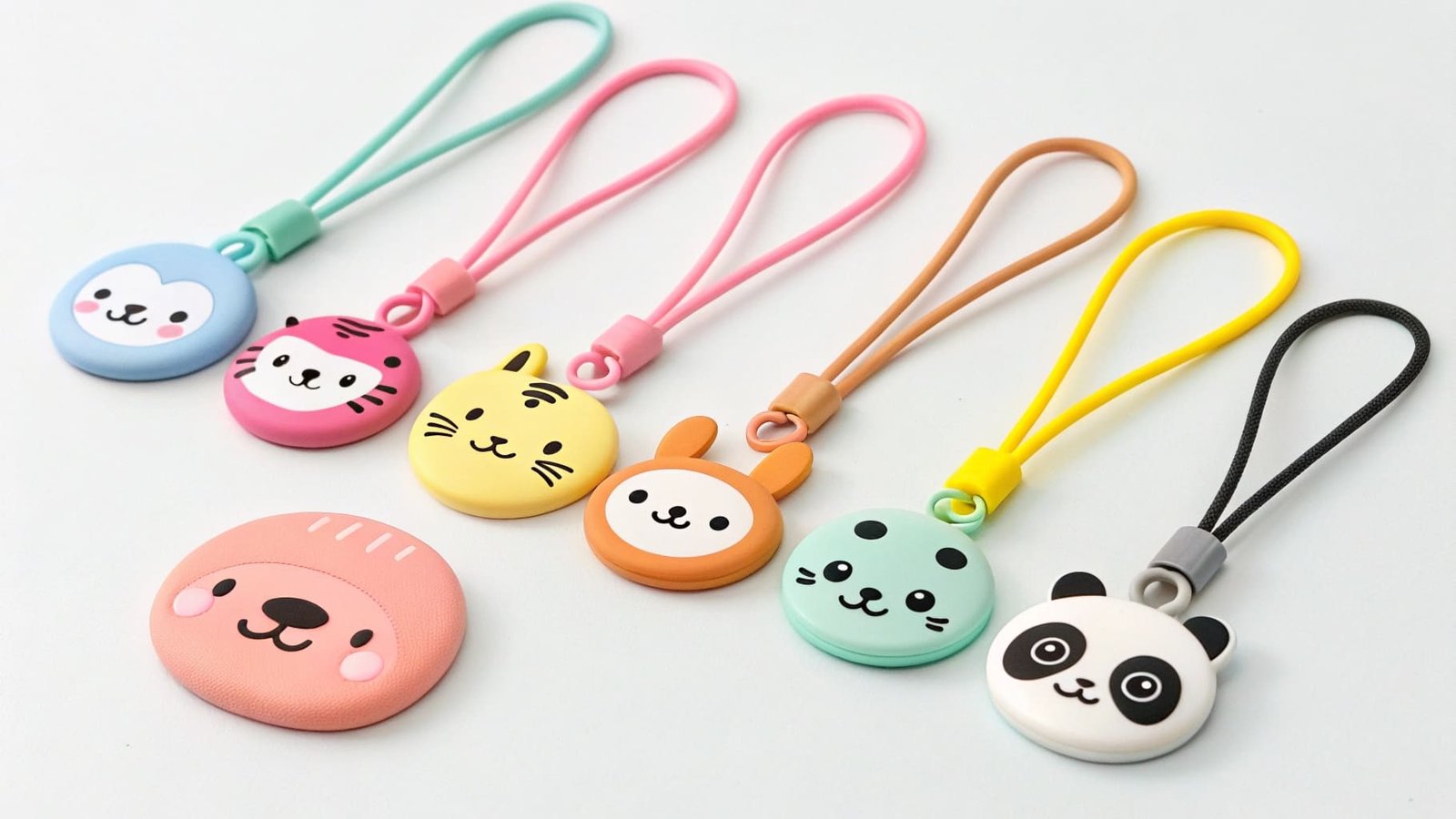
This is where custom silicone pulls solve multiple problems at once. You maintain metal zipper strength for durability. You add a silicone pull that stays comfortable at any temperature. Parents appreciate soft-touch safety for children's clothing. Your product passes safety certifications more easily.
Coil zippers use polyester or nylon spiral teeth. They bend smoothly around curves. Fashion brands prefer coil zippers for their invisible appearance when closed. The weakness is durability under heavy stress. A 50-pound luggage load will eventually damage a coil zipper.
Here is my recommendation framework for wholesale buyers:
| Use Case | Core Zipper Type | Pull Material | Key Benefit |
|---|---|---|---|
| Heavy Luggage | Metal (YKK) | Silicone Custom | Strength + Branding |
| Outdoor Jackets | Metal (YKK) | Silicone Custom | Durability + Comfort |
| Fashion Bags | Coil (SBS) | Silicone Custom | Aesthetics + Touch |
| Children's Wear | Coil (YKK) | Silicone Custom | Safety + Softness |
| Sports Apparel | Coil (YKK) | Silicone Custom | Flexibility + Grip |
Plastic molded zippers offer the lowest cost option. They work well for disposable or single-season products. I rarely recommend plastic zippers for any brand focused on quality positioning. The cost savings disappear quickly when customers experience zipper failures.
The critical point is this. Your core zipper choice should match performance requirements. Your pull choice should match user experience goals and brand identity needs. These are two separate decisions that work together as a system.
I have shipped custom silicone zipper pulls to 28 countries now. The most successful buyers think about the complete zipper system from the start. They specify their performance requirements first. Then they add customization where it creates maximum customer impact. The zipper pull component is where customers actually touch your brand every single day.
Conclusion
Custom silicone zipper pulls give you brand differentiation without sacrificing quality or dramatically increasing costs. They solve safety issues and create customer touchpoints that matter.