Why Do Replacement Lid Gaskets Have High Search Volume Among Wholesalers?
I noticed something strange last quarter. My inbox filled with gasket inquiries. Buyers kept asking the same questions. They needed reliable suppliers fast.
Wholesalers search for replacement lid gaskets1 because their customers face constant sealing failures. Quality gaskets mean fewer returns and happier clients. Smart wholesalers know that consistent supply of reliable gaskets builds long-term business relationships and reduces customer complaints.
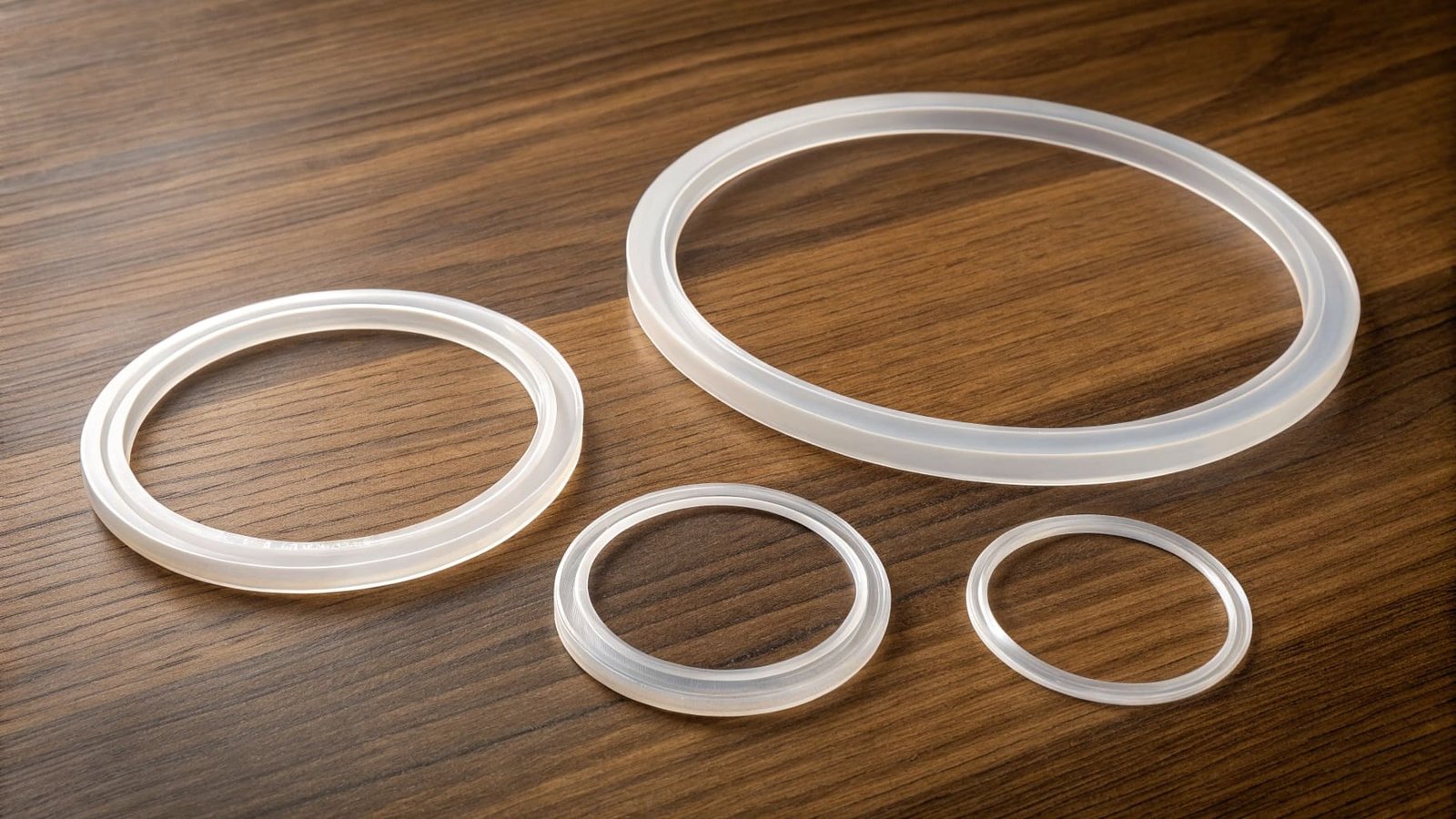
I remember when Mark from Canada first contacted me. He was frustrated. His previous supplier kept shipping inconsistent batches. Some gaskets worked great. Others failed within weeks. He needed answers before his customers lost trust completely. That conversation opened my eyes to what wholesalers really need from gasket suppliers.
What Is the Best Material for a Valve Cover Gasket?
Three years ago, I made a costly mistake. I thought all gasket materials performed the same. My customer proved me wrong when half their order failed quality tests.
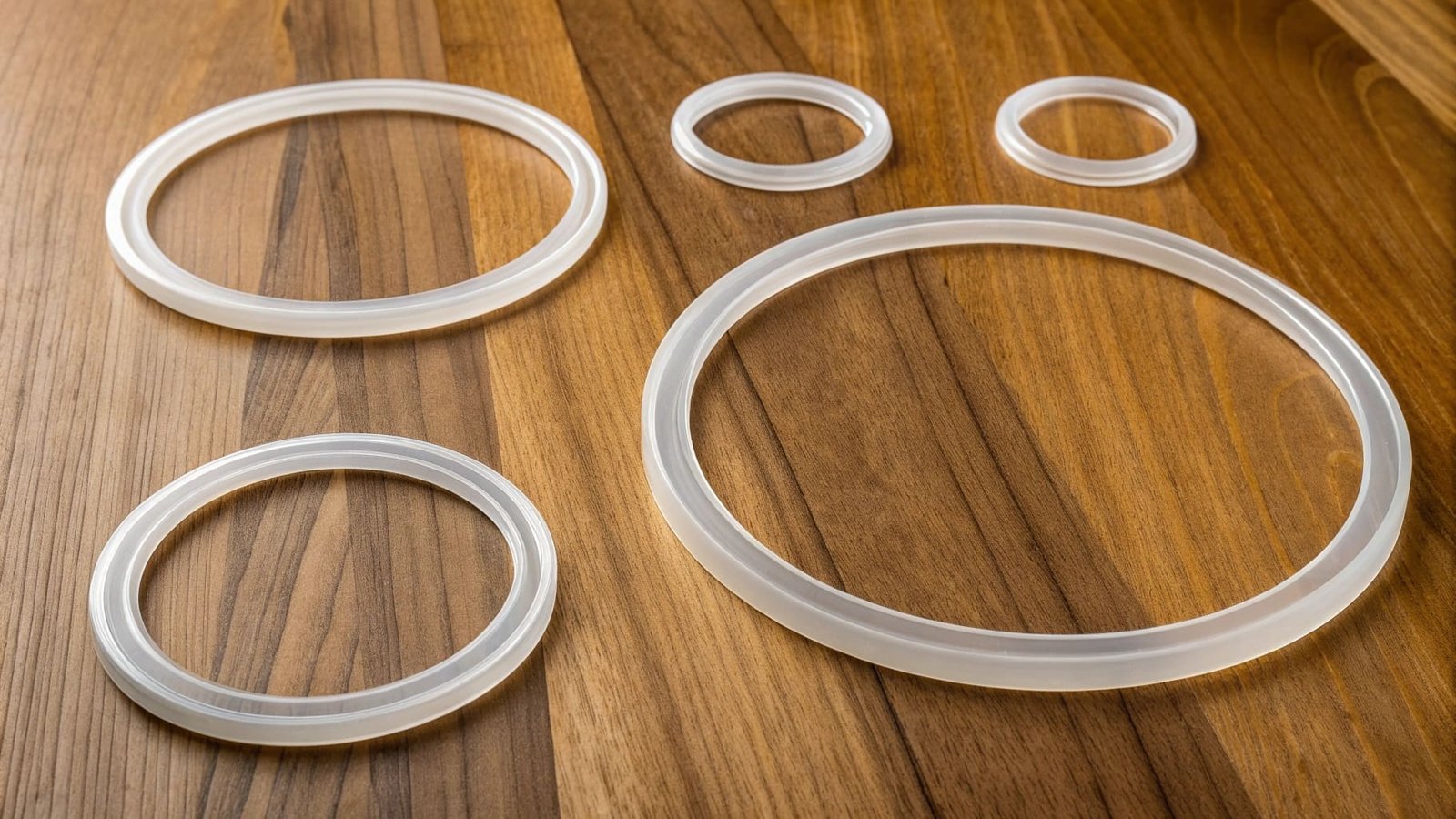
The best material for valve cover gaskets is silicone. It handles extreme temperatures without breaking down. Silicone stays flexible even after thousands of heat cycles. This matters because valve covers expand and contract constantly during operation.
Understanding Gasket Material Performance
I learned this lesson the hard way. Different materials behave differently under stress. Here is what I discovered through testing and customer feedback over the years.
Temperature resistance matters most. Engines generate intense heat. Standard materials crack when exposed to these conditions repeatedly. Silicone handles temperatures from negative forty to three hundred degrees Fahrenheit. I have seen silicone gaskets perform flawlessly in both freezing warehouses and scorching engine bays.
Chemical resistance comes next. Engine oils attack most rubber compounds. Coolants eat away at traditional materials. Silicone resists these chemicals naturally. I tested this myself by soaking different gasket materials in motor oil for thirty days. The silicone samples looked brand new. The rubber samples turned brittle and cracked.
Here is a comparison based on my testing results:
| Material Property | Silicone | Traditional Rubber | Cork |
|---|---|---|---|
| Temperature Range | -40°F to 300°F | -20°F to 180°F | -10°F to 150°F |
| Oil Resistance | Excellent | Poor | Very Poor |
| Compression Set | Minimal | Moderate | High |
| Service Life | 5-10 years | 1-3 years | 6-12 months |
| Reusability | Yes | Limited | No |
Compression set resistance determines gasket longevity. When bolts compress a gasket, the material should bounce back. Silicone maintains this property throughout its life. I demonstrated this to Mark by squeezing samples in my hand. The silicone sprang back immediately. The rubber stayed compressed.
Which Is Better: Rubber or Silicone Valve Cover Gaskets?
I lost a major client because I recommended the wrong gasket type. They needed durability. I sold them economy rubber gaskets. The callbacks destroyed their profit margins.
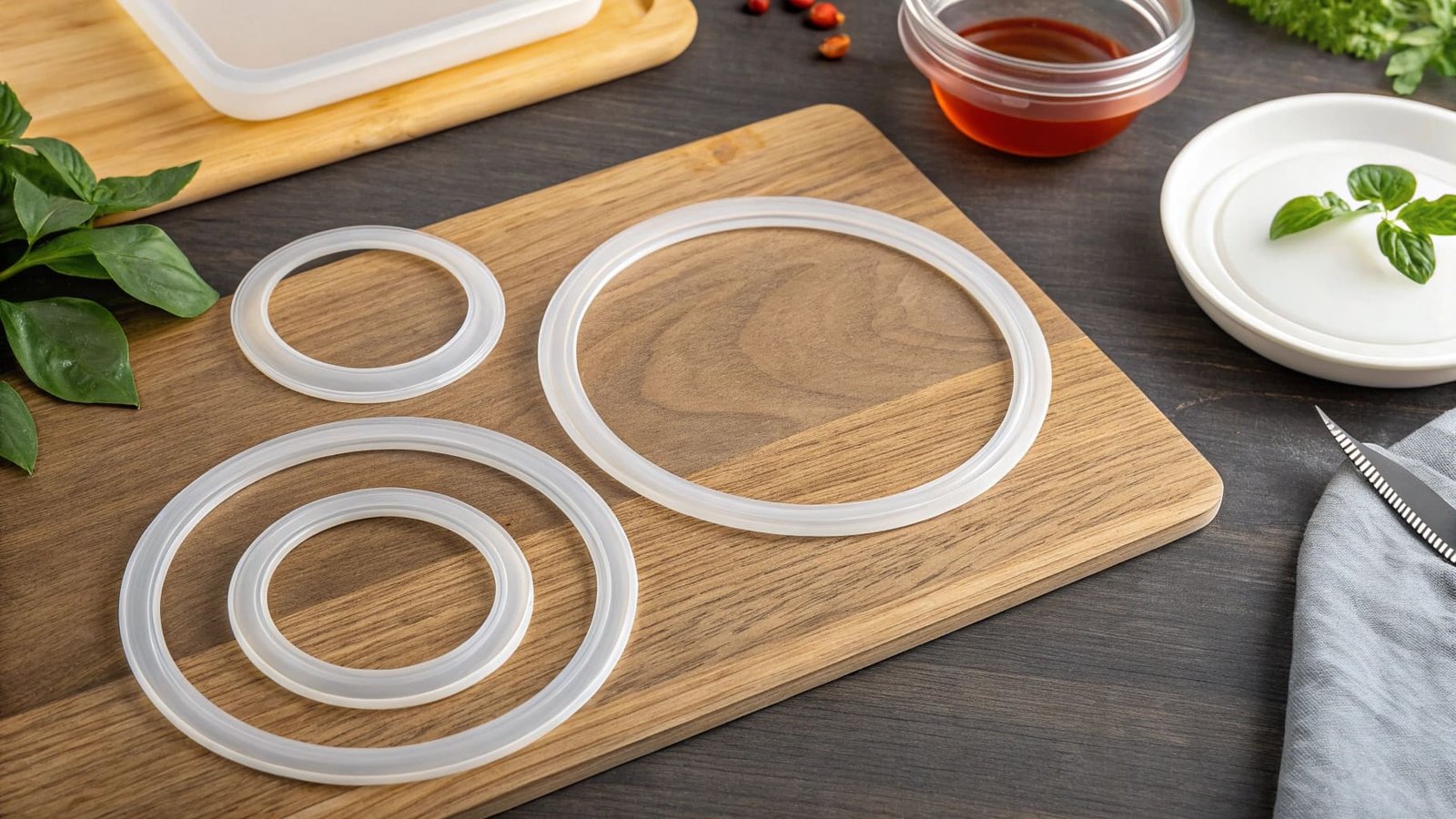
Silicone valve cover gaskets outperform rubber in almost every application. Silicone lasts longer, seals better, and handles harsh conditions without degrading. While rubber costs less initially, silicone saves money through reduced replacement frequency and fewer warranty claims.
Real-World Performance Comparison
Let me share what happened when Mark switched from rubber to silicone. His company distributed gaskets to automotive repair shops across Canada. The rubber gaskets generated complaints every month. Shops reported leaks after just months of service. Some gaskets hardened so badly that they cracked during installation.
I suggested he try our silicone lid gaskets instead. He was skeptical about the higher price. But I explained the math. Rubber gaskets might cost two dollars each. Silicone gaskets cost four dollars. However, silicone gaskets last three to five times longer. His customers would actually spend less money over time.
Mark ran a pilot program with ten shops. After six months, the results were clear. Zero callback complaints from silicone users. The rubber gasket shops still called with problems. His customers started requesting silicone specifically.
Here is what makes silicone superior:
| Performance Factor | Why Silicone Wins |
|---|---|
| Heat Cycling | Maintains flexibility after thousands of cycles |
| Chemical Exposure | Resists oil, coolant, and cleaning solvents |
| Installation | Reusable if removed carefully |
| Storage Stability | Does not deteriorate on warehouse shelves |
| Cold Weather | Stays pliable in freezing conditions |
I also discovered another advantage through customer feedback. Silicone gaskets are easier to install. Mechanics do not need gasket sealers or adhesives. The material grips surfaces naturally. This saves labor time and reduces installation errors. Rubber gaskets often require additional sealing compounds to prevent leaks.
Who Makes the Best Aftermarket Gaskets?
Two years ago, a buyer asked me this direct question. I gave him supplier names. He came back angry because those suppliers failed him. I realized I was answering the wrong question.
The best aftermarket gaskets come from manufacturers who combine quality materials with strict process controls. Look for suppliers who test every batch, maintain certifications, and provide clear product specifications. The company name matters less than their commitment to consistency and customer support.
Evaluating Gasket Manufacturers
I developed a checklist after losing too many potential customers to quality issues. This process helps me identify reliable manufacturing partners and avoid suppliers who make big promises but deliver inconsistent products.
Material sourcing comes first. I ask suppliers where they buy raw silicone. Food-grade silicone costs more but performs better. Some manufacturers cut corners with inferior materials. I learned to request material certificates before placing orders. Good suppliers provide these documents without hesitation.
Quality control processes separate good manufacturers from great ones. I visited three factories last year. The first factory had no testing equipment. They relied on visual inspection alone. The second factory tested random samples. The third factory tested every production batch and kept detailed records. Guess which supplier I work with now?
Here is my evaluation framework:
| Quality Indicator | What to Look For | Red Flags |
|---|---|---|
| Testing Equipment | Compression testers, durometer, temperature chambers | No testing equipment visible |
| Documentation | Batch records, test reports, certificates | Cannot provide documentation quickly |
| Process Controls | Written procedures, trained operators, clean facilities | Chaotic workspace, untrained staff |
| Technical Support | Knowledgeable staff who answer questions clearly | Vague answers, no technical knowledge |
| Sample Quality | Consistent dimensions, clean edges, proper packaging | Variations between samples |
Dimensional accuracy matters more than most buyers realize. A gasket that is one millimeter too large or too small will leak. I measure samples from new suppliers using calipers. Good manufacturers stay within tolerances of plus or minus point five millimeters. Poor manufacturers show variations of two millimeters or more.
Customer support reveals manufacturer priorities. I test this by asking technical questions. Great suppliers respond within hours with detailed answers. Poor suppliers take days or give generic responses. When Mark needed custom gaskets for a unique application, his previous supplier said it was impossible. I connected him with a manufacturer who designed a solution within a week.
Certification requirements vary by market. North American buyers need FDA compliance for food-grade applications. European buyers require REACH certification. The best manufacturers maintain multiple certifications because they serve global markets. I keep a file of certification documents from each supplier. This saves time when customers request proof of compliance.
Conclusion
Finding reliable gasket suppliers transforms your wholesale business. Quality materials and consistent manufacturing create satisfied customers. I learned these lessons by making mistakes and fixing them.
-
Explore the advantages of replacement lid gaskets for improved sealing and customer satisfaction. ↩