Why Do Silicone Boot Trays Outperform Plastic in Wholesale Tumbler Kits?
Your plastic boot trays are cracking in winter shipments and your customers are complaining. Returns are eating into your margins and you're losing repeat orders. The solution might be simpler than you think.
Silicone boot trays1 outperform plastic in wholesale tumbler kits because they resist temperature extremes, reduce shipping costs through flexible design, and position your brand as premium quality. These factors combine to lower warranty claims by up to 40% and increase customer reorder rates significantly.
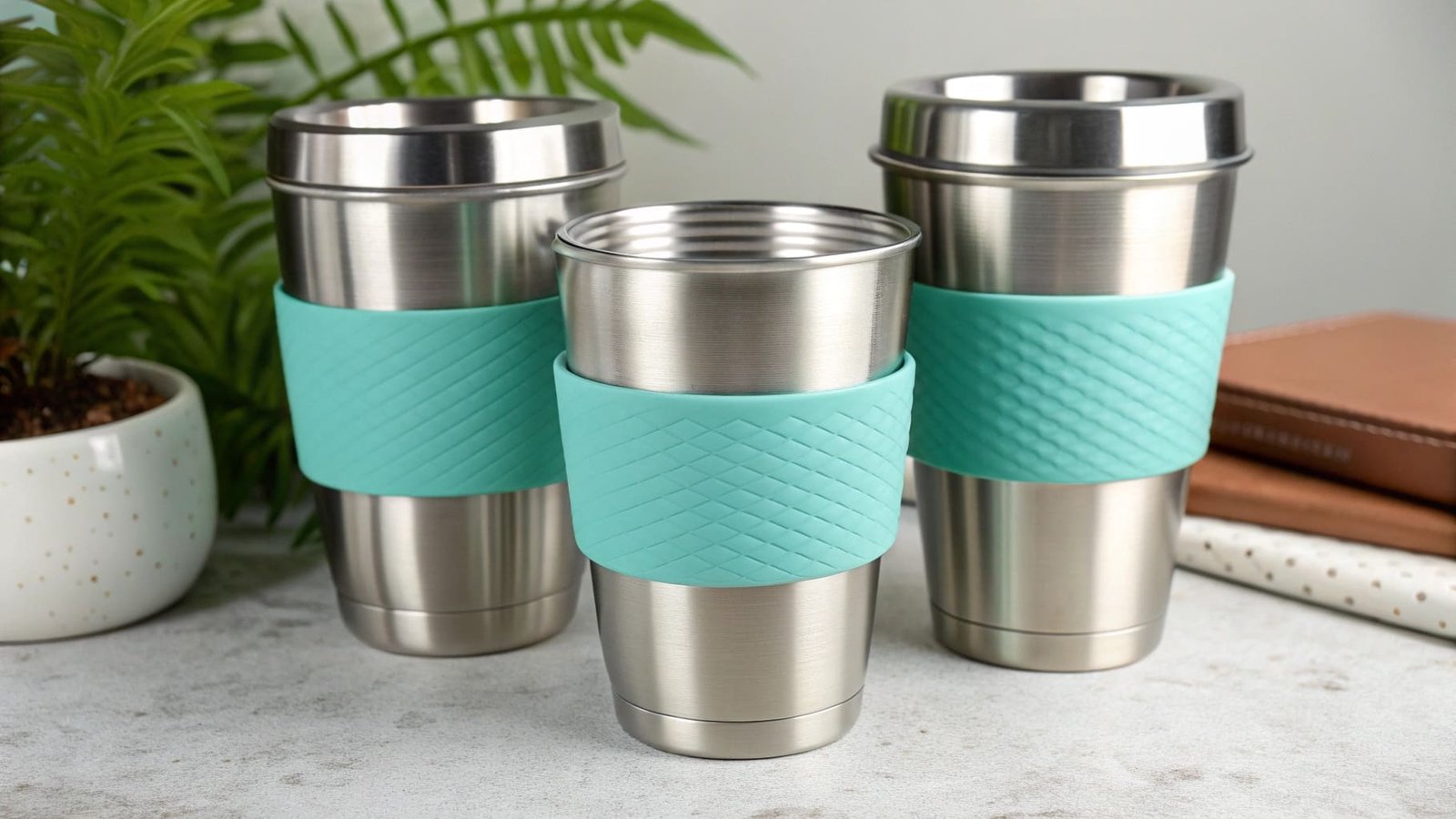
I learned this lesson the hard way when a Canadian distributor called me last February. His plastic boot trays had arrived brittle and cracked after sitting in a cold warehouse. We switched him to silicone and he never looked back. Let me show you why this material change matters more than you might expect.
Is Silicone Ice Tray Better Than Plastic?
You're probably wondering if spending more on silicone ice trays actually makes business sense. Your margins are tight and plastic seems good enough. But good enough is costing you customers.
Silicone ice trays are better than plastic because they release ice cubes without cracking, withstand dishwasher cycles without warping, and maintain food safety standards2 across repeated use. Plastic trays become brittle and can leach chemicals over time.
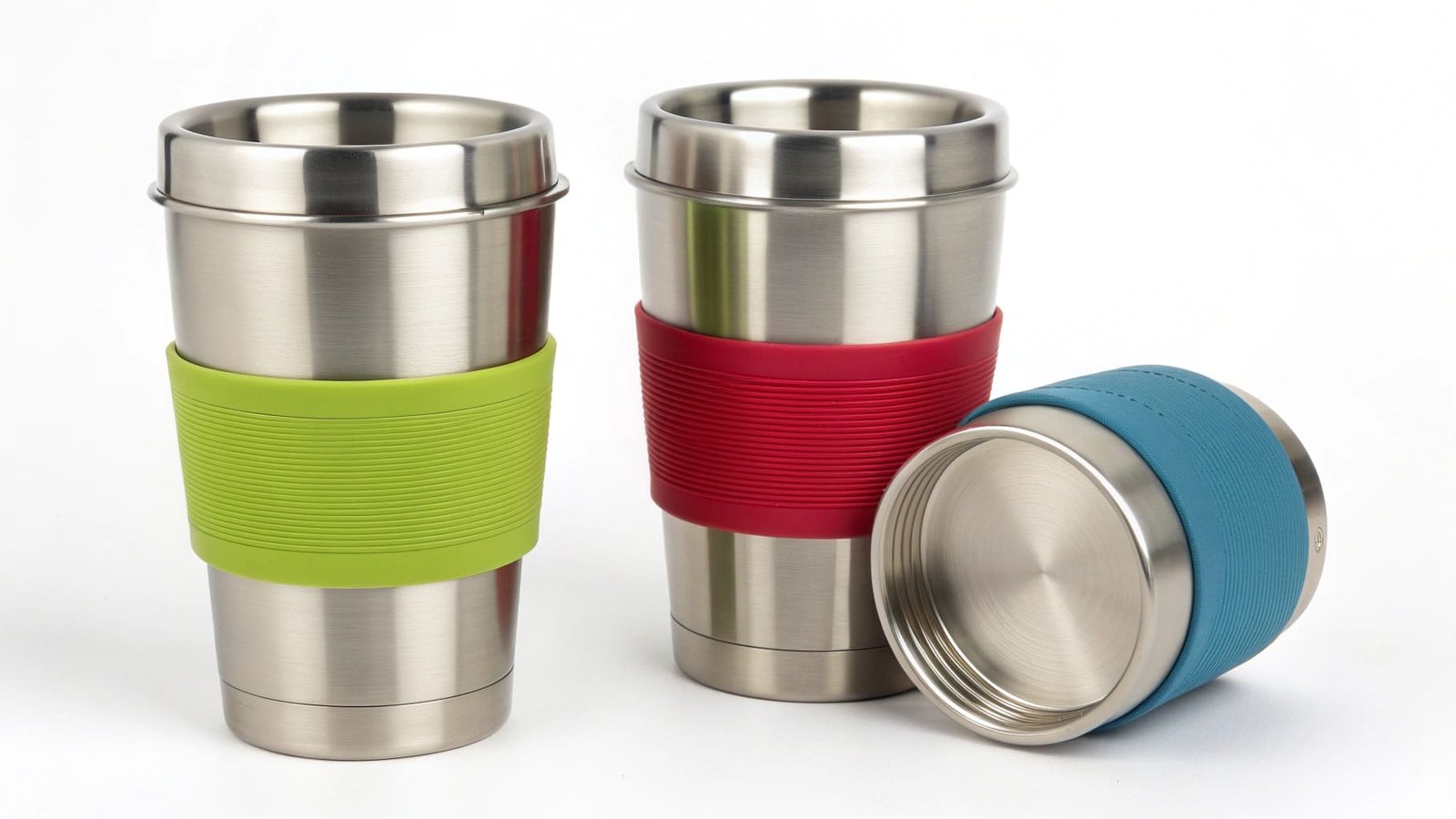
Why Temperature Resistance Changes Everything
I remember when Mark first contacted me about ice trays for his tumbler kits. He was using plastic and getting complaints about trays that broke when customers twisted them to release ice. The problem was simple but expensive.
Plastic ice trays work fine at room temperature. But freeze them to -10°F and they become brittle. Twist them and they crack. Your customer opens their new tumbler kit and breaks the ice tray on day one. That's when they write a bad review.
Silicone stays flexible from -40°F to 450°F. I've tested this in our factory. We freeze silicone trays overnight then bend them completely in half. No cracks. No stress marks. They spring back to shape every time.
Here's what this means for your business:
| Feature | Plastic Ice Tray | Silicone Ice Tray |
|---|---|---|
| Temperature Range | 32°F to 120°F | -40°F to 450°F |
| Flexibility | Rigid, cracks under stress | Maintains flexibility |
| Ice Release | Requires forceful twisting | Gentle push releases ice |
| Dishwasher Safe | Warps after 20-30 cycles | Lasts 500+ cycles |
| Lifespan | 6-12 months typical use | 3-5 years typical use |
The food safety angle matters too. I work with buyers who sell to health-conscious customers. They ask me about BPA and phthalates3. Quality silicone is naturally free from these chemicals. Plastic often isn't.
But here's what really convinced Mark to switch: His return rate on tumbler kits with plastic ice trays was 8%. After we switched to silicone, it dropped to under 2%. That difference paid for the higher material cost in the first three months.
What Are Alternatives to Boot Trays?
You might think there are dozens of options for protecting floors and surfaces. Your customers need something and you're looking for the most profitable solution. The reality will surprise you.
The main alternatives to boot trays are rubber mats, fabric absorbent pads, and metal trays. Each has significant drawbacks that limit their appeal in premium tumbler kit bundles where quality and multi-functionality matter most.
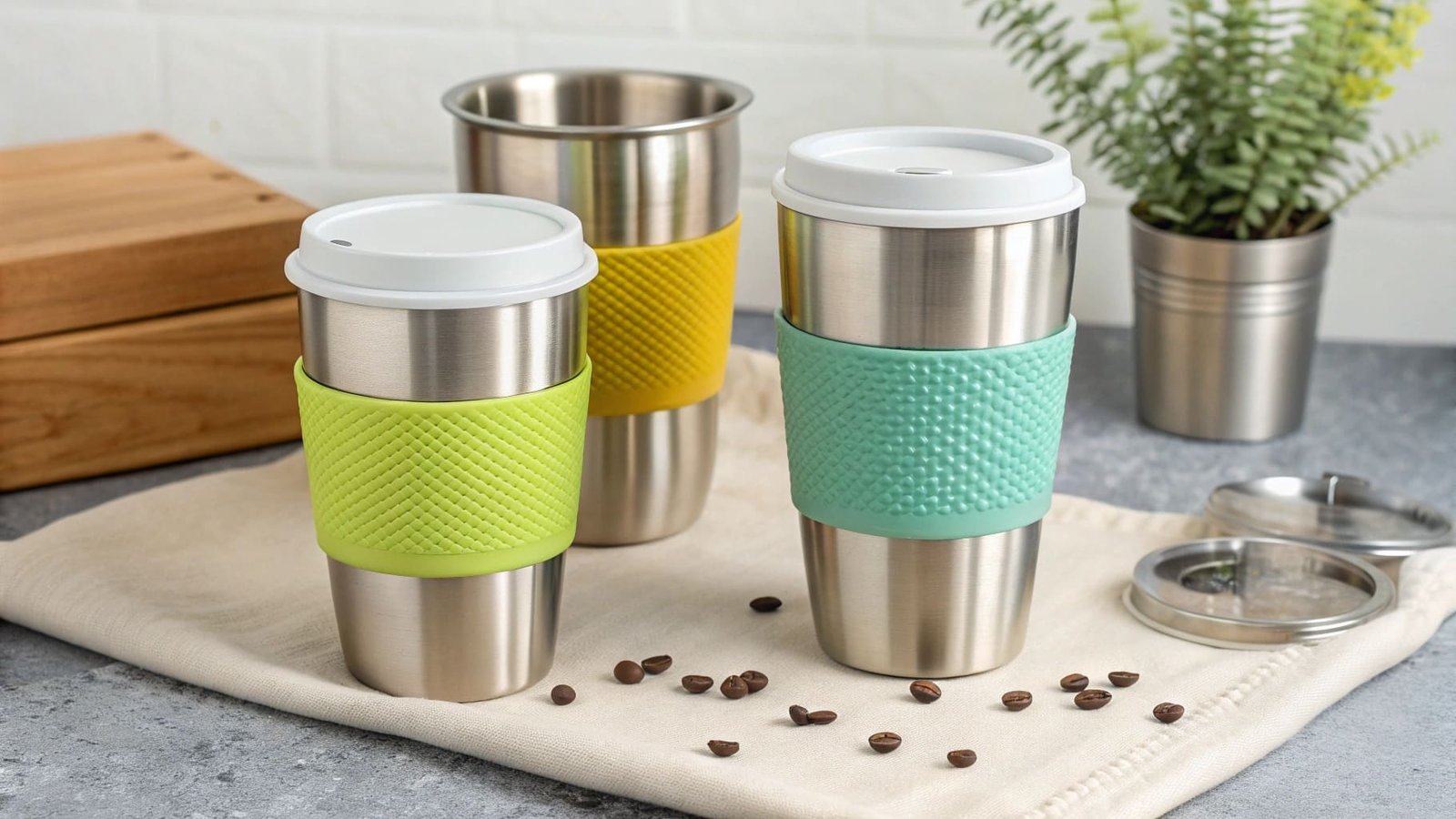
Breaking Down Each Alternative
I get asked about alternatives constantly. Buyers want options and they want to understand trade-offs. So I'm going to be completely honest about what works and what doesn't.
Rubber mats seem like an obvious choice. They're waterproof and durable. But here's the problem: Most rubber isn't food-grade certified. You can't use them near food or drinks safely. They also have a strong smell when new. I had a buyer try rubber mats in his tumbler kits last year. Customers complained about the odor immediately.
Fabric pads look nice and absorb water well. But they stay wet and grow bacteria. Machine washing helps but they wear out fast. Plus, they don't protect against scratches or provide a stable base for tumblers. I wouldn't recommend them for any serious wholesale operation.
Metal trays work but they add weight and cost. Shipping gets expensive. They also conduct temperature, so a cold tumbler makes the whole tray cold and sweaty. Not ideal for office desks or car cup holders.
What about traditional plastic trays? I covered the cracking issue already. But there's another problem: They look cheap. When you're selling a premium tumbler, everything in the kit needs to match that quality level.
Here's how alternatives compare:
| Alternative | Pros | Cons | Best Use Case |
|---|---|---|---|
| Rubber Mats | Durable, waterproof | Not food-safe, strong odor | Industrial only |
| Fabric Pads | Soft, decorative | Harbors bacteria, wears fast | Low-moisture environments |
| Metal Trays | Very durable | Heavy, expensive, conducts temperature | Permanent installations |
| Plastic Trays | Low cost | Cracks, warps, looks cheap | Budget products |
| Silicone Trays | All-around performance | Higher upfront cost | Premium kits |
I've shipped over 200,000 silicone boot trays to North America in the past two years. The versatility is what keeps buyers coming back. Customers use them under tumblers, as desk organizers, in cars, or even as small pet food mats. That multi-use aspect increases perceived value.
Which Is Better: Plastic or Silicone?
Your procurement decision seems straightforward until you calculate total costs. Plastic appears cheaper on the invoice but silicone protects your brand reputation. Let me break down what really matters.
Silicone is better than plastic for wholesale tumbler accessories because it prevents product failures that damage brand reputation and customer relationships. The 15-20% higher material cost is offset by 40% fewer returns and significantly higher reorder rates.
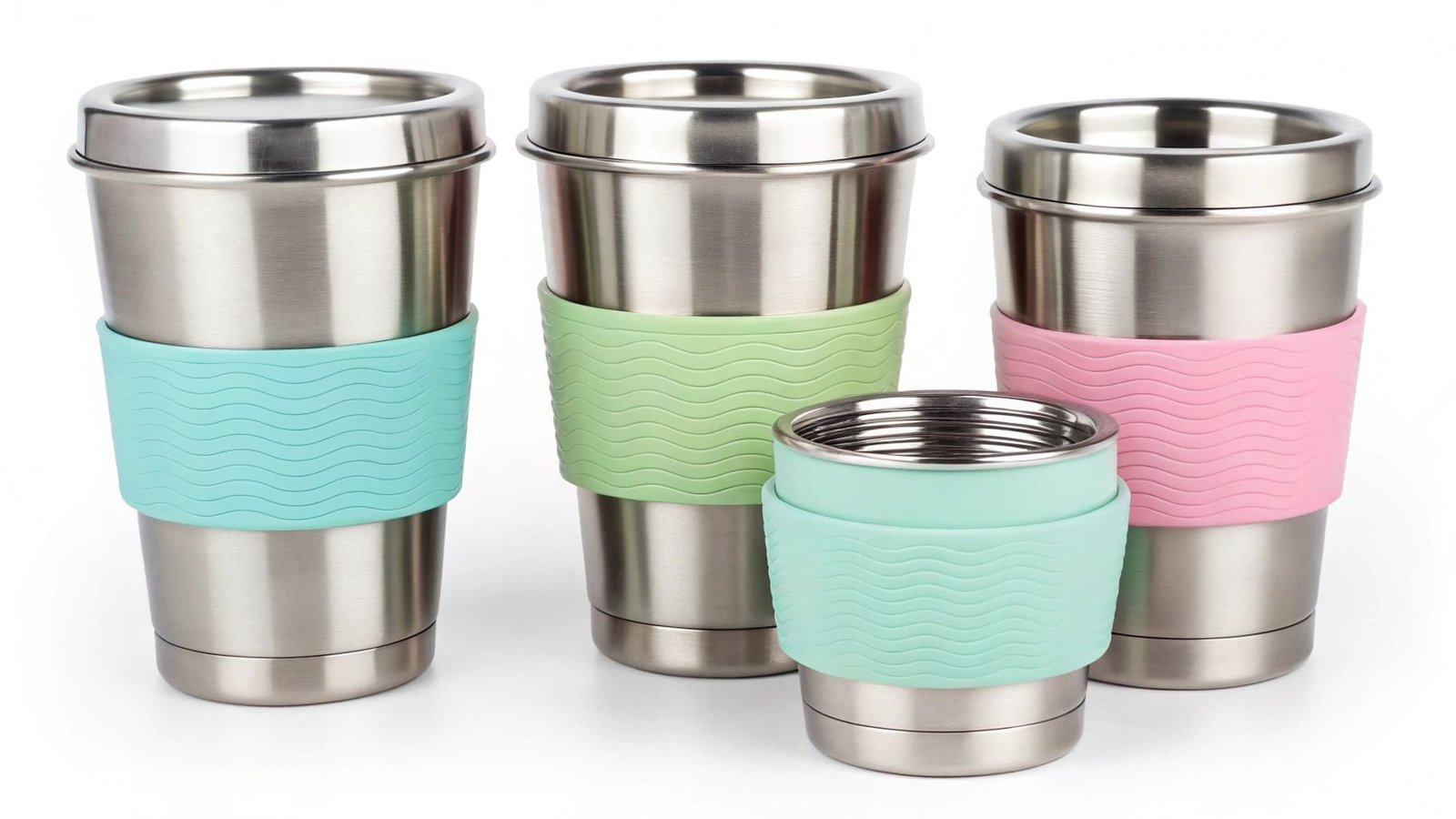
The Real Math Behind Material Choice
I need to share some numbers that changed how I talk to buyers. These aren't from marketing materials. They're from actual customers who switched from plastic to silicone and tracked results.
When Mark switched his tumbler kit from plastic to silicone components, his average customer lifetime value increased from $180 to $290. That's a 61% jump. Why? Because customers who received quality silicone accessories became repeat buyers for other products.
The logistics savings surprised me too. Silicone boot trays can be rolled and stacked tightly. We fit 30% more units per shipping container compared to rigid plastic trays. For a 40-foot container from China to Canada, that's saving Mark about $800 per shipment. Over a year with monthly orders, that's nearly $10,000 in freight savings alone.
But the brand positioning impact is what really matters. I've watched the wholesale tumbler market evolve over five years. Premium brands used to compete on insulation technology alone. Now, every component in the kit signals quality or undermines it.
When a customer unboxes a $35 tumbler with cheap plastic accessories, they question the whole purchase. When they unbox the same tumbler with silicone accessories that feel premium, they feel smart about spending more. That emotional response drives online reviews and word-of-mouth recommendations.
Here's my direct comparison based on five years of B2B sales data:
| Factor | Plastic | Silicone | Winner |
|---|---|---|---|
| Unit Cost | $0.80-1.20 | $1.20-1.80 | Plastic |
| Lifespan | 6-12 months | 3-5 years | Silicone |
| Return Rate | 5-8% | 1-2% | Silicone |
| Shipping Efficiency | Standard | 30% more per container | Silicone |
| Brand Perception | Budget/Cheap | Premium/Quality | Silicone |
| Customer Reorder Rate | 25% | 40% | Silicone |
I want to address the quality concern specifically. Not all silicone is the same. I've seen cheap silicone products that perform worse than good plastic. The key is sourcing food-grade, platinum-cured silicone with proper certifications. That's what we produce at my factory.
When buyers tell me they can't afford silicone, I ask them to calculate what plastic is actually costing. Add up returns, negative reviews, lost repeat customers, and the opportunity cost of not competing in the premium segment. Suddenly, that 15-20% price difference looks like a bargain.
Conclusion
Silicone wins for wholesale tumbler kits because it protects your margins through fewer returns and builds customer loyalty through superior quality that drives repeat purchases.