Can Hydration Bladder Connectors Be Customized for Private Label Brands?
If you run a private label brand, you already know that small details decide whether customers come back. But most brands stop at the bladder itself and ignore the connector. That is a mistake that costs you customers.
Hydration bladder connectors can be fully customized for private label brands.1 You can choose tube diameter, bite valve design, attachment clip style, and even color. A good silicone manufacturer will work with your specs from the start and help you build a connector system that fits your brand.
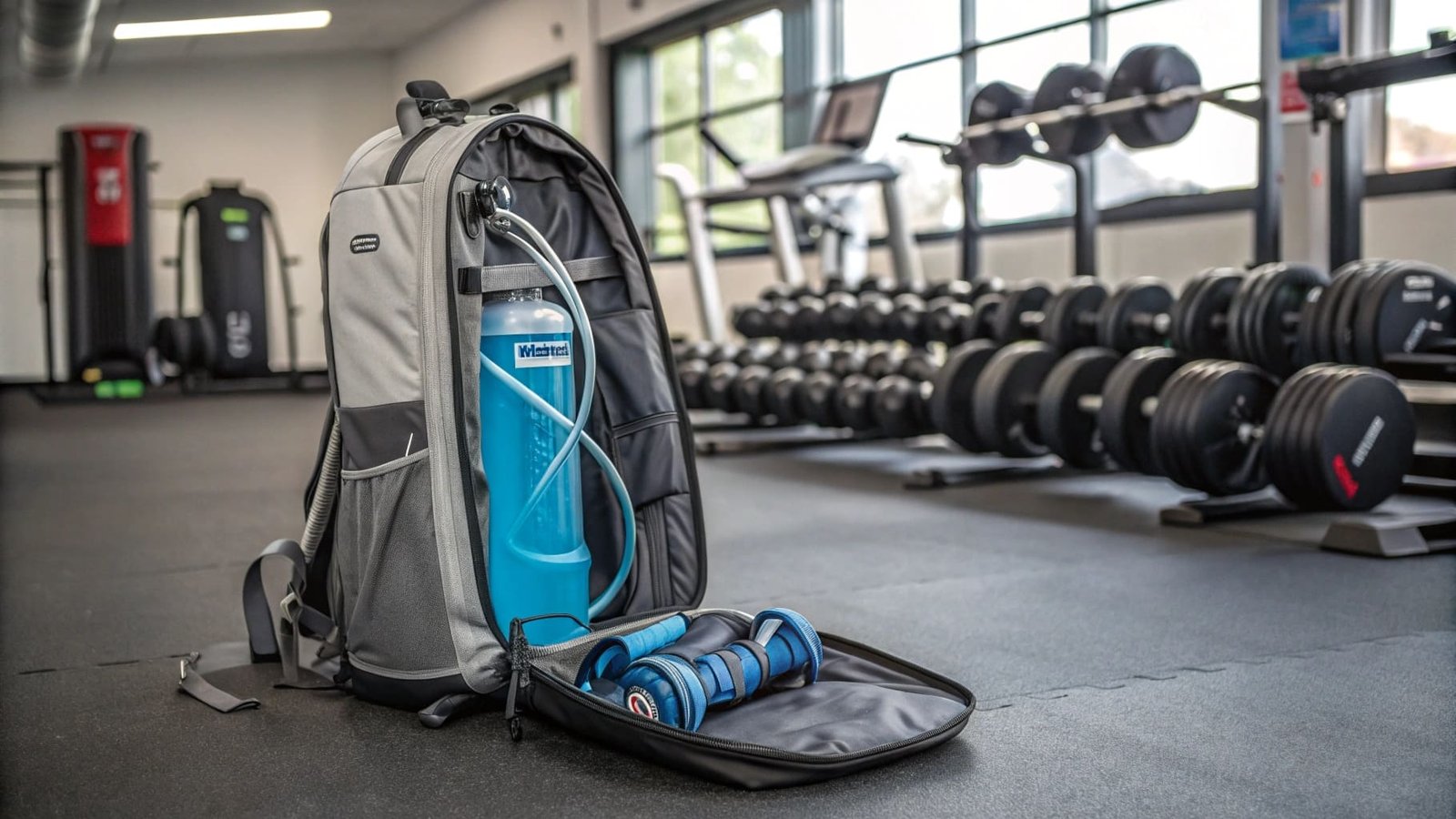
Most brands in the hydration market think about capacity first. They compare liters, test materials, and move on. But the connector is what your customer touches every single time they take a drink. It is the part that breaks first, grows mold first, and gets complained about first. If you get the connector right, you get the whole product right. I will walk you through three things that matter most when you go this route.
How to Attach a Hydration Bladder to a Pack?
You have a great bladder. Your customer buys it, stuffs it into their pack, and cannot figure out how to route the tube. That one moment can ruin the whole experience.
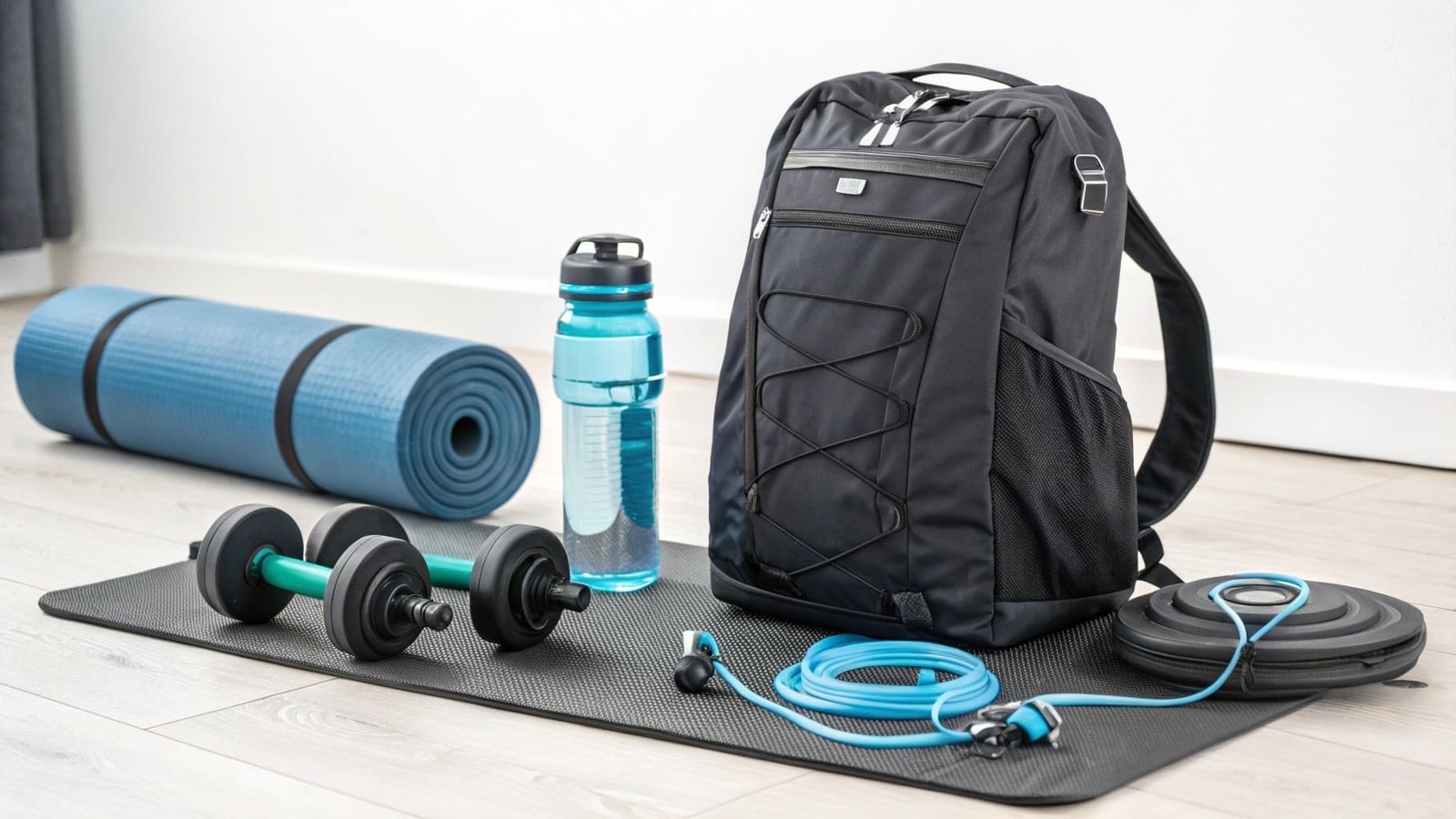
Most hydration bladders attach to a pack through a sleeve inside the main compartment, with the tube routed through a small port on the shoulder strap or top of the pack.2 The connector clips onto the strap with a simple magnetic or plastic clip to keep the tube in place while the user is moving.
What Makes an Attachment System Actually Work?
The attachment point sounds simple. In practice, it causes more frustration than almost any other part of the system. Here is why.
Backpack makers do not use a single standard. Some use a 6mm tube port. Others use 8mm. Some route the tube over the left shoulder, some over the right, and some through the top. If your connector system is too rigid, it will not work across different packs. If it is too loose, the tube swings around and pulls out of the port.
The best private label brands solve this with an adjustable clip system. A clip that works on straps between 10mm and 35mm wide covers most packs on the market. Magnetic clips add one more layer of convenience. The user can pull the tube free with one hand and it snaps back without looking.
Here is a quick look at how attachment options compare:
| Attachment Type | Best For | Key Benefit | Limitation |
|---|---|---|---|
| Standard plastic clip | Budget products | Low cost | Limited adjustability |
| Magnetic clip | Premium products | One-hand operation | Higher unit cost |
| Adjustable buckle clip | Multi-use products | Works on most strap widths | Slightly bulkier |
| Proprietary mount | Brand-exclusive packs | Full brand control | Limits compatibility |
For private label brands, the adjustable magnetic clip is the best starting point. It works across more packs, which means fewer customer complaints, and it signals quality to the buyer.
How Big of a Hydration Bladder Do I Need?
Pick the wrong size and your customer either runs out of water on a long hike or carries extra weight they did not need. Neither makes them happy.
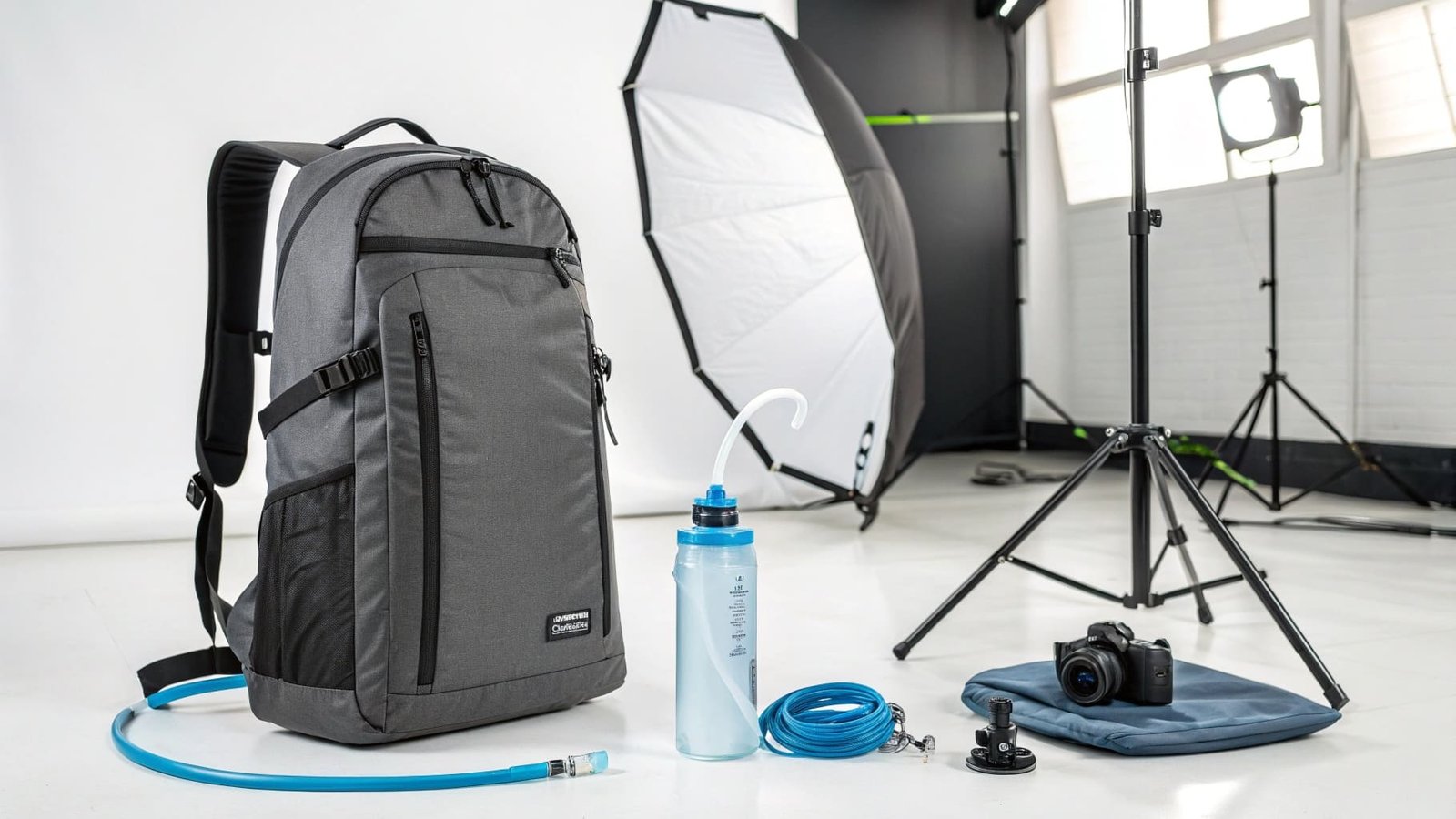
The right bladder size depends on the activity. A 1.5-liter bladder works well for day hikes, commutes, and gym sessions. A 2-liter bladder suits most general outdoor use. A 3-liter bladder is the choice for endurance athletes, military use, and anyone spending a full day in the field without a resupply point.3
Should Your Brand Sell One Size or a Range?
This is a real decision with real consequences for your SKU count and your inventory costs.
Selling one size keeps things simple. You buy in larger volumes, your unit cost drops, and you do not have to manage multiple SKUs. But you also push some customers toward a competitor who has the size they want.
Selling a range gives customers options. The risk is that you spread your inventory too thin, especially early on. The smarter path for most private label brands is a modular connector platform. You use the same bite valve, the same clip, and the same tube across all sizes. Only the bladder bag itself changes.
Here is how size maps to user type:
| Bladder Size | Typical User | Activity Duration | Key Selling Point |
|---|---|---|---|
| 1.5 liters | Commuters, gym users | Under 2 hours | Lightweight, compact |
| 2 liters | Day hikers, cyclists | 2 to 5 hours | Best all-around size |
| 3 liters | Endurance athletes, tactical | Full day or more | Maximum capacity |
A modular connector system solves the SKU problem cleanly.4 One connector design across three bladder sizes means your customer can replace parts without buying a whole new system. That builds loyalty and gives you a reason to sell accessories alongside the main product.
How Do I Prevent Mold in My Hydro Pack?
Mold in a hydration bladder is the number one complaint I see across the board. It is also the number one reason customers return a product and never buy from that brand again.
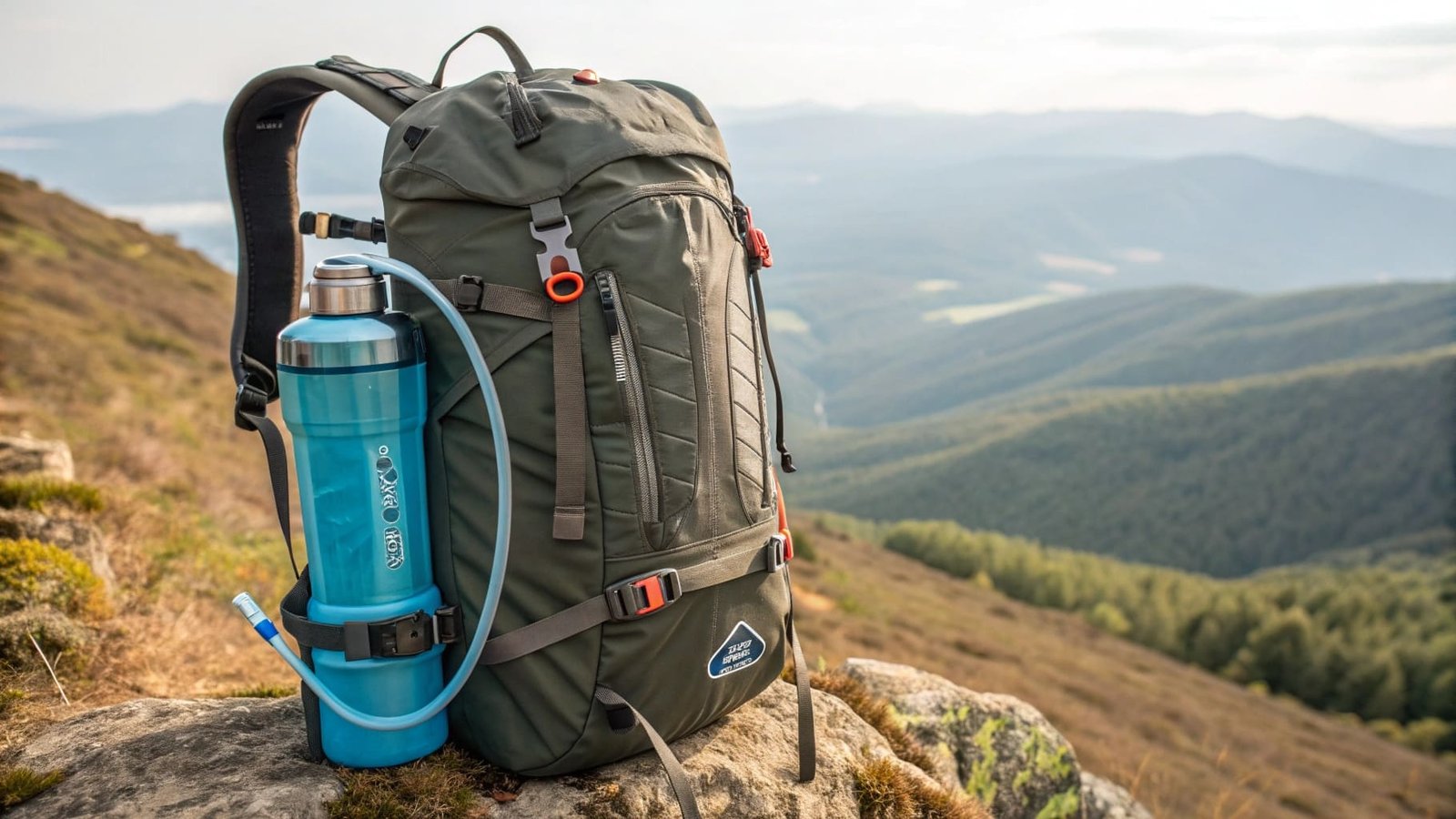
Mold grows in hydration bladders because water sits in the tube, the bite valve, and the connector joints after each use.5 Standard plastic parts have small gaps and ridges where water collects and biofilm builds up fast. Switching to medical-grade silicone for the connector components removes most of that risk because silicone resists biofilm formation at a material level.
How Do You Design a Connector That Stays Clean?
The material matters. But the design matters just as much. A connector made from the best silicone in the world will still grow mold if the user cannot clean it properly.
The biggest design factor is access. Wide-mouth openings on both the bladder fill port and the connector joints let cleaning brushes reach every surface.6 Quick-disconnect joints that pull apart without tools let the user dry each section separately. These two features alone cut mold complaints dramatically.
Here is a breakdown of design choices and how they affect cleanability:
| Design Feature | Effect on Cleanability | Effect on Mold Risk |
|---|---|---|
| Wide-mouth fill port | Brush can reach bottom of bladder | Low |
| Quick-disconnect tube | Full disassembly for drying | Very low |
| Smooth interior walls | No ridges for biofilm to grip | Low |
| Standard plastic joints | Hard to fully dry | High |
| Medical-grade silicone | Resists biofilm at material level | Very low |
There is also a brand opportunity here. Brands that include a simple cleaning guide with the product, or print a short care instruction on the packaging, see fewer returns. The customer does not need to know the material science. They just need clear steps: disconnect, rinse, dry open. When you build a connector that makes those steps easy, you are building a product that earns good reviews.
Working with a silicone manufacturer who understands both the material and the end user is what separates a product that works from a product that builds a brand.
Conclusion
Connector customization is where private label brands win or lose in the hydration market. Get the attachment, size, and mold resistance right and your customers stay loyal.
-
"Rapid and Low-cost Prototyping of Medical Devices Using 3D ... - PMC", https://pmc.ncbi.nlm.nih.gov/articles/PMC4208739/. A manufacturing-design source on silicone or polymer molding supports that component geometry, dimensions, and functional features can be specified through tooling and process design; this provides contextual support for connector customization but does not verify the capabilities of any specific private-label supplier. Evidence role: general_support; source type: research. Supports: Silicone or polymer molding processes can produce customized component geometries and dimensions, supporting the feasibility of customized connector parts.. Scope note: Contextual support rather than direct proof of a particular hydration connector program. ↩
-
"Hydration pack", https://en.wikipedia.org/wiki/Hydration_pack. A general reference on hydration packs describes the basic design as a backpack or pack-compatible reservoir with a drinking tube routed to the wearer, supporting the article’s description of sleeve-and-tube routing at a high level. Evidence role: definition; source type: encyclopedia. Supports: A hydration pack typically contains a water reservoir and a drinking tube routed for access while worn.. Scope note: The source may describe the general configuration without documenting that it is used by 'most' products. ↩
-
"[PDF] 2025 Annual Drinking Water Quality Report - Army.mil", https://home.army.mil/drum/6817/7920/4309/GC_-_2025_Annual_Water_Quality_Report.pdf. Government outdoor or military sources documenting multi-liter hydration carriage and water needs during prolonged field activity provide contextual support for positioning 3-liter reservoirs for long-duration use. Evidence role: case_reference; source type: government. Supports: Military or outdoor guidance uses multi-liter hydration systems and recommends substantial water carriage for long-duration activity.. Scope note: Such sources may support the capacity range and use case but may not state that 3 liters is the single preferred choice for every endurance or tactical user. ↩
-
"Gains from Product Variety: Evidence From a Large Digital ...", https://digitaleconomy.stanford.edu/publication/gains-from-product-variety-evidence-from-a-large-digital-platform/. Research on modular product architecture and component commonality supports that sharing components across variants can reduce variety-management complexity and simplify replacement-part strategies. Evidence role: general_support; source type: paper. Supports: Modular product architectures and component commonality can reduce complexity across product variants.. Scope note: The evidence supports the general product-design principle rather than proving outcomes for hydration bladder connectors specifically. ↩
-
"Mold | US EPA", https://www.epa.gov/mold. Public-health guidance from agencies such as the EPA or CDC states that mold growth requires moisture and is promoted by damp surfaces, supporting the article’s explanation that retained water can increase mold risk in hydration components. Evidence role: mechanism; source type: government. Supports: Mold growth is promoted by persistent moisture and damp surfaces.. Scope note: The source supports the moisture mechanism generally and may not address hydration bladders specifically. ↩
-
"Chapter 7: Equipment, Tools, Buildings, and Sanitation", https://www.fda.gov/media/117425/download. Hygienic-design guidance states that equipment surfaces should be accessible for inspection and cleaning and should avoid inaccessible recesses, supporting the article’s claim that wider openings can improve cleanability. Evidence role: mechanism; source type: institution. Supports: Hygienic-design guidance emphasizes accessibility of surfaces for cleaning and avoidance of hard-to-reach areas.. Scope note: The guidance is usually written for food or sanitary equipment, so its application to hydration bladders is analogous rather than product-specific. ↩