Can Rubber Seal Rings Be Reused in Tumbler Lid Refurbishment Programs?
I deal with this question almost weekly from clients running refurbishment programs. They want to cut costs. They want to be sustainable. But they also need gaskets that won't fail and damage their brand reputation.
Rubber seal rings1 should not be reused in tumbler lid refurbishment programs. The material undergoes permanent deformation during first use. This compromises seal integrity and creates leak risks that outweigh any cost savings.
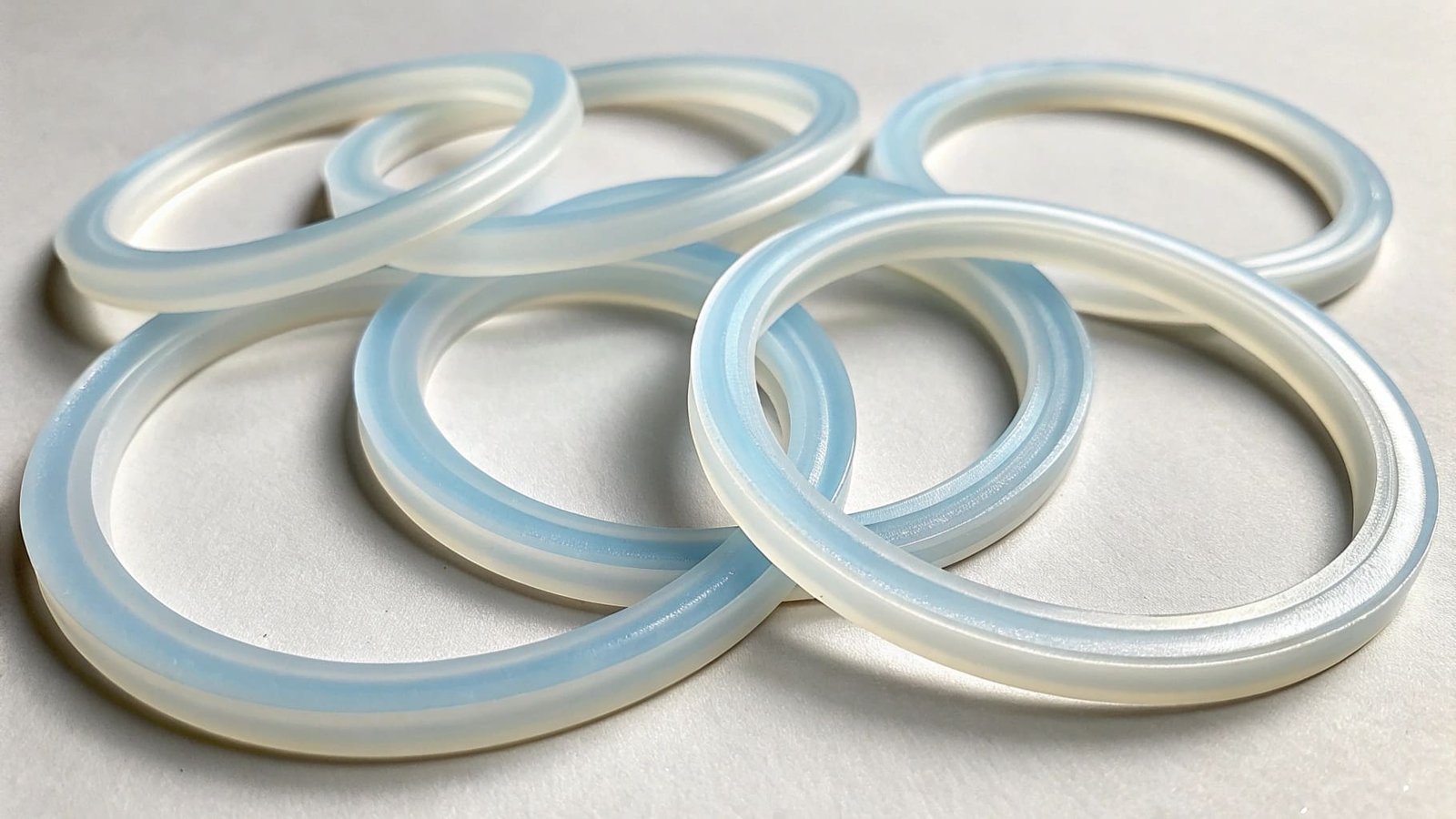
I started silijoy because I saw too many brands make this exact mistake. They saved pennies on gaskets. They lost dollars on customer returns and reputation damage. Let me show you what I've learned from working with both sides of this problem.
Can Rubber Gaskets Be Reused?
You can physically remove and reinstall rubber gaskets. But this doesn't mean you should. I've tested hundreds of reused gaskets in our factory. The failure rate is unacceptably high for commercial applications.
Technically yes, rubber gaskets can be removed and reused. However, the material experiences compression set, surface damage, and loss of elasticity that reduces sealing effectiveness by 30 to 60 percent after the first use cycle.
Why Compression Set Makes Reuse Problematic
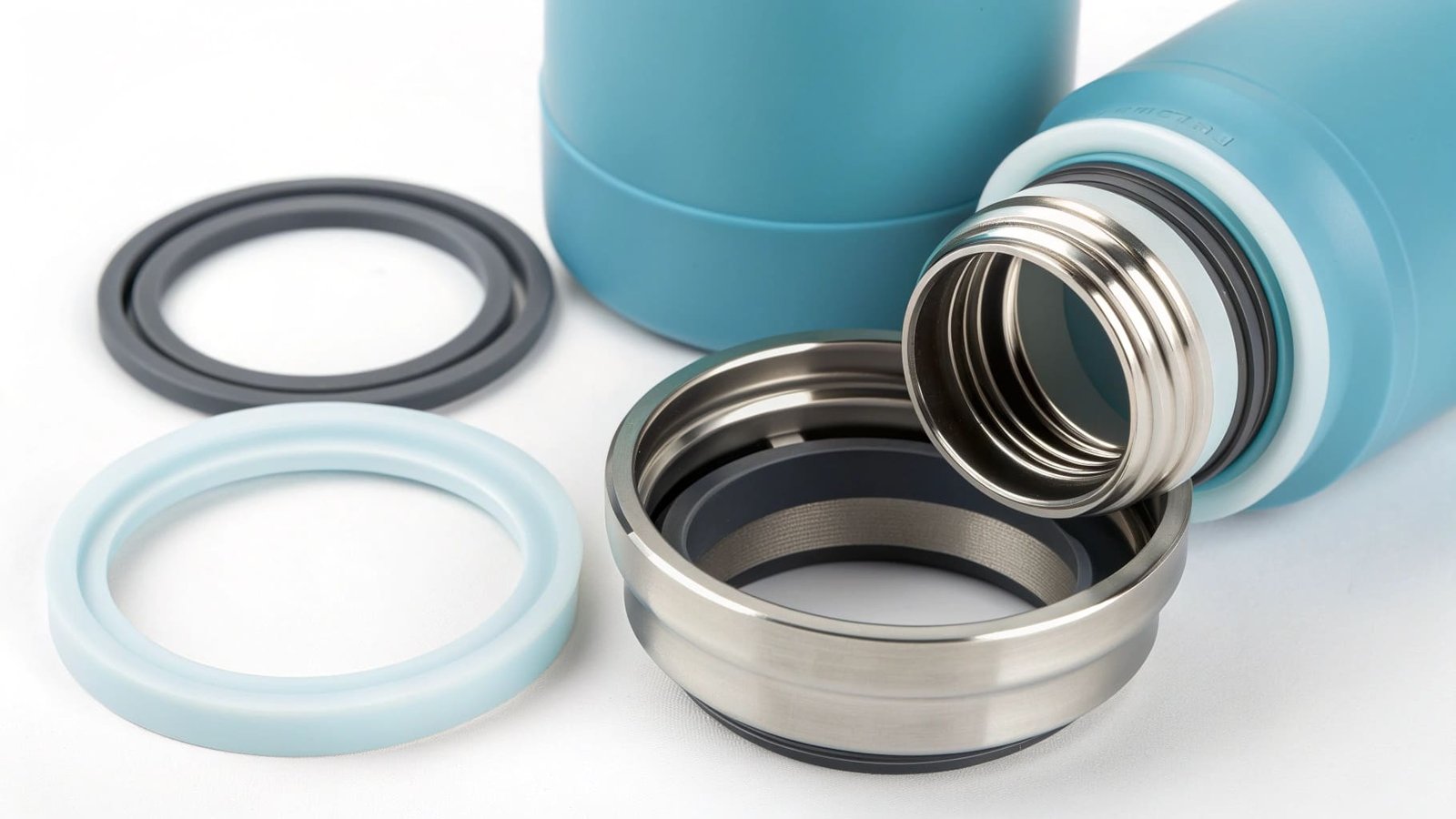
Compression set is permanent deformation. The gasket gets squeezed between the lid and rim. It takes a new shape. This new shape matches the specific lid and tumbler it was used with.
When you try to use that gasket on a different tumbler, the fit is wrong. The seal points don't align properly. Leaks happen.
I run a simple test with all our customers. We take a used gasket. We measure its thickness. Then we compare it to a new gasket. The used one is always thinner. Sometimes by 10 percent. Sometimes by 25 percent.
Here's what happens during compression:
| Stage | Material Behavior | Impact on Reusability |
|---|---|---|
| Initial Installation | Rubber compresses to fill gaps | Creates initial seal |
| First Use Cycle | Molecular chains realign | Permanent deformation begins |
| After Removal | Partial recovery only | 15-30% thickness lost |
| Reinstallation | Incomplete contact | Seal pressure reduced |
Surface Damage During Removal
Removing a gasket always causes some damage. The removal tool scratches the surface. The twisting motion creates micro-tears. These defects look small. But they create leak paths.
I photograph gaskets before and after removal with a microscope. Every single one shows surface damage. Some have visible nicks. Others have micro-cracks that you can't see without magnification.
The problem gets worse with harder removal. If the gasket is stuck from coffee oils or repeated heating, you need more force. More force means more damage.
Material Fatigue from First Use
Rubber materials age during use. Heat cycling breaks down the polymer chains. UV exposure from sunlight weakens the material. Chemical exposure from beverages degrades the surface.
This aging is irreversible. You can't restore the material to its original state. A gasket that's been used for six months has fundamentally different properties than a new one.
Can You Reuse Rubber Valve Cover Gaskets?
Automotive valve cover gaskets face different conditions than drinkware gaskets. But the principles are the same. The reuse decision depends on risk tolerance and the cost of failure.
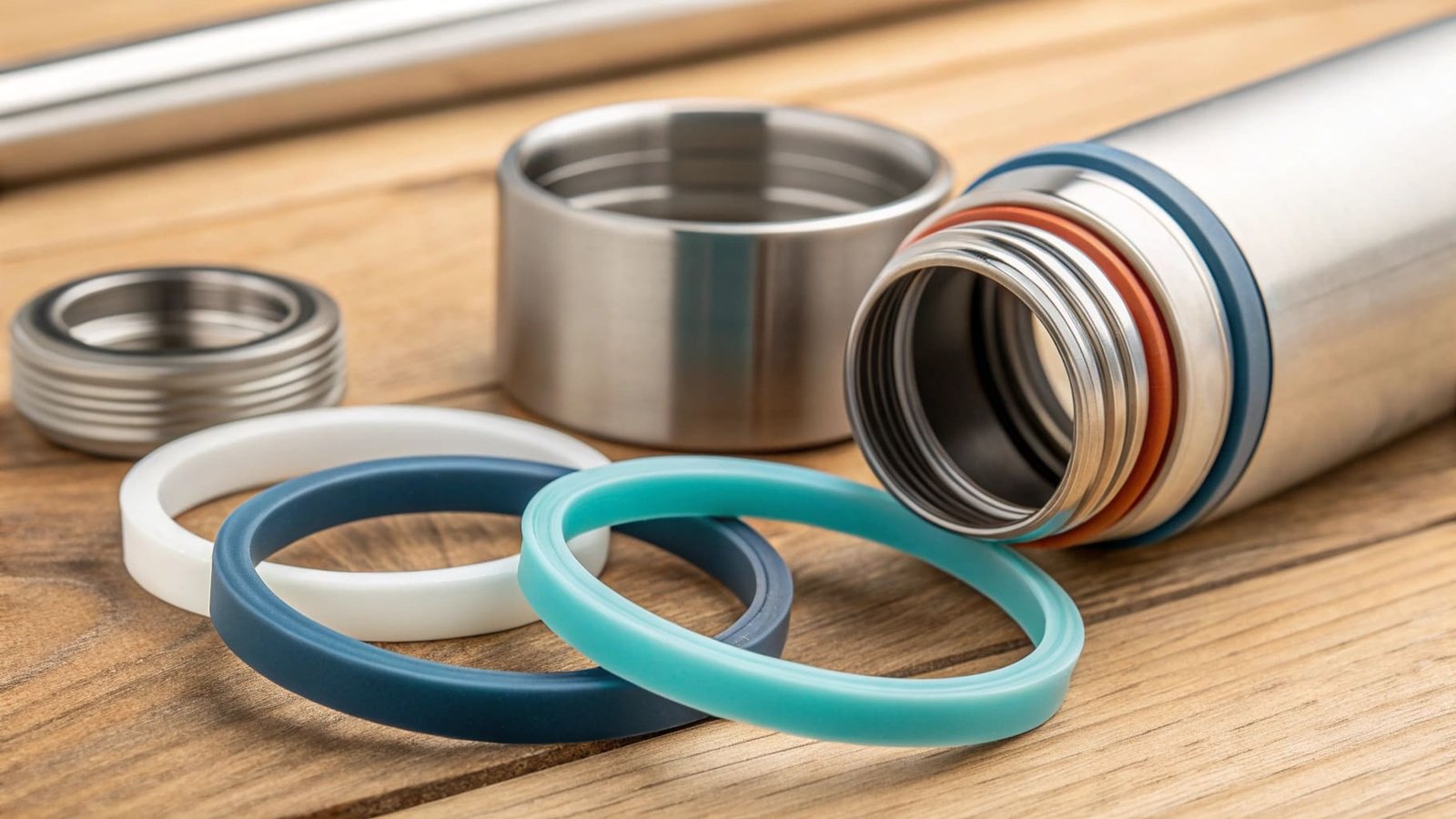
Rubber valve cover gaskets2 should not be reused in professional automotive repair. The gasket experiences extreme heat and pressure cycling. Reuse risks oil leaks that can cause engine damage. The gasket cost is negligible compared to potential failure costs.
Why Automotive Standards Apply to Drinkware
I worked with an automotive supplier before starting silijoy. The quality standards there were strict. They never reused gaskets. Ever.
The reason is simple. A failed gasket causes expensive problems. Oil leaks damage engines. Coolant leaks cause overheating. The repair costs far exceed the gasket cost.
Drinkware brands face similar math. A leaking tumbler creates customer complaints. It damages the brand reputation. It requires replacement units to be shipped. The total cost is 50 to 100 times the gasket cost.
Heat Cycling Effects
Engine gaskets experience temperature swings from 20°C to 120°C. Tumbler gaskets experience swings from 0°C to 100°C. Both ranges cause material stress.
Each heat cycle causes expansion and contraction. This movement creates internal stress in the rubber. Over time, the stress causes cracking and loss of elasticity.
I test this in our factory with thermal cycling chambers. We put gaskets through 100 heating and cooling cycles. Then we test their seal performance. New gaskets maintain 98 percent seal effectiveness. Used gaskets drop to 60 percent effectiveness.
Pressure and Load Considerations
Valve cover bolts apply specific torque to compress the gasket. This compression must be consistent around the entire seal perimeter. A reused gasket has uneven thickness. This creates uneven compression.
The same problem occurs with tumbler lids. The lid threads apply compression force. A deformed gasket gets compressed unevenly. Some areas seal well. Other areas leak.
| Gasket Condition | Compression Uniformity | Seal Reliability | Recommended Use |
|---|---|---|---|
| New gasket | 95-100% uniform | 98% success rate | All applications |
| Lightly used (under 3 months) | 80-90% uniform | 85% success rate | Not recommended |
| Moderately used (3-6 months) | 60-80% uniform | 60% success rate | Never reuse |
| Heavily used (over 6 months) | Below 60% uniform | Below 50% success rate | Replace immediately |
How Long Are Rubber Gaskets Good For?
Gasket lifespan varies based on material quality and use conditions. Food-grade silicone performs better than standard rubber. But all gaskets have limited service life.
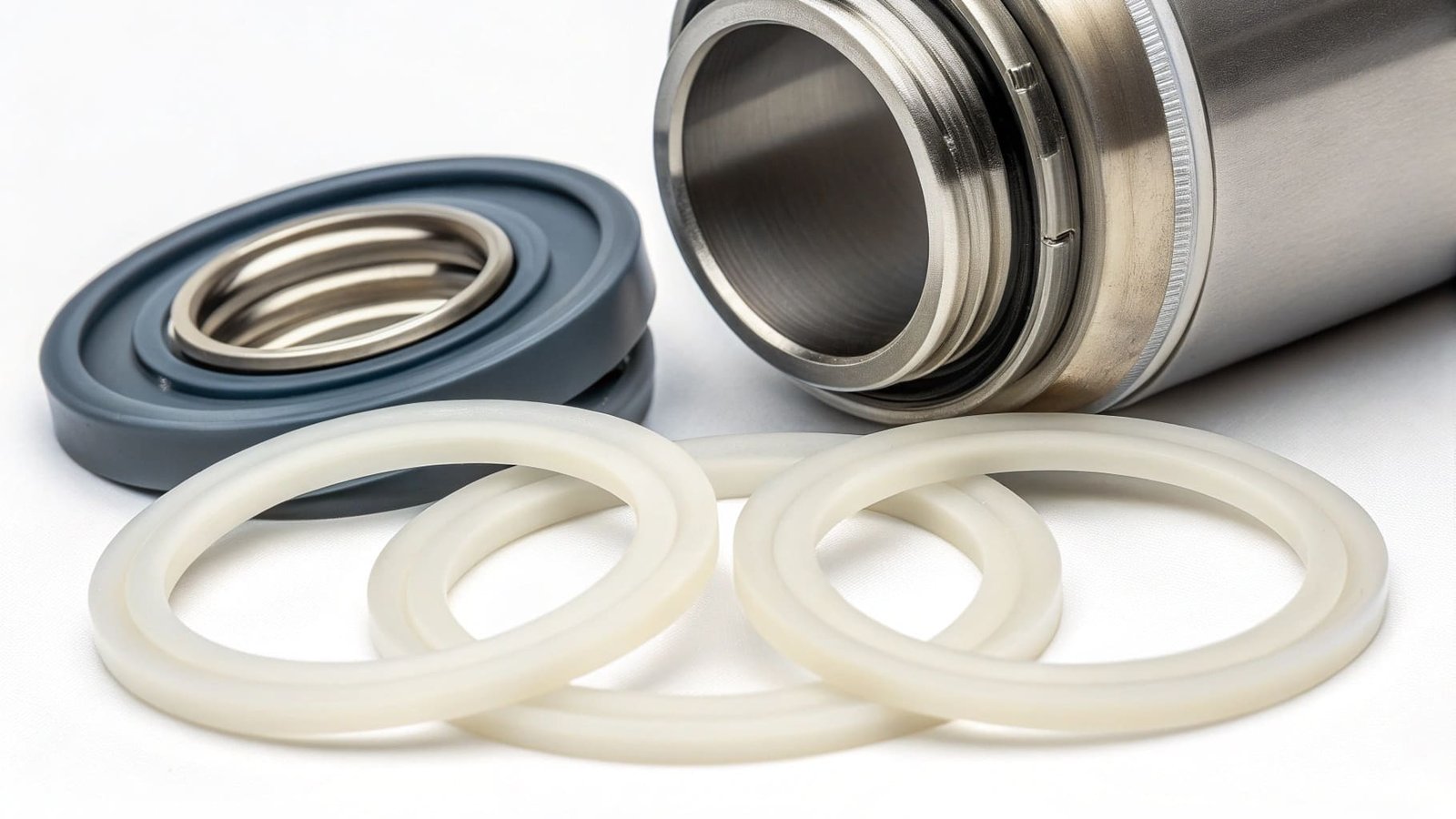
Food-grade silicone gaskets maintain optimal sealing performance for 12 to 18 months under normal use conditions. Higher quality liquid silicone rubber formulations can extend this to 24 months. After this period, material degradation compromises seal reliability regardless of visible condition.
Material Quality Impact on Lifespan
I manufacture gaskets using three different silicone grades. The price difference is significant. The performance difference is even more significant.
Standard compression-molded silicone gaskets cost the least. They work fine for 8 to 12 months. Then they start to lose elasticity.
High-consistency rubber (HCR) silicone gaskets cost 30 percent more. They maintain performance for 15 to 18 months.
Liquid silicone rubber (LSR) gaskets cost 60 percent more than standard grades. They perform consistently for 24 months or longer.
The choice depends on your product positioning. Mass market tumblers use standard silicone. Premium brands use LSR.
Environmental Factors That Shorten Lifespan
Heat accelerates aging. Gaskets used with hot beverages age faster than those used with cold drinks. The difference is substantial.
A gasket used daily with coffee at 90°C lasts about 8 months. The same gasket used with water at 20°C lasts 18 months.
UV exposure causes similar degradation. Tumblers left in cars or used outdoors age faster. The UV light breaks down the polymer chains. The gasket becomes brittle.
Dishwasher use is the biggest lifespan killer. The combination of high heat, strong detergents, and pressure sprays damages gaskets quickly. I recommend hand washing to extend gasket life.
| Environmental Factor | Impact on Lifespan | Lifespan Reduction |
|---|---|---|
| Daily hot beverage use (above 80°C) | High | 40-50% shorter life |
| Frequent dishwasher cycles | Very high | 50-60% shorter life |
| UV exposure (outdoor use) | Moderate | 30-40% shorter life |
| Acidic beverages (citrus, soda) | Moderate | 25-35% shorter life |
| Temperature extremes (freezing) | Low | 15-20% shorter life |
Chemical Compatibility Considerations
Different beverages affect gaskets differently. Coffee oils penetrate the gasket surface. This causes swelling and loss of dimensional stability.
Acidic drinks like orange juice or soda gradually degrade the silicone. The acid attacks the polymer structure. This weakens the material over time.
Alcohol-based beverages cause the most damage. The alcohol acts as a solvent. It extracts plasticizers and other additives from the rubber. This leaves the material hard and brittle.
I run compatibility tests with all common beverages. We soak gaskets for 30 days. Then we test their properties. Coffee reduces tensile strength by 15 percent. Orange juice reduces it by 20 percent. Vodka reduces it by 35 percent.
Signs That Gaskets Need Replacement
I teach all my clients to recognize failure signs. Visual inspection catches obvious problems. But some issues are harder to spot.
Visible cracks mean immediate replacement. Any crack creates a leak path. The crack will grow with continued use.
Permanent compression means the gasket won't recover its shape. Press the gasket with your finger. If it stays compressed, replace it.
Surface tackiness indicates chemical degradation. The gasket should feel smooth and dry. If it feels sticky, the material is breaking down.
Loss of elasticity is harder to detect. Stretch the gasket gently. It should return to shape immediately. Slow recovery means degraded material.
Testing Protocols for Lifespan Validation
I developed a testing protocol that simulates real-world use. We put gaskets through accelerated aging. This predicts their actual lifespan.
First, we do thermal cycling. The gaskets go through 500 cycles from -20°C to 100°C. This simulates years of temperature exposure.
Second, we do chemical exposure testing. We soak gaskets in coffee, juice, and water. We test them after 7, 14, and 30 days.
Third, we do compression set testing according to ASTM D395. This measures permanent deformation after 22 hours at 70°C under compression.
The results tell us the expected lifespan. We guarantee our gaskets for 18 months based on these tests. But we tell customers to replace them at 12 months for maximum reliability.
The Smart Approach to Refurbishment Programs
I work with several brands running successful refurbishment programs. They all follow the same principle. Reuse the expensive components. Replace the consumable parts.
The tumbler body is expensive. The lid mechanism is moderately expensive. The gasket is cheap. Replacing just the gasket eliminates 90 percent of refurbishment failure risk.
This approach satisfies sustainability goals. You're keeping the main product out of landfills. You're extending product life. You're just ensuring the seal component performs reliably.
I recommend a refurbishment checklist for every unit. Inspect the body for damage. Test the lid mechanism. Install a new gasket. This process takes three minutes. It prevents weeks of customer service problems.
The math always favors new gaskets. A quality silicone gasket costs 15 to 40 cents in bulk. The cost of processing one return is 15 to 25 dollars. You'd need a gasket to fail once in every 100 units to break even. The actual failure rate with reused gaskets is closer to one in 20.
Conclusion
Gasket reuse in refurbishment programs creates more problems than it solves. New gaskets ensure seal reliability. They protect brand reputation. They cost less than dealing with failures. Replace gaskets every time.