How to Select the Right Silicone O-Ring Temperature Range for Industrial Drinkware Use?
Choosing the wrong O-ring temperature rating costs you money. Your drinkware fails. Your customers complain. You need a solution that works every single time without guessing.
Standard silicone O-rings work reliably from -40°C to 230°C for most drinkware applications. Match your maximum expected temperature, add a 20-30°C safety margin, and verify food-grade certifications1. This approach prevents seal failures and protects your product reputation.
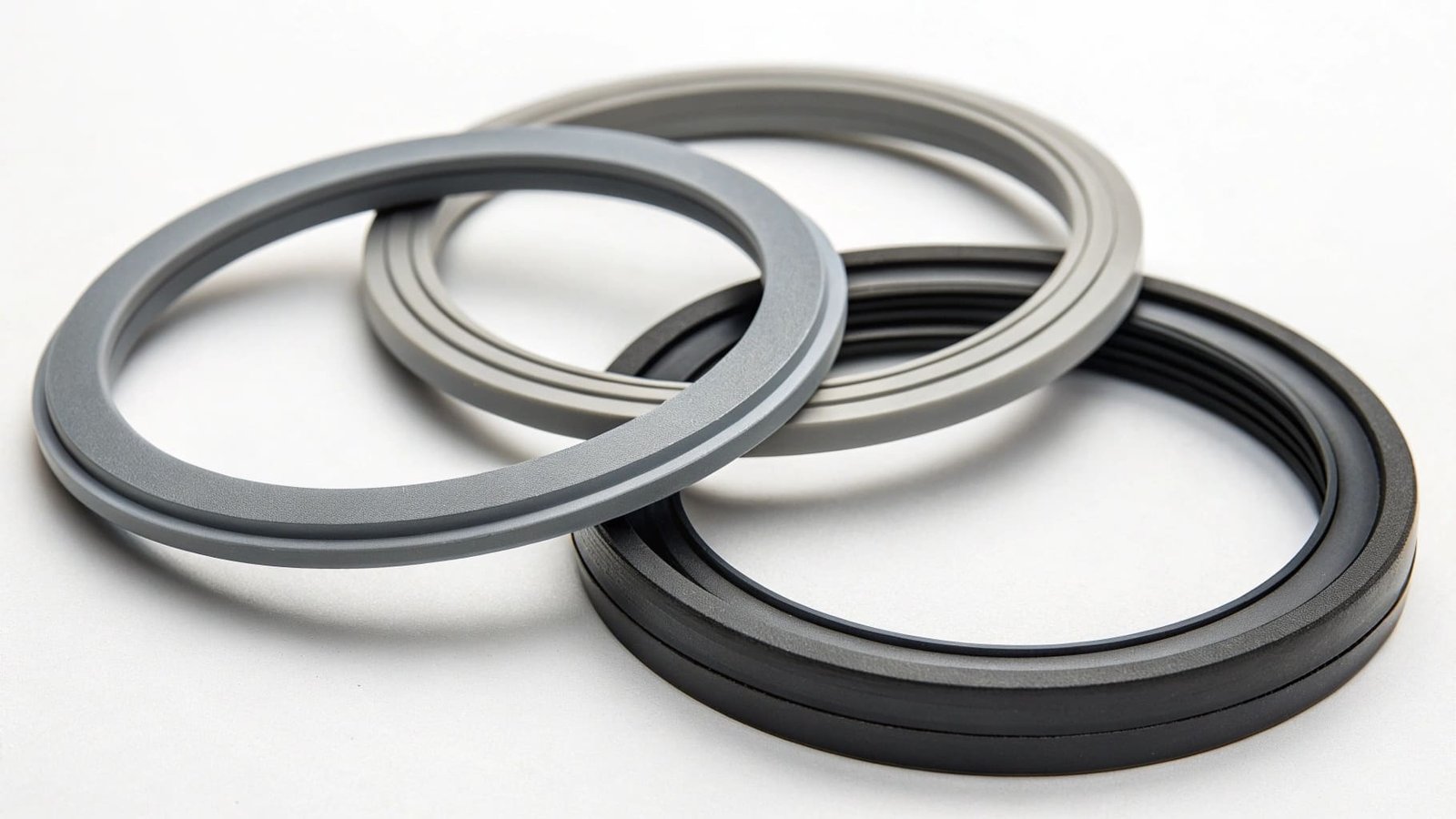
I learned this the hard way three years ago when a client's tumbler seals failed during summer shipping. The warehouse hit 55°C. The standard silicone held up fine. But the client had used a cheaper compound without checking the specs. That mistake cost them an entire container of products. I want to help you avoid the same problem. Let me walk you through what actually matters when selecting silicone O-rings2 for your drinkware business.
How to Select the Correct O-ring?
Selecting O-rings feels overwhelming. You see dozens of options. The specs look confusing. You worry about making the wrong choice and facing quality issues later.
Choose O-rings by matching three factors: operating temperature range, chemical exposure, and compression set resistance. For drinkware, food-grade silicone meeting FDA standards3 typically provides the best balance of performance and cost.
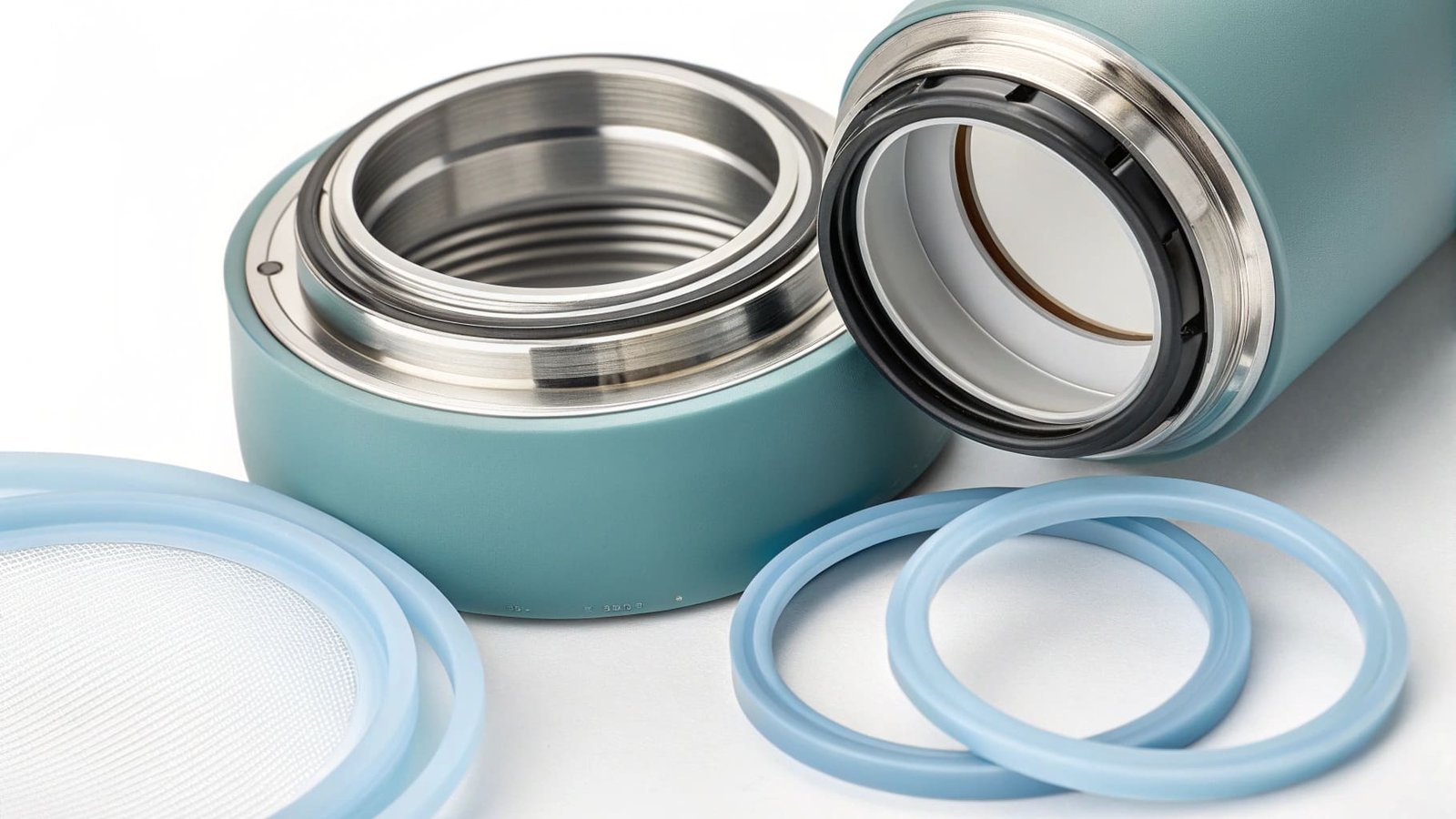
I start every O-ring selection by asking three questions. What temperatures will this product face? What substances will it contact? How many cycles will it go through? These questions sound simple. They are not. Let me break down each factor so you can make confident decisions.
Temperature requirements come first. Your drinkware might sit in a car trunk at 60°C in summer. It might hold coffee at 90°C. It might go into a dishwasher at 80°C. You need to know the maximum temperature your product will ever experience. I always add 20-30°C on top of that as a safety buffer. This buffer accounts for manufacturing variations and unexpected conditions.
Chemical exposure matters more than most people think. Your O-ring will touch beverages. It will face cleaning agents. Coffee contains oils. Sports drinks have acids. Dishwasher detergents are alkaline. Each substance interacts differently with silicone. Food-grade silicone handles most of these well. But you need to verify compatibility with your specific use case.
Compression set tells you how well the O-ring bounces back after being squeezed. A drinkware lid compresses the O-ring every time someone closes it. After hundreds of cycles, a poor-quality O-ring stays compressed. It stops sealing properly. Water leaks out. Good silicone maintains its shape. Look for compression set values below 25% after 22 hours at 175°C.
| Selection Factor | What to Check | Why It Matters |
|---|---|---|
| Temperature Range | Maximum exposure + 30°C buffer | Prevents material degradation |
| Chemical Resistance | All contact substances | Maintains seal integrity |
| Compression Set | Below 25% at 175°C | Ensures long-term sealing |
| Food Safety | FDA/LFGB certification | Legal compliance |
| Hardness | 40-70 Shore A | Balances sealing and durability |
What is the Temperature Range for Silicone Rubber?
Temperature specs on datasheets look straightforward. You see numbers like -40°C to 230°C. But what do these numbers actually mean in real-world conditions? Will your O-rings fail at these limits?
Standard food-grade silicone rubber operates safely from -40°C to 230°C continuously. Specialized high-temperature grades can handle brief exposures up to 300°C. For typical drinkware applications4, standard grades provide sufficient performance and cost advantages.
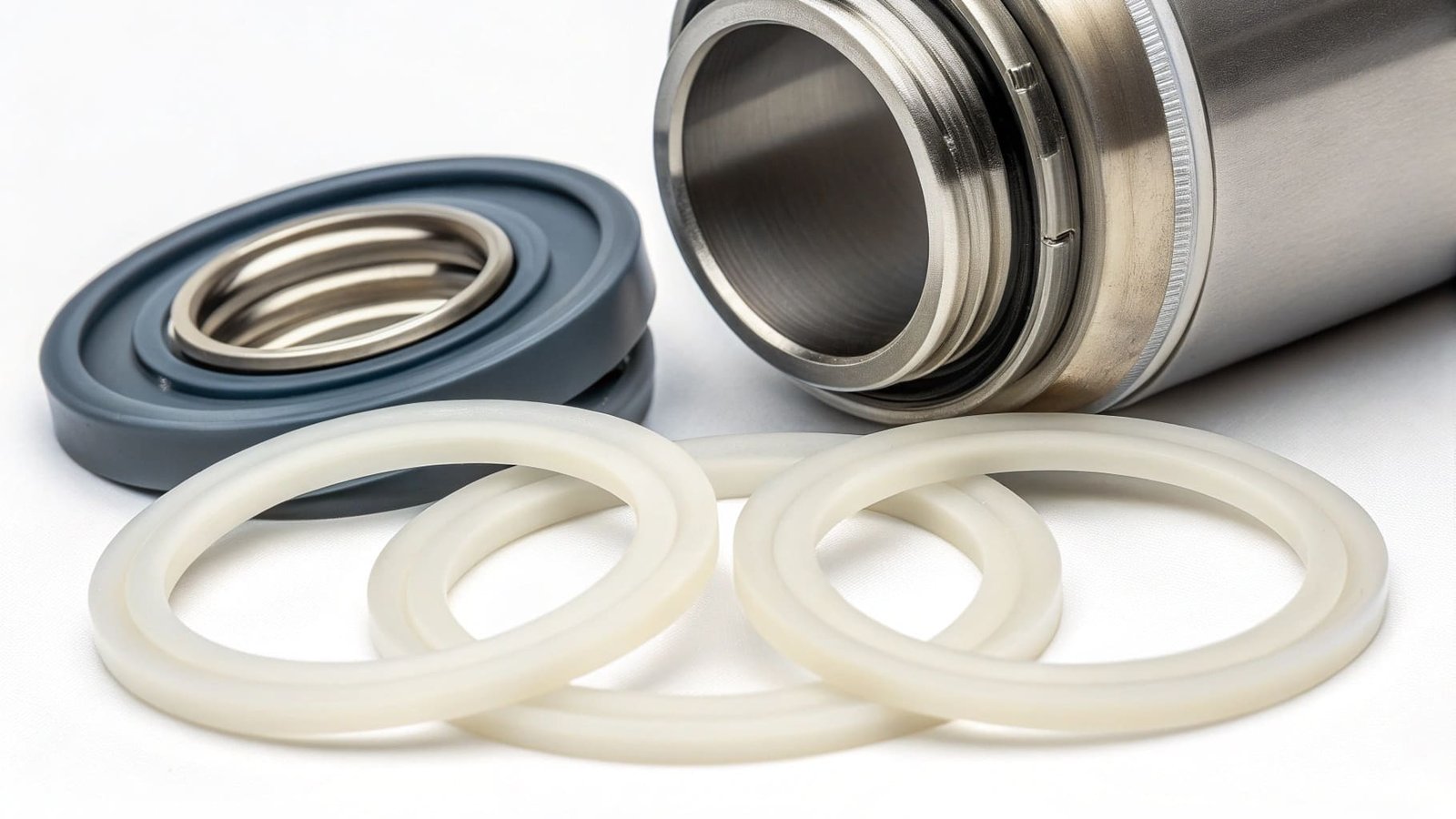
I need to explain something important about temperature ratings. The numbers manufacturers list represent different scenarios. You have continuous operating temperature. You have intermittent exposure temperature. You have peak survival temperature. These are three different things.
Continuous operating temperature means the material can stay at this temperature indefinitely without degrading. For standard silicone, this sits at 230°C. Your O-ring can live at this temperature 24/7. It will maintain its properties. It will keep sealing. This matters for applications with constant heat exposure.
Intermittent exposure allows higher temperatures for short periods. High-temperature silicone grades can survive 300°C for brief moments. Think about steam sterilization. The O-ring sees extreme heat for 15-20 minutes. Then it cools down. This occasional stress does not damage properly specified silicone.
Peak survival temperature represents the absolute limit before immediate failure. Silicone starts breaking down chemically above 350°C. The material loses its structure. It becomes brittle. It cannot seal anymore. You never want to operate anywhere near this limit.
Cold temperature performance deserves attention too. Standard silicone stays flexible down to -40°C. Some specialty compounds work at -60°C. This flexibility matters for outdoor drinkware in cold climates. A rigid O-ring cannot seal properly. Silicone outperforms most other elastomers in cold conditions.
I once worked with a client shipping insulated bottles to Norway. Winter temperatures dropped to -30°C. Standard nitrile rubber O-rings became too stiff. They leaked when users opened the bottles. Switching to silicone solved the problem immediately. The bottles sealed perfectly even in extreme cold.
Application temperature varies more than you expect. Hot coffee enters a tumbler at 85°C. But the O-ring sits in the lid. The lid temperature might only reach 60°C. A dishwasher runs at 80°C. But the O-ring location determines actual exposure. Understanding real-world temperatures prevents over-specification.
| Temperature Type | Standard Silicone | High-Temp Silicone | What It Means |
|---|---|---|---|
| Continuous Operating | 230°C | 260°C | Safe for indefinite exposure |
| Intermittent Peak | 250°C | 300°C | Short exposure periods |
| Low Temperature | -40°C | -60°C | Maintains flexibility |
| Degradation Start | 350°C | 370°C | Material breakdown begins |
What is the Best O-ring Material for High Temperatures?
Material selection creates confusion. You hear about fluorocarbon. You read about fluorosilicone. Someone recommends EPDM. Each material claims superior performance. How do you choose what actually works for drinkware?
For drinkware applications, food-grade silicone provides the optimal balance. Fluorocarbon rubber handles higher continuous temperatures up to 250°C but costs significantly more and lacks food safety approvals. Silicone combines adequate temperature resistance, food safety certification, flexibility, and cost-effectiveness.
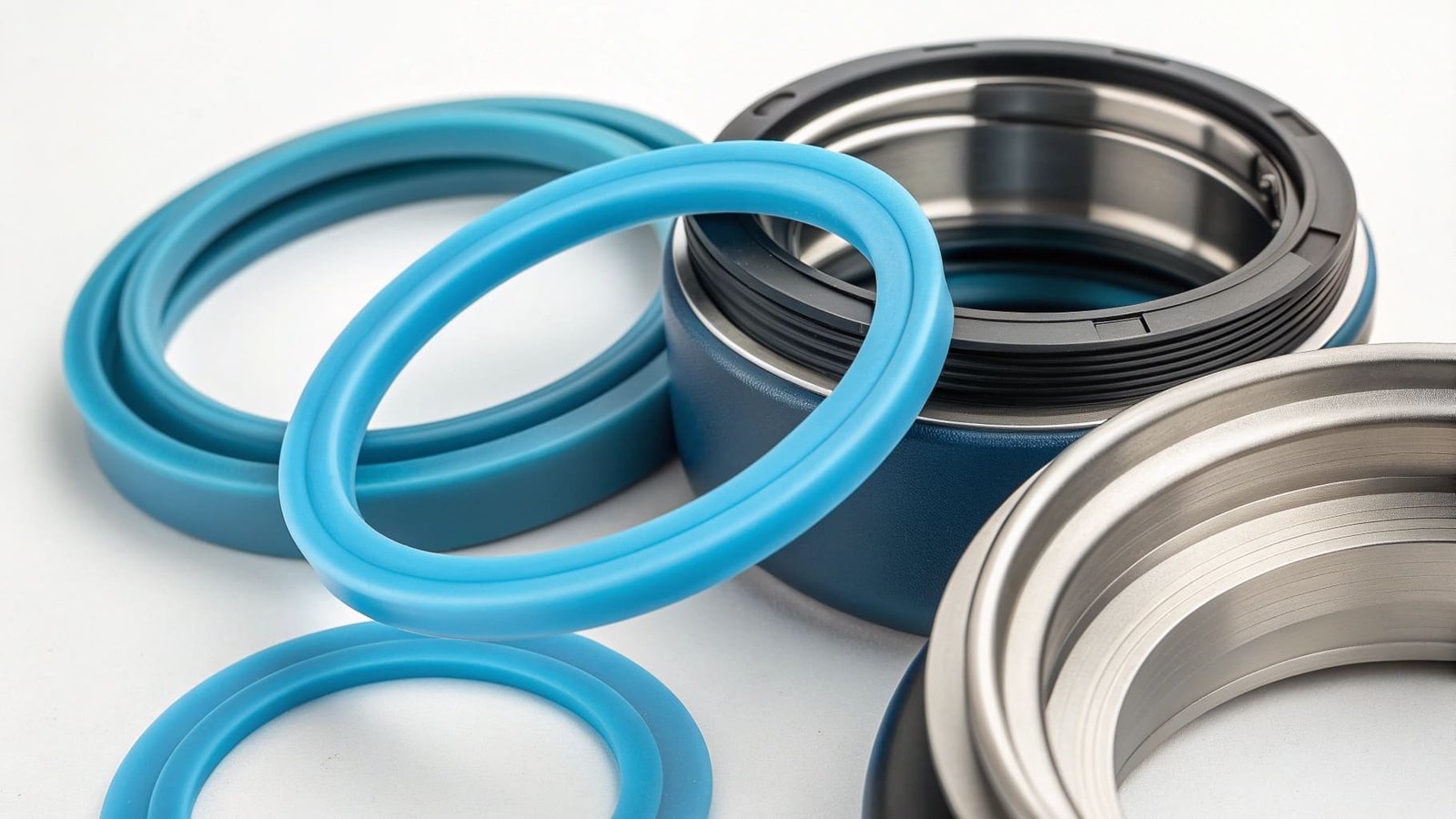
I want to compare the main high-temperature materials honestly. Each has strengths. Each has limitations. The right choice depends on your specific requirements and priorities.
Fluorocarbon rubber tops the temperature charts. It handles 250°C continuously. It resists chemicals better than silicone. It works with fuels and oils. But it costs three to four times more than silicone. It lacks widespread food safety certifications. It becomes stiff at low temperatures. For drinkware, these drawbacks outweigh the temperature advantage.
Fluorosilicone combines properties of both materials. It offers better chemical resistance than standard silicone. It maintains good low-temperature flexibility. It works up to 200°C continuously. But it costs twice as much as standard silicone. Food safety certification options are limited. I only recommend fluorosilicone when clients face specific chemical exposure issues that standard silicone cannot handle.
EPDM rubber provides excellent steam resistance. It works well with hot water and weak acids. It costs less than silicone. But its temperature range stops at 150°C. It does not handle oils well. Its compression set performance falls short of silicone. For drinkware holding coffee or oily beverages, EPDM does not meet requirements.
Silicone wins for drinkware because it checks every box. It handles the temperature ranges your products face. It meets FDA and LFGB food contact regulations. It stays flexible from -40°C to 230°C. It resists most beverage ingredients and cleaning chemicals. It maintains sealing force through repeated cycles. The cost remains reasonable for commercial production.
I have tested this across hundreds of drinkware projects. Clients sometimes push for fluorocarbon because they want the absolute best. I show them the data. Their drinkware never exceeds 100°C in real use. The dishwasher runs at 80°C. Standard silicone handles this easily with a safety margin. Spending extra money on fluorocarbon provides zero benefit. They save 60% on material costs by choosing appropriately.
Material hardness affects performance as much as temperature rating. Shore A hardness between 40 and 70 works best for drinkware O-rings. Softer compounds below 40 Shore A seal easily but wear quickly. Harder compounds above 70 Shore A last longer but require more compression force. I typically specify 50-60 Shore A for most drinkware applications. This range balances sealing effectiveness with durability.
| Material | Max Continuous Temp | Food Safe | Low Temp Limit | Relative Cost | Best For |
|---|---|---|---|---|---|
| Food-Grade Silicone | 230°C | Yes | -40°C | 1x | General drinkware |
| Fluorocarbon (FKM) | 250°C | Limited | -20°C | 4x | Chemical exposure |
| Fluorosilicone | 200°C | Limited | -40°C | 2x | Special chemicals |
| EPDM | 150°C | Yes | -40°C | 0.7x | Steam only |
Conclusion
Select silicone O-rings by matching operating temperatures plus a 30°C safety margin, verifying food-grade certifications, and confirming compression set below 25%. This straightforward approach ensures reliable sealing performance without unnecessary costs.
-
Learn about the importance of food-grade certifications for safety and compliance in drinkware. ↩
-
Explore how silicone O-rings enhance performance and reliability in various industrial applications. ↩
-
Explore the FDA standards that ensure silicone materials are safe for food contact. ↩
-
Explore the best materials for O-rings used in drinkware to ensure safety and performance. ↩