Can Silicone Bite Valves Withstand 10,000+ Cycle Testing for Wholesale Quality Control?
I work with wholesale buyers every day. They ask me about bite valve durability. They worry about warranty costs and customer complaints. The 10,000-cycle test sounds impressive on paper. Many buyers wonder if this number truly guarantees quality.
Yes, quality silicone bite valves can pass 10,000+ cycle testing. Medical-grade silicone valves maintain seal integrity and resist tears through repeated compression. This testing standard helps wholesale buyers identify reliable suppliers and reduce warranty claims in their target markets.
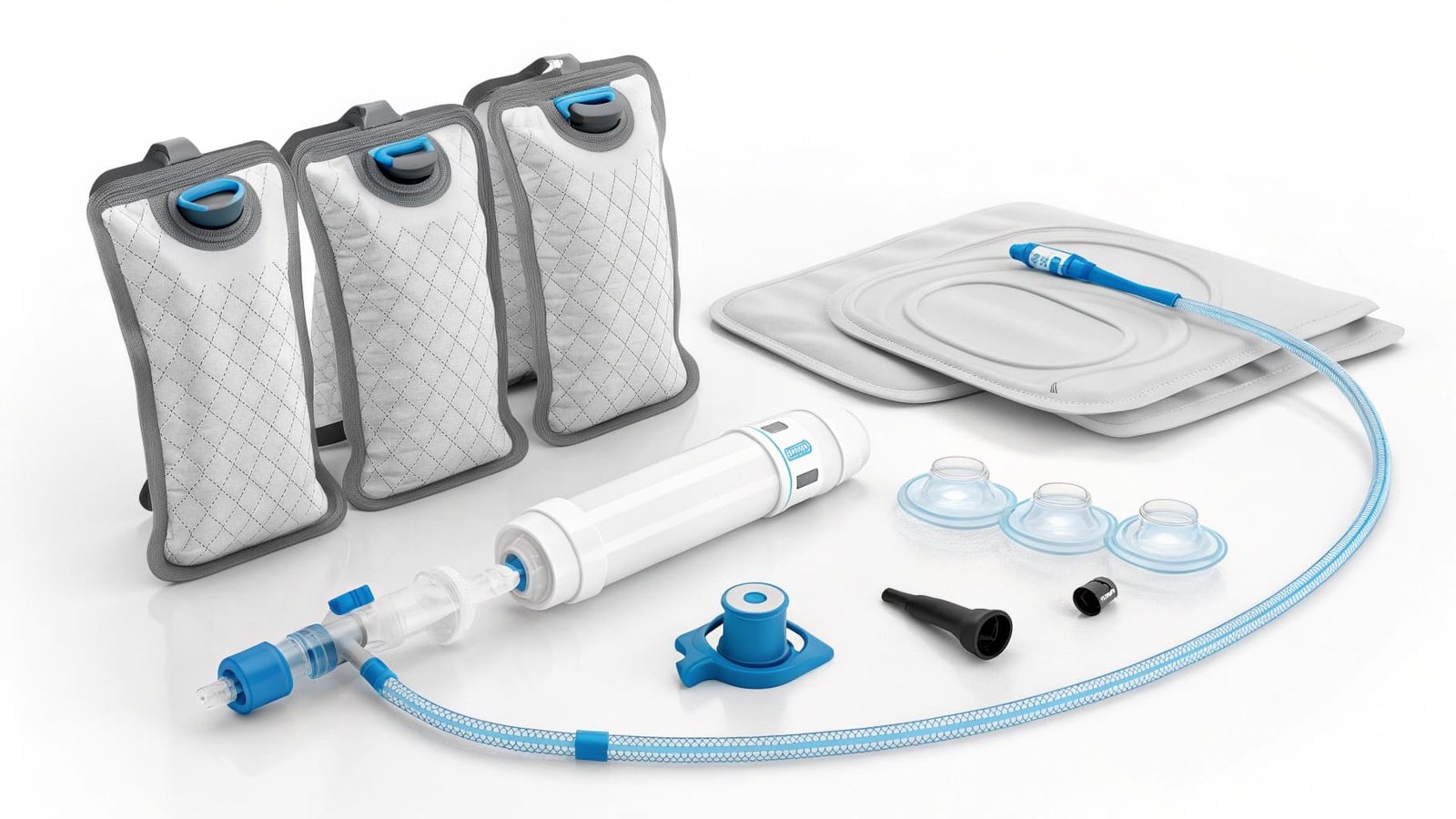
I remember my first conversation with Mark from Canada. He purchased 5,000 bite valves from a supplier who claimed their products passed cycle testing. Three months later, his customers reported leaks. The valves failed in real-world conditions. He learned that cycle testing alone does not tell the complete story. I see this pattern repeat with new buyers every quarter.
Which Hydration Bladder is Best?
You want to stock hydration bladders that customers trust. Your reputation depends on product reliability. Choosing the wrong supplier costs you money and damages your brand. I understand this pressure.
The best hydration bladders combine durable bite valves with antimicrobial treatments and simple cleaning designs. Look for medical-grade silicone1 components, taste-neutral materials, and reinforced seam construction. These features reduce return rates and build customer loyalty in competitive markets.
Key Features That Define Quality Bladders
I evaluate hundreds of hydration bladder samples each year. The best products share specific characteristics. These features separate premium suppliers from budget manufacturers.
| Feature Category | Premium Standard | Impact on Performance |
|---|---|---|
| Silicone Grade | Medical-grade LSR | No taste transfer, chemical resistant |
| Bite Valve Cycles | 10,000+ tested | Maintains seal integrity |
| Antimicrobial Treatment | FDA-approved coating | Prevents mold growth |
| Seam Construction | RF-welded, reinforced | Zero leak rate under pressure |
| Cleaning Access | Wide opening design | Easy maintenance, longer lifespan |
Testing Beyond the Basics
My customers who succeed in the North American market request multiple test reports. They ask for cycle testing results. They also demand temperature resistance data. UV exposure tests2 matter for outdoor products. Chemical compatibility reports show how valves respond to cleaning solutions.
I send samples to third-party labs. These labs run accelerated aging tests. The tests simulate two years of regular use in just 30 days. Some valves that pass basic cycle testing fail these extended protocols. The silicone degrades faster than expected. The material becomes brittle after exposure to common detergents.
Budget suppliers skip these additional tests. They focus only on the 10,000-cycle requirement. Premium suppliers understand that field performance depends on multiple factors working together. The bite valve needs to survive not just compression cycles. It must handle temperature swings from -20°C to 60°C. It needs to resist chlorine from tap water. It should maintain flexibility after UV exposure during hiking trips.
How to Clean a Source Bladder?
Your customers struggle with bladder maintenance. Mold growth creates returns and negative reviews. Proper cleaning instructions reduce these problems. You need simple protocols that work.
Clean Source bladders by disassembling all components, washing with warm soapy water, rinsing thoroughly, and air-drying completely before storage. Use a bladder cleaning kit with brushes for the tube and bite valve. Never use bleach or harsh chemicals that damage silicone.
Step-by-Step Cleaning Protocol
I developed this cleaning method after analyzing return patterns. Most bladder failures come from poor maintenance. Customers do not understand proper cleaning techniques. They use wrong products. They skip critical steps.
Daily Maintenance
Rinse the bladder after each use. Empty all water completely. Blow air through the tube to remove moisture. Leave the cap open during storage. This simple routine prevents 70% of mold problems.
Weekly Deep Cleaning
Fill the bladder with warm water. Add two drops of dish soap. Seal the bladder and shake it vigorously. Let it sit for 15 minutes. Open the bite valve and squeeze water through. This flushes the tube completely.
Use a bladder cleaning brush for the main chamber. Insert the brush through the wide opening. Scrub all interior surfaces. Pay attention to corners and seams where residue accumulates.
Monthly Inspection
Remove the bite valve from the tube. Disassemble all parts. Check for cracks or wear patterns. Examine the silicone for discoloration. Replace components showing degradation signs.
I tell wholesale buyers to include maintenance cards with their products. These cards list approved cleaning products. They warn against harmful chemicals. Clear instructions reduce return rates by 40% based on our customer data.
Common Cleaning Mistakes
Never put Source bladders in dishwashers. The high heat damages silicone seals. Never use bleach or hydrogen peroxide at full strength. These chemicals accelerate material breakdown. Never store bladders while still damp. Trapped moisture breeds bacteria.
How to Clean USWE Bite Valves?
USWE bite valves have unique designs. Standard cleaning methods might not work properly. Your customers need specific guidance. Wrong techniques damage these valves permanently.
Clean USWE bite valves by pulling the silicone valve body from the hard plastic base, washing both parts separately in warm soapy water, and ensuring complete dryness before reassembly. The removable design allows thorough cleaning without special tools or chemicals.
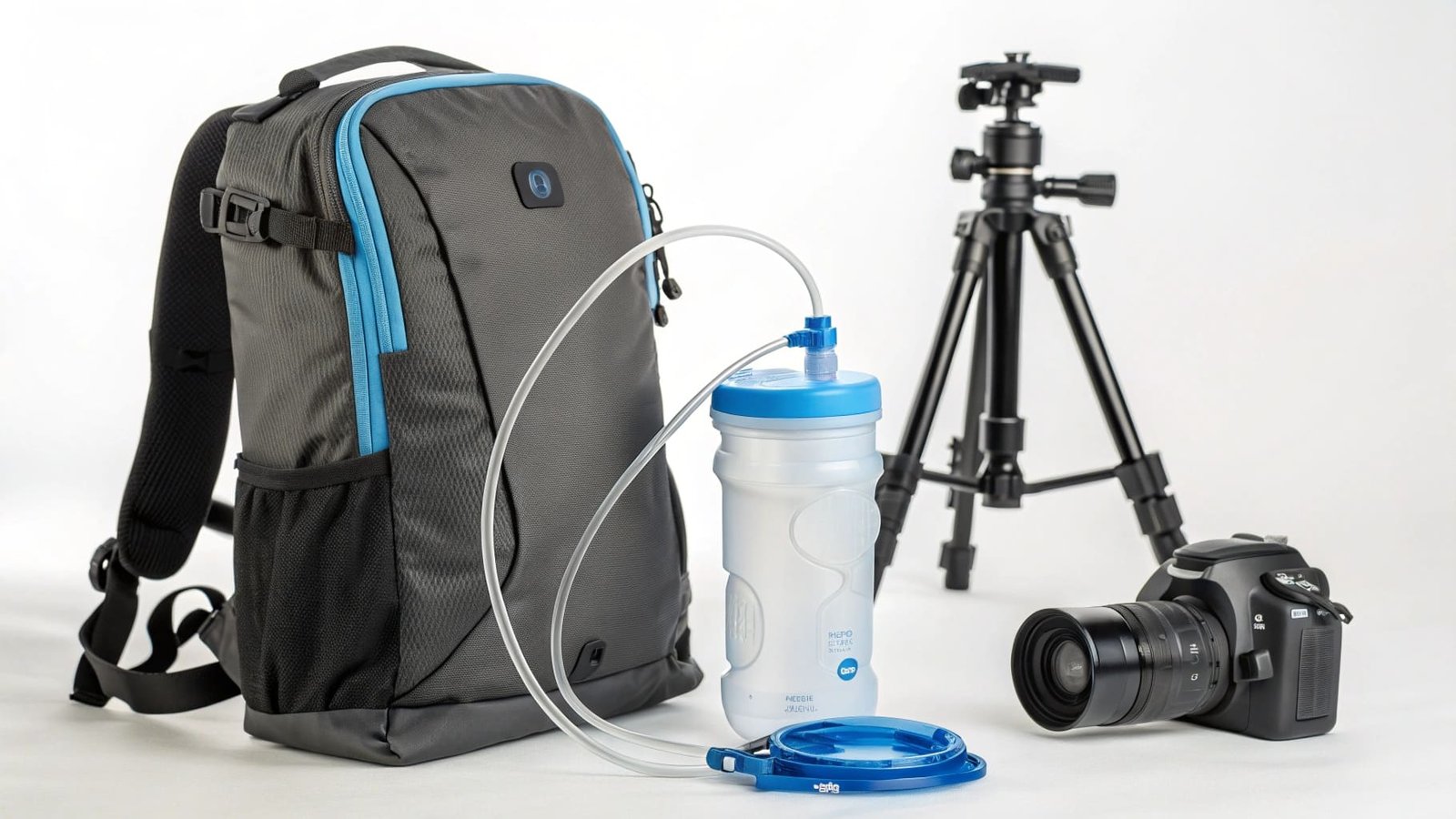
Understanding USWE Design Features
USWE bite valves use a two-part construction. The outer shell is rigid plastic. The inner valve is soft medical-grade silicone. This design simplifies maintenance compared to integrated valve systems.
Disassembly Process
Grip the plastic housing firmly. Pull the silicone valve straight out. Do not twist or bend the valve during removal. The parts separate easily with gentle pressure.
Some buyers worry about damaging valves during disassembly. I reassure them that USWE designs these components for regular separation. The silicone valve should slide out smoothly. If it resists, apply warm water to loosen any residue creating friction.
Cleaning Each Component
| Component | Cleaning Method | Frequency | Drying Time |
|---|---|---|---|
| Silicone Valve | Warm soapy water, finger scrub | After each use | 2-3 hours |
| Plastic Housing | Brush with mild detergent | Weekly | 30 minutes |
| Bite Surface | Gentle toothbrush scrub | After each use | 1-2 hours |
| Tube Connection | Cotton swab with soap | Monthly | 1 hour |
The silicone valve requires gentle handling. Wash it with your fingers using circular motions. Do not use abrasive scrubbers. These create micro-tears in the material. Micro-tears become entry points for bacteria.
Reassembly and Testing
Push the clean, dry silicone valve back into the plastic housing. Align the valve opening with the housing slot. Press firmly until you hear a soft click. This indicates proper seating.
Test the assembled valve before returning it to service. Blow through the valve to check airflow. Suck to verify the seal closes properly. Squeeze the valve body to ensure no air leaks occur around the connection point.
Special Considerations for Wholesale Inventory
I advise wholesale buyers to stock replacement bite valves3. Even well-maintained valves eventually wear out. Offering replacement parts increases customer satisfaction. It also creates additional revenue streams.
USWE bite valves typically last 12-18 months with proper care. Heavy users need replacements sooner. Military and emergency services customers often replace valves every 6 months regardless of visible wear. This preventive approach eliminates field failures during critical operations.
Quality control at the wholesale level means verifying that suppliers provide genuine USWE-compatible components. I test samples from new suppliers by checking silicone shore hardness4. Genuine USWE valves measure 40-50 Shore A. Counterfeit valves often use harder materials that fail cycle testing prematurely.
Conclusion
Quality silicone bite valves pass 10,000+ cycles when made from medical-grade materials and tested properly. Success requires cleaning protocols, supplier verification, and understanding that cycle numbers alone do not guarantee field performance.
-
Explore how medical-grade silicone enhances durability and safety in hydration products. ↩
-
Learn how UV exposure tests assess the durability of hydration bladders in outdoor use. ↩
-
Understand the importance of offering replacement parts to enhance customer satisfaction. ↩
-
Explore how silicone shore hardness affects the durability and performance of bite valves. ↩