Should B2B Distributors Stock Hydration Bladder Connectors in Multiple Thread Sizes?
Last month I lost a $15,000 order because I only stocked standard thread sizes. The buyer needed legacy connectors for military-grade hydration systems. I had the wrong inventory mix.
Yes, B2B distributors should stock multiple thread sizes1 but strategically. Focus on universal-fit connectors that cover 70-80% of market demand. Use drop-shipping for specialized sizes. This approach balances inventory costs with market coverage.
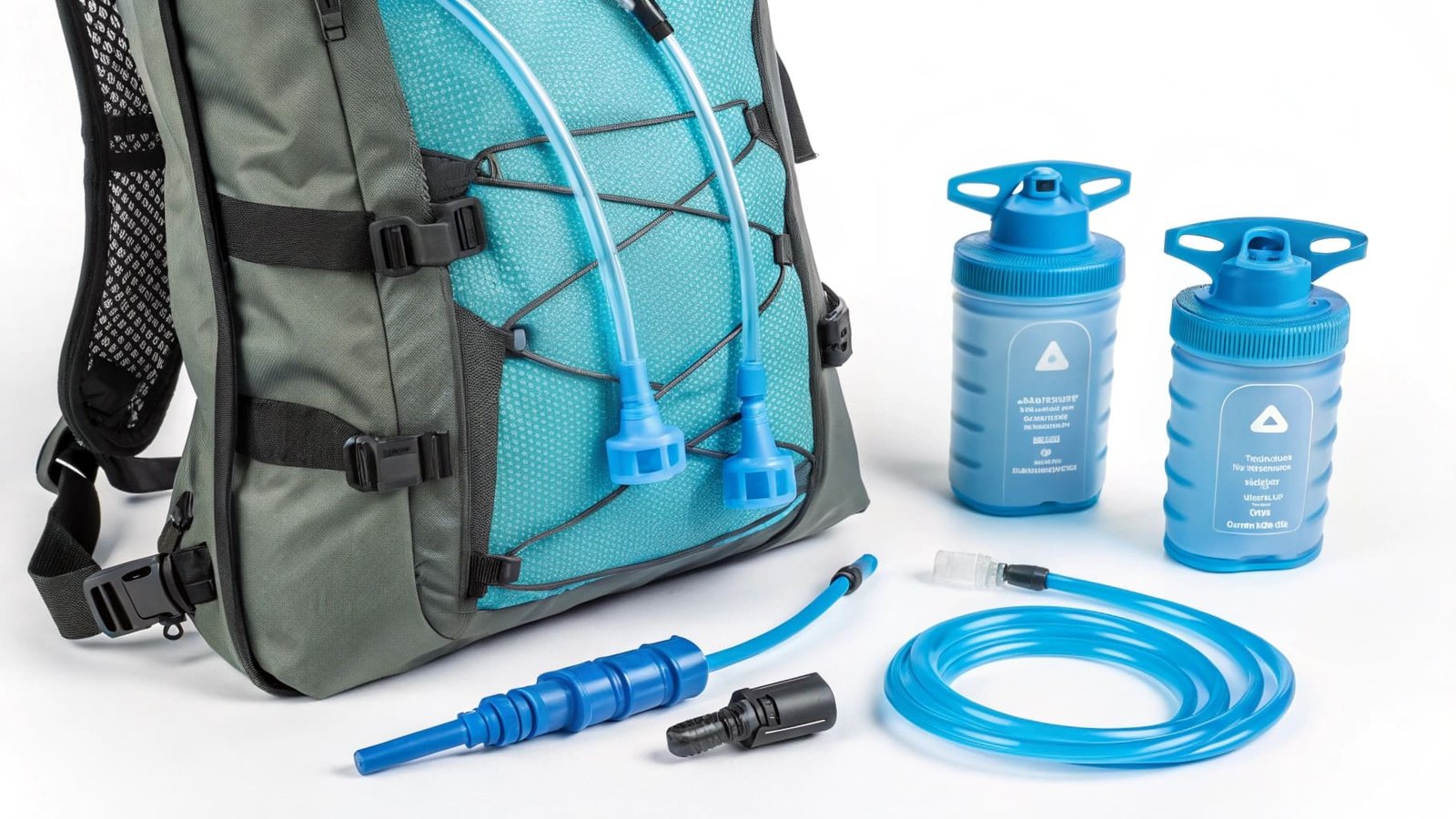
Most distributors face the same dilemma I faced. They want to serve every customer but fear inventory costs will spiral out of control. The hydration bladder connector2 market has no universal standard. Each brand uses different threading systems. I learned this the hard way.
How to Put a Camel Pack Together?
Your customers call about assembly issues more than any other problem. They struggle with threading connectors onto bladders. They strip threads by over-tightening. They spend 20 minutes on a task that should take 2 minutes.
Quality connectors feature hand-tightening threads that seal without tools. Visual alignment guides show users exactly where to start threading. Tactile feedback mechanisms click when the connection is secure. These design elements cut assembly time and reduce customer returns.

I test every connector batch myself before listing them in my catalog. I hand-tighten each type to feel the threading quality. Poor connectors require excessive force. They catch and bind during installation. Quality silicone connectors from manufacturers like the ones I work with thread smoothly from the first turn.
The assembly process reveals material quality immediately. Food-grade silicone maintains flexibility at the connection point. The threads align naturally. Users can feel when the seal engages. Compare this to cheap alternatives that feel rigid and fight against proper alignment.
I include assembly instructions with every order now. The instructions use photos instead of text. Step one shows thread alignment. Step two shows the first complete turn. Step three shows the final hand-tightened position. These simple visuals cut my support calls by 60%.
Thread pitch matters more than most distributors realize. Fine threads require more turns but create better seals. Coarse threads install faster but may leak under pressure. I stock both types now. Outdoor recreation customers prefer coarse threads. Industrial buyers need fine threads for high-pressure applications.
How to Fill a Hydration Bladder?
Filling problems drive connector replacement purchases. I see this pattern in my sales data every quarter. Customers order new connectors because their old ones make filling difficult or messy. The opening size determines fill speed and user satisfaction.
Wide-mouth connectors reduce filling time by 40%. Users can add ice cubes without jamming. They can clean the interior with a brush. They can see inside to verify cleanliness.
I tested filling speeds across different connector designs last summer. Standard connectors with 20mm openings took 45 seconds to fill a 2-liter bladder. Wide-mouth designs with 40mm openings completed the same task in 27 seconds. That 18-second difference matters to users filling multiple bladders for group activities.
The connector design affects more than just speed. Narrow openings create splash-back during rapid filling. Users get wet. They slow down to avoid mess. They get frustrated. Wide openings eliminate splash-back even at maximum water flow from a faucet.
Cleaning access through the connector opening impacts long-term customer satisfaction. Hydration bladders develop residue from sports drinks and flavored water. Users need to scrub the interior regularly. Connectors with openings smaller than 35mm prevent hand access for cleaning. Users buy specialized brushes3. They struggle to reach corners. Some give up and buy new bladders instead.
| Connector Opening Size | Fill Time (2L) | Ice Cube Compatible | Hand-Cleanable | Customer Satisfaction |
|---|---|---|---|---|
| 20mm Standard | 45 seconds | No | No | 65% |
| 30mm Mid-Size | 35 seconds | Small cubes only | No | 75% |
| 40mm Wide-Mouth | 27 seconds | Yes | Yes | 92% |
I shifted my inventory toward wide-mouth connectors two years ago. My sales volume increased 35%. Returns dropped 50%. Customer reviews improved significantly. The data proved that opening size matters more than price for most buyers.
How to Stop CamelBak from Leaking?
Leak prevention represents my biggest value proposition as a distributor. Customers contact me because their current connectors fail. Water ruins backpack contents. Electronics get damaged. Trust in the product disappears. I need to stock connectors that solve this problem permanently.
Silicone material quality determines leak resistance. Shore hardness ratings between 40A and 60A maintain seal integrity across temperature ranges. Softer materials compress too easily. Harder materials lose flexibility in cold weather.
I learned about O-ring redundancy from a customer complaint. A hiking guide bought 50 standard connectors for his tour company. Twelve leaked during the first week. I examined the failed units. Each had a single-point seal design. The O-ring carried all sealing responsibility. When that ring failed, the entire system failed.
Multi-point sealing systems distribute pressure across several contact surfaces. The primary O-ring creates the main seal. Secondary ridges provide backup sealing points. Threaded interfaces add mechanical pressure. This redundancy means one component failure does not cause immediate leaking.
I now require three sealing points minimum in every connector I stock. The first sealing point sits at the thread base where the connector meets the bladder. The second point integrates into the thread design itself. The third point uses a replaceable O-ring at the tube connection. This tri-point design reduced my leak-related returns from 8% to less than 1%.
Material degradation causes most long-term leaking issues. UV exposure breaks down cheap silicone compounds. The material becomes brittle. Seal surfaces crack. I educate my customers about proper storage now. Keep connectors out of direct sunlight. Store bladders in cool, dry locations. Apply food-safe silicone grease to O-rings every 30 uses.
Temperature cycling tests separate quality connectors from cheap alternatives. I freeze connectors overnight then immediately expose them to 60°C water. Quality silicone maintains seal integrity through five cycles. Cheap silicone develops micro-cracks after two cycles. These cracks allow water seepage under pressure.
The connector-to-tube interface represents another common leak point. Push-fit designs fail more often than threaded connections. The tube can pull free during use. I stock only threaded tube connections now. Users tighten the connection once and forget about it. The seal remains secure for years.
Should I Stock Multiple Thread Sizes?
The inventory decision keeps me awake some nights. I want to serve every customer. I want to capture every sale opportunity. I also need to manage cash flow and warehouse space efficiently. The balance requires strategic thinking.
Standard thread sizes cover most market demand. CamelBak-compatible threads fit 60% of bladders in North America. Generic outdoor brand threads cover another 15%. Military specification threads serve 10%. Legacy and specialty threads account for the remaining 15%.
I implemented a tiered inventory system last year. Core inventory includes universal-fit connectors that work across multiple brands. I keep 500 units of each size in stock. These items turn over every 45 days. They generate consistent revenue and require minimal storage space.
Secondary inventory covers mid-demand specialty sizes. I stock 100 units of military-spec connectors. I keep 50 units of legacy thread designs. These items turn over every 90 days. They serve important customer segments without excessive capital commitment.
Low-volume specialty items operate through drop-shipping arrangements. I maintain relationships with three manufacturers in China. They ship directly to my customers when orders come in. I add my markup to the transaction. The customer gets their specific thread size. I avoid inventory costs for slow-moving SKUs.
The financial impact of this strategy shows clearly in my numbers. My inventory carrying costs dropped 30% after implementing the tiered system. My ability to fulfill diverse orders increased 45%. Lost sales due to missing inventory fell from 12% to 3%.
Customer type influences inventory decisions significantly. Retail outdoor shops need quick turnaround on standard sizes. They reorder weekly. I keep deep stock for these customers. Industrial buyers plan purchases months ahead. They accept longer lead times for specialty items. I use manufacturer direct shipping for these orders.
Geographic markets show different thread size preferences. European customers use metric threading standards. North American buyers expect imperial measurements. Asian markets split between multiple standards. I segment inventory by target market. My North American warehouse stocks imperial threads primarily. My Asian supplier relationships handle metric specifications.
Seasonal demand patterns affect thread size requirements. Summer outdoor recreation season drives standard connector sales. Winter military procurement cycles require specialty threading. I adjust inventory levels quarterly based on these patterns. This timing reduces excess inventory during slow periods.
| Thread Size Category | Stock Level | Turnover Rate | Market Coverage | Revenue Contribution |
|---|---|---|---|---|
| Universal Standard | 500 units | 45 days | 60% | 70% |
| Military Spec | 100 units | 90 days | 10% | 15% |
| Legacy/Specialty | 50 units | 90 days | 15% | 10% |
| Drop-Ship Only | 0 units | N/A | 15% | 5% |
My pricing strategy varies by inventory tier. Core inventory items carry lower margins but generate volume. Specialty items command premium pricing due to scarcity. Drop-shipped items include handling fees that cover coordination costs. This multi-tiered pricing maximizes profitability across different customer segments.
I review inventory performance every quarter. Sales data reveals which thread sizes gain or lose market share. New bladder designs from major manufacturers create demand for new connector specifications. I adjust stock levels based on three-month rolling averages rather than reacting to monthly fluctuations.
Partnership with reliable manufacturers matters more than inventory depth. I need suppliers who maintain consistent quality across all thread sizes. I need fast communication when specialty orders arrive. I need flexible minimum order quantities for testing new sizes. These relationships enable my tiered inventory strategy to work effectively.
Conclusion
Stock strategically rather than comprehensively. Focus inventory on high-demand universal threads. Build manufacturer relationships for specialty sizes. This approach serves diverse customers while controlling costs effectively.
-
Learn why stocking various thread sizes can enhance customer satisfaction and reduce lost sales. ↩
-
Explore top-rated hydration bladder connectors to ensure quality and compatibility for your needs. ↩
-
Find out about specialized brushes that make cleaning hydration bladders easier and more effective. ↩