Can Silicone Bottom Protectors Be Co-Branded for Wholesale Partnerships?
I watched a partner lose a major retail contract because their branding strategy fell apart. They thought co-branding was simple. It is not. This mistake cost them six months of revenue.
Yes, silicone bottom protectors can be co-branded for wholesale partnerships through multi-color molding1, embossing, or printing. The key is choosing techniques that maintain product integrity while displaying both brand identities without creating structural weak points.
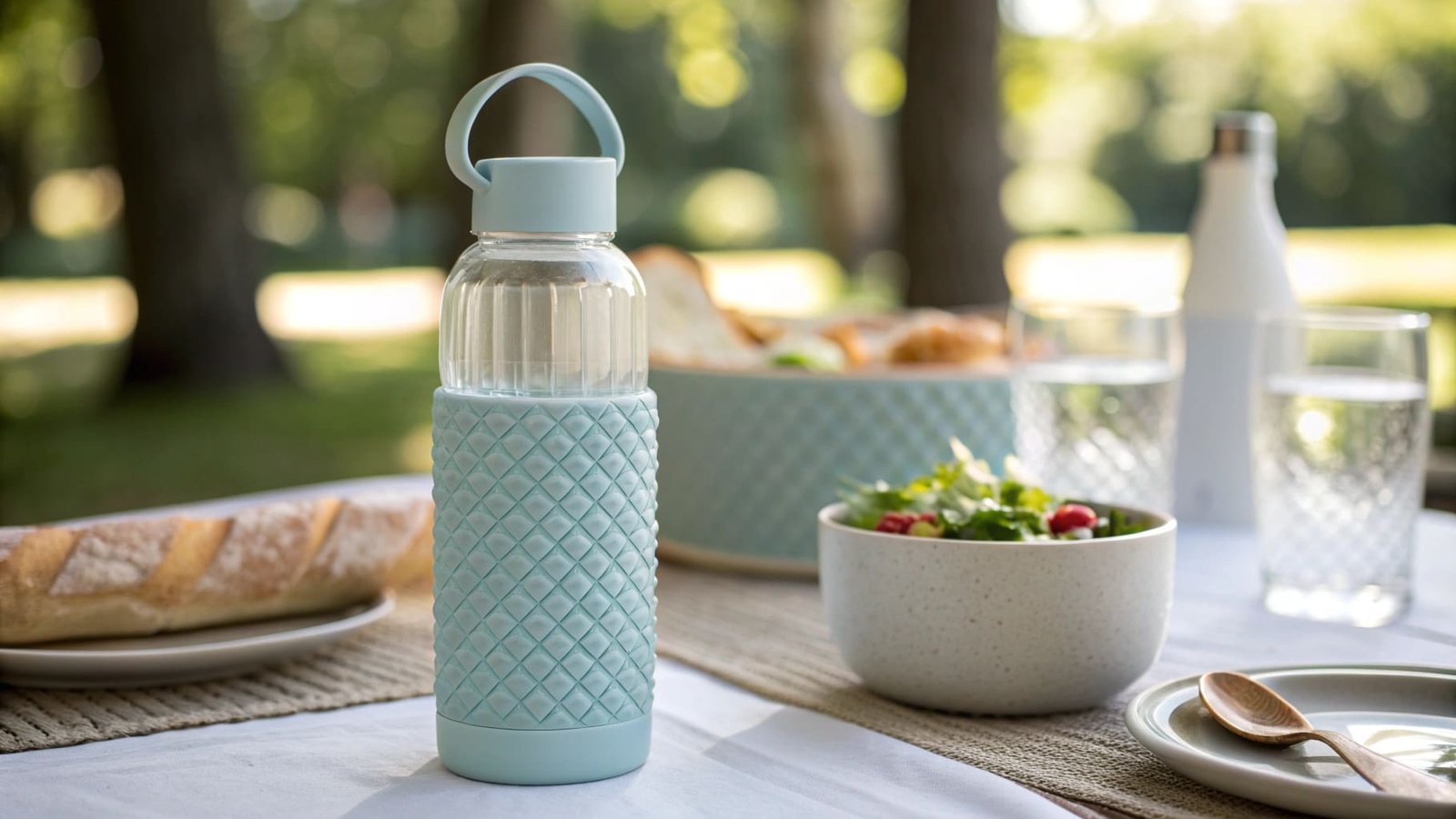
I have worked with buyers like Mark for years. They come to me with big plans for dual-brand products. They want their logo next to a retailer's name. They want it fast. They want it cheap. But most do not understand what makes co-branding actually work in silicone products. Let me show you what I learned from both successful partnerships and expensive failures.
How to Protect Silicone Rubber in Co-Branded Products?
Your branding will fade if you ignore basic protection principles. I see this happen when partners rush production. The silicone stays perfect but the logos disappear after three washes.
Protect silicone rubber by avoiding strong acids, petroleum solvents, and prolonged UV exposure. For co-branded products, add protective coatings over printed elements and design embossed features that resist residue buildup while maintaining the base material's durability.
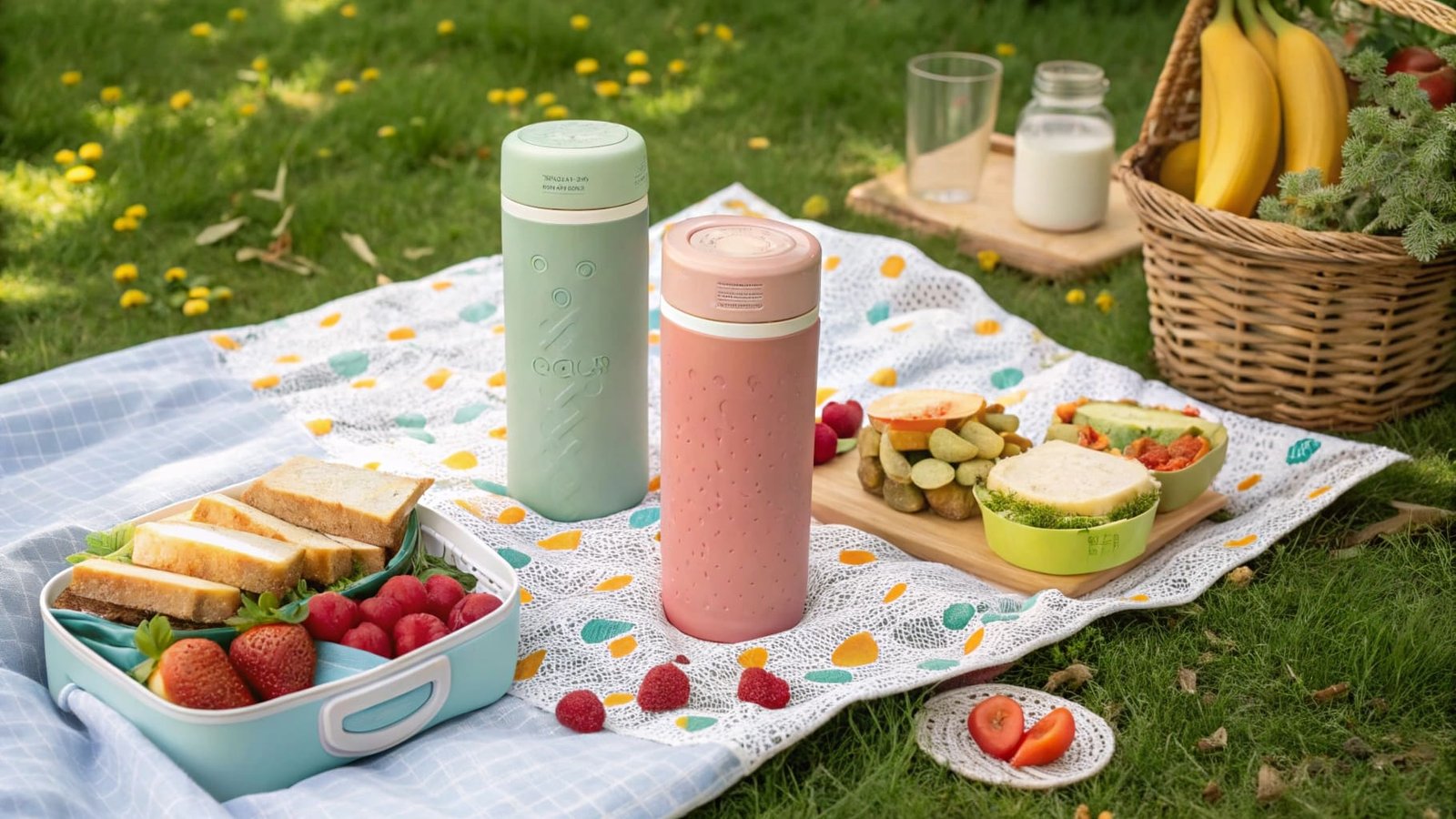
Understanding Material Vulnerabilities
I need to be honest about what damages silicone. This knowledge shapes every co-branding decision I make. Strong acids break down the polymer chains. I saw this firsthand when a partner stored products near cleaning supplies. The logos were fine but the silicone became brittle.
Petroleum-based solvents create a different problem. They do not destroy silicone immediately. Instead, they cause swelling. The material expands and then contracts. This cycle makes any surface printing crack and peel. I learned this the hard way with a batch destined for automotive retailers.
UV radiation presents a slower threat. Outdoor displays or products used in sunny environments face this challenge. The silicone yellows over time. More importantly, printed logos fade faster than embossed ones. I always recommend embossing for products that will see sunlight.
The protection strategy depends on your branding method. Screen printing needs clear protective coatings2. These coatings must bond with both the ink and silicone without creating a peeling risk. I use food-grade coatings that cure at specific temperatures. This process adds cost but prevents warranty claims later.
Embossed branding offers natural protection because it becomes part of the silicone structure. But even embossed areas need consideration. Deep channels collect residue. Shallow embossing3 wears smooth over time. I design embossed depths between 0.5mm and 1.5mm for optimal longevity. This range provides visible branding while maintaining cleanability.
| Protection Method | Best For | Durability Rating | Cost Impact |
|---|---|---|---|
| Clear Coating | Screen Printing | 8/10 | Medium |
| Embossing Only | Permanent Branding | 10/10 | Low |
| Laser Etching | Detailed Logos | 9/10 | High |
| Multi-Color Molding | Color Contrast | 10/10 | Medium-High |
Are Silicone Lids Safe to Use in Co-Branded Products?
Safety concerns stop deals faster than price negotiations. Mark once asked me if adding logos affected safety. He was right to ask. Some branding methods introduce risks that buyers never consider.
Silicone lids are safe when they maintain FDA or LFGB certifications after branding. The safety depends on using food-grade inks, proper curing processes, and avoiding surface treatments that introduce contaminants or compromise the material's non-toxic properties.
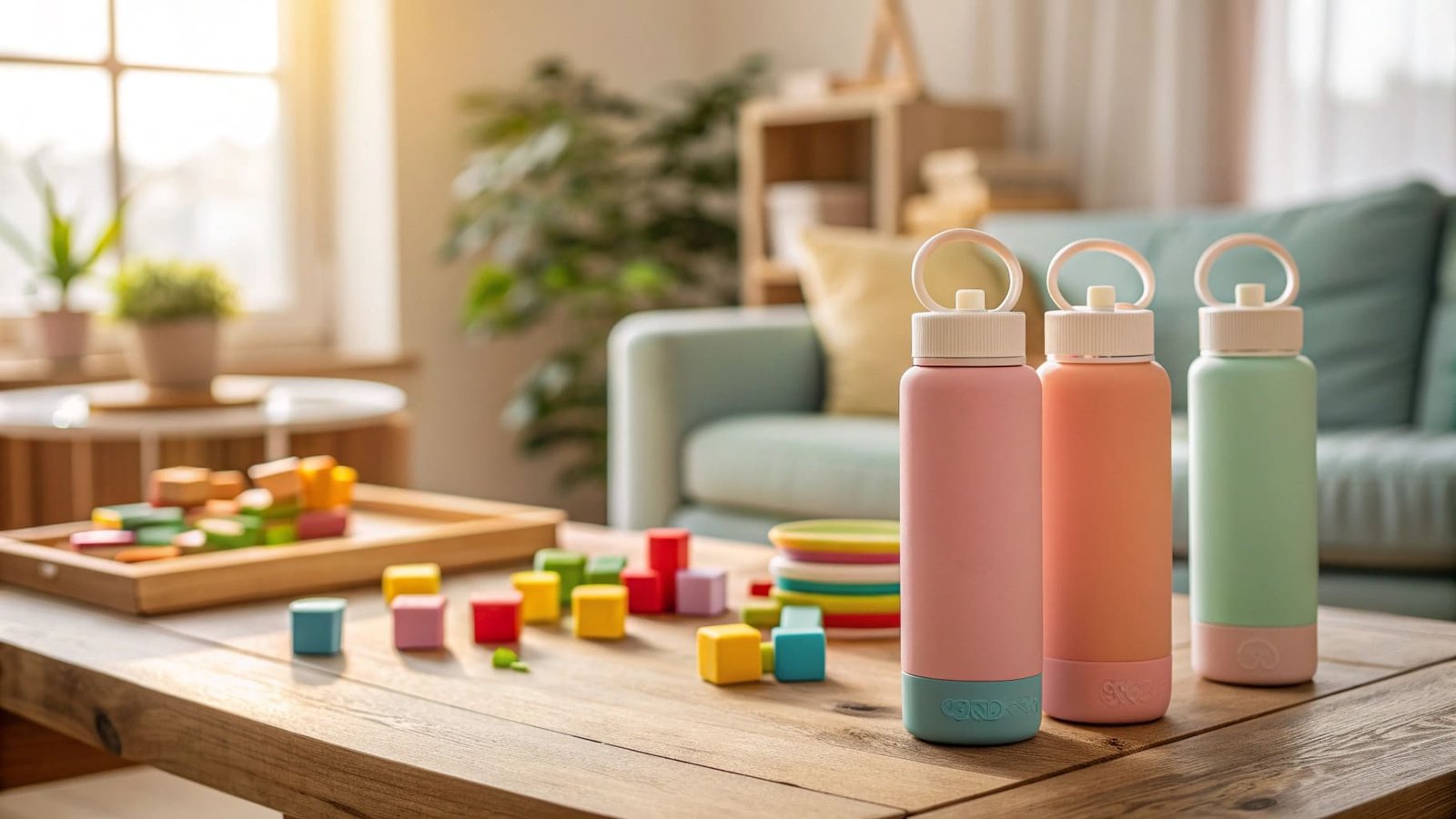
Certification Requirements for Dual-Brand Products
I submit every co-branded prototype for testing. This step frustrates partners who want fast launches. But one failed safety test destroys both brands. The testing covers the base silicone and all added elements.
Food-grade certification starts with raw material selection. I only use platinum-cured silicone4 for products that might contact food. Some manufacturers cut costs with peroxide-cured alternatives. These materials pass basic tests but release trace compounds under heat. Your brand cannot afford that association.
The inks matter more than people realize. Standard industrial inks contain heavy metals. They work fine on non-food items. But silicone bottom protectors5 often go on containers that hold food. I specify food-grade inks even when products seem purely decorative. Customers change how they use items. Better safe than liable.
Curing temperature affects safety in subtle ways. Too low and inks do not fully bond. They can transfer to food surfaces. Too high and you risk degrading the ink chemistry. I cure co-branded products at precisely controlled temperatures. This requires longer production times but ensures consistent safety.
Post-production treatments create additional safety considerations. Laser etching uses heat to mark silicone. The process itself is safe. But if the laser vaporizes surface material, it must not create toxic fumes or residue. I work with laser operators who understand silicone chemistry. Not all do.
The documentation burden increases with co-branding. Both brand names appear on packaging. Both companies share liability. I provide complete certification packages including material safety data sheets, test reports, and compliance statements. This paperwork protects everyone if questions arise later.
Surface modifications need careful evaluation. Some partners want special textures or coatings on their branded sections. These modifications must not create areas where bacteria can hide. Smooth, non-porous surfaces are essential for food-safe silicone. Any texture change requires additional antimicrobial testing.
What Destroys Silicone Rubber During Co-Branded Manufacturing?
Manufacturing processes that work for plain silicone fail with co-branding. I watched a production run collapse because the partner assumed standard methods would work. They lost 5,000 units before understanding the problem.
Co-branded silicone manufacturing is destroyed by incompatible material mixing, incorrect curing temperatures, contaminated molds, and stress concentration from poorly designed brand elements. Each branding addition changes thermal dynamics, requires process adjustments, and introduces potential failure points.
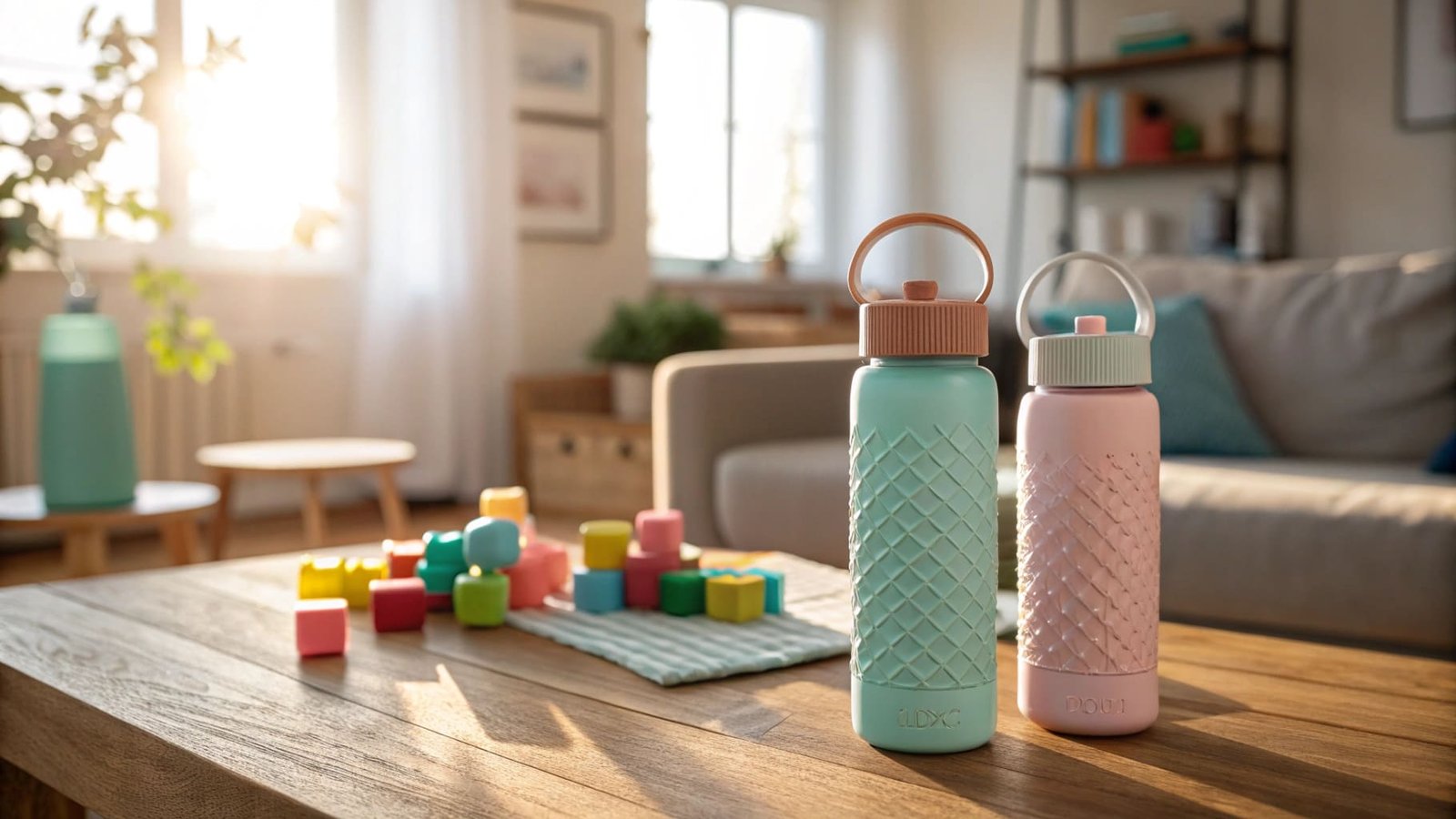
Critical Manufacturing Considerations
Material incompatibility tops my failure list. Multi-color molding uses different silicone batches simultaneously. These batches must have matching cure times and thermal expansion rates. Mismatched materials create delamination at color boundaries. I have seen logos simply peel away because someone mixed incompatible silicone types.
Curing temperature becomes more complex with multiple materials. Single-color products cure uniformly. Co-branded items have varying thicknesses and material densities. The thin logo area might overcure while the thick base undercures. I use stepped curing profiles that account for these variations.
Mold contamination destroys batches silently. Residue from previous inks or release agents reacts with new materials. The contamination shows up as discoloration, weak spots, or poor adhesion. I enforce strict mold cleaning protocols between production runs. This adds setup time but prevents waste.
Stress concentration from branding elements causes delayed failures. A sharp corner in an embossed logo creates a tear initiation point. The product looks perfect initially. After weeks of use, small cracks appear. I design all branding features with generous radius curves and avoid features thinner than 1mm.
Injection pressure requires recalibration for co-branded products. Higher pressure ensures complete mold filling in detailed logo areas. But too much pressure creates flash or damages molds. I run test shots at increasing pressure until finding the minimum that produces clean results.
Temperature control across the mold surface becomes critical. Hot spots overcure silicone and create brittle areas. Cold spots leave tacky surfaces. For co-branded products with complex mold geometries, I use multi-zone heating. This maintains uniform temperature despite varying material thickness.
Quality control must catch problems before they reach customers. I inspect co-branded products at three stages. First, I check fresh-from-mold items for complete curing and clean branding. Second, I test samples after simulated use cycles. Third, I verify that cleaning does not damage either brand element. This three-stage inspection catches issues that single-point checks miss.
| Manufacturing Risk | Impact Level | Prevention Method | Cost to Fix |
|---|---|---|---|
| Material Incompatibility | High | Pre-production compatibility testing | $3,000-8,000 |
| Cure Temperature Errors | Medium | Multi-zone temperature control | $1,500-3,000 |
| Mold Contamination | Medium | Strict cleaning protocols | $500-2,000 |
| Stress Concentration | High | Design review with FEA analysis | $2,000-5,000 |
Conclusion
Co-branding silicone bottom protectors succeeds when you understand material science, manufacturing limitations, and safety requirements. I choose partners who value quality over speed and invest in proper processes.
-
Discover the techniques behind multi-color molding and its benefits for branding. ↩
-
Understand the role of protective coatings in maintaining product integrity and branding. ↩
-
Find out how embossing can enhance durability and visibility of logos on silicone. ↩
-
Learn why platinum-cured silicone is essential for ensuring food safety in products. ↩
-
Explore this link to understand the versatility and branding potential of silicone bottom protectors. ↩