What Warehouse Storage Conditions Preserve Silicone Stretch Lid Quality?
I learned this the hard way last summer. A client in Texas received a shipment of silicone stretch lids1 that looked discolored. The warehouse had exposed them to direct sunlight for three months. This mistake cost me both money and trust.
Store silicone stretch lids in cool, dry warehouses at 15-25°C with humidity below 65%. Keep them away from direct sunlight, petroleum products, and ozone-generating equipment. Proper storage extends shelf life from 1-2 years to 3-5 years and maintains product quality.
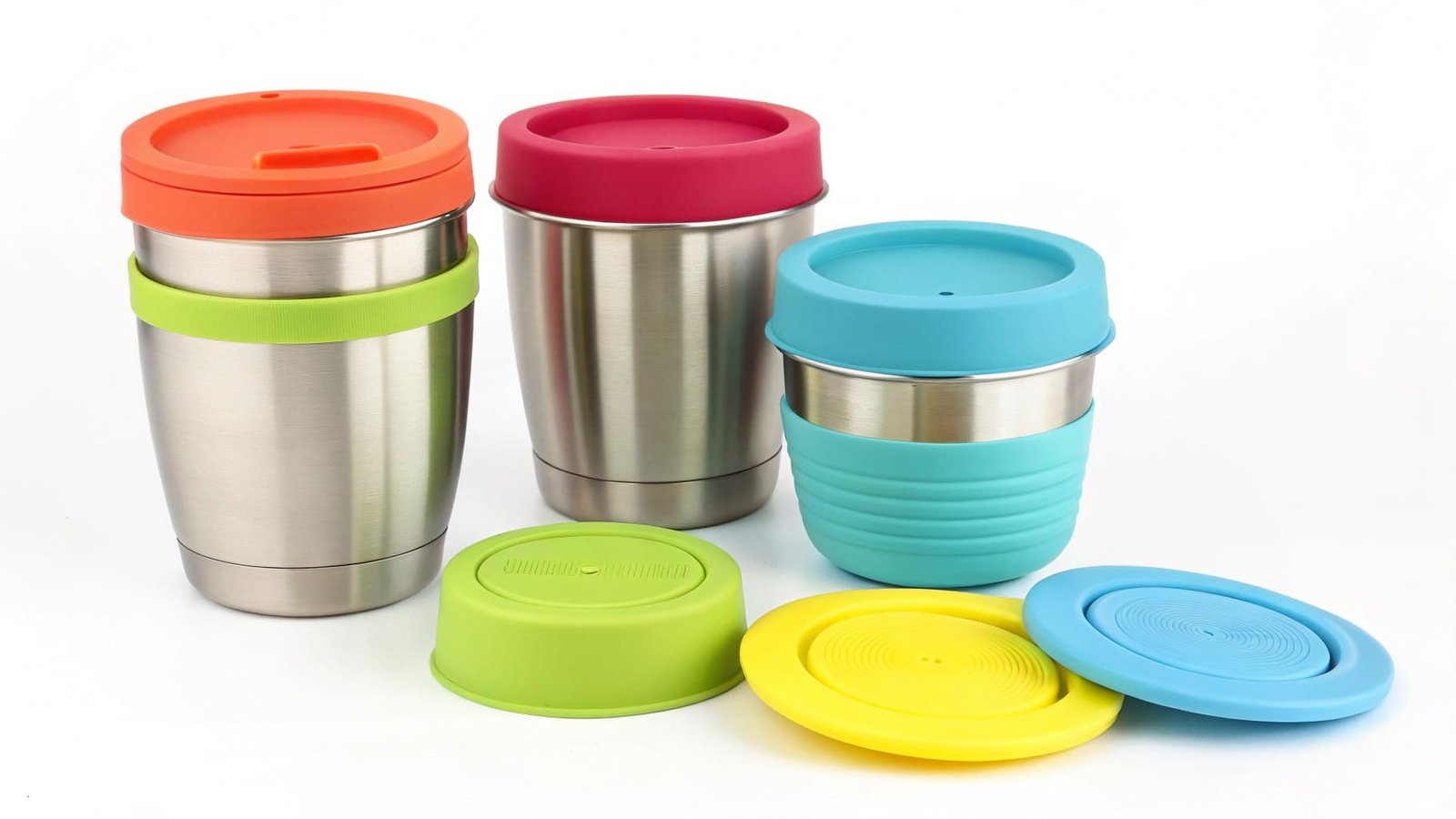
Many buyers worry about how storage affects product quality. I understand this concern because I have seen both good and bad storage practices. The difference shows up in your inventory turnover and customer satisfaction. Let me share what I learned from years of working with B2B clients across different climate zones.
How to store silicone lids?
You receive a bulk order of silicone lids. Your warehouse manager asks where to place them. You feel uncertain because nobody taught you the proper storage method. This simple question affects your entire business operation.
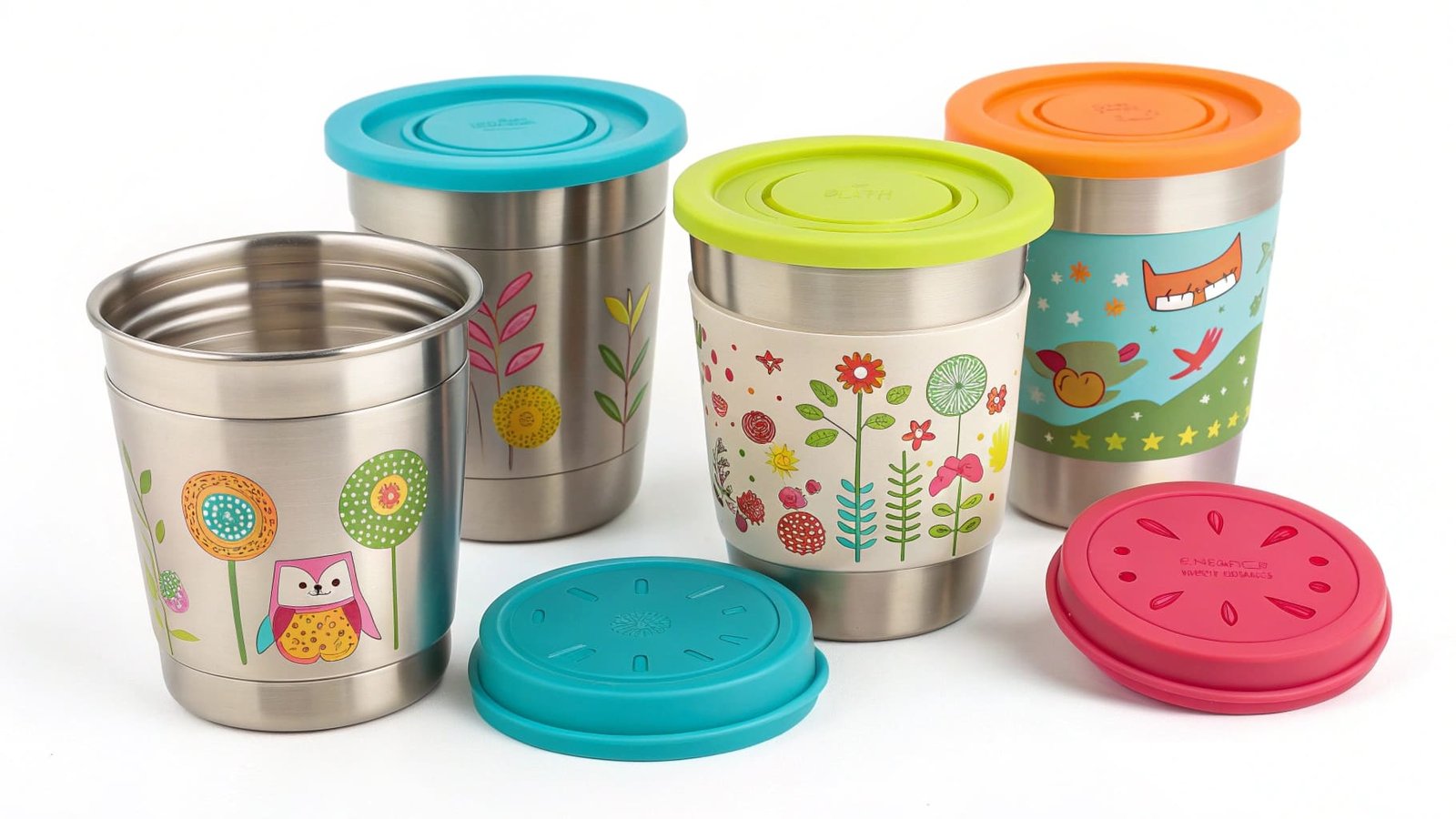
Store silicone lids in sealed containers or original packaging. Place them in a dry area away from heat sources and chemicals. Stack them carefully to prevent deformation. Keep the storage area clean and well-ventilated.
Temperature control matters
I run my warehouse at a steady temperature. The ideal range sits between 15°C and 25°C. This range keeps the silicone stable without causing any chemical changes. Temperature swings create problems. The material expands when hot and contracts when cold. These changes happen repeatedly and weaken the molecular structure over time.
My warehouse in Guangdong faces high humidity during summer. I installed dehumidifiers to keep humidity below 65%. High moisture causes mold growth on packaging materials. The mold does not damage silicone directly but creates quality perception issues for customers.
Physical storage setup
| Storage Factor | Requirement | Reason |
|---|---|---|
| Light exposure | Minimal to none | UV rays degrade silicone molecules |
| Ventilation | Good air circulation | Prevents moisture buildup |
| Stacking height | Maximum 5 layers | Prevents bottom layer deformation |
| Container type | Original or sealed | Protects from dust and contaminants |
I learned to rotate inventory properly. Old stock goes out first. This practice ensures customers receive fresh products. I mark each box with receiving dates. My warehouse staff checks these dates during picking. This simple system prevents old inventory from sitting too long.
Can you put silicone lids in the freezer?
Your customer asks if they can freeze food with your silicone lids. You pause because you stored them at room temperature in your warehouse. Does storage temperature match usage temperature? This question confuses many buyers.
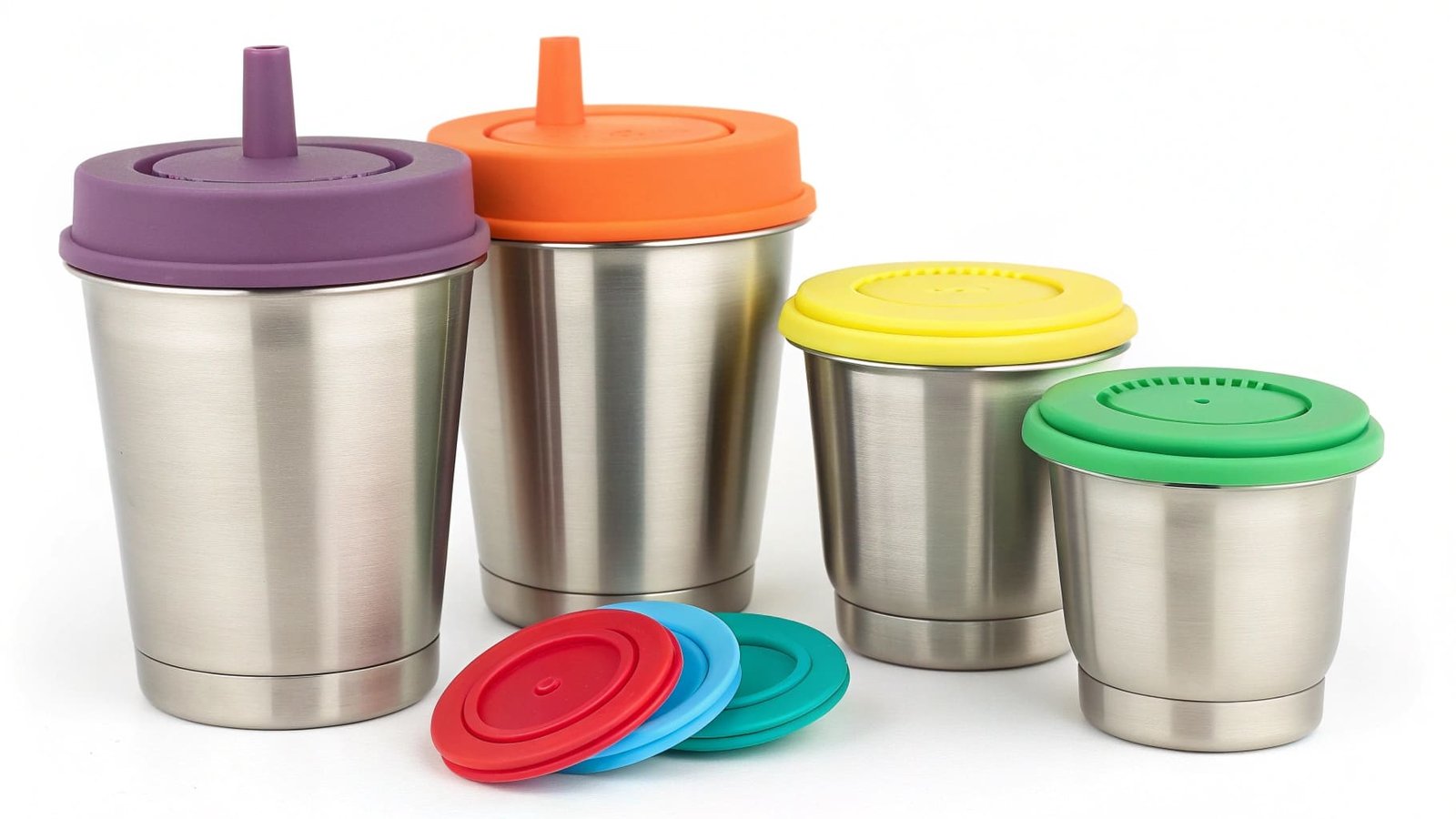
Yes, you can safely put silicone lids in the freezer. Food-grade silicone withstands temperatures from -40°C to 230°C during use. However, warehouse storage should maintain moderate temperatures between 15-25°C for optimal product preservation before sale.
Understanding usage versus storage
I explain this distinction to every new client. End users can freeze, microwave, and even put silicone lids in the oven. The material handles these extreme temperatures without breaking down. But warehouse storage operates differently. You want stability, not extremes.
Think of it like storing batteries. Batteries work in hot and cold conditions. But you store them at room temperature for longest life. The same logic applies to silicone products. Room temperature storage preserves the material properties better than temperature extremes.
What happens in cold storage
Some clients store silicone products in refrigerated warehouses. I have seen this practice in food distribution centers. The cold itself does not damage silicone. But moving products from cold storage to warm environments creates condensation. This moisture affects packaging and labels. The cardboard boxes get soggy. The printed information becomes hard to read.
I advise clients to avoid cold storage unless absolutely necessary. Room temperature warehouses work better for maintaining packaging integrity. The silicone stays stable. The boxes stay dry. The labels remain readable. Your customers receive products that look professional and ready for retail display.
What are the storage conditions for silicone?
You plan your warehouse layout. Different products need different conditions. Silicone stretch lids sit in one section. You wonder what specific requirements matter most. Getting this right saves money and prevents product degradation.
Optimal silicone storage conditions include temperatures of 15-25°C, humidity below 65%, no direct UV exposure, and separation from petroleum products, harsh chemicals, and ozone equipment. These conditions extend product shelf life to 3-5 years while maintaining material properties.
Chemical contamination risks
I keep silicone products away from petroleum-based items. Gasoline, diesel, and mineral oils affect silicone over time. The material absorbs these contaminants. This absorption creates odors that fail food safety standards. I learned this lesson when a warehouse stored silicone lids near automotive products. The lids developed a slight petroleum smell after six months.
Harsh chemicals pose similar risks. Cleaning supplies with strong solvents should stay in separate areas. I designate specific zones in my warehouse. Zone A holds silicone products. Zone B stores chemicals and maintenance supplies. Clear signage prevents mixing these zones.
Environmental factors breakdown
| Factor | Impact | Prevention Method |
|---|---|---|
| UV light | Causes yellowing and brittleness | Use covered storage areas |
| Ozone | Breaks down molecular chains | Keep away from electric motors |
| High humidity | Promotes packaging deterioration | Use dehumidifiers |
| Temperature swings | Creates expansion/contraction stress | Install climate control |
Ozone-generating equipment surprises many buyers. Electric motors, welding equipment, and some air purifiers produce ozone. This gas attacks silicone at the molecular level. I position silicone storage areas away from these machines. The extra distance costs nothing but saves product quality.
Shelf life expectations
I tell clients to expect 3-5 years of shelf life under proper conditions. This timeline assumes you follow all the storage guidelines I mentioned. Poor storage cuts this down to 1-2 years. The silicone does not expire suddenly. Instead, you notice gradual changes. The material becomes less elastic. Colors fade slightly. Surface texture changes.
I track storage conditions with temperature and humidity sensors. These devices cost little but provide valuable data. When product quality issues arise, I check the storage history first. Most problems trace back to environmental factors. Fixing storage conditions solves these problems permanently.
Conclusion
Proper warehouse storage protects your silicone stretch lid investment. Cool, dry conditions away from contaminants ensure products reach customers in perfect condition. This attention to storage details builds your reputation for quality.
-
Explore this resource to learn how to maintain the quality and longevity of silicone stretch lids through proper storage. ↩