Can Silicone Lids Fit Pyrex Containers for Bulk Restaurant Supply Orders?
Restaurant kitchens break lids faster than any other supply. That's a real problem when your whole storage system depends on one compatible lid.
Silicone lids can fit Pyrex containers.1 Most quality silicone lids follow standard diameter measurements that match common Pyrex container sizes.2 For bulk restaurant supply orders, this means one silicone lid SKU can often cover multiple container sizes from the same product line.
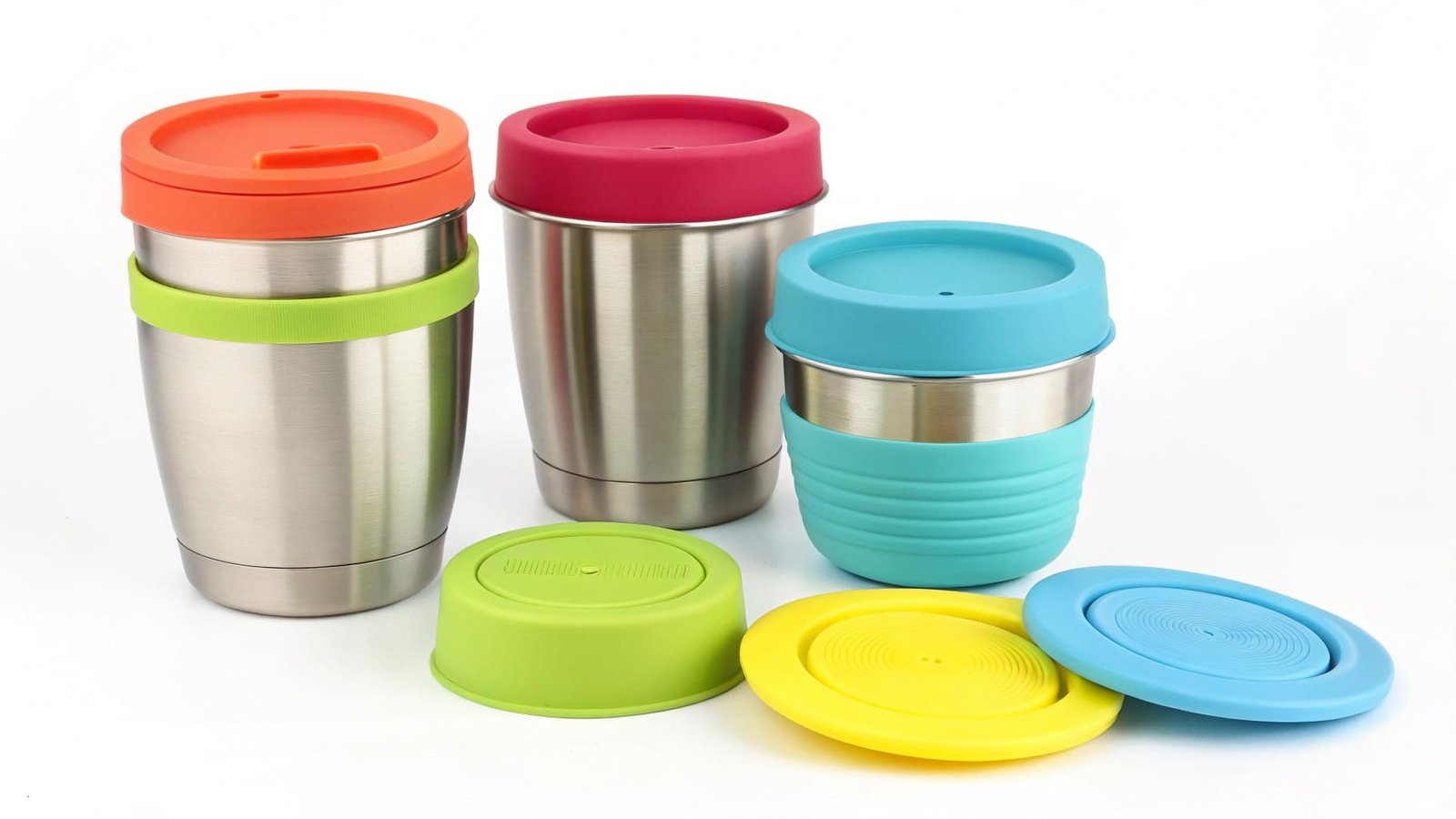
Losing lids mid-season is not just inconvenient. It can shut down a prep station. I have seen buyers scramble to find replacements only to discover the original plastic lids were discontinued. That is exactly why more procurement managers are switching to silicone — and why I want to walk you through everything you need to know before placing a bulk order.
What Material Are Pyrex Lids Made Of?
You ordered a full case of Pyrex containers. Two months later, half the lids are cracked. Sound familiar?
Pyrex glass containers originally came with BPA-free plastic lids. These lids were designed for light consumer use. In a commercial kitchen, they crack, warp, and discolor quickly.
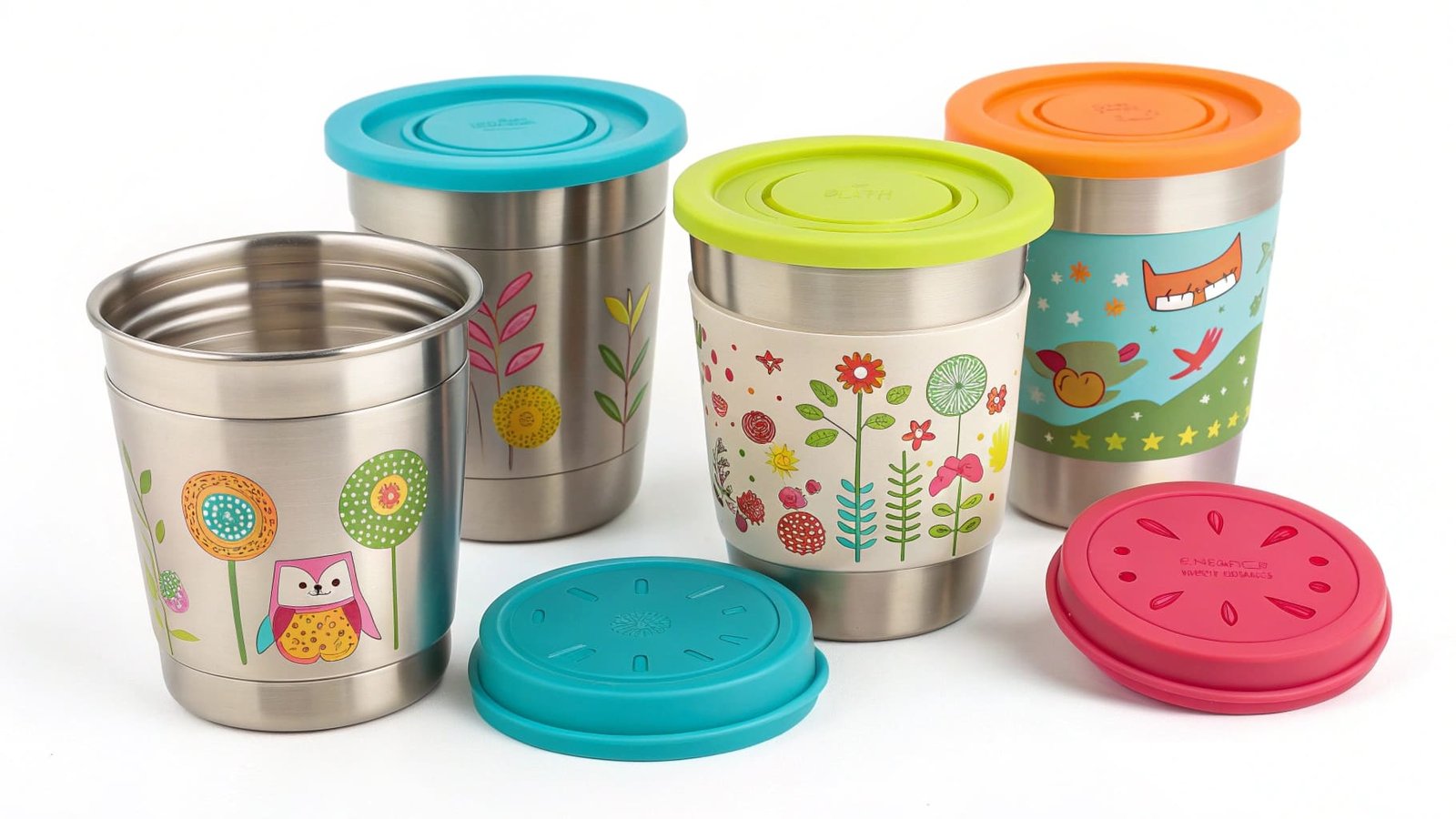
The original Pyrex lid is made from BPA-free plastic, usually a hard PP (polypropylene) material. It handles basic fridge and microwave use. But it was never built for the heat cycles, heavy stacking, and daily washing that a restaurant demands.
Why Does the Lid Material Matter So Much in a Commercial Setting?
Plastic and silicone behave very differently under stress. Here is a direct comparison that I share with buyers who are evaluating both options:
| Property | BPA-Free Plastic Lid | Food-Grade Silicone Lid |
|---|---|---|
| Temperature Range | 32°F to 212°F (est.) | -40°F to 450°F |
| Cracking Risk | High after repeated use | Very low |
| Dishwasher Safe | Limited | Yes, full commercial cycles |
| Lifespan in Commercial Use | 3–6 months avg. | 2–5 years avg. |
| Replacement Availability | Depends on Pyrex SKU | Universal sizing available |
| Odor Absorption | Moderate | Very low |
The core issue is that plastic lids are tied to a specific product SKU. When Pyrex updates or discontinues a container model, the matching lid disappears with it. Silicone lids, especially those made to standard diameter sizes, do not have that problem. A buyer who sources silicone lids in bulk can stock a single size and cover multiple container generations. That is a real advantage for any procurement officer managing a large kitchen account.
I started recommending silicone lids to my wholesale buyers not just because of durability. The bigger reason is supply continuity. Plastic lids create a dependency on one manufacturer's catalog. Silicone lids give buyers more control.
Are Pyrex Silicone Lids Oven Safe?
You put a lidded container in the oven. You pull it out 30 minutes later. The lid has warped, melted at the edges, or left a smell in the food. That is a liability in any food operation.
High-quality food-grade silicone lids are oven safe up to 450°F.3 But not every silicone lid on the market meets that standard. The material grade and the certification behind it determine whether the lid actually holds up under oven conditions.
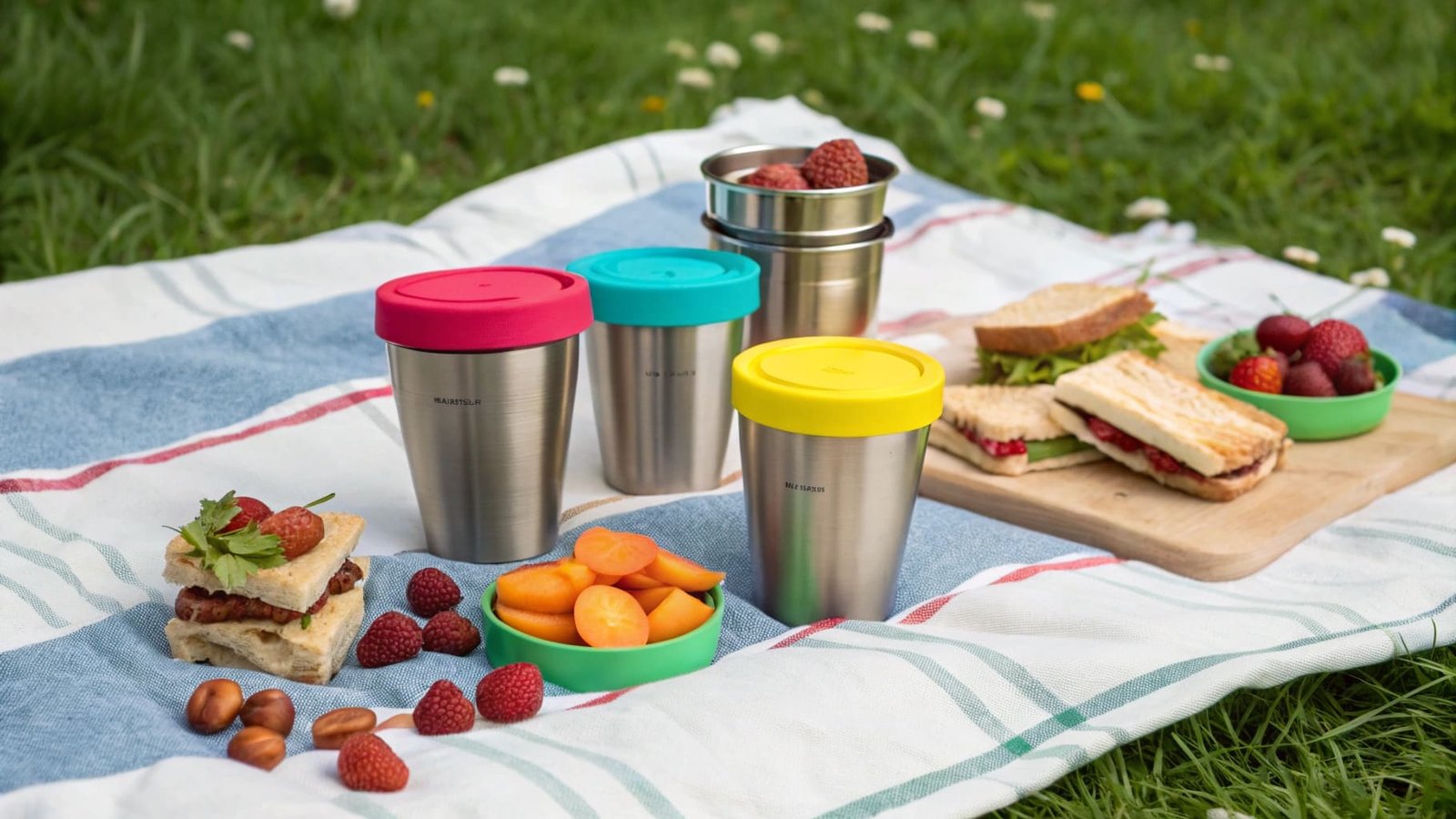
A silicone lid rated for oven use must pass specific food safety certifications. The two most relevant for B2B buyers exporting to North America and Europe are FDA (US standard) and LFGB (EU standard). These certifications confirm that the silicone compound does not leach harmful chemicals when heated.4 Without them, a lid labeled "oven safe" is just a marketing claim.
How Do You Verify Oven Safety Before Placing a Bulk Order?
This is where a lot of buyers make a mistake. They ask a supplier if the product is oven safe. The supplier says yes. The buyer places the order. Then the lids fail in the field.
Here is the verification process I walk through with serious procurement buyers:
| Verification Step | What to Ask or Request |
|---|---|
| Certification Check | Request FDA or LFGB certificate. Check the issuing lab name and date.5 |
| Third-Party Test Report | Ask for a full SGS or Intertek test report, not just a certificate summary. |
| Temperature Spec Confirmation | Confirm the exact rated temperature range in writing, not just "oven safe." |
| Prolonged Heat Test | Ask if the product has been tested under extended heat, not just peak temperature. |
| Sample Order First | Always order samples before bulk. Test them in your actual kitchen conditions. |
I have seen certificate fraud in this category. A supplier presents a valid-looking certificate, but the document belongs to a different product or an expired batch. My recommendation to every bulk buyer is this: do not accept a certificate scan alone. Request the original report with full test parameters, the product description, and the lab's contact information so you can verify it directly.
Oven safety is not a feature you can visually inspect. It is a paper trail. If the supplier cannot produce that trail quickly and clearly, that is a red flag.
Can You Buy Replacement Lids for Pyrex Glass Storage Containers?
Your containers are fine. They will last years. But the lids are already showing wear after three months of daily service. Do you have to replace the whole set?
No. You can buy replacement lids for Pyrex glass storage containers. Silicone stretch lids and silicone cup lids made to standard diameters fit most common Pyrex round and rectangular container openings. Bulk purchasing replacement lids separately is now a standard strategy for commercial kitchens and restaurant supply distributors.
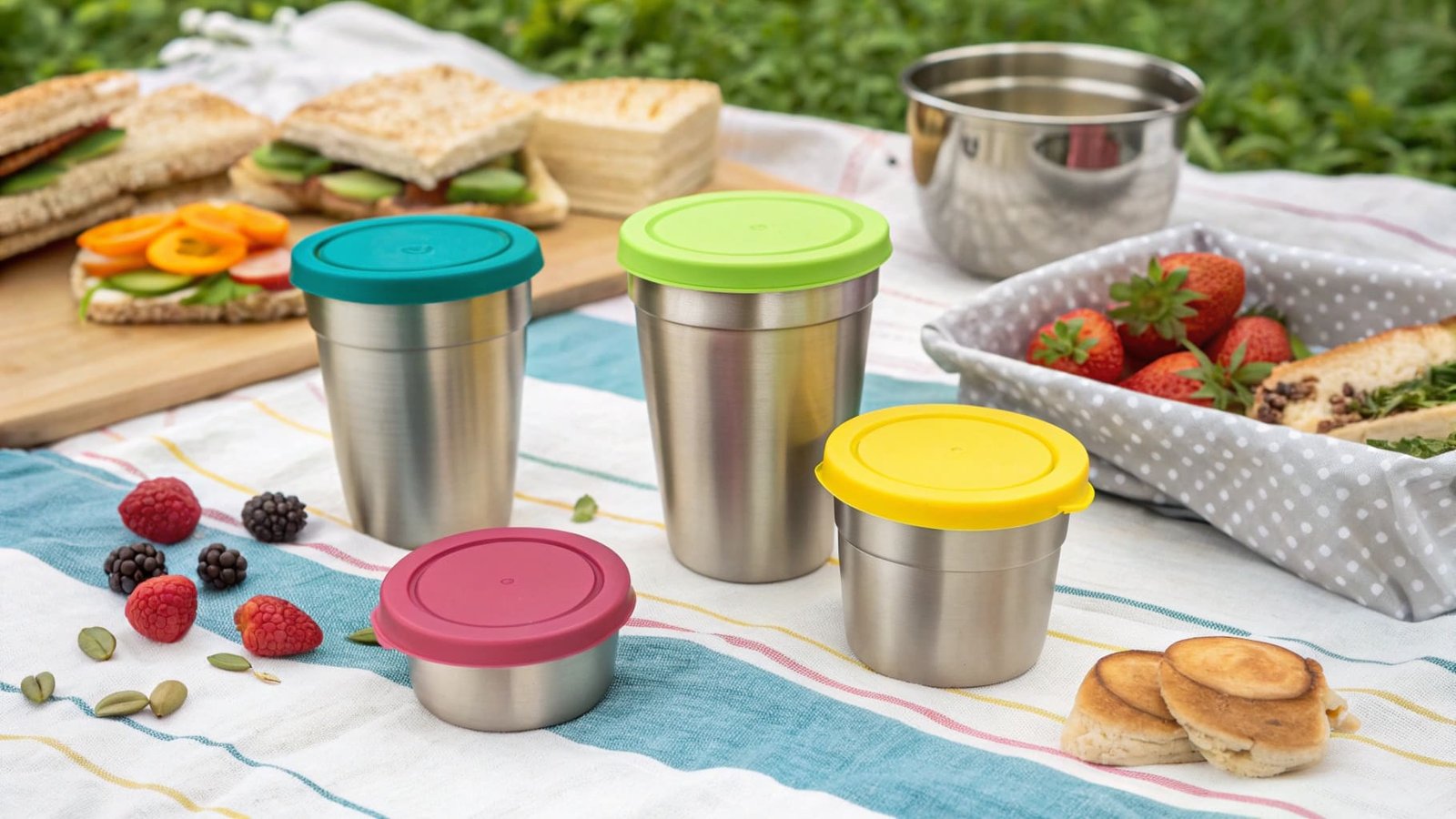
This is one of the most practical shifts I have seen in how procurement managers handle kitchen supplies. Instead of buying full container-and-lid sets every replacement cycle, they stock lids independently. The glass containers last. The lids wear out faster. So you buy lids in bulk and replace them on a rolling basis.
What Is the Smartest Replacement Strategy for a High-Volume Operation?
The goal is to never run out of lids mid-service. That sounds simple. But it requires a system.
Here is the framework I recommend to buyers managing large accounts:
| Strategy Element | Practical Action |
|---|---|
| Standardize Container Sizes | Limit your kitchen to 2–3 standard container diameters. This reduces SKU complexity. |
| Source Lids Separately | Do not rely on the container manufacturer for lids. Find a dedicated silicone lid supplier. |
| Build a Buffer Stock | Keep at least 20–30% more lids than containers. Lids wear out faster. |
| Lock In Specifications | Get written product specs from your supplier. Make sure each production batch matches. |
| Audit Lid Condition Regularly | Replace lids on a schedule, not just when they fail visibly. |
The reason specification consistency matters so much is this: if you reorder lids six months later and the diameter is slightly different, the seal fails. In a commercial kitchen, a bad seal means spilled product, food safety risk, and wasted prep time. Suppliers who maintain consistent specs across production batches solve a real operational problem.
I work with buyers who have moved their entire replacement lid sourcing to one silicone supplier. They do not need to match a specific Pyrex catalog number. They match a diameter and a material standard. That simplicity saves time and reduces risk.
Conclusion
Silicone lids fit Pyrex containers, handle oven heat, and outlast plastic in commercial use. Verify certifications, standardize sizes, and build buffer stock before placing any bulk order.
-
"Reusable Silicone Stretch Lids for Food Storage in Fridge - Elastic ...", https://www.amazon.com/Reusable-Silicone-Stretch-Lids-Microwave/dp/B0CHZ69ZFN. A source describing silicone stretch lids as diameter-based covers for food-storage containers supports the general compatibility mechanism; it does not verify fit for every Pyrex model or production year. Evidence role: general_support; source type: institution. Supports: A source should show that silicone stretch lids are designed to fit containers by diameter or opening size, including glass storage containers, and that Pyrex containers have measurable standard openings.. Scope note: Contextual support only; actual fit still depends on the specific Pyrex model and lid dimensions. ↩
-
"Stretchable Silicone Lids for Containers: Home Chef Guide - DI ORO", https://www.dioro.com/blogs/news/stretchable-silicone-lids-for-containers?srsltid=AfmBOopZYbCo39jggUGOsfJp-L3IHFKYrO2TWc_Fit0NymzVZfy4M9d_. Published size specifications for silicone stretch lids and Pyrex storage containers support the claim that compatibility can be assessed by diameter or opening dimensions; they do not prove universal interchangeability across all product lines. Evidence role: general_support; source type: institution. Supports: A sizing chart or product specification source should document common silicone-lid diameters and Pyrex container opening dimensions.. Scope note: The support would be dimensional rather than a direct test of every lid-container pairing. ↩
-
"What about silicone bakeware? - ISU Extension and Outreach Blogs", https://blogs.extension.iastate.edu/answerline/2018/12/10/what-about-silicone-bakeware/. Food-contact regulations for silicone rubber, combined with materials data on silicone heat resistance, support the plausibility of oven-rated silicone lids up to 450°F. Evidence role: mechanism; source type: government. Supports: A source should explain that food-contact silicone rubber is permitted for food-contact applications and that silicone bakeware is commonly rated for high oven temperatures.. Scope note: Regulatory compliance alone does not prove that a particular lid design is oven safe; the product must have its own temperature rating. ↩
-
"Chemistry Recommendations for Submissions of Food Contact ...", https://www.fda.gov/regulatory-information/search-fda-guidance-documents/guidance-industry-preparation-premarket-submissions-food-contact-substances-chemistry. Food-contact migration standards support the narrower claim that certified silicone materials meet specified migration limits when tested under defined heating conditions. Evidence role: mechanism; source type: government. Supports: A regulatory or standards source should explain that food-contact testing assesses migration of substances under specified time and temperature conditions.. Scope note: Such testing does not establish that no chemicals leach under all possible kitchen conditions; it establishes compliance with defined limits and protocols. ↩
-
"Laboratory Accreditation for Analyses of Foods (LAAF) - FDA", https://www.fda.gov/food/food-safety-modernization-act-fsma/laboratory-accreditation-analyses-foods-laaf-program-final-rule. Accreditation guidance for ISO/IEC 17025 laboratories supports checking the issuing laboratory, scope, and report date when evaluating food-contact compliance documents. Evidence role: expert_consensus; source type: institution. Supports: An accreditation body or standards source should explain the role of accredited laboratories, report identification, scope, and dates in conformity assessment.. Scope note: This supports the verification practice generally and does not prove that certificate fraud is common in this product category. ↩